Side-by-Side IQ Profile: Yorkie vs. Corgi
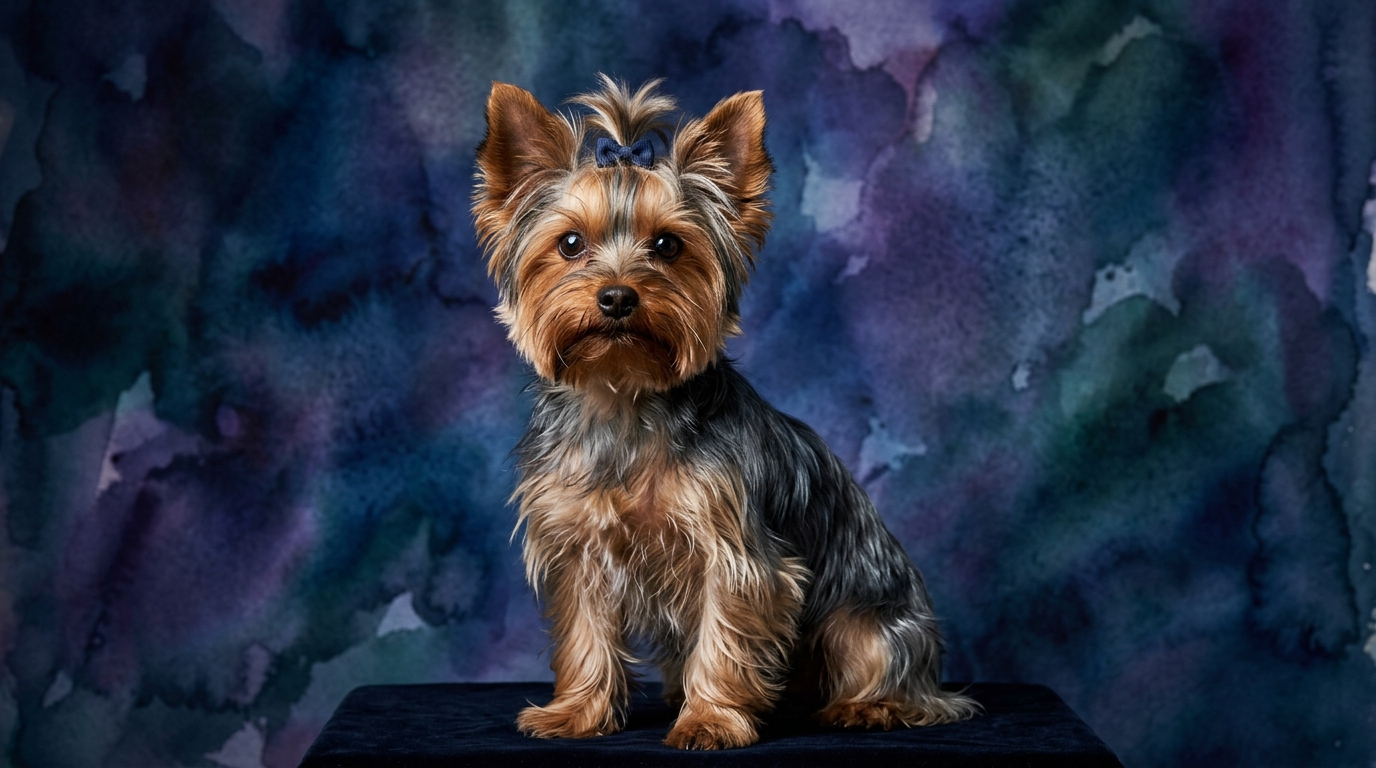
The Yorkshire Terrier, with a Coren rank of #27, presents a cognitive profile marked by sharp social awareness and strong innate drives. Their problem-solving ability rates at a solid 3 out of 5, indicating a capacity for navigating routine challenges but perhaps less inclination for complex, novel puzzles, often relying on learned behaviors. Training speed is a notable strength at 4 out of 5, suggesting they absorb new commands and routines with impressive alacrity, mastering a wide array of commands efficiently. Social intelligence also scores high at 4 out of 5, showcasing their profound attunement to human cues and emotional states, making them exceptionally responsive companions. Finally, their instinctive drive, rated at 4 out of 5, reflects their terrier heritage—a tenacious spirit, often expressed through vocalizations or a keen interest in small, moving objects, while their memory stands strong at 4 out of 5, ensuring retention of learned information.
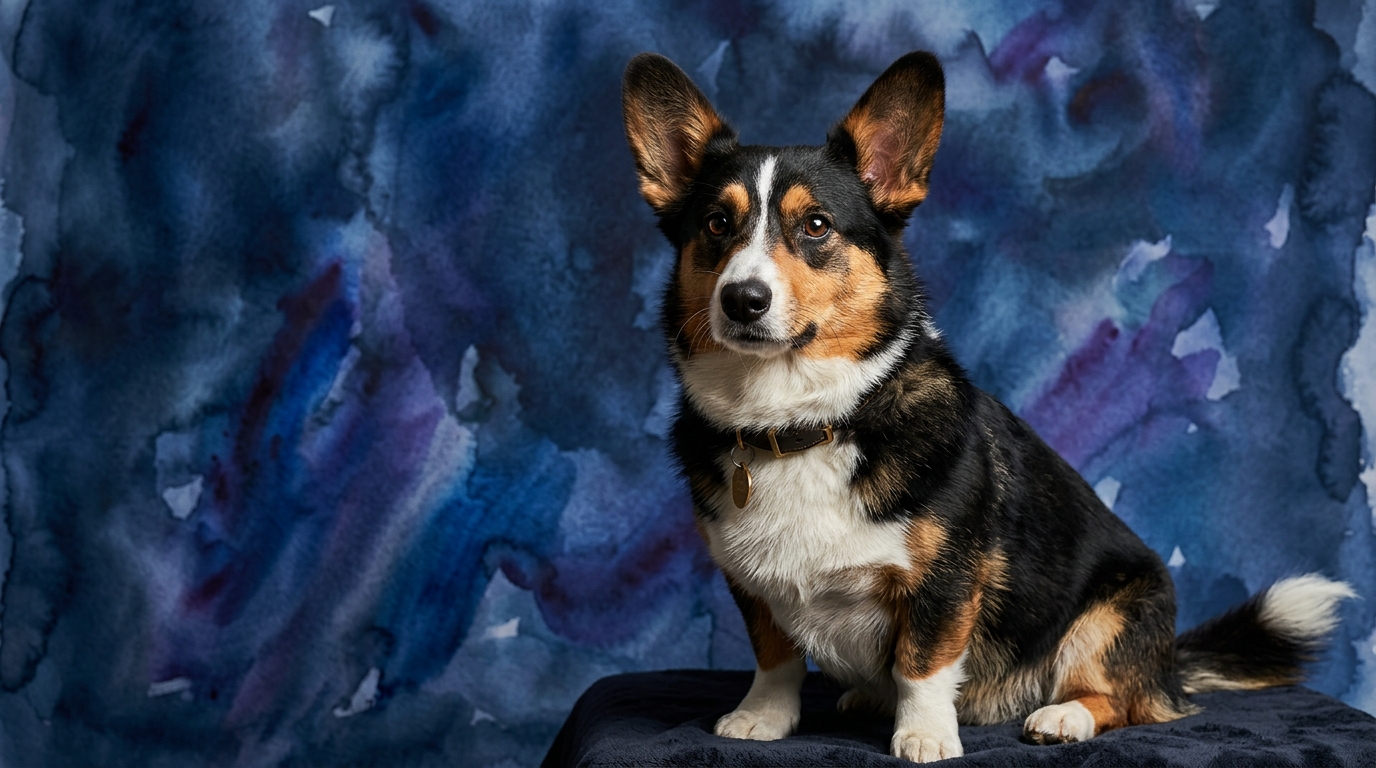
The Cardigan Welsh Corgi, closely ranked at #26 by Coren, exhibits a cognitive makeup rooted in their herding lineage, emphasizing practical problem-solving. They excel in problem-solving with a 4 out of 5 rating, demonstrating a greater propensity for independent thought and figuring out how to achieve goals, translating into a resourceful nature. Like the Yorkie, their training speed is also excellent at 4 out of 5, indicating a keen readiness to learn and execute tasks and sequences quickly. However, their social intelligence registers slightly lower at 3 out of 5, suggesting they might be a bit more independent or interpret human signals with a more practical, less emotionally nuanced lens than the Yorkie. Their instinctive drive, at 3 out of 5, reflects a moderate expression of their herding impulses, such as patrolling or gentle nudging, without the intense persistence of a terrier, and their memory is robust at 4 out of 5, supporting efficient learning and recall.
Where the Yorkshire Terrier Wins Cognitively
The Yorkshire Terrier shines particularly in the realm of social intelligence, scoring a 4 out of 5 compared to the Corgi's 3. This higher social aptitude means Yorkies are often remarkably perceptive to their owner's moods and intentions, making them exceptionally empathetic and communicative companions. They tend to form very strong emotional bonds and can subtly adapt their behavior based on human feedback, making them adept at navigating complex household dynamics with sensitivity. Their elevated instinctive drive, also at 4 out of 5, while sometimes manifesting as typical terrier tenacity, translates into a vigilant alertness and a spirited engagement with their environment. This heightened awareness means they are often quick to notice novel sounds or changes in their surroundings, making them excellent, albeit sometimes vocal, little sentinels for their homes. This persistence also aids in specific task-oriented play or even learning complex trick sequences, where their determination can be channeled effectively, making them surprisingly capable in areas demanding focus and repetition.
Where the Cardigan Welsh Corgi Wins Cognitively
The Cardigan Welsh Corgi demonstrates a distinct cognitive advantage in problem-solving, earning a 4 out of 5 compared to the Yorkie's 3. This superior capacity indicates a breed more inclined to analyze situations, experiment with actions, and devise solutions independently. Owners might observe Corgis figuring out how to open gates, retrieve hidden toys from intricate puzzles, or navigate complex environments with a greater degree of self-sufficiency and strategic thinking. This mental agility makes them particularly suited for puzzle toys, advanced obedience work requiring sequential thought, or even agility courses where they must adapt quickly to changing obstacles and make independent decisions. Their herding background fosters a practical intelligence, enabling them to make quick decisions and respond effectively to dynamic scenarios, translating into a resourceful and adaptable demeanor in a domestic setting.
Which is Easier to Train and Why
When it comes to ease of training, both the Yorkshire Terrier and the Cardigan Welsh Corgi score an impressive 4 out of 5 in training speed, suggesting they both absorb new commands and routines quickly. However, the nuances in their other cognitive dimensions create distinct training experiences. The Yorkie's higher social intelligence means they are often highly motivated by pleasing their owner and are very responsive to subtle cues, making positive reinforcement training particularly effective for shaping desired behaviors and fostering a strong partnership. Their strong instinctive drive, while requiring consistent direction to prevent unwanted terrier behaviors like excessive barking or digging, can also be channeled into focused training tasks, where their persistence becomes an asset for mastering complex commands over time.
In contrast, the Corgi's superior problem-solving ability can be a double-edged sword in training. While they quickly grasp complex commands and sequences, their independent thinking might also lead them to 'problem-solve' ways around rules, test boundaries, or find alternative paths to rewards if not clearly guided with firm consistency. Their slightly lower social intelligence means they might not always be as overtly eager to please as a Yorkie, requiring an owner who understands how to motivate through engaging challenges and clear, consistent instruction rather than relying solely on emotional connection. Ultimately, both are capable learners, but the Yorkie might offer a more emotionally connected and compliant training partner in many scenarios, while the Corgi thrives with an owner who appreciates their clever, independent nature and can channel it productively.
Which Suits Active Owners vs. Relaxed Owners
Determining which breed suits an active versus a relaxed owner involves considering their physical needs alongside their cognitive profiles. The Yorkshire Terrier, despite its diminutive size, possesses a vigorous instinctive drive (4/5) that necessitates regular engagement. They thrive with owners who can provide consistent, short bursts of activity, such as interactive indoor games, brisk walks, or even agility training designed for small breeds, ensuring their mental and physical needs are met without overexertion. Their high social intelligence (4/5) means they require significant human interaction and companionship, making them less suited for owners who are frequently absent or prefer a purely independent pet. A relaxed owner who enjoys gentle walks, indoor games, and plenty of lap time, but is prepared for their spirited bursts of terrier energy and vocal alerts, would find a Yorkie a delightful fit, offering both lively moments and peaceful cuddles.
The Cardigan Welsh Corgi, with its herding heritage, generally requires more sustained physical and mental activity. Their problem-solving prowess (4/5) means they benefit immensely from structured activities that challenge their minds, such as advanced obedience, rally, or even scent work, which tap into their natural intelligence. While their instinctive drive (3/5) is moderate, it still calls for regular outlets like longer walks, engaging playtime in a secure yard, or supervised off-leash exploration in safe environments. An active owner who enjoys daily outdoor adventures, can commit to consistent and engaging training, and provides ample mental enrichment will find the Corgi a robust and eager partner, whereas a purely relaxed, sedentary owner might struggle to meet their needs for engagement and purpose, potentially leading to boredom-related behaviors.
The Verdict
Choose a Yorkshire Terrier if you seek a highly perceptive, emotionally responsive companion who thrives on close social bonds and can be a diligent, albeit vocal, home sentinel, willing to engage in spirited play and snuggle time.
Opt for a Cardigan Welsh Corgi if you appreciate a clever, independent thinker adept at problem-solving, capable of sustained physical and mental engagement, and who enjoys structured activities that challenge their innate herding intelligence.
🧠 Find Your Pet's IQ Score
Our Pet IQ Lab assessment covers 25+ tests across 5 cognitive dimensions — personalized to your breed.
Take the Full IQ Test →Frequently Asked Questions
Are Yorkshire Terriers good for apartment living?
Yes, Yorkshire Terriers adapt well to apartment living due to their small size and primary need for indoor companionship. However, their high instinctive drive means they still require regular short walks and engaging indoor play to prevent boredom and manage their spirited terrier energy.
Do Cardigan Welsh Corgis bark a lot?
Cardigan Welsh Corgis can be prone to barking due to their herding instincts, which include alerting their 'flock' to perceived threats. While not as consistently vocal as some terriers, they will use their voice to communicate, especially if under-exercised or not properly trained.
Which breed is better with children?
Both breeds can be good with children, but their temperaments differ. Yorkies, with their high social intelligence, often form close bonds, but their small size makes them vulnerable to rough play. Corgis, with their sturdy build and herding instincts, are generally more tolerant but may nip at heels if not taught appropriate interactions, making supervision crucial for both.