Side-by-Side IQ Profile
The Cosmic Pet Pet IQ Lab categorizes canine intelligence across five key dimensions: Problem Solving, Training Speed, Social Intelligence, Instinctive Drive, and Memory. Let's examine how the Yorkshire Terrier and Cavalier King Charles Spaniel measure up in each area.
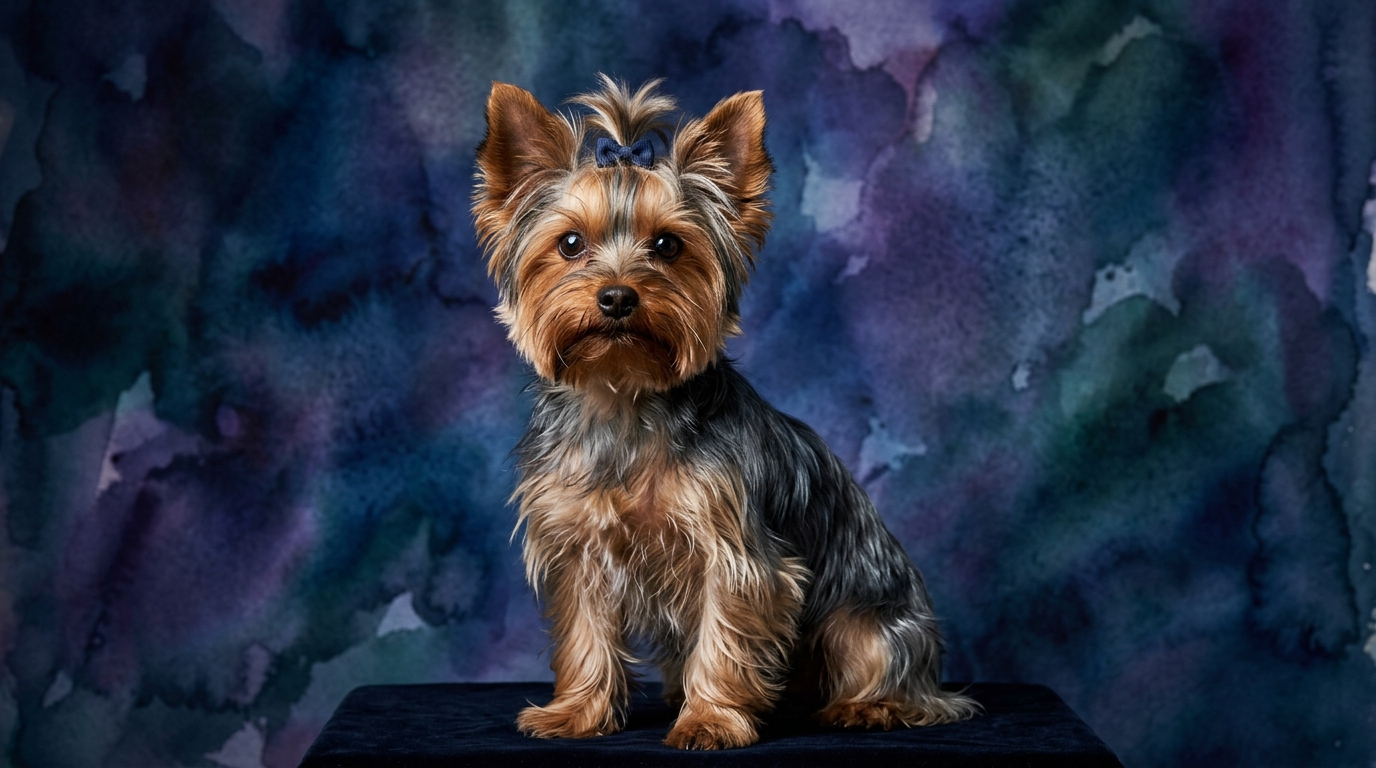
Yorkshire Terrier (Terrier Group, Coren Rank #27): As a member of the Terrier group, the Yorkie brings a distinctive cognitive flair. Their Problem Solving is rated 3/5, indicating an average capacity for independent thought in novel situations; they can figure out simple puzzles but might need guidance for complex ones. Training Speed is a commendable 4/5, meaning they grasp new commands and routines relatively quickly, often showing a keen interest in learning. Their Social Intelligence scores 4/5, suggesting a good understanding of human cues and emotions, enabling them to form strong, responsive bonds. Instinctive Drive is a solid 4/5, reflecting their terrier heritage with a pronounced prey drive and curiosity, leading to spirited engagement with their surroundings. Finally, their Memory is also 4/5, contributing to their training efficiency and ability to retain learned information over time.
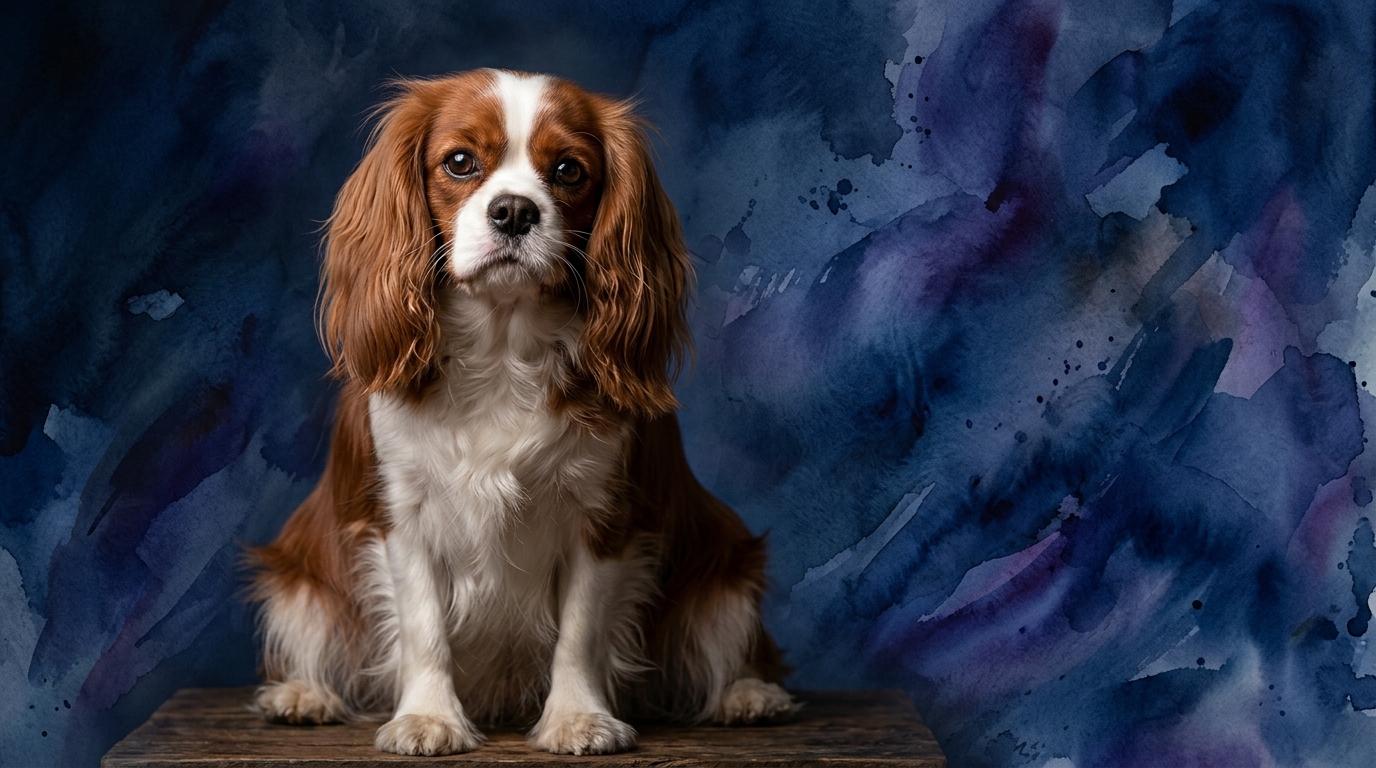
Cavalier King Charles Spaniel (Toy Group, Coren Rank #44): The Cavalier, a classic Toy breed, offers a different set of cognitive strengths. Their Problem Solving also stands at 3/5, similar to the Yorkie, meaning they are capable of understanding straightforward tasks but may not excel at intricate, abstract challenges. Training Speed is 3/5, indicating a moderate pace of learning; they require consistent, positive reinforcement to solidify new commands. Where they truly excel is Social Intelligence, scoring a perfect 5/5, demonstrating an exceptional ability to read human emotions, intentions, and body language, fostering profound empathetic connections. Their Instinctive Drive is 3/5, a moderate level that focuses more on companionship and comfort rather than intense independent exploration. Their Memory is also 3/5, sufficient for daily routines and consistent training, but perhaps not as robust for less frequently used information as breeds with higher scores.
Where Yorkshire Terrier Wins Cognitively
The Yorkshire Terrier's cognitive profile reveals several distinct advantages, particularly in areas that reflect their terrier heritage. Their 4/5 score in Training Speed means they typically grasp new commands and routines more rapidly than many breeds, including the Cavalier. This swift learning curve makes initial obedience training often feel more efficient, as they form associations between cues and actions with fewer repetitions. Furthermore, their 4/5 in Memory supports this, ensuring that once a lesson is learned, it tends to stick. This robust recall is invaluable for maintaining consistent behavior and commands over time, making them reliable in remembering boundaries or previously taught tricks.
Coupled with a 4/5 in Instinctive Drive, Yorkies approach tasks with a focused energy and persistence. This drive, rooted in their working terrier past, fuels their engagement in activities, allowing them to sustain attention on challenges that might bore a less driven dog, and often pushing through to find solutions or achieve goals. Their tenacity, while sometimes perceived as stubbornness, can be a significant cognitive asset when applied to problem-solving, learning complex sequences, or engaging in canine sports that require sustained effort.
Where Cavalier King Charles Spaniel Wins Cognitively
The Cavalier King Charles Spaniel's crowning cognitive achievement lies in its exceptional 5/5 Social Intelligence. This superior ability means they are profoundly attuned to human emotions, body language, and subtle cues, often anticipating their owner's needs or moods with remarkable sensitivity. They excel at forming deep, empathetic connections, making them extraordinarily responsive companions who seem to understand their human counterparts on an intuitive level. This high social intelligence translates into a unique willingness to cooperate and an eagerness to please, as they prioritize harmony and connection within their social unit.
While their Training Speed (3/5) is moderate, their strong desire to connect and understand their human's wishes often compensates, making them highly receptive to communication and gentle guidance. Their cognitive strengths are geared towards fostering profound relational bonds, making them masters of companionship and emotional support. They thrive in environments where their social acumen is valued, often becoming the emotional anchors of their families, offering comfort and understanding through their attentive presence.
Which is Easier to Train and Why
When evaluating ease of training, the Yorkshire Terrier generally holds an edge due to its higher Training Speed (4/5) and stronger Instinctive Drive (4/5). Yorkies typically pick up new commands more quickly, processing information and associating actions with rewards efficiently. Their inherent drive means they are often more motivated by tasks and challenges, approaching training sessions with a spirited engagement. However, their terrier independence and persistent nature can sometimes translate into a stubborn streak, requiring a firm yet fair approach to ensure consistency and prevent them from opting for their own agenda.
In contrast, the Cavalier King Charles Spaniel, with a Training Speed of 3/5, learns at a more moderate pace. They may require more repetitions to solidify commands and might not be as quick to generalize learned behaviors to new situations. Yet, their unparalleled Social Intelligence (5/5) and strong desire to please their owners make them incredibly willing students. While they might not be the quickest to learn, their deep bond and eagerness to cooperate mean they respond exceptionally well to positive reinforcement and gentle, consistent methods. Therefore, while the Yorkie might learn *faster*, the Cavalier's cooperative spirit can make the *experience* of training equally rewarding, albeit requiring more patience. The Yorkie's higher drive might make them better suited for agility or complex trick training if their independent nature is channeled effectively, whereas the Cavalier thrives on obedience and manners training that reinforces their bond with their human.
Which Suits Active Owners vs Relaxed Owners
For active owners seeking a canine companion to share in their energetic lifestyle, the Yorkshire Terrier often presents a more fitting choice. Their 4/5 Instinctive Drive fuels a lively curiosity and a need for mental and physical engagement. Yorkies thrive on regular walks, interactive play, and opportunities to explore, channeling their terrier vigor. They benefit from owners who can provide consistent mental stimulation through training, puzzle toys, and varied experiences, preventing boredom which can manifest as undesirable behaviors. Their quicker Training Speed and good Memory also mean they can be taught various activities and tricks, making them suitable for dog sports like agility or obedience trials, provided their independent streak is managed.
Conversely, for relaxed owners who appreciate a quieter, more cuddly companion, the Cavalier King Charles Spaniel is an ideal match. Their 3/5 Instinctive Drive means they are generally content with moderate exercise, such as leisurely strolls and indoor play, and are not typically driven by an intense need for constant activity. The Cavalier's extraordinary 5/5 Social Intelligence means their greatest joy comes from being close to their human companions, making them perfect lap dogs who are deeply satisfied by quiet companionship. They don't demand constant activity or complex mental challenges, preferring to soak up affection and be an integral, comforting presence in the home, adapting readily to a calm household rhythm.
The Verdict
Opt for the Yorkshire Terrier if you seek a spirited, quick-learning companion eager for engagement and consistent mental challenges, and are prepared for a dog with a strong, independent streak that thrives on purpose.
Choose the Cavalier King Charles Spaniel if your priority is an exceptionally empathetic, devoted companion whose greatest joy is close human connection, and you prefer a more relaxed pace of life filled with affection.
🧠 Find Your Pet's IQ Score
Our Pet IQ Lab assessment covers 25+ tests across 5 cognitive dimensions — personalized to your breed.
Take the Full IQ Test →Frequently Asked Questions
Are Yorkshire Terriers difficult to train due to their terrier nature?
While Yorkshire Terriers have a spirited, independent streak characteristic of terriers, their 4/5 training speed and good memory mean they are quite capable of learning quickly. Consistency, positive reinforcement, and channeling their instinctive drive into productive activities are key to successful training, overcoming any potential stubbornness.
Do Cavalier King Charles Spaniels require a lot of exercise?
Cavalier King Charles Spaniels have a moderate instinctive drive (3/5) and are generally content with moderate exercise. Daily walks and indoor play are usually sufficient to keep them happy and healthy, aligning well with owners who prefer a more relaxed lifestyle over intense physical activity.
Which breed is better for families with young children?
The Cavalier King Charles Spaniel's 5/5 social intelligence and gentle nature often make them an excellent fit for families with children, as they are typically patient and adaptable to family dynamics. Yorkshire Terriers can be good with older, respectful children, but their smaller size and spirited temperament might make them less tolerant of boisterous play from very young children.