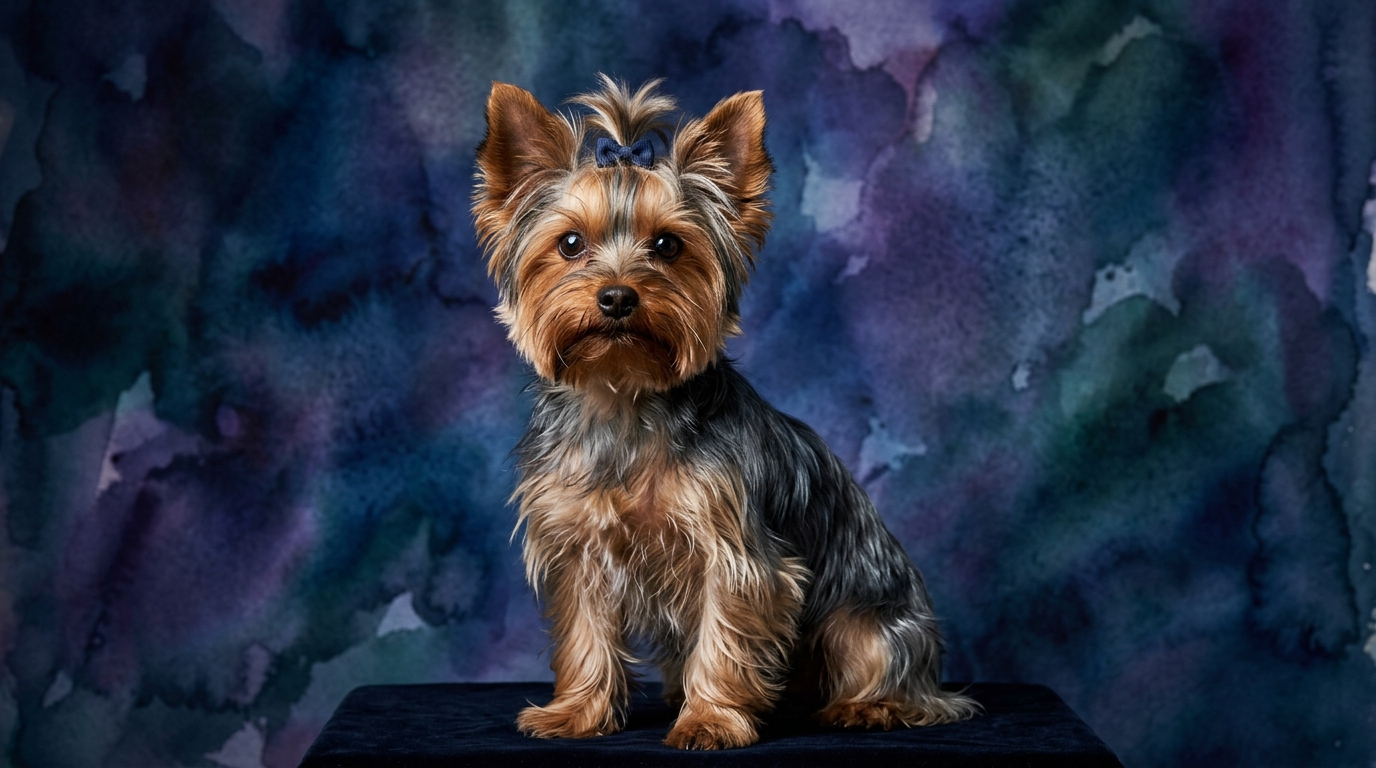
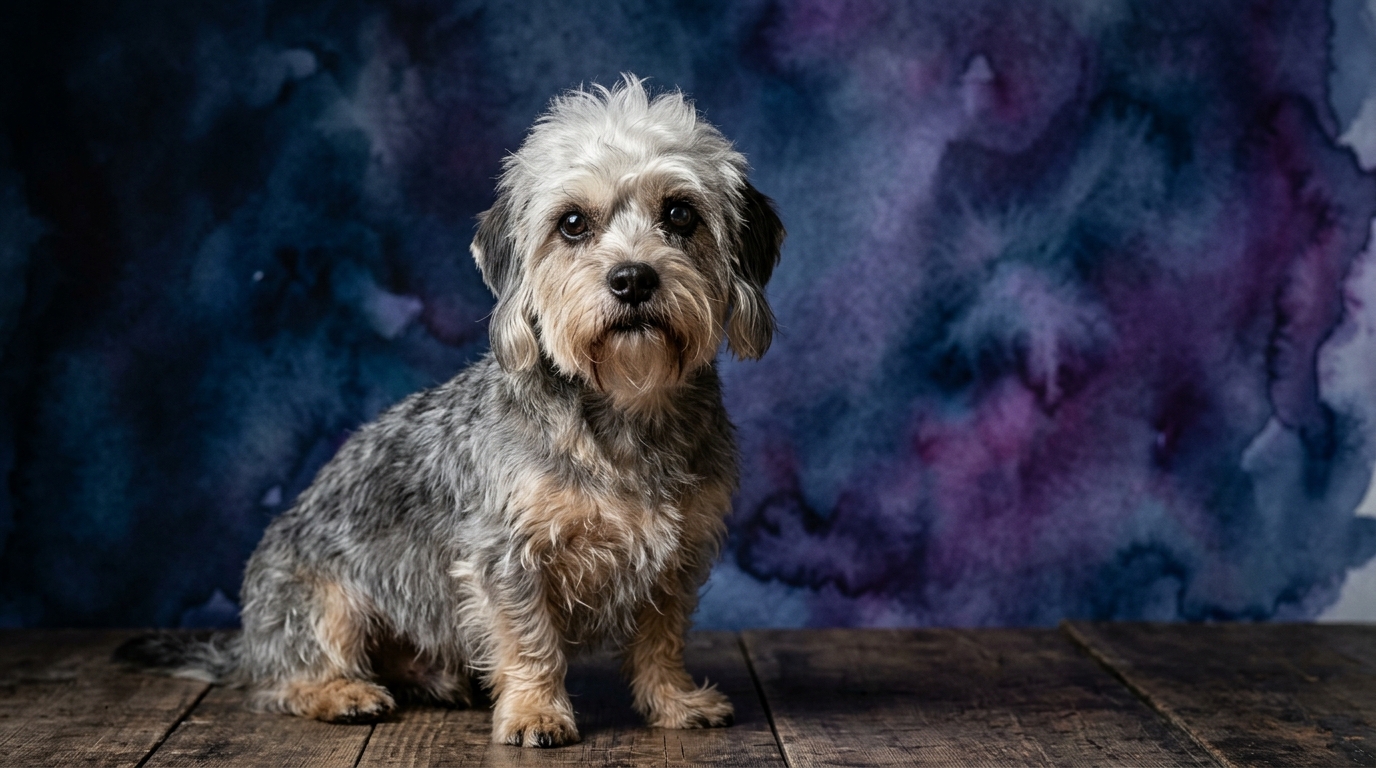
Side-by-Side IQ Profile: Yorkshire Terrier vs. Dandie Dinmont Terrier
The Yorkshire Terrier, a breed with a Coren ranking of #27, exhibits a well-rounded cognitive profile. Their problem-solving skills rate a solid 3 out of 5, indicating a capacity to navigate novel situations and figure out puzzles with moderate success. Where they truly shine is in their training speed, scoring an impressive 4 out of 5, suggesting a quick grasp of new commands and routines. Their social intelligence also stands at 4 out of 5, enabling them to read human cues effectively and form strong, nuanced bonds. An instinctive drive of 4 out of 5 points to a persistent, purposeful nature often seen in terriers, while their memory, also at 4 out of 5, allows them to retain learned behaviors and experiences over time.
In contrast, the Dandie Dinmont Terrier, currently unranked by Coren, presents a more uniform cognitive spread. Their problem-solving ability matches the Yorkie's at 3 out of 5, showing a similar capacity for independent thought in challenging scenarios. However, their training speed registers at 3 out of 5, implying they may require a bit more repetition and patience to master new skills compared to their Yorkshire counterpart. Social intelligence for the Dandie is also 3 out of 5, suggesting a more independent or perhaps less overtly expressive social demeanor. Their instinctive drive and memory both score 3 out of 5, indicating a moderate level of natural drive and recall, making them consistent but perhaps less intense than some other terrier breeds.
Where the Yorkshire Terrier Wins Cognitively
The Yorkshire Terrier demonstrates clear cognitive advantages across several key dimensions, primarily in its quicker acquisition of new behaviors. With a training speed of 4 out of 5, they tend to pick up commands and routines with greater alacrity, making early obedience training and learning complex tricks a more fluid process. This heightened responsiveness means fewer repetitions are typically needed for a Yorkie to solidify a new skill, rewarding owners with faster progress and a more adaptable companion. Their social intelligence, also rated 4 out of 5, allows them to finely tune into human emotions and intentions, fostering a deeply interactive and responsive relationship. This cognitive strength translates into a dog that often seems to 'understand' its owner's mood and desires, making them excellent companions for those who value close communication. Furthermore, the Yorkie's stronger instinctive drive (4/5) combined with superior memory (4/5) means they are more likely to retain complex sequences of actions and apply their inherent terrier tenacity to tasks, whether it’s scent work or navigating an agility course, with impressive consistency.
Where the Dandie Dinmont Terrier Wins Cognitively
While the Dandie Dinmont Terrier's cognitive scores are generally a step below the Yorkie's, these very differences can be interpreted as cognitive strengths for particular owners and environments. Their instinctive drive, rated at 3 out of 5 compared to the Yorkie's 4, means they possess a more moderate level of inherent prey drive and tenacity. For urban dwellers or those preferring a less intense pursuit of small critters, this can be a distinct advantage, resulting in fewer instances of bolting or persistent digging. This slightly lower drive translates into a dog that may be less relentlessly focused on external stimuli, potentially making them calmer in certain high-distraction environments. Moreover, their social intelligence, also at 3 out of 5, suggests a more self-contained or independent social disposition. While still affectionate, they might exhibit less overt 'neediness' or demand for constant interaction, which can be a 'win' for owners who appreciate a dog with a strong sense of self and contentment in their own company, without the same level of potential for separation-related distress often seen in highly socially intelligent breeds.
Which Is Easier to Train and Why
Based on their respective cognitive profiles, the Yorkshire Terrier generally presents as the easier breed to train. Their 4 out of 5 training speed score indicates a quicker absorption of new commands and a greater eagerness to perform learned behaviors. This agility in learning means that a Yorkie often requires fewer repetitions to grasp a new concept, making training sessions more efficient and potentially less frustrating for a novice owner. This is further amplified by their 4 out of 5 social intelligence, which allows them to more readily interpret human cues, body language, and vocal inflections, thereby streamlining the communication process during training. A Yorkie's superior memory (4/5) also plays a crucial role, ensuring that once a behavior is learned, it is retained more consistently over time, leading to greater reliability in their responses. In contrast, the Dandie Dinmont Terrier, with its 3 out of 5 scores across these dimensions, will likely demand more consistent effort and patience from its trainer. While certainly capable of learning, their training speed suggests a need for more systematic reinforcement and a slower progression through training stages. Their slightly lower social intelligence might mean a trainer needs to be more explicit and consistent in their cues, as the Dandie might not pick up on subtle hints as readily. This doesn't mean the Dandie is untrainable; rather, it highlights that their cognitive makeup requires a more dedicated, methodical approach, where successful training builds a strong, patient bond over time.
Suiting Active vs. Relaxed Owners
When considering lifestyle compatibility, the cognitive profiles of these two terriers suggest different ideal matches. The Yorkshire Terrier, with its higher instinctive drive (4/5) and quicker training speed (4/5), often thrives with active owners who enjoy engaging in various dog sports or consistent mental stimulation. Their robust social intelligence (4/5) means they enjoy being at the center of family life and participating in activities, whether it's agility, trick training, or extended walks. They are well-suited for owners who appreciate a dog that is always ready for action and eager to learn new things, often turning everyday interactions into opportunities for engagement. Their problem-solving ability (3/5) ensures they can handle novel situations on the go. Conversely, the Dandie Dinmont Terrier, with its more moderate instinctive drive (3/5) and slightly lower social intelligence (3/5), might be a better fit for more relaxed owners or those living in less expansive environments. While they still require regular exercise and mental engagement, their energy levels are often perceived as less intense than the Yorkie's. Their independence means they can be content with a cozy spot nearby, observing rather than constantly initiating interaction. They are excellent companions for individuals or families seeking a loyal, affectionate dog that is not overly demanding of constant high-energy activities, provided their basic needs for walks and companionship are met. Their problem-solving skills (3/5) are sufficient for daily life but they may not seek out complex challenges with the same zeal.
The Verdict
Opt for the Yorkshire Terrier if you seek a highly responsive, socially engaged companion eager to learn and participate actively in training or dog sports. Their quick wit and strong memory make them adaptable and engaging partners for dynamic households.
Choose the Dandie Dinmont Terrier if you appreciate a more independent, moderately driven companion who thrives on consistent, patient guidance and enjoys a slightly more relaxed pace of life. Their unique tenacity and self-contained nature make them devoted, charming additions to a calm home.
🧠 Find Your Pet's IQ Score
Our Pet IQ Lab assessment covers 25+ tests across 5 cognitive dimensions — personalized to your breed.
Take the Full IQ Test →Frequently Asked Questions
Are Yorkshire Terriers and Dandie Dinmont Terriers good with children?
Yorkshire Terriers, with their higher social intelligence, can be good with older, respectful children who understand how to interact gently with small dogs. Dandie Dinmont Terriers, while affectionate, may prefer a calmer environment and might be better suited for families with older children or no children, due to their slightly more independent nature.
Do Dandie Dinmont Terriers have a strong prey drive?
Dandie Dinmont Terriers possess an instinctive drive rated at 3 out of 5, which is moderate compared to many terrier breeds. While they retain their heritage as hunters, their drive is generally less intense than some other terriers, making them potentially more manageable around small pets or in environments with wildlife, though supervision is always recommended.
How much mental stimulation do these breeds need daily?
The Yorkshire Terrier, with its higher training speed and social intelligence, benefits from daily mental challenges like puzzle toys, trick training, or interactive games to prevent boredom. The Dandie Dinmont Terrier, while also needing mental engagement, might be content with consistent training sessions and exploratory walks, rather than constant high-intensity mental tasks, due to its slightly lower overall cognitive intensity.