Side-by-Side Cognitive Profiles
At first glance, the Coren ranks for these two breeds are remarkably close, with the Yorkshire Terrier at #27 and the German Wirehaired Pointer at #28. However, a deeper dive into their specific cognitive dimensions from The Cosmic Pet Pet IQ Lab reveals distinct strengths that shape their behavior and suitability for various roles.
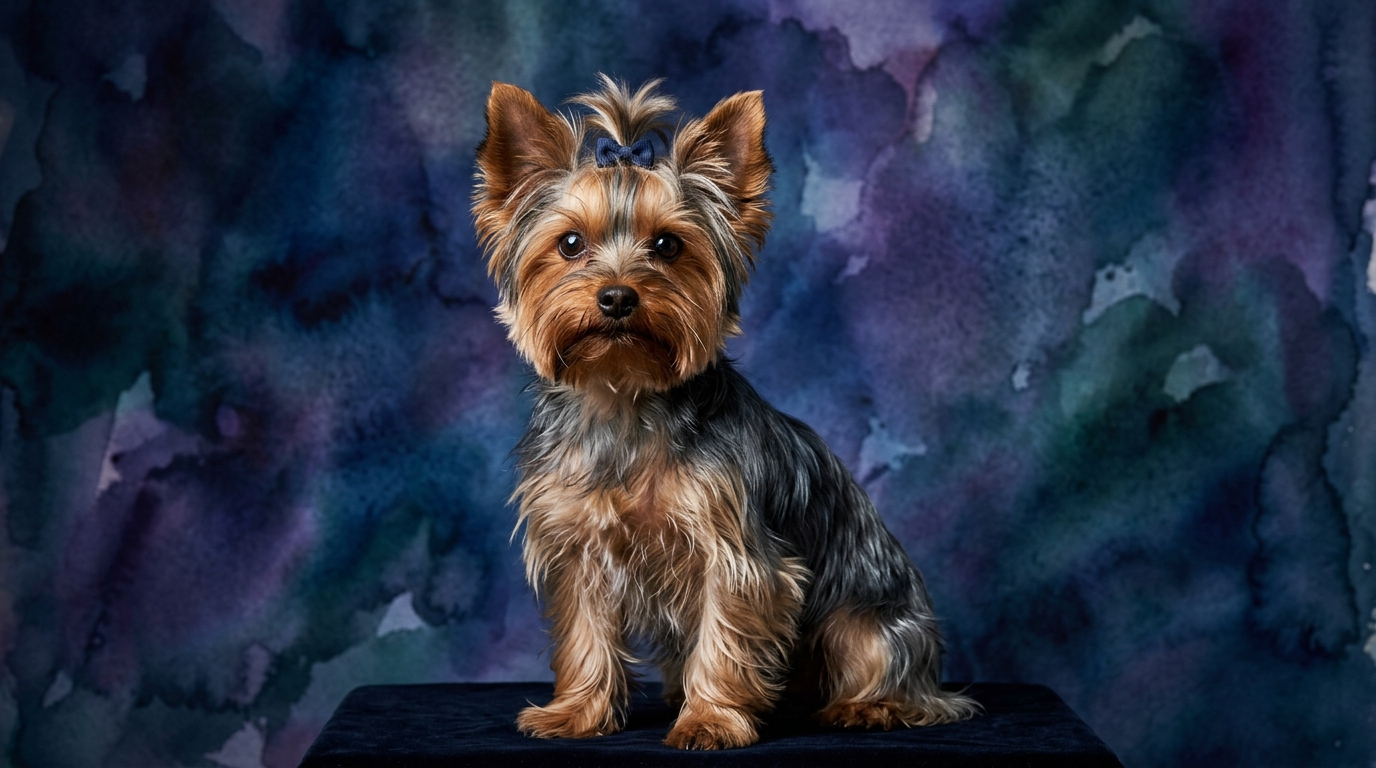
The Yorkshire Terrier's profile includes Problem Solving at 3/5, Training Speed at 4/5, Social Intelligence at 4/5, Instinctive Drive at 4/5, and Memory at 4/5. This suggests a dog that is adept at learning and highly attuned to its social environment, with a persistent, spirited nature.
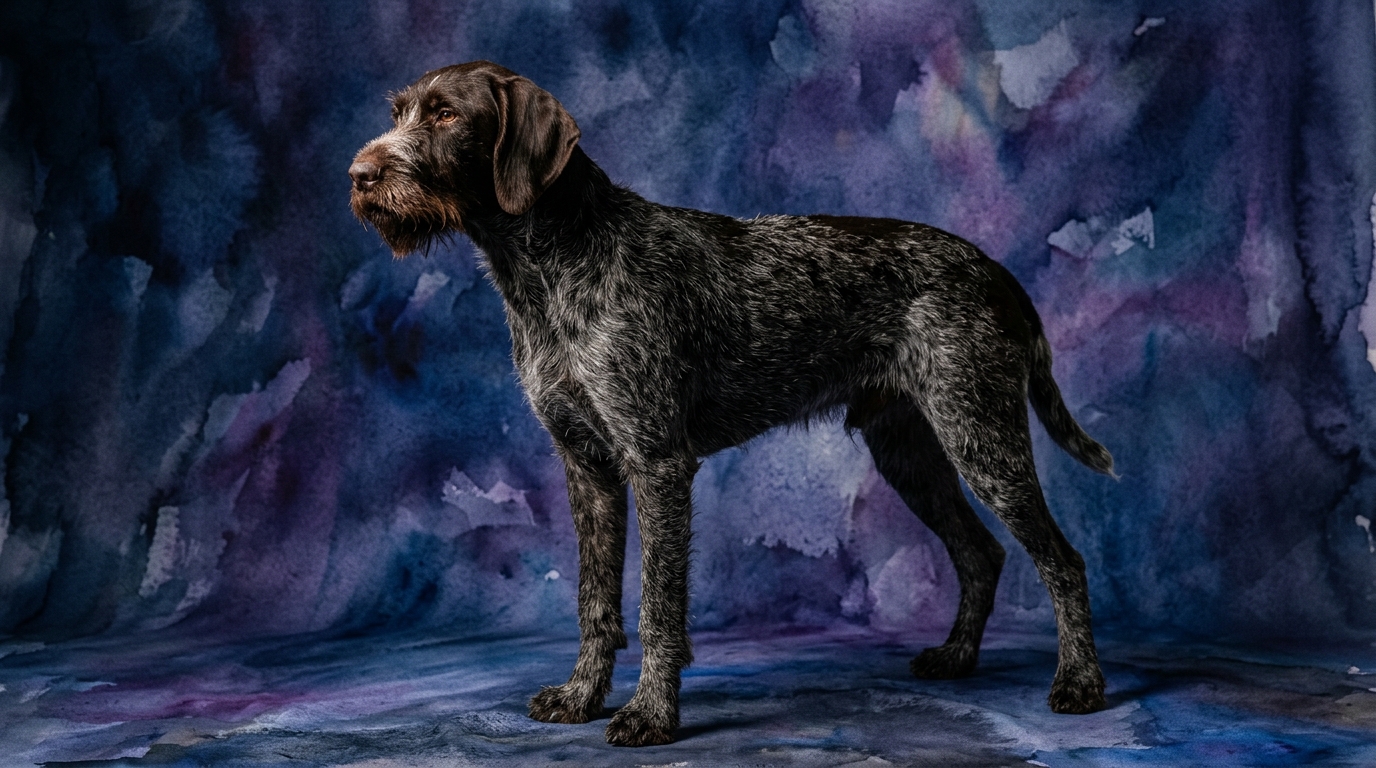
In contrast, the German Wirehaired Pointer scores Problem Solving at 4/5, Training Speed at 4/5, Social Intelligence at 3/5, Instinctive Drive at 3/5, and Memory at 4/5. This paints a picture of a more independently-minded problem-solver, equally quick to learn, but perhaps less socially nuanced and with a more moderate expression of its natural drives compared to the Yorkie’s tenacious spirit.
Where the Yorkshire Terrier Excels Cognitively
The Yorkshire Terrier shines particularly in its social intelligence and instinctive drive. With a 4/5 in Social Intelligence, Yorkies demonstrate a superior ability to read and respond to human emotions and social dynamics. This means they are often more perceptive of their owner's mood shifts, adapting their behavior to offer comfort or solicit attention, making them exceptionally empathetic companions. Their keen awareness allows them to integrate smoothly into family routines, often anticipating needs and reacting sensitively to household atmospheres.
Their 4/5 in Instinctive Drive, though different from a large hunting breed, showcases a tenacious and alert disposition. This drive manifests as a keen awareness of their surroundings, a persistent curiosity, and a spirited approach to play and exploration. They might engage in focused 'hunting' of small toys, patrol their territory with determined vigilance, or demonstrate remarkable persistence in getting what they want. While their problem-solving score is slightly lower than the GWP, their strong social cognition often allows them to 'solve' social problems by engaging their human companions effectively, using their charm and perception to achieve their goals.
Where the German Wirehaired Pointer Excels Cognitively
The German Wirehaired Pointer holds a distinct cognitive advantage in problem-solving, scoring a 4/5 compared to the Yorkie's 3/5. This indicates a greater aptitude for independent reasoning and devising novel strategies to overcome challenges, particularly those encountered in a working or outdoor environment. A GWP is more likely to assess a situation, such as figuring out how to retrieve a toy from a difficult spot or navigating complex terrain, and formulate a solution without direct human intervention or repeated guidance. Their mental agility allows them to process environmental cues and adapt their approach dynamically.
Their solid memory, also a 4/5, complements this problem-solving ability, allowing them to recall successful strategies and apply them to new, similar situations. This cognitive strength makes them adept at tasks requiring initiative and adaptable thinking, such as complex scent work, navigating varied landscapes during a hunt, or mastering intricate obedience sequences. They are built for purposeful activity where independent thought and application of learned skills are paramount, showcasing a robust and adaptable intellect suited for challenging endeavors.
Training Dynamics: Yorkie vs. GWP
Both the Yorkshire Terrier and the German Wirehaired Pointer score an impressive 4/5 in Training Speed, suggesting they grasp new commands and routines quickly. However, the *ease* of training can differ based on their other cognitive profiles and innate drives. The Yorkie's high Social Intelligence (4/5) and strong Instinctive Drive (4/5) make them highly responsive to training that leverages their bond with their owner and their natural desire for engagement and attention. They are often eager to please and thrive on positive reinforcement and consistent interaction, making them generally compliant in structured training sessions. Their tenacious terrier spirit means they can sometimes be stubborn, but their quick learning speed usually overcomes this with patient, rewarding methods, as they value the social connection and feedback.
The GWP, also with a 4/5 Training Speed, learns commands rapidly, especially when tasks align with their natural pointing and retrieving instincts. Their higher Problem Solving (4/5) means they can understand the 'why' behind a command more readily and apply it in varied contexts, making them excellent at generalizing learned behaviors. However, their slightly lower Social Intelligence (3/5) compared to the Yorkie means they might not be as motivated purely by social praise or subtle human cues. Instead, they often respond best to training that is task-oriented, provides clear objectives, and allows them to utilize their physical and mental energy. Their instinctive drive, while present, is rated 3/5, meaning it can be channeled effectively, but might not always be the primary motivator in the same way a Yorkie's social bond is. Therefore, while both learn quickly, the Yorkie might be perceived as "easier" for an owner seeking a highly biddable companion responsive to subtle social cues, whereas the GWP might require a trainer who understands how to harness their independent problem-solving and working drives with clear, consistent direction.
Matching Breeds to Lifestyles: Active vs. Relaxed Owners
For active owners, the German Wirehaired Pointer is a clear match. Their superior problem-solving ability and inherent drive, even at a 3/5, mean they excel in activities requiring both physical exertion and mental engagement, such as hunting, agility, or extensive hiking. They possess the stamina and the cognitive capacity to thrive in environments where they are challenged to think independently and make decisions, whether tracking a scent, navigating rugged terrain, or solving complex scent puzzles. A GWP requires consistent mental stimulation and vigorous physical exercise to prevent boredom and channel their considerable energy effectively, making them ideal for individuals or families who embrace an outdoor, active lifestyle.
Conversely, the Yorkshire Terrier, with its high social intelligence and strong, though physically less demanding, instinctive drive, is often better suited for relaxed owners who value companionship and consistent interaction. While they are energetic and enjoy play, their exercise needs are typically met with shorter walks and indoor games. Their cognitive strengths make them excellent companions in a home setting, where their perceptiveness and memory allow them to integrate seamlessly into daily routines and respond to social cues. They thrive on close human connection and mental engagement through interactive play, learning new tricks, or simply being involved in household activities, rather than extensive outdoor work. Their adaptability to apartment living and lower physical demands make them a good fit for those seeking a devoted, perceptive companion without the need for intense physical outlets.
The Verdict
Choose a Yorkshire Terrier if you prioritize a highly socially perceptive companion who thrives on close interaction and consistent engagement, and you appreciate a tenacious spirit in a smaller, adaptable package.
Choose a German Wirehaired Pointer if you seek a robust, independent problem-solver for active pursuits and working tasks, valuing a dog that can think for itself in challenging environments and requires significant physical and mental exercise.
🧠 Find Your Pet's IQ Score
Our Pet IQ Lab assessment covers 25+ tests across 5 cognitive dimensions — personalized to your breed.
Take the Full IQ Test →Frequently Asked Questions
Do Yorkshire Terriers get along with other pets?
Yorkshire Terriers' high social intelligence means they can often adapt well to living with other pets, especially if introduced thoughtfully and with positive experiences. Their strong instinctive drive, however, might lead them to chase smaller animals if not properly socialized or managed from an early age.
How much exercise does a German Wirehaired Pointer need daily?
German Wirehaired Pointers typically require significant daily exercise, often an hour or more of vigorous activity, to satisfy their physical and mental needs. This could include running, hiking, swimming, or engaging in scent work to leverage their problem-solving abilities and prevent boredom.
Are Yorkshire Terriers difficult to train due to their terrier nature?
While Yorkshire Terriers possess a persistent terrier spirit, their excellent training speed and high social intelligence generally make them responsive to consistent, positive reinforcement training. Their desire to engage with their owner often outweighs any potential stubbornness, making them capable learners.