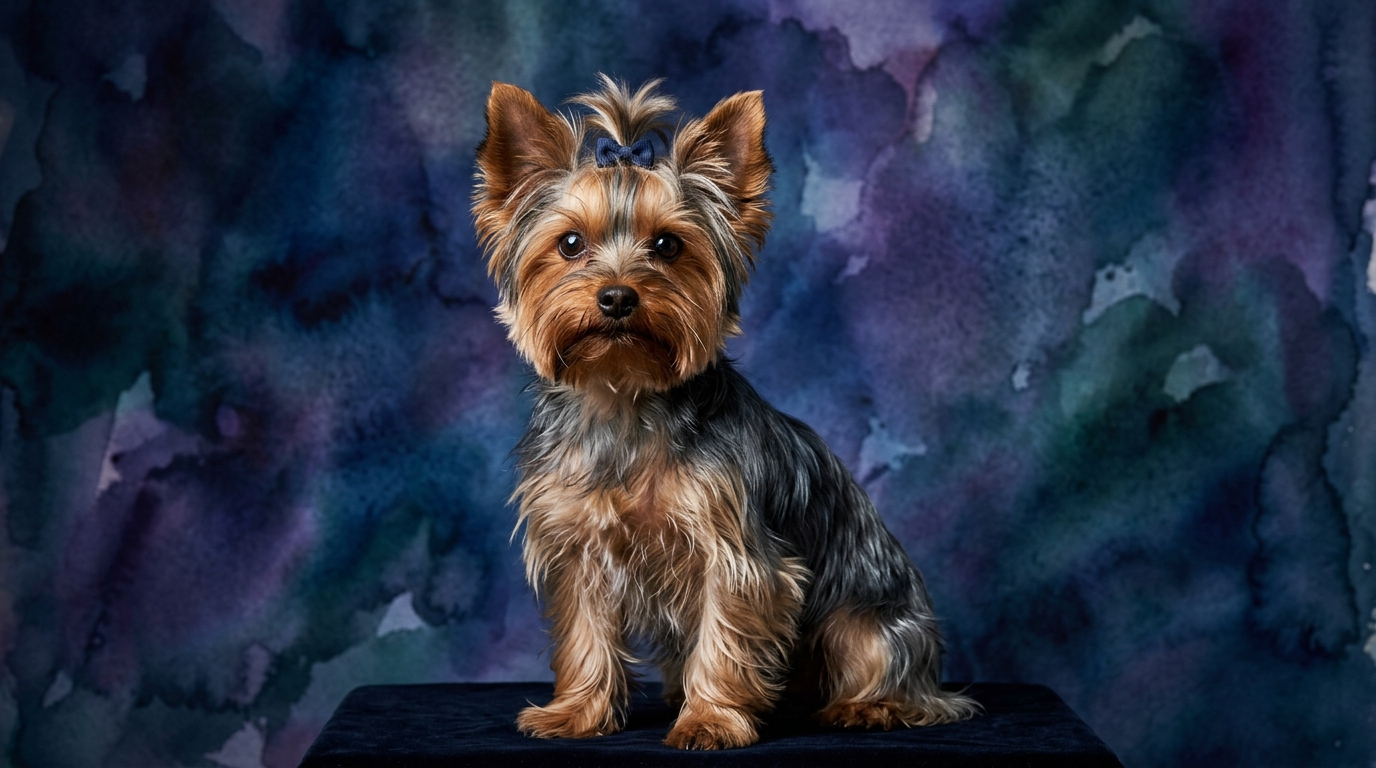
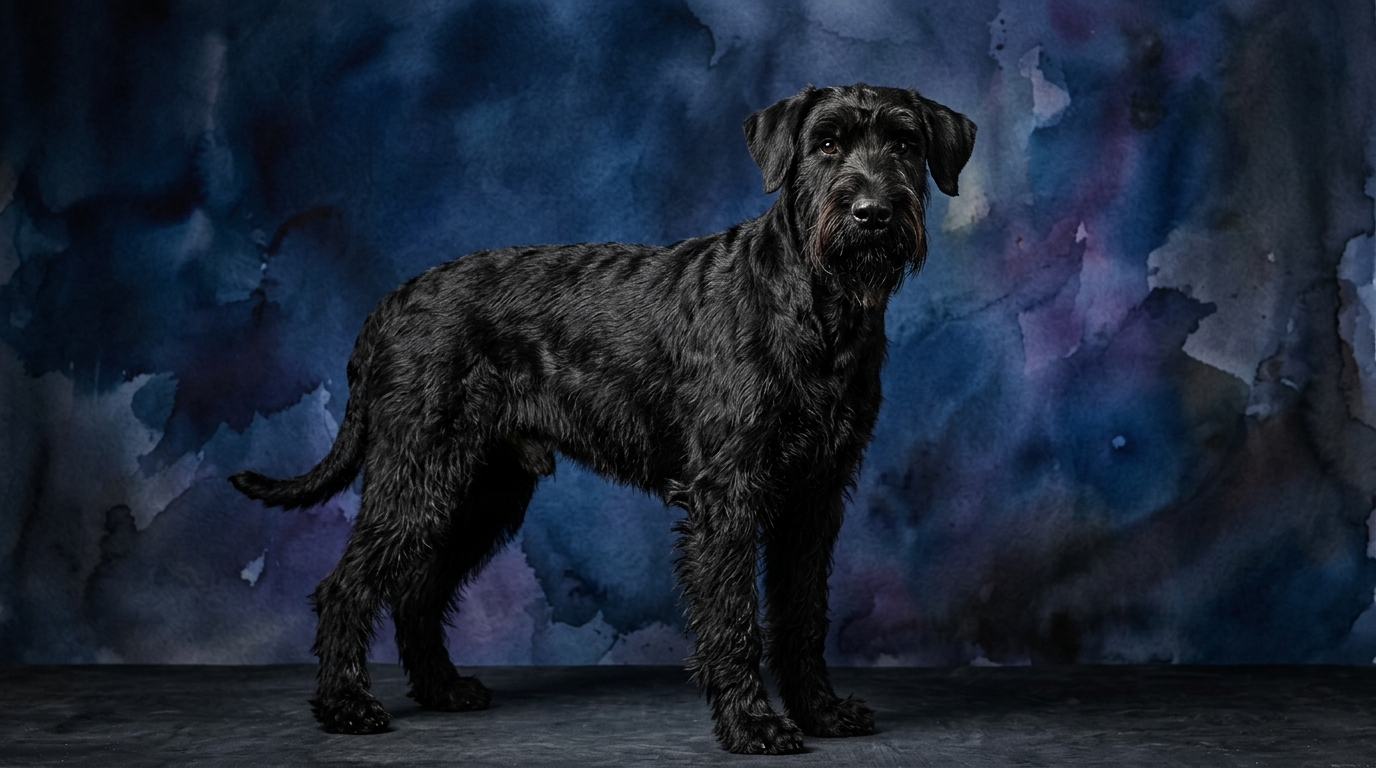
Side-by-Side Cognitive Profiles: Yorkie vs. Giant Schnauzer
The Cosmic Pet Pet IQ Lab's assessment provides a granular view of each breed's cognitive architecture, moving beyond generalized notions of 'smartness.' For the Yorkshire Terrier, ranked #27, we observe a Problem Solving score of 3/5, indicating an adeptness at navigating their immediate environment and figuring out practical solutions to daily challenges, though perhaps less inclined towards complex, abstract puzzles. Their Training Speed stands at a commendable 4/5, suggesting a quick grasp of new commands and routines, often eager to engage with their human companions in learning. Social Intelligence, also at 4/5, highlights their keen perception of human emotional states and social cues, fostering strong bonds and responsive interactions. An Instinctive Drive of 4/5 reflects their terrier heritage, manifesting in focused determination, vocal alerts, and an active pursuit of small 'prey' or toys. Finally, their Memory rating of 4/5 ensures they retain learned behaviors and experiences effectively, building a robust understanding of their world.
The Giant Schnauzer, positioned at #28, presents a slightly different cognitive emphasis. Their Problem Solving capability is rated higher at 4/5, indicative of a strategic mind capable of assessing situations and devising solutions, often exhibiting a thoughtful approach to obstacles. Matching the Yorkie, their Training Speed is 4/5, demonstrating a capacity for rapid learning, especially when engaged with purposeful tasks. However, their Social Intelligence is rated 3/5; while they form profound bonds with their families, they can be more reserved or discerning with strangers, prioritizing a strong, focused relationship over universal gregariousness. An Instinctive Drive of 3/5 points to a history rooted in guarding and herding, resulting in a protective nature and a drive for meaningful work, rather than the intense prey focus of a terrier. Like the Yorkie, their Memory is strong at 4/5, allowing them to recall intricate commands and retain complex sequences over time, crucial for their working roles.
Where the Yorkshire Terrier Excels Cognitively
The Yorkshire Terrier's cognitive strengths shine particularly in areas demanding acute social awareness and tenacious drive within a compact form. Their superior Social Intelligence (4/5) allows them to pick up on subtle human cues, emotional shifts, and household routines with remarkable precision. This makes them highly responsive companions, often appearing to anticipate their owner's wishes or moods, fostering a deeply empathetic connection. This social acumen, combined with their quick Training Speed, means they often excel at learning complex social behaviors and 'tricks' that involve interacting with people.
Furthermore, their robust Instinctive Drive (4/5) is a significant cognitive asset for their size. This isn't just about chasing; it's about a persistent focus and problem-solving through determination. Whether it's meticulously investigating a perceived anomaly in the house, or tirelessly engaging with a puzzle toy, their terrier spirit fuels a focused mental energy. This drive, channeled appropriately, allows them to master tasks requiring persistence and a certain 'never-give-up' attitude, making them formidable competitors in activities like agility or earthdog trials that play to their natural inclinations.
Where the Giant Schnauzer Exhibits Cognitive Superiority
The Giant Schnauzer's cognitive edge is most apparent in their superior Problem Solving abilities (4/5). This breed approaches challenges with a more methodical and strategic mindset. They are less likely to rely solely on instinct or trial-and-error, instead often pausing to assess a situation before acting. This translates into a capacity for more complex task-oriented learning, excelling in roles that require independent thought, decision-making under varying circumstances, and adaptability to new environments, such as protection work, search and rescue, or advanced obedience.
While their Training Speed matches the Yorkie's, the nature of their learning is often geared towards more sophisticated and prolonged sequences, supported by their strong Memory (4/5). They are capable of retaining intricate multi-step commands and applying them reliably, even after long periods. Their slightly lower Instinctive Drive (3/5) compared to the Yorkie, while still present, manifests differently; it's less about chasing small vermin and more about purposeful guarding, territorial awareness, and a drive to fulfill a 'job' alongside their human. This focused, less scattershot drive allows for sustained concentration on demanding cognitive tasks.
Training Dynamics: Which Breed Learns with Greater Ease?
Both the Yorkshire Terrier and the Giant Schnauzer share an impressive Training Speed rating of 4/5, indicating that neither breed is inherently slow to grasp new commands. However, the *application* of this speed, and the overall ease of training, varies significantly due to their other cognitive dimensions and inherent temperaments. Yorkshire Terriers, with their higher Social Intelligence and desire to engage, often pick up basic commands and house rules quickly, especially when positive reinforcement and social interaction are central to the training. Their smaller stature also means that managing them physically during training is often less demanding. However, their strong terrier Instinctive Drive can sometimes manifest as stubbornness or a single-minded pursuit of something more interesting, requiring consistent, engaging, and patient handling to maintain focus.
Giant Schnauzers, while also quick to learn, often require a different approach. Their Problem Solving acumen means they can be thoughtful and sometimes independent, needing a confident, consistent leader who can provide clear direction and purpose. Their lower Social Intelligence means they might not be as universally eager to please as a Yorkie, and their motivation often stems from the intrinsic reward of performing a task or bonding with their primary handler. Early and consistent socialization is crucial for Giant Schnauzers to channel their protective instincts positively. While both breeds learn quickly, the Yorkie might be perceived as 'easier' for a novice due to their smaller size and overt social responsiveness, whereas the Giant Schnauzer demands a more experienced handler capable of harnessing their considerable mental and physical capabilities.
Matching Canine Cognition to Owner Lifestyles
The distinct cognitive profiles of the Yorkshire Terrier and Giant Schnauzer naturally align with different owner lifestyles and expectations. For relaxed owners, or those living in smaller spaces, the Yorkshire Terrier often presents a more suitable companion. While they possess significant energy and a robust personality, their exercise needs can be met with indoor play, short walks, and mental games that engage their keen social intelligence and instinctive drive for 'work' within the home. They thrive on close companionship and are generally adaptable to various living arrangements, provided their needs for interaction and mental stimulation are met. Owners who appreciate a spirited, attentive, and socially astute companion will find a deep connection with a Yorkie, provided they are prepared to manage the breed's confident vocalizations and tenacious personality.
Conversely, the Giant Schnauzer is a match for active owners who relish engaging in structured activities and have ample space and time for a demanding companion. Their higher Problem Solving ability and working breed heritage mean they thrive on purpose-driven activities, needing consistent physical exercise and robust mental challenges to prevent boredom and channel their energy constructively. Owners interested in dog sports like obedience, agility, protection work, or even just long, purposeful hikes will find the Giant Schnauzer a willing and capable partner. They require a confident, experienced owner who can provide consistent leadership and training, fostering their inherent protectiveness into a loyal, steadfast companionship rather than an unchecked guarding instinct. They are not a breed for the casual owner seeking a low-maintenance pet, but rather for those ready to embrace a committed, active partnership.
The Verdict
Choose the Yorkshire Terrier if you seek a socially perceptive, tenacious companion who thrives on close interaction and can adapt to varied living situations, provided their strong personality and vocal nature are understood.
Opt for the Giant Schnauzer if you are an experienced, active owner seeking a strategic problem-solver and dedicated working companion, prepared to provide consistent training, ample exercise, and mental stimulation for a robust, protective partner.
🧠 Find Your Pet's IQ Score
Our Pet IQ Lab assessment covers 25+ tests across 5 cognitive dimensions — personalized to your breed.
Take the Full IQ Test →Frequently Asked Questions
Do Yorkshire Terriers require a lot of mental stimulation?
Yes, despite their small size, Yorkshire Terriers possess a high instinctive drive and keen social intelligence. They benefit greatly from interactive toys, puzzle feeders, and consistent training sessions that engage their problem-solving skills and desire for interaction, preventing boredom and channeling their energy positively.
Are Giant Schnauzers good for first-time dog owners?
Giant Schnauzers are generally not recommended for first-time dog owners due to their strong working drive, higher problem-solving capacity, and need for consistent, confident leadership. They thrive with experienced owners who can provide the necessary training, socialization, and mental engagement to manage their powerful physical and cognitive attributes effectively.
How do the memory capabilities of these two breeds compare?
Both the Yorkshire Terrier and the Giant Schnauzer are rated 4/5 for memory, indicating excellent retention of learned behaviors and experiences. While both breeds remember well, the Giant Schnauzer's memory is often applied to more complex, multi-step tasks inherent in their working roles, whereas the Yorkie's strong memory supports their quick learning of social cues and routines.