Side-by-Side Cognitive Profiles: Yorkshire Terrier vs. Harrier
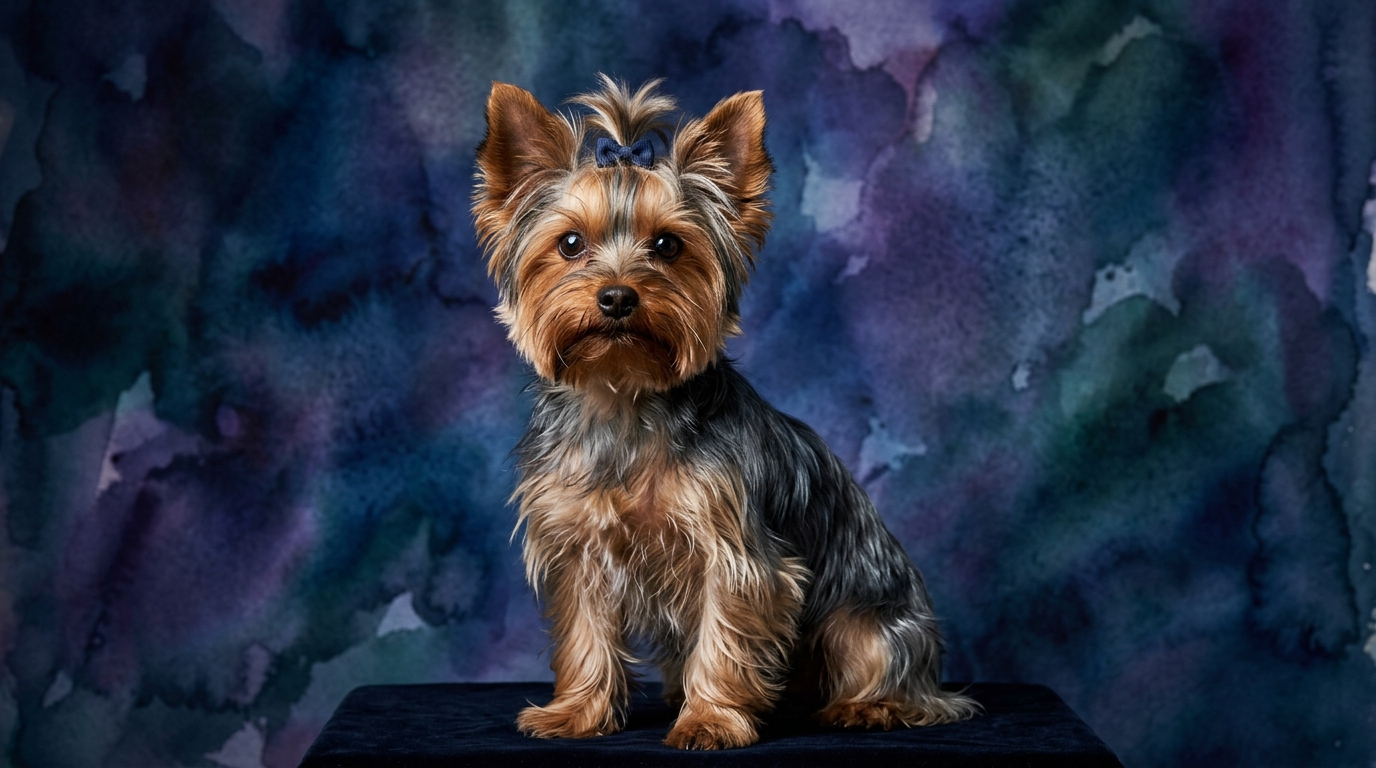
At The Cosmic Pet Pet IQ Lab, we dissect canine intelligence into five core dimensions, providing a granular view of how different breeds process and interact with their world. For the Yorkshire Terrier, a breed with a notable Coren rank of #27, we observe a distinct set of cognitive strengths. Their Problem Solving is rated 3/5, indicating a resourceful nature, often finding clever solutions to everyday challenges, such as manipulating objects to reach a desired item. The Yorkshire Terrier truly shines in Training Speed, scoring 4/5, reflecting their quick grasp of new commands and eagerness to engage in learning activities. Their Social Intelligence also rates highly at 4/5, demonstrating a keen perception of human emotions and social dynamics, fostering deep, communicative bonds. The breed's Instinctive Drive, a robust 4/5, manifests as a tenacious terrier spirit, showing determination in various pursuits, whether it's chasing a toy or exploring their environment. Finally, their Memory is strong at 4/5, ensuring they retain learned behaviors and past experiences with impressive recall.
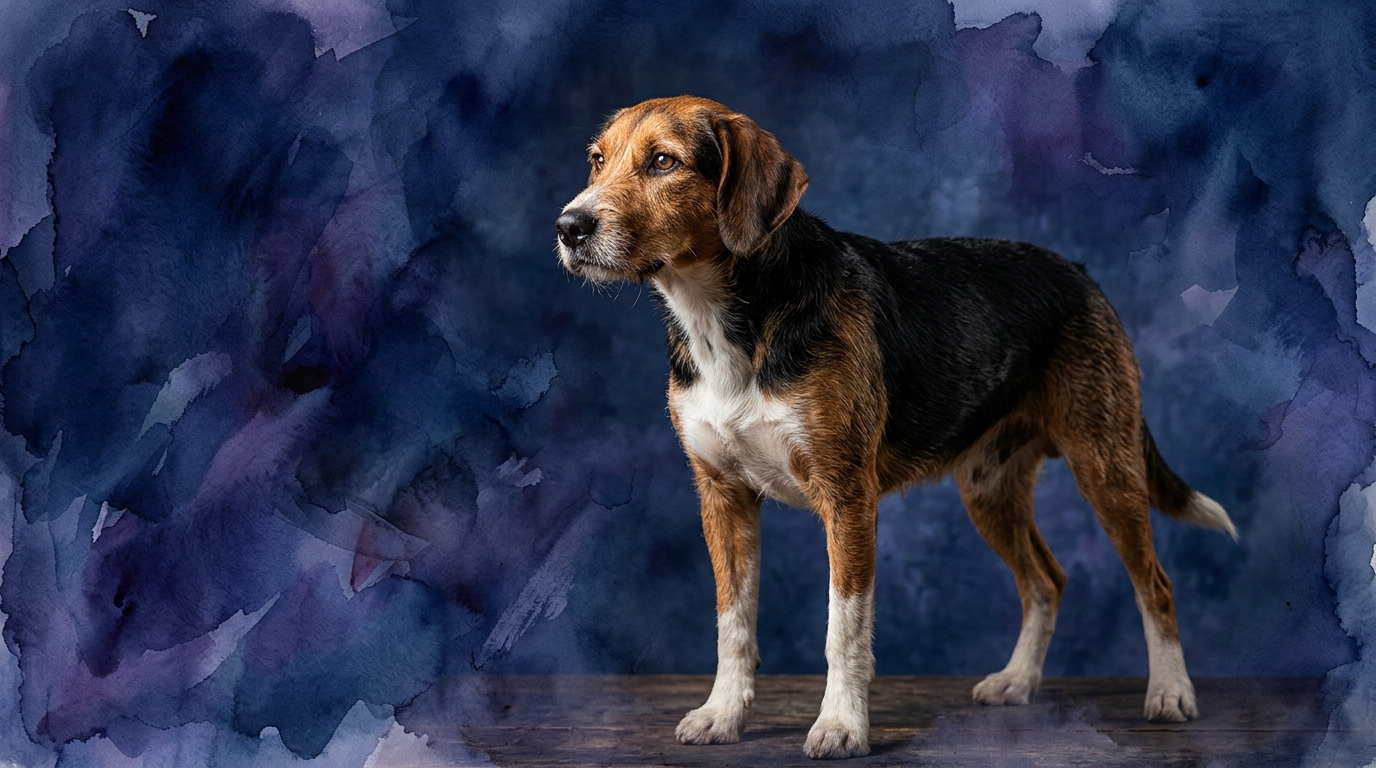
The Harrier, a breed not specifically ranked by Coren for traditional obedience intelligence, presents a different cognitive landscape shaped by its heritage as a scent hound. Their Problem Solving capacity, also rated 3/5, is often specialized, excelling in challenges related to their primary function, such as deciphering complex scent trails, but perhaps less broadly applied to novel domestic puzzles. In Training Speed, the Harrier scores 3/5, indicating they can learn commands, but their independent nature and powerful instinctive focus may require more consistent, engaging methods to maintain attention and solidify new behaviors. Their Social Intelligence, at 3/5, reflects a generally amiable disposition towards humans and a strong understanding of pack dynamics, though they might interpret subtle human emotional shifts with less nuance than a more companion-focused breed. The Harrier's Instinctive Drive, rated 3/5, is profoundly rooted in their olfactory capabilities, leading to an almost singular focus when on a scent, a drive that can be incredibly persistent but also challenging to redirect. Their Memory, at 3/5, is reliable for routines and scent-related information, yet less abstract commands or infrequent lessons might require more frequent reinforcement.
Where the Yorkshire Terrier Cognitively Excels
The Yorkshire Terrier demonstrates clear cognitive advantages in several key areas, particularly those that align with companion animal roles. Their superior Training Speed (4/5 versus Harrier's 3/5) means they typically acquire new commands and behaviors much faster. This isn't just about obedience; it reflects a higher capacity for associative learning and a strong desire to engage with their human companions in structured activities. This translates into a more responsive and adaptable pet that can pick up new tricks or adjust to household rules with greater ease.
Furthermore, the Yorkshire Terrier's higher Social Intelligence (4/5 versus Harrier's 3/5) allows them to be far more attuned to human emotional states and subtle cues. They often anticipate their owner's moods and react accordingly, offering comfort or seeking play based on nuanced observations. This deep empathetic connection fosters a particularly strong bond, making them excellent communicators within a family unit. Their Memory (4/5 versus Harrier's 3/5) also gives them an edge, as they retain learned information and past experiences with greater clarity, requiring less frequent refreshers for commands and routines. This robust memory contributes significantly to their overall trainability and reliability in diverse situations. Lastly, while both breeds have strong drives, the Yorkie's Instinctive Drive (4/5) is a tenacious persistence that, while rooted in terrier instincts, is often more broadly adaptable to various tasks and can be channeled into agility, trick training, or other mentally stimulating games, making it a versatile cognitive asset.
Where the Harrier Cognitively Shines
While the Yorkshire Terrier excels in areas of human-centric companionship, the Harrier possesses specialized cognitive strengths that are deeply ingrained in their historical purpose. Despite both breeds scoring 3/5 in Problem Solving, the Harrier's prowess lies in highly complex scent discrimination and tracking. Their ability to follow a faint trail over varying terrains and through distracting environments represents a sophisticated form of problem-solving that few breeds can match. This isn't about solving a puzzle box, but rather an intricate, multi-sensory cognitive process of interpreting environmental data.
The Harrier's Instinctive Drive, while rated 3/5, is a force of nature when it comes to olfactory pursuits. This drive manifests as an extraordinary focus and persistence on a scent trail, often to the exclusion of all else. This singular dedication, although sometimes challenging for owners seeking general obedience, is a testament to a highly specialized cognitive capacity for sustained attention and goal-directed behavior within their domain. Furthermore, while their social intelligence with humans is rated 3/5, their intelligence within a pack structure is exceptional. Harriers historically worked in groups, requiring sophisticated communication, role understanding, and cooperation with other hounds and hunters. This form of social cognition, centered around canine pack dynamics and collaborative effort, is a distinct advantage that underpins their effectiveness as working dogs, even if it differs from the human-attuned social intelligence of a companion breed. Their physical and mental endurance to sustain cognitive tasks during prolonged activity is also a unique strength.
Trainability: Yorkshire Terrier vs. Harrier
When considering ease of training, the Yorkshire Terrier generally presents a more straightforward path for most owners. Their higher Training Speed (4/5) means they absorb new commands quickly, often with fewer repetitions than a Harrier. This is coupled with their superior Social Intelligence (4/5), which makes them highly responsive to verbal cues, body language, and emotional feedback from their handler. They genuinely enjoy the interactive process of learning and performing for their owners, and their excellent Memory (4/5) ensures that lessons stick, requiring less frequent refreshing over time. While they possess a strong terrier drive (4/5), which can manifest as stubbornness if not channeled, this drive can also be harnessed for enthusiastic participation in training and activities, making positive reinforcement highly effective.
The Harrier, by contrast, can be more challenging for conventional obedience training due to their specialized cognitive makeup. Their lower Training Speed (3/5) and Memory (3/5) mean that new commands may take longer to solidify and might require more consistent reinforcement. The dominant factor, however, is their powerful Instinctive Drive (3/5) for scent work. When a Harrier's nose is engaged, human commands often become secondary. This means training must be exceptionally engaging, highly rewarding, and often conducted in low-distraction environments initially. Owners need immense patience and creativity to make training more compelling than the myriad scents of the world. Their independence, a hallmark of many hound breeds, means they are less inherently driven to 'please' in the human sense and more inclined to follow their own powerful instincts. While they are intelligent, their intelligence is geared towards a different purpose, requiring an owner to understand and work with, rather than against, their innate hound nature.
Suitability for Active vs. Relaxed Owners
The choice between a Yorkshire Terrier and a Harrier also hinges significantly on an owner's lifestyle and activity level. For active owners, both breeds can find a place, though their needs differ. The Harrier is an ideal companion for owners who lead a genuinely energetic, outdoor-oriented life. Their robust build, remarkable stamina, and profound scent drive demand extensive physical exercise and mental engagement centered around their hound instincts. Long hikes, vigorous runs, participation in scent work, tracking sports, or even agility can satisfy their needs. They thrive when given a 'job' that engages their powerful nose and tireless body, making them a superb match for adventurers and enthusiasts of canine sports.
The Yorkshire Terrier, surprisingly active for their size, can also suit active owners who enjoy interactive play, brisk walks, and mental challenges. They excel in dog sports like agility and obedience, where their quick training speed and social intelligence allow them to shine. However, for more relaxed owners, the Yorkshire Terrier is generally a much better fit. Their smaller size and adaptable nature mean they can thrive in various living situations, from apartments to larger homes, as long as their social and mental needs for interaction are met. They are content with indoor play, lap time, and shorter, regular walks, making them excellent companions for those who prefer a less demanding exercise routine while still valuing an intelligent and engaging pet. The Harrier, conversely, is typically not suited for relaxed owners; their high energy and strong instinctive drives, if not adequately channeled, can lead to destructive behaviors, excessive barking, or escape attempts, making them a significant commitment for even the most dedicated owner.
The Verdict
Choose the Yorkshire Terrier if you seek a highly interactive, socially perceptive companion who thrives on learning new things and adapts well to various living situations, provided their tenacious terrier spirit is understood and channeled.
Opt for the Harrier if you are a dedicated, active owner passionate about outdoor activities or scent work, who appreciates an independent, robust hound and is prepared to meet substantial exercise and specialized training needs.
🧠 Find Your Pet's IQ Score
Our Pet IQ Lab assessment covers 25+ tests across 5 cognitive dimensions — personalized to your breed.
Take the Full IQ Test →Frequently Asked Questions
Are Harriers harder to train than Yorkshire Terriers?
Generally, yes, Harriers can be more challenging for traditional obedience training due to their strong, independent scent drive and slightly lower scores in training speed and memory. They require more patience, consistency, and highly motivating rewards to overcome their natural inclination to follow a scent.
Do Yorkshire Terriers and Harriers have similar problem-solving abilities?
Both breeds score 3/5 in general problem-solving, but their strengths lie in different areas. Yorkshire Terriers are resourceful in domestic challenges, while Harriers excel in highly specialized, complex scent discrimination and tracking, which is a sophisticated form of problem-solving for their specific purpose.
Which breed is better with children, based on social intelligence?
Based on their higher social intelligence (Yorkshire Terrier 4/5 vs. Harrier 3/5), Yorkshire Terriers are often more attuned to human emotions and subtle social cues, which can make them more adaptable and understanding companions for children. Harriers, while generally good-natured, might be less nuanced in interpreting a child's varied behaviors due to their primary focus on canine pack dynamics and scent work.