Side-by-Side IQ Profile
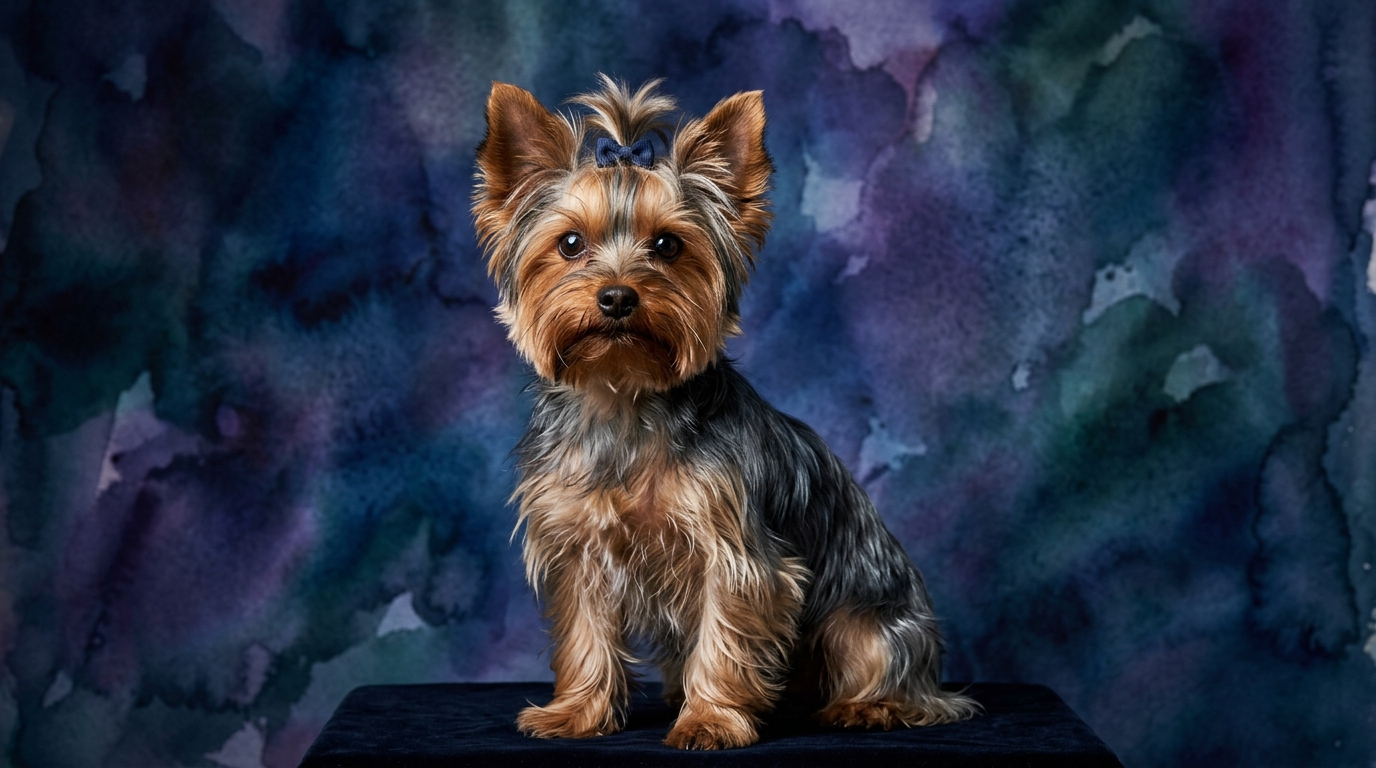
The Cosmic Pet Pet IQ Lab assesses canine intelligence across five key dimensions, providing a nuanced understanding of each breed's unique cognitive strengths. For the Yorkshire Terrier, a breed with a Coren rank of #27, we see a profile reflecting its terrier heritage. Its Problem Solving is rated 3/5, indicating a moderate ability to navigate novel situations or overcome obstacles, reflecting tenacity rather than complex strategic thinking. Training Speed is 4/5, showing these small dogs absorb new commands and routines quickly, aiding in their responsiveness to cues. Social Intelligence stands at 4/5, meaning Yorkies are quite attuned to human emotions and social dynamics, often forming strong bonds and understanding household hierarchies. Their Instinctive Drive is 4/5, exhibiting a strong natural inclination for chasing, digging, and exploring, driven by a historical role in vermin control. Finally, Memory is 4/5, showcasing a solid capacity to retain learned behaviors, routines, and past experiences, contributing to consistent responses over time.
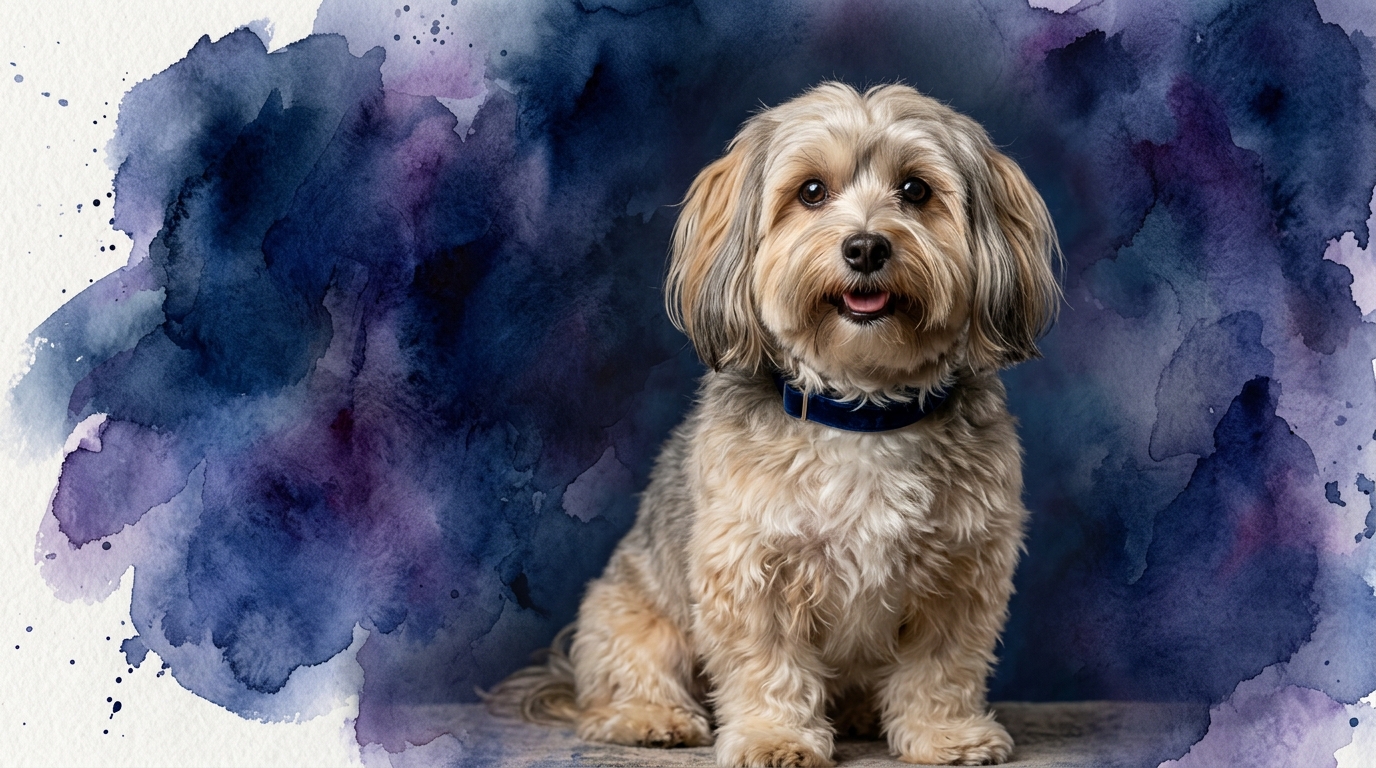
The Havanese, while not Coren-ranked, presents a distinct cognitive blueprint. Its Problem Solving also registers 3/5, demonstrating a moderate capacity for figuring out simple puzzles or navigating familiar challenges, but less inclination towards independent, complex strategizing. Training Speed is 3/5, suggesting Havanese typically require a bit more repetition and patience to solidify new commands compared to faster learners, with motivation often stemming from social engagement. Where the Havanese truly shines is in Social Intelligence, earning a perfect 5/5. This breed demonstrates an exceptional ability to connect with humans, adapt to various social environments, and understand social cues, making them masters of companionship. Their Instinctive Drive is comparatively low at 2/5, reflecting their history as purely companion animals, with less drive for hunting or intense exploration. Memory is 3/5, indicating a good capacity for routines and familiar faces, but perhaps less robust recall for specific, complex sequences.
Where Yorkshire Terrier Wins Cognitively
The Yorkshire Terrier's cognitive profile reveals several areas where it consistently outperforms the Havanese, primarily stemming from its working terrier lineage. The Yorkie's Training Speed score of 4/5 indicates a significantly faster acquisition of new commands and routines compared to the Havanese's 3/5. This means a Yorkie will typically grasp a new cue in fewer repetitions, making early training sessions more efficient. Furthermore, the Yorkie's Instinctive Drive at 4/5 is markedly higher than the Havanese's 2/5. This translates into a stronger natural inclination for independent exploration, chasing, and engaging with their environment in a self-directed manner, often displaying notable persistence. Coupled with a Memory score of 4/5, the Yorkie demonstrates a robust ability to retain complex sequences and past experiences, contributing to their consistent performance once a behavior is learned. This combination of quick learning, strong drive, and dependable memory makes the Yorkie a more formidable contender in tasks requiring sustained focus and independent action.
Where Havanese Wins Cognitively
Conversely, the Havanese shines brightest in the realm of Social Intelligence, achieving a perfect 5/5 score, which is a full point higher than the Yorkie's 4/5. This superior social acumen means the Havanese is exceptionally attuned to human emotions, body language, and the nuances of social interaction. They are masters at reading a room, adapting their behavior to suit different people and situations, and fostering deep, empathetic bonds with their families. This high social intelligence makes them incredibly perceptive companions, often seeming to anticipate their owner's needs or moods. While their Instinctive Drive is lower at 2/5, this isn't a cognitive deficit but rather a preference, allowing their social intelligence to take center stage without being overshadowed by independent hunting or exploratory urges. They are content to engage primarily through interaction with their people, valuing connection above all else.
Which is Easier to Train and Why
When evaluating ease of training, the Yorkshire Terrier generally holds an edge due to its higher Training Speed (4/5) and robust Instinctive Drive (4/5). Yorkies tend to pick up new commands more rapidly, often requiring fewer repetitions before a behavior is solidified. Their strong instinctive drive, while sometimes leading to independent behaviors like digging or barking, can also be channeled effectively into training. This drive provides a natural motivation for engagement, especially when tasks align with their innate desire to work or explore, making them enthusiastic participants in activities like scent work or agility. The Havanese, with a Training Speed of 3/5, requires a bit more patience and consistency. They are certainly trainable and eager to please, but their motivation is primarily rooted in their exceptional Social Intelligence (5/5). They thrive on positive reinforcement and connection with their owner, making training effective when it feels like a collaborative, bonding activity rather than a rigorous task.
Which Suits Active Owners vs Relaxed Owners
The choice between a Yorkshire Terrier and a Havanese often hinges on an owner's lifestyle and preferred level of activity and engagement. For active owners who enjoy structured activities, mental challenges, and channeling innate drives, the Yorkshire Terrier is often a better fit. Their Instinctive Drive of 4/5 means they thrive on purpose and engagement, enjoying activities like brisk walks, puzzle toys, or even dog sports like agility or earthdog trials that tap into their terrier heritage. Their higher Training Speed and Memory also make them excellent candidates for learning complex tricks or participating in obedience competitions. Conversely, for more relaxed owners who prioritize companionship, emotional connection, and a less demanding physical routine, the Havanese is an ideal match. Their perfect 5/5 Social Intelligence means they are happiest when nestled close to their human companions, participating in family life, and offering gentle affection. Their lower Instinctive Drive (2/5) translates to less urgent demands for vigorous exercise or intense mental stimulation, making them content with shorter walks and plenty of cuddle time.
The Verdict
Choose a Yorkshire Terrier if you seek a quick-learning companion with a robust drive for engagement and a desire to participate in more structured activities, thriving on purpose and consistent training.
Opt for a Havanese if your priority is an exceptionally socially intelligent, empathetic companion who thrives on close emotional bonds and a more relaxed, family-centric lifestyle.
🧠 Find Your Pet's IQ Score
Our Pet IQ Lab assessment covers 25+ tests across 5 cognitive dimensions — personalized to your breed.
Take the Full IQ Test →Frequently Asked Questions
Are Yorkshire Terriers stubborn during training?
While Yorkies have a high training speed, their strong instinctive drive (4/5) and independent terrier nature can sometimes lead to perceived stubbornness if training isn't engaging or consistent. They respond best to clear expectations and positive reinforcement, channeling their drive effectively.
Do Havanese dogs get separation anxiety easily due to their high social intelligence?
Havanese, with their exceptional social intelligence (5/5) and strong desire for companionship, can indeed be prone to separation anxiety if not properly socialized and accustomed to alone time from an early age. Their deep bond with owners means they truly miss human presence.
Which breed is better for a first-time dog owner concerning intelligence and training?
For a first-time owner, the Havanese might be slightly easier to manage due to its lower instinctive drive and primary motivation for social connection, making positive reinforcement very effective. The Yorkshire Terrier's higher drive and independent streak may require a more assertive and experienced hand in consistency.