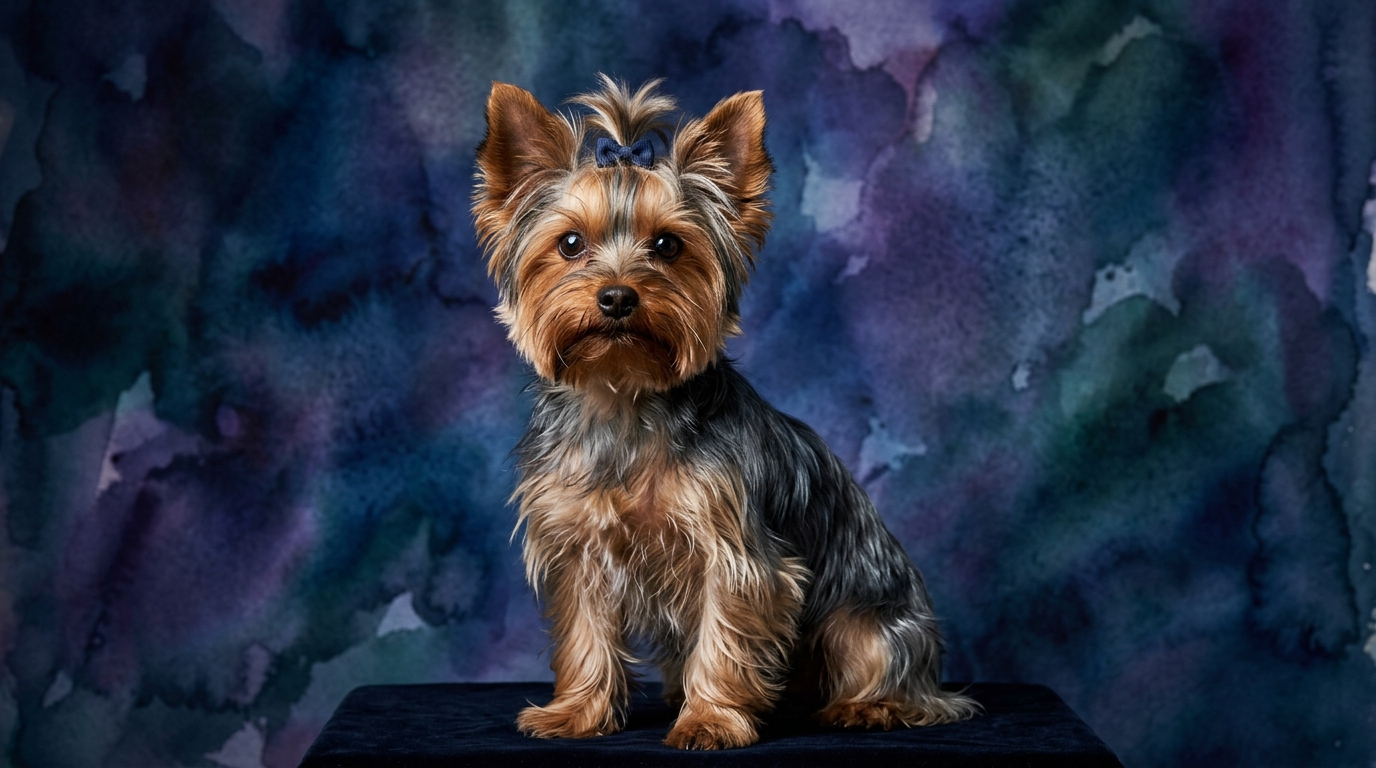
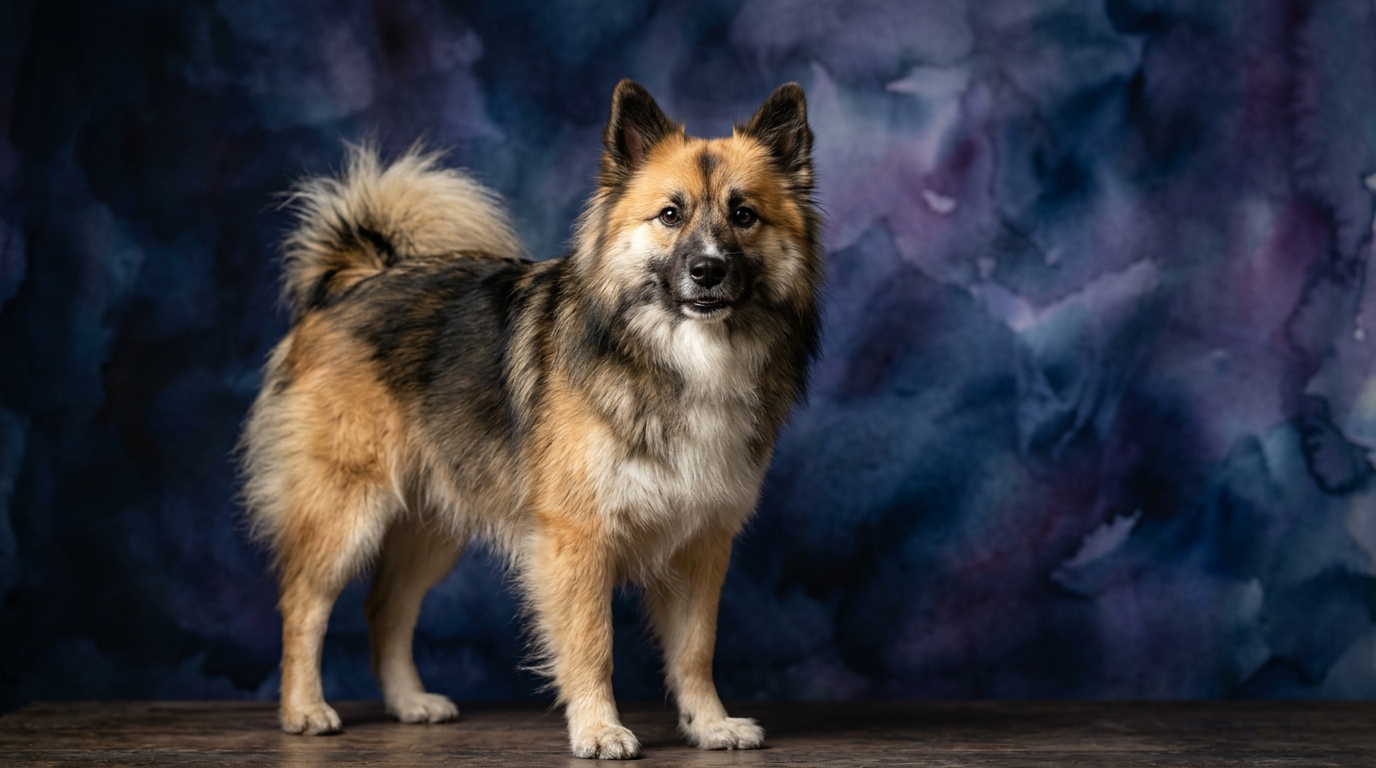
Side-by-side IQ profile
The Yorkshire Terrier, a spirited Terrier group member (Coren rank #27), exhibits a sharp intellect. Their Problem Solving (3/5) indicates cleverness in navigating their environment for desired items. Training Speed (4/5) shows a quick grasp of commands, often motivated by engagement. Social Intelligence (4/5) allows them to read human cues adeptly, forming strong, often influential bonds. An Instinctive Drive of 4/5 reflects their vigilant, tenacious terrier heritage and keen prey drive. Memory (4/5) contributes to rapid learning and retention of experiences.
The Icelandic Sheepdog, a Herding breed (not Coren-ranked), demonstrates a practical, cooperative intelligence. Their Problem Solving (3/5) indicates ability to handle environmental challenges and herd-related tasks. Training Speed (3/5) means they require consistent, positive reinforcement to solidify commands. Social Intelligence (3/5) highlights their amicable nature, integrating well into family dynamics focused on group cohesion. Instinctive Drive (3/5) manifests as a moderate herding impulse and desire to keep their "flock" together. Memory (3/5) supports retention of training and social interactions, contributing to their reliability.
Where Yorkshire Terrier wins cognitively
The Yorkshire Terrier's cognitive profile reveals several areas where their intelligence particularly shines in a domestic context. Their 4/5 score in Training Speed means they typically pick up new commands and routines with remarkable quickness, making them appear exceptionally sharp during initial training. This rapid acquisition is bolstered by their 4/5 Memory, allowing them to retain learned behaviors and associate actions with outcomes over long periods. Furthermore, their Social Intelligence, also 4/5, grants them an impressive ability to read human emotions and social cues. This acute awareness allows them to understand household dynamics, often "training" their owners to secure attention or resources. Finally, their Instinctive Drive of 4/5, rooted in their ratter heritage, translates into a vigilant, proactive awareness. They are often the first to alert to novel sounds or visitors, demonstrating a heightened sensitivity to environmental changes.
Where Icelandic Sheepdog wins cognitively
While the Icelandic Sheepdog’s individual scores appear consistently moderate, their cognitive strengths lie in their balanced, adaptable, and cooperative intelligence, perfectly suited to their historical role. Their Problem Solving, rated 3/5, is geared towards practical, real-world challenges. This means they excel at navigating varied terrain, assessing environmental conditions, and making sensible decisions in dynamic outdoor settings, critical for a herding dog. Their Social Intelligence, at 3/5, fosters a naturally agreeable and less manipulative demeanor. This translates into a dog that integrates smoothly into family life, prioritizing harmony and cooperation. The Icelandic Sheepdog’s Instinctive Drive, a moderate 3/5, is another cognitive win in terms of manageability. While present, their herding drive is typically less intense and easier to channel than a terrier's tenacious prey drive, making them less prone to extreme behaviors. Their 3/5 Memory, combined with their cooperative nature, means that once training is established, they reliably recall commands and expectations.
Which is easier to train and why
Considering ease of training, the Yorkshire Terrier and Icelandic Sheepdog present different experiences. The Yorkshire Terrier, with its 4/5 Training Speed, often picks up new commands faster initially. Their high Social Intelligence (4/5) means they are highly attuned to their handler's reactions, making them eager to engage. However, their strong Instinctive Drive (4/5), particularly terrier tenacity and independence, can challenge consistency. While they grasp concepts quickly, they might choose when to obey, requiring firm, patient guidance to ensure compliance. Real behavioral differences include their tendency to follow their nose or bark at perceived threats rather than immediately recall. In contrast, the Icelandic Sheepdog, with a 3/5 Training Speed, may take more repetition. Yet, their lower, more balanced Instinctive Drive (3/5) and innate desire for cooperation often make them more consistently compliant once learned. Their herding background means they appreciate structure and predictability, making them willing partners. They are less swayed by external distractions, resulting in a more predictable and generally easier dog to consistently work with in the long run.
Which suits active owners vs relaxed owners
Understanding their cognitive makeup helps determine which breed aligns with different owner lifestyles. The Yorkshire Terrier, despite small stature, is not merely a relaxed lap dog. Their high Instinctive Drive (4/5), sharp Memory (4/5), and Social Intelligence (4/5) demand significant mental stimulation and engagement. They thrive with owners who enjoy structured play, consistent training for tricks and manners, and frequent, stimulating interactions. While not needing extensive physical exercise, they demand an owner "active" in providing mental enrichment and companionship. A relaxed owner expecting a passive companion might find the Yorkie's vigilance and need for interaction overwhelming. The Icelandic Sheepdog, with its Herding background and moderate Instinctive Drive (3/5), is better suited for truly active owners. They possess stamina and a natural inclination for activity, needing regular, robust exercise beyond short walks. Owners enjoying longer hikes, dog sports (agility, herding), or ample outdoor time will find the Icelandic Sheepdog a willing, energetic companion. A purely sedentary lifestyle would likely lead to an under-stimulated Icelandic Sheepdog, making them less suitable for a truly relaxed owner.
The Verdict
Choose the Yorkshire Terrier if you seek a small, vigilant companion with a huge personality, eager to learn tricks and engage in playful, mentally stimulating activities within a home environment, and who appreciates a highly attentive, interactive pet.
Opt for the Icelandic Sheepdog if you are an active individual or family who can provide consistent outdoor activity and mental engagement, enjoy a cooperative and good-natured companion, and appreciate a dog whose intelligence shines in practical, environmental tasks rather than purely domestic showmanship.
🧠 Find Your Pet's IQ Score
Our Pet IQ Lab assessment covers 25+ tests across 5 cognitive dimensions — personalized to your breed.
Take the Full IQ Test →Frequently Asked Questions
Are Yorkshire Terriers difficult to train due to their terrier nature?
While Yorkshire Terriers learn quickly with their 4/5 Training Speed, their strong instinctive drive and independent streak can sometimes make consistency a challenge. They benefit from engaging, positive reinforcement methods and firm, patient guidance to channel their sharp minds effectively and ensure reliable obedience.
Do Icelandic Sheepdogs need a lot of exercise?
Yes, Icelandic Sheepdogs, with their herding heritage and 3/5 instinctive drive, possess stamina and require consistent physical and mental activity to thrive. Daily long walks, playtime, and opportunities for exploration or dog sports are crucial to keep them content, well-adjusted, and prevent boredom.
How does Coren's ranking relate to the Pet IQ Lab scores?
Coren's ranking primarily assesses "working intelligence" or obedience trainability, reflecting a dog's ability to learn and obey commands from a human. The Cosmic Pet Pet IQ Lab provides a more nuanced view by breaking down intelligence into five distinct dimensions (problem-solving, training speed, social intelligence, instinctive drive, memory), offering a broader understanding beyond just obedience.