
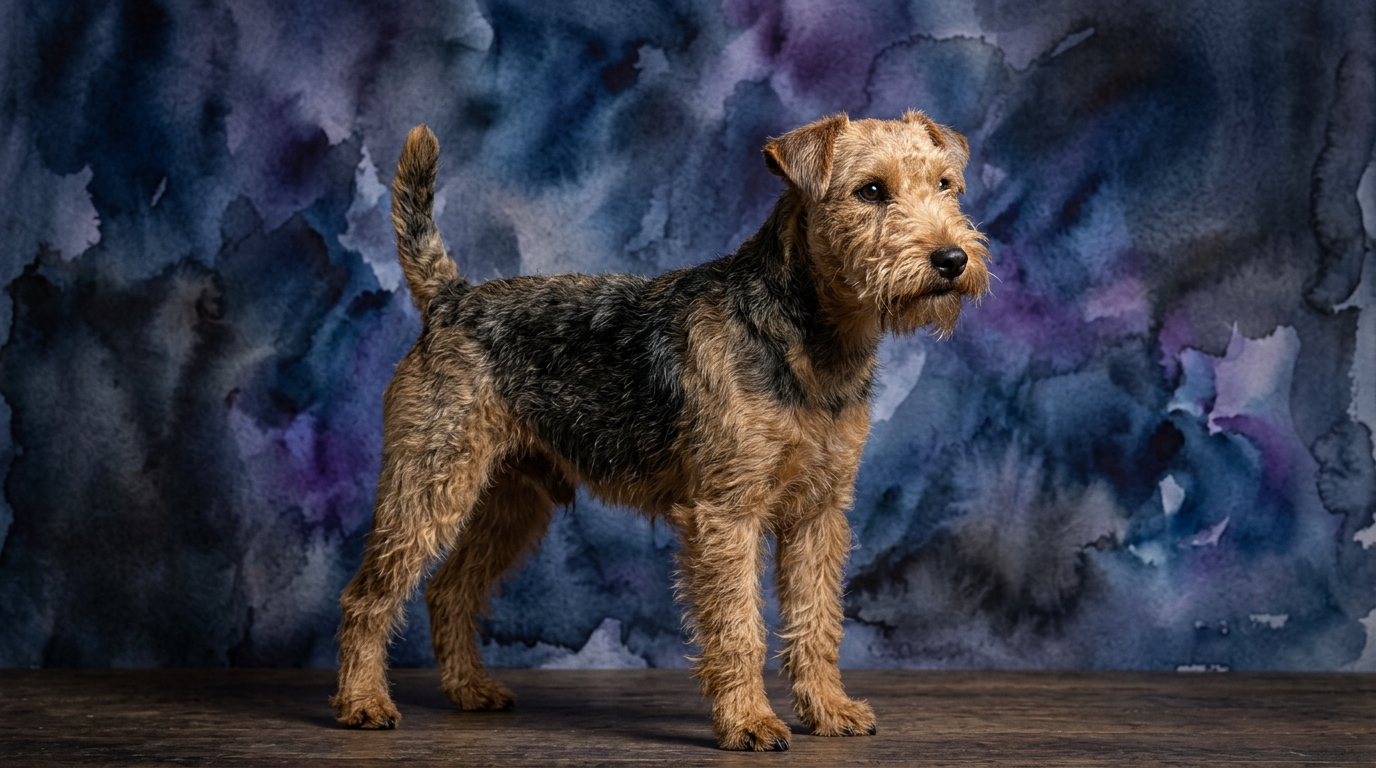
Side-by-Side IQ Profile: Yorkshire Terrier vs. Lakeland Terrier
The Cosmic Pet Pet IQ Lab employs a five-dimensional framework to assess canine intelligence, providing a detailed look beyond general perceptions. For the Yorkshire Terrier, we observe a Coren rank of #27, placing them among breeds demonstrating a solid working and obedience intelligence, while the Lakeland Terrier, though unranked by Coren, presents a distinct cognitive profile worth examining in detail.
Yorkshire Terriers exhibit a Problem Solving score of 3/5, indicating an aptitude for navigating minor household puzzles and devising simple strategies to achieve desired outcomes, such as retrieving a hidden toy or finding a comfortable spot. Their Training Speed, at 4/5, is particularly notable, as they grasp new commands and routines with impressive alacrity, often requiring fewer repetitions than many breeds and showing a readiness to engage in structured learning.
Social Intelligence in the Yorkshire Terrier stands at a robust 4/5; they excel at reading human cues, forming strong bonds, and adapting their behavior to various social situations, displaying a nuanced understanding of relational dynamics. Their Instinctive Drive, also 4/5, fuels their curiosity and provides a strong motivation for activities like chasing small objects or investigating intriguing scents, remnants of their ratting heritage. Finally, their Memory at 4/5 ensures they recall past experiences effectively, whether it's a learned command or an association with specific people and places.
In contrast, the Lakeland Terrier scores 3/5 across all five dimensions, painting a picture of consistent, practical intelligence. Their Problem Solving at 3/5 highlights a direct, persistent approach to physical challenges, such as navigating obstacles or extracting items, driven by their innate terrier determination. Training Speed, at 3/5, suggests they are capable learners but typically require more consistent and patient instruction to master new commands, often processing information at their own steady pace.
Lakeland Terriers' Social Intelligence, also 3/5, means they are generally sociable within their established circles but may exhibit more reserved or direct interactions with strangers compared to their Yorkie counterparts. Their Instinctive Drive, rated 3/5, reflects their historical role as working terriers, manifesting as a keen interest in exploring, digging, and pursuing small animals, though perhaps less intensely or overtly than breeds with a 4/5 score. Their Memory, at 3/5, is solid for routines and commands, yet occasional refreshers may be beneficial to ensure strong recall, especially if behaviors aren't regularly practiced.
Where the Yorkshire Terrier Wins Cognitively
The Yorkshire Terrier's cognitive strengths distinctly shine in areas requiring rapid assimilation of information and nuanced social engagement. Their 4/5 Training Speed means they are often quicker to pick up new tricks and obedience commands, making them highly responsive partners in structured training environments. This efficiency translates into a more straightforward and often less time-consuming training journey for their owners.
Furthermore, the Yorkie's 4/5 Social Intelligence gives them an edge in adaptability to diverse social settings and human interactions. They tend to be more attuned to subtle human emotional cues, which can foster deeper, more responsive bonds and allow them to navigate complex family dynamics with greater ease. This capacity for social attunement contributes to their reputation as charming and engaging companions.
Their superior Memory (4/5) also provides a significant advantage, allowing them to retain learned behaviors and lessons over longer periods. This means fewer instances of needing to re-teach commands and a greater consistency in their learned behaviors, which contributes to a more predictable and well-mannered companion in the long run.
Where the Lakeland Terrier Wins Cognitively
While the Lakeland Terrier's scores are consistently 3/5, this profile highlights a robust and self-reliant cognitive style that can be a distinct advantage for certain owners. Their Problem Solving at 3/5, coupled with their instinctive drive, reflects a practical, hands-on intelligence focused on tangible outcomes. They are adept at figuring out physical challenges through persistence and direct action, which can make them quite resourceful in their environment.
The Lakeland's 3/5 Social Intelligence, while not as outwardly demonstrative as the Yorkie's, can be a win for owners who appreciate a more independent companion. They form strong bonds but may be less prone to overt clinginess or separation anxiety, thriving on a sense of self-possession. This can translate to a dog that is comfortable with its own company for reasonable periods.
Their consistent 3/5 in Instinctive Drive means they possess a discernible terrier determination without being overwhelmingly driven in a way that might challenge a novice owner. This balanced drive allows them to engage enthusiastically in activities like exploration or scent work, yet often with a level of control that can be more manageable in a companion setting than a higher-scoring counterpart.
Which Is Easier to Train and Why
Based on their IQ profiles, the Yorkshire Terrier is generally easier to train due to its higher scores in Training Speed (4/5) and Memory (4/5). Yorkies typically pick up new commands and routines with impressive quickness, requiring fewer repetitions and responding readily to positive reinforcement. Their strong memory means that once a behavior is learned, it is likely to be retained, leading to consistent performance.
For instance, a Yorkshire Terrier might master 'sit' and 'stay' in a handful of sessions, and reliably perform them even after a break from training. This efficiency often makes the training process feel more rewarding and less arduous for owners.
The Lakeland Terrier, with its 3/5 Training Speed and Memory, will certainly learn, but often requires more patience, consistency, and creative motivation. Their independent terrier spirit means they might require more repetition to solidify commands, and owners may need to find engaging ways to maintain their focus. While capable, the training journey with a Lakeland might be a longer, more gradual process compared to the readily compliant Yorkie, benefiting from an owner who enjoys the challenge of working with a more self-directed canine.
Which Suits Active Owners vs. Relaxed Owners
The Yorkshire Terrier, with its 4/5 Social Intelligence and adaptable nature, tends to suit a wider range of owner lifestyles, including those who are more relaxed. While they enjoy activity, their smaller size and eagerness to please mean they can thrive in urban environments or with owners who prefer shorter, more frequent bursts of play and mental stimulation, rather than extensive outdoor excursions. Their social aptitude also makes them excellent companions for owners who enjoy bringing their dog along to various social gatherings.
Their capacity for close bonding and responsiveness means they integrate well into a relaxed home environment where companionship and indoor activities are prioritized. They appreciate being central to family life and can be content with moderate daily walks and engaging playtime within the home, making them ideal for individuals or families seeking a highly interactive yet adaptable indoor companion.
The Lakeland Terrier, with its 3/5 Instinctive Drive and independent problem-solving skills, often aligns better with active owners who appreciate a dog with a robust spirit and a desire for purpose-driven activities. Their terrier heritage means they enjoy exploring, digging, and engaging in more rugged outdoor adventures, such as hiking on trails or participating in earthdog trials. Owners who can channel this drive into constructive outlets will find a rewarding partnership.
While they are affectionate, their moderate social intelligence and independent streak mean they might be less inclined to be a constant 'lap dog' and more content with periods of self-directed activity. This makes them suitable for owners who lead an active lifestyle and are prepared to engage their dog in mentally and physically stimulating outdoor activities, providing structured outlets for their natural terrier instincts rather than solely seeking a sedentary companion.
The Verdict
Choose the Yorkshire Terrier if you prioritize a highly trainable, socially adept companion who quickly grasps commands and thrives on close human interaction, adapting well to various social settings and home environments.
Opt for the Lakeland Terrier if you seek a self-reliant, robust companion with a strong independent streak, suited for active owners who enjoy engaging in outdoor adventures and appreciate a dog that solves problems with terrier tenacity.
🧠 Find Your Pet's IQ Score
Our Pet IQ Lab assessment covers 25+ tests across 5 cognitive dimensions — personalized to your breed.
Take the Full IQ Test →Frequently Asked Questions
Are Yorkshire Terriers good for first-time dog owners?
Yes, Yorkshire Terriers can be excellent for first-time dog owners due to their high training speed and social intelligence. They are eager to learn and form strong bonds, making the training process more straightforward and the overall ownership experience generally rewarding for novices.
Do Lakeland Terriers require a lot of exercise?
Lakeland Terriers possess a moderate instinctive drive and benefit from regular, engaging exercise to keep them physically and mentally stimulated. While not requiring extreme endurance, daily walks, playtime, and opportunities for exploration or scent work are important to satisfy their terrier instincts and prevent boredom.
How do their problem-solving skills differ in everyday life?
A Yorkshire Terrier might use its problem-solving to figure out how to get a treat from a puzzle toy or manipulate a blanket for comfort, often with a social component. A Lakeland Terrier, driven by its practical instincts, might focus its problem-solving on digging under a fence, finding a way to chase a critter, or navigating a physical obstacle in a more direct, persistent manner.