Side-by-Side Cognitive Profiles at The Cosmic Pet Pet IQ Lab
At The Cosmic Pet Pet IQ Lab, we evaluate canine intelligence across five key dimensions to provide a comprehensive understanding of each breed's cognitive strengths. Here’s how the Yorkshire Terrier and Parson Russell Terrier compare in their specific intellectual makeups:
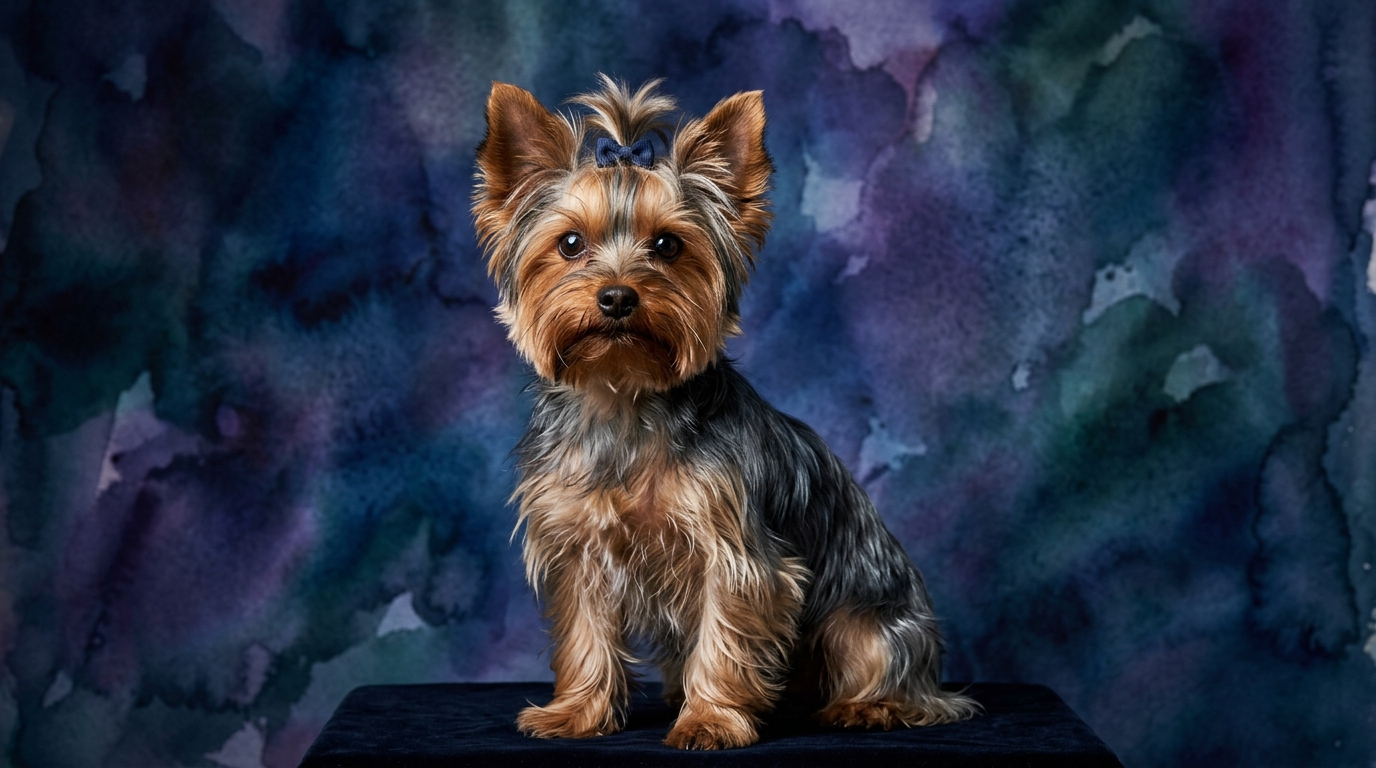
**Yorkshire Terrier (Coren rank #27):** This charming companion, recognized for its spirited demeanor, showcases a unique blend of cognitive traits. Its Problem Solving is rated 3/5, meaning it can figure out simple puzzles and adapt to routines, but complex multi-step challenges may require guidance, with their solutions often being direct and practical. Their Training Speed, at 4/5, indicates a rapid grasp of new commands and routines, responding well to positive reinforcement and showing enthusiasm for learning. With a Social Intelligence score of 4/5, Yorkies excel at interpreting human cues, understanding intentions and emotional states, fostering deep bonds and adjusting behavior based on companionship. Their Instinctive Drive, also 4/5, reflects a pronounced terrier drive, including keen senses and an inclination to pursue small prey or investigate sounds, which can be channeled into focused play. Finally, their Memory, rated 4/5, means they reliably retain learned commands, routines, and experiences, remembering people and associations over time, contributing to consistent behavior.
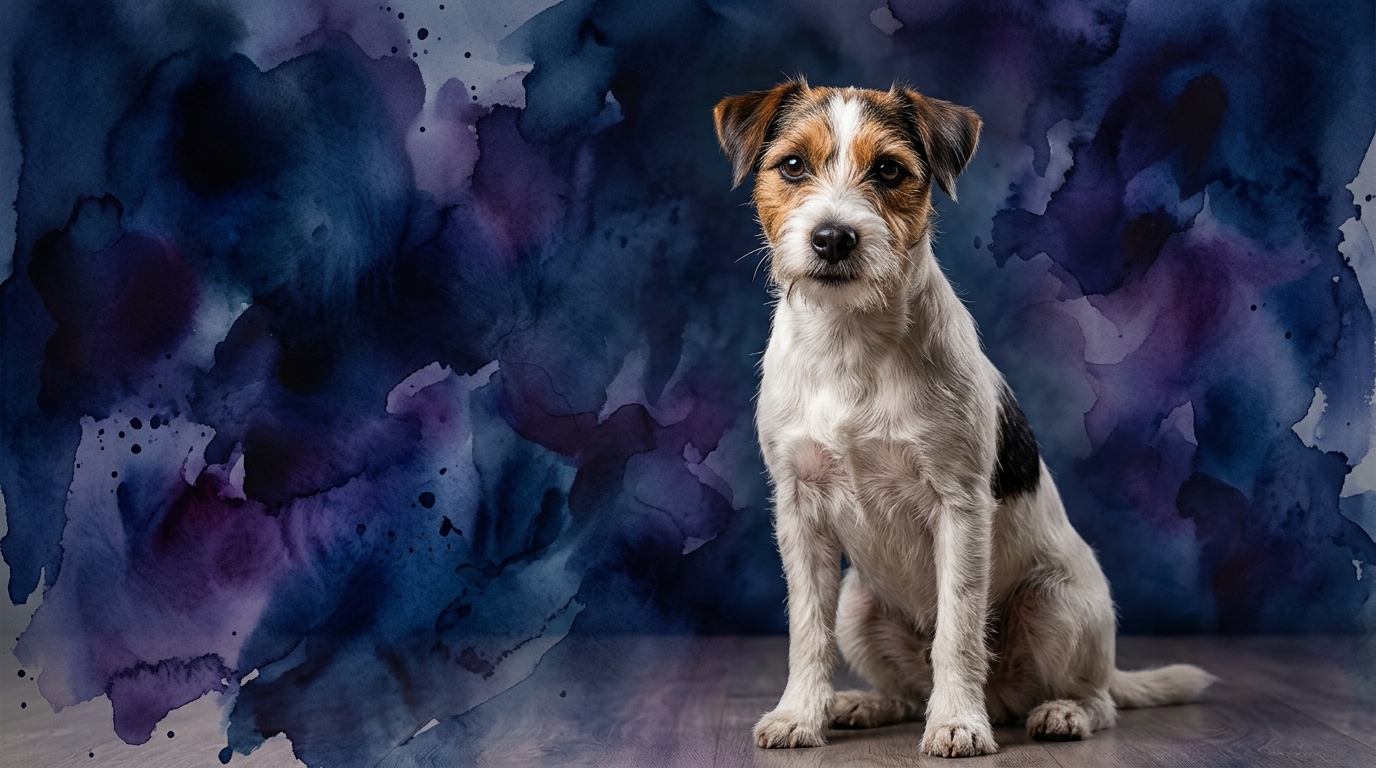
**Parson Russell Terrier (Not Coren-ranked):** This robust and energetic terrier, while not on the Coren ranking, presents a distinct cognitive profile geared towards independence and persistence. Its Problem Solving, like the Yorkie, is rated 3/5; these terriers demonstrate moderate problem-solving, often employing persistence and physical agility to achieve goals, though abstract problems can be challenging. Their Training Speed, at 3/5, suggests they learn at a moderate pace, capable of mastering commands but potentially requiring more repetition and consistent motivation due to an independent streak. In Social Intelligence, a score of 3/5 means they are generally observant of human companions, understanding basic cues and forming strong attachments, yet often prefer interaction on their own terms. The Parson Russell’s Instinctive Drive, also 3/5, is a purposeful drive reflecting a working heritage, manifesting as a strong inclination to dig, chase, and explore with innate curiosity. Their Memory, rated 3/5, indicates they possess moderate memory capacity, recalling routines and commands reliably, though less frequent behaviors might require more reinforcement.
Where the Yorkshire Terrier Excels Cognitively
The Yorkshire Terrier's cognitive profile reveals several areas where it demonstrates a distinct advantage, particularly in its responsiveness and emotional attunement. Their 4/5 score in Training Speed means they typically absorb new commands and routines with greater alacrity, often requiring fewer repetitions to solidify a behavior. This quicker learning curve translates into a more efficient training process, making them excellent candidates for owners interested in teaching a variety of tricks or engaging in dog sports that demand rapid comprehension. Furthermore, the Yorkie's 4/5 Social Intelligence highlights their nuanced ability to interpret human body language, vocal tones, and emotional states. They are often highly attuned to their owners' moods, adapting their behavior to seek comfort or offer companionship, which fosters a profound sense of connection. Their superior Memory (4/5) reinforces this, as they reliably recall past interactions and learned expectations, contributing to their consistent and predictable responses within a familiar social structure. This combination of quick learning, social sensitivity, and reliable memory makes the Yorkie particularly adept at integrating seamlessly into a human family unit and responding to subtle social cues.
Where the Parson Russell Terrier's Cognition Shines
While the Parson Russell Terrier’s scores are generally on par with or slightly below the Yorkie’s, their cognitive strengths lie in the application of their abilities, particularly their robust problem-solving (3/5) combined with their distinctive instinctive drive (3/5). Their problem-solving, though rated equally, often manifests with a tenacious, independent flair. A Parson Russell might approach a puzzle with more physical determination and inventive persistence, driven by a deep-seated curiosity to achieve a goal, even if it takes a bit longer to grasp the initial concept. This breed’s instinctive drive, while rated 3/5, is often channeled into sustained, focused activity; they are purpose-driven in their exploration and pursuit. This translates into a resilience when faced with cognitive challenges, where their determination to “figure it out” or “get to the bottom of it” can be a significant asset in tasks requiring sustained engagement rather than immediate compliance. Their moderate memory (3/5) supports this by allowing them to recall successful strategies for overcoming obstacles, even if they required more effort to learn initially. Essentially, the Parson Russell's cognitive profile is geared towards independent action and persistent engagement with their physical environment, making them uniquely suited for tasks demanding self-directed effort and endurance.
Training Dynamics: Yorkshire Terrier vs. Parson Russell Terrier
When it comes to training, the cognitive differences between these two terrier breeds become quite apparent. The Yorkshire Terrier, with its 4/5 Training Speed and 4/5 Social Intelligence, generally presents as a more eager and pliable student. They are quick to understand what is expected of them and typically motivated by praise and positive interaction, making the training process smoother and often more rewarding for first-time dog owners. Their ability to read cues means they are often trying to anticipate their owner's wishes, which can accelerate learning. In contrast, the Parson Russell Terrier's 3/5 Training Speed and 3/5 Social Intelligence suggest a different approach is necessary. While certainly capable of learning, Parson Russells possess a more independent and sometimes stubborn streak, characteristic of their working terrier heritage. They might question the purpose of a command or require more compelling motivation to comply, often preferring to act on their own initiative. This means training a Parson Russell often demands more patience, consistency, and creative engagement from the owner. Their “what's in it for me?” attitude requires trainers to make learning fun and challenging, tapping into their natural drive for exploration and problem-solving rather than relying solely on their desire to please.
Tailoring to Lifestyles: Active vs. Relaxed Owners
Understanding the cognitive and behavioral profiles of the Yorkshire Terrier and Parson Russell Terrier is key to matching them with the right owner lifestyle. The Yorkshire Terrier, with its 4/5 Social Intelligence and 4/5 Memory, often thrives in a home where they are central to family life and receive consistent interaction. While they possess an instinctive drive (4/5) that needs an outlet, their smaller size and adaptability mean this can often be satisfied with indoor play, short walks, and mental enrichment games. They are generally content to snuggle on the couch after a moderate burst of activity, making them a suitable companion for more relaxed owners who appreciate an affectionate, responsive presence without demanding extensive outdoor adventures. Their cognitive makeup allows them to be very comfortable in a domestic setting, attentive to their human companions. The Parson Russell Terrier, however, with its 3/5 Instinctive Drive and 3/5 Problem Solving, paired with its working terrier lineage, is better suited for active owners. This breed possesses an innate need for sustained physical and mental engagement. They excel in activities like agility, earthdog trials, or long hikes where their problem-solving skills and drive can be fully utilized. A Parson Russell without sufficient outlets for its energy and cognitive drive can become bored and potentially channel its intelligence into less desirable behaviors, like excessive digging or barking. Therefore, owners who lead an active outdoor lifestyle and are prepared to provide structured mental and physical challenges will find the Parson Russell a stimulating and tenacious companion.
The Verdict
Opt for a Yorkshire Terrier if you seek a highly responsive, socially attuned companion who learns quickly and thrives on close human interaction within a generally more relaxed home environment.
Select a Parson Russell Terrier if you are an active owner prepared to consistently engage a persistent, independent thinker with ample physical exercise and mentally stimulating challenges.
🧠 Find Your Pet's IQ Score
Our Pet IQ Lab assessment covers 25+ tests across 5 cognitive dimensions — personalized to your breed.
Take the Full IQ Test →Frequently Asked Questions
Do Yorkshire Terriers bark a lot due to their instinctive drive?
Yorkshire Terriers do possess an instinctive drive (4/5) and a keen awareness of their surroundings, which can lead to alert barking, especially if not managed. Their social intelligence (4/5) means they are often quick to communicate perceived threats or excitement to their human companions.
Are Parson Russell Terriers good with other pets given their instinctive drive?
Parson Russell Terriers have an instinctive drive (3/5) that can manifest as a strong prey drive, making careful introductions and supervision essential with smaller pets. Their social intelligence (3/5) allows them to coexist, but their independent nature means early socialization is crucial.
Which breed is more suitable for apartment living based on their cognitive profiles?
The Yorkshire Terrier, with its adaptable nature, moderate exercise needs, and strong social intelligence (4/5), is generally more suitable for apartment living, provided they receive consistent mental and physical engagement. The Parson Russell Terrier's higher energy and instinctive drive (3/5) often require more space and dedicated outdoor activities to prevent boredom.