Side-by-Side Cognitive Profile: Yorkshire Terrier vs. Pekingese
At The Cosmic Pet Pet IQ Lab, we analyze canine intelligence across five critical dimensions, providing a granular view of each breed's mental landscape. This allows us to understand not just if a dog is 'clever,' but how their specific cognitive strengths manifest in daily life.
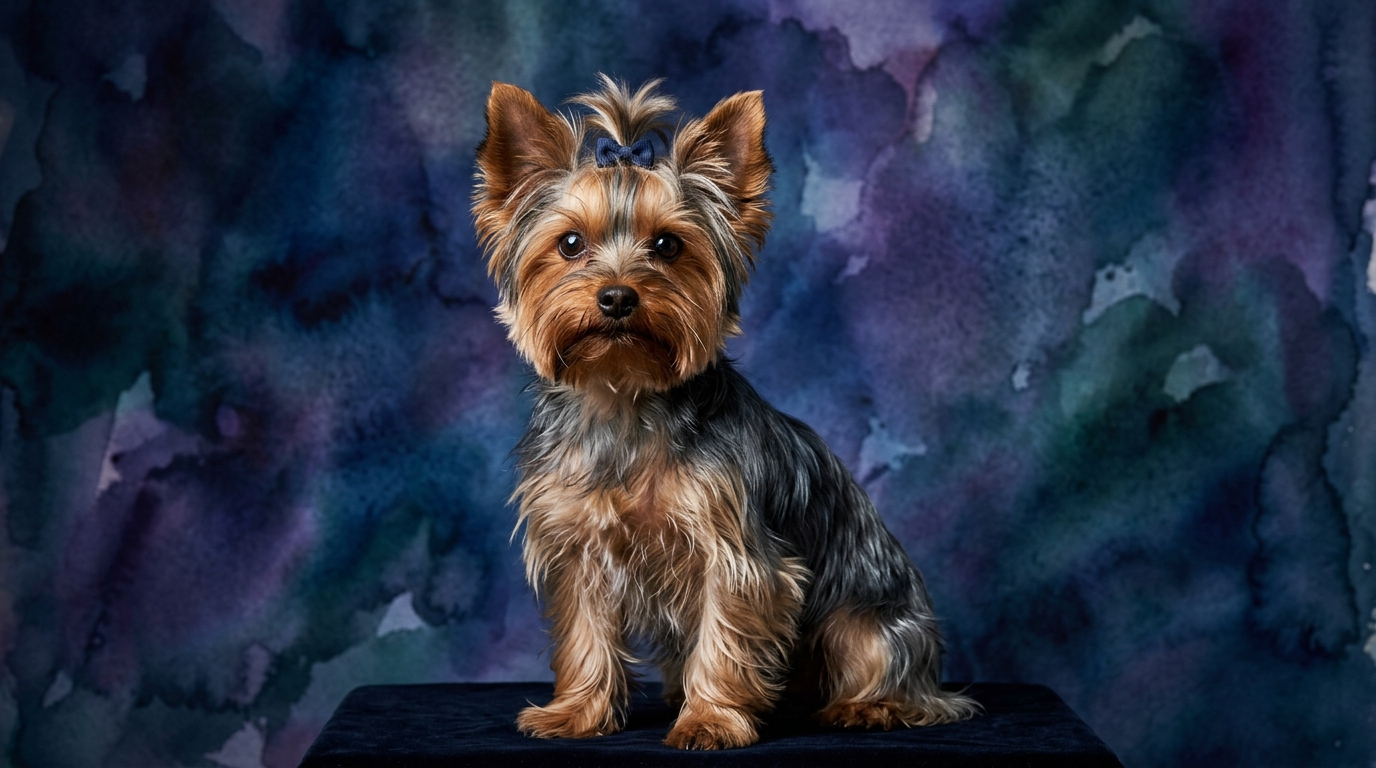
The Yorkshire Terrier, ranking #27 on Coren's scale, exhibits a cognitive profile marked by lively engagement and responsiveness:
Problem Solving (3/5): Yorkshire Terriers demonstrate a moderate capacity for navigating novel challenges, often relying on learned sequences and practical application rather than abstract reasoning. Their approach to overcoming obstacles tends to be direct and efficient.
Training Speed (4/5): This breed exhibits a commendable quickness in grasping new commands and routines, often eager to engage and respond to consistent instruction. Their attentiveness allows for efficient assimilation of new behaviors.
Social Intelligence (4/5): Yorkshire Terriers possess a strong ability to interpret human cues and adapt their behavior within various social contexts. They form deep bonds and often seek interaction, understanding subtle shifts in mood and expectation.
Instinctive Drive (4/5): Carrying a pronounced terrier instinct, they show a readiness to pursue small prey or thoroughly investigate intriguing sounds and scents. This inherent drive fuels their curiosity and contributes to their alert nature.
Memory (4/5): They demonstrate a robust capacity for recalling commands, routines, and past experiences, contributing significantly to their consistent behavior and making them reliable learners over time.
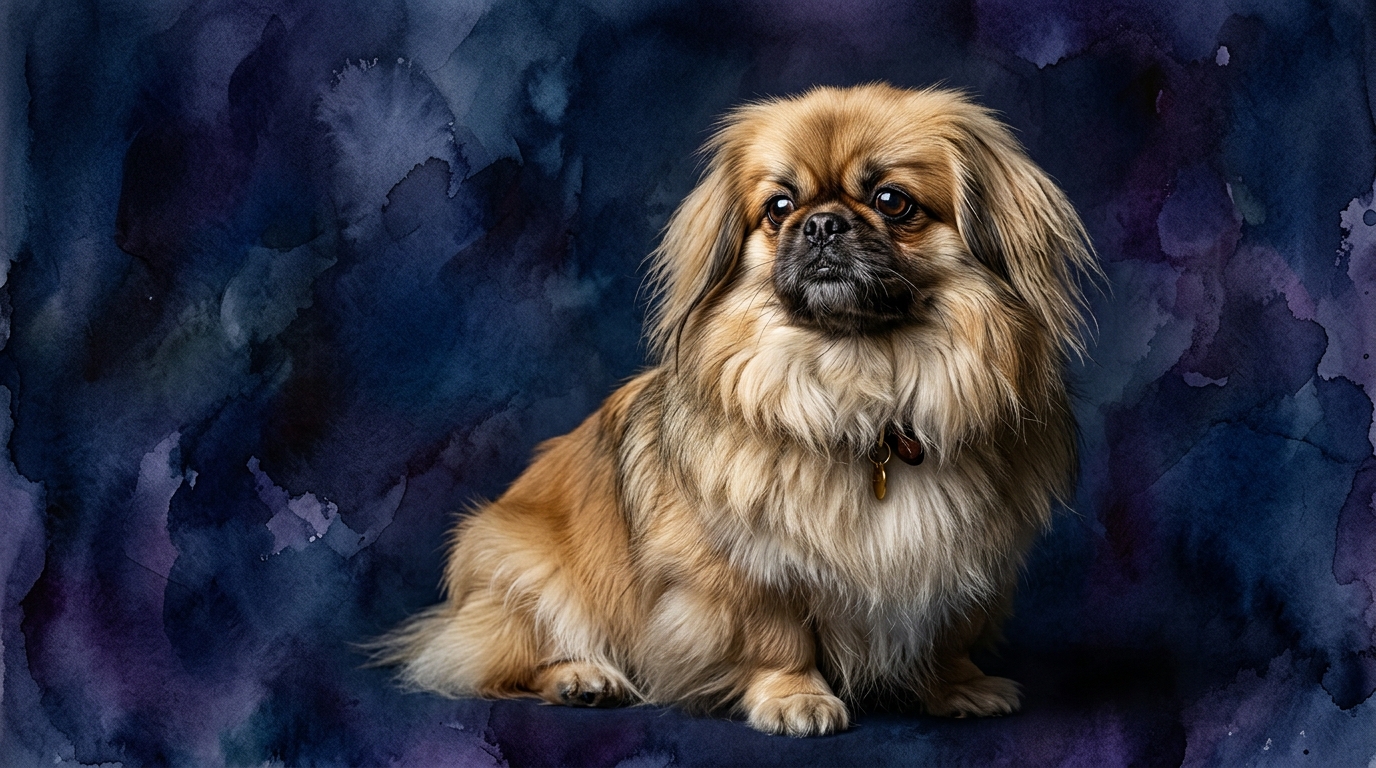
The Pekingese, with a Coren ranking of #77, presents a cognitive blueprint characterized by a more independent and dignified mental approach:
Problem Solving (3/5): Pekingese share a similar moderate score in tackling new problems, often preferring familiar routines and a structured environment. They can find solutions but might take a more deliberate and less impulsive approach.
Training Speed (3/5): This breed learns at a steady pace, requiring patient and repetitive instruction to solidify new behaviors. While capable, they may not exhibit the same rapid assimilation or intense focus as breeds with higher scores.
Social Intelligence (3/5): Pekingese possess a moderate understanding of social dynamics, often showing a dignified independence. They appreciate companionship but might not always be as overtly demonstrative in interpreting or reacting to human emotional states.
Instinctive Drive (3/5): They exhibit a moderate level of instinctive behaviors, primarily related to guarding their territory and companions. Their prey drive is less pronounced, and their curiosity is typically less intense than that of a terrier.
Memory (3/5): Pekingese demonstrate a reliable memory for established routines and familiar individuals, though perhaps not as expansive or quick to recall novel details or complex sequences as breeds with higher scores in this dimension.
Where the Yorkshire Terrier Excels Cognitively
The Yorkshire Terrier's cognitive strengths shine brightest in areas demanding quick uptake and social engagement. Their Training Speed score of 4/5 means they acquire new commands and routines with impressive efficiency. Owners often find them responsive to positive reinforcement, making advanced obedience or trick training a rewarding endeavor. This swift learning curve is complemented by their 4/5 Memory, ensuring that once a behavior is learned, it tends to stick, leading to a consistently well-behaved companion.
Furthermore, their Social Intelligence (4/5) allows them to be highly attuned to human emotions and intentions. A Yorkie is likely to pick up on subtle cues, adapting their behavior to fit the mood of the household. This makes them highly interactive companions, capable of forming deep, communicative bonds. Their Instinctive Drive, also at 4/5, fuels a natural curiosity and eagerness to explore, making them receptive to new experiences and mentally stimulated by varied environments. This drive, while requiring appropriate outlets, translates into an engaged and spirited companion, always ready for an adventure or a mental puzzle.
Where the Pekingese's Cognitive Profile Offers Unique Advantages
While the Pekingese may have more moderate scores across the board (all 3/5), these attributes translate into distinct cognitive advantages, particularly for certain lifestyles. Their Problem Solving at 3/5, when not coupled with an excessively high instinctive drive, often means they are less inclined to invent elaborate schemes for mischief. They tend to be content with their established routines, demonstrating a cognitive preference for predictability and calm.
The Pekingese’s moderate Social Intelligence (3/5) fosters a more independent yet affectionate companionship. They are capable of forming strong bonds but may not constantly seek validation or intense interaction, making them an ideal choice for owners who appreciate a dignified and self-possessed companion. Their moderate Instinctive Drive (3/5) also contributes to a calmer demeanor; they are less likely to be driven by overwhelming urges to chase or dig, offering a more tranquil presence in the home. This consistency across their cognitive dimensions can be a 'win' for owners seeking a steady, less mentally demanding companion, one whose internal world is often characterized by serene self-containment.
Training Dynamics: Yorkshire Terrier vs. Pekingese
When it comes to ease of training, the Yorkshire Terrier generally holds a notable advantage. Their Training Speed (4/5) and Memory (4/5) mean they absorb and retain commands with greater efficiency. Yorkies are often eager to please and their high Social Intelligence (4/5) makes them responsive to their owner's guidance and encouragement. They thrive on engaging, positive reinforcement-based training sessions and can quickly progress from basic obedience to more complex tricks or even agility exercises. Their inherent terrier tenacity can be channeled positively into persistent effort during training.
The Pekingese, with a Training Speed and Memory score of 3/5, will require a more patient and consistent approach. While certainly capable of learning, they may not exhibit the same rapid uptake or sustained enthusiasm for repetitive drills. Their more independent nature, reflected in their moderate Social Intelligence, means motivation needs to be carefully cultivated. Training a Pekingese benefits from short, engaging sessions, positive reinforcement, and a deep understanding of their dignified personality. Owners should prepare for a steadier, less hurried training journey, focusing on clarity and consistency to achieve desired behaviors.
Matching Cognitive Profiles to Lifestyles: Active vs. Relaxed Owners
The distinct cognitive profiles of the Yorkshire Terrier and Pekingese naturally align with different owner lifestyles.
For active owners who thrive on interaction and seek a mentally engaged companion, the Yorkshire Terrier is often a fitting choice. Their higher Instinctive Drive (4/5) means they appreciate varied activities, from exploring new walking routes to participating in interactive games. Their superior Training Speed and Social Intelligence make them excellent candidates for owners who enjoy teaching new skills, engaging in dog sports, or simply having a highly responsive and communicative pet by their side. They flourish when provided with ample mental stimulation and consistent engagement, reflecting their curious and spirited cognitive nature.
Conversely, for relaxed owners who appreciate a tranquil home environment and a companion content with a more predictable routine, the Pekingese offers a compelling option. Their moderate scores across all cognitive dimensions mean they are less likely to seek out constant stimulation or demand intense mental engagement. They are often satisfied with quiet companionship, preferring a comfortable spot by their owner's side to rigorous activity. The Pekingese's independent streak and dignified demeanor align well with owners who value a calm, self-contained presence that offers affection without being overtly demanding, making them a superb choice for those seeking a serene and loyal companion.
The Verdict
If you seek an interactive, quick-to-learn companion eager for engagement and responsive to varied training, the Yorkshire Terrier's cognitive profile aligns well with an active, hands-on lifestyle.
Opt for the Pekingese if you prefer a serene, independent companion content with a predictable routine and less demanding of constant mental stimulation, valuing a dignified presence.
🧠 Find Your Pet's IQ Score
Our Pet IQ Lab assessment covers 25+ tests across 5 cognitive dimensions — personalized to your breed.
Take the Full IQ Test →Frequently Asked Questions
Do Yorkshire Terriers understand human emotions better?
With a Social Intelligence score of 4/5, Yorkshire Terriers exhibit a strong capacity for interpreting human cues and adapting their behavior, often showing a deeper attunement to their owners' emotional states compared to the Pekingese's 3/5.
Are Pekingese difficult to train?
While not 'difficult,' Pekingese, with a Training Speed of 3/5, require more patience and consistency than some breeds. Their independent nature means training sessions should be positive, short, and engaging to maintain their interest and foster cooperation.
Which breed is better at adapting to new environments?
The Yorkshire Terrier, with its higher scores in Social Intelligence (4/5) and Instinctive Drive (4/5), generally adapts more readily to new environments and experiences, fueled by curiosity and an ability to interpret new social contexts with confidence.