Side-by-Side IQ Profile: Yorkshire Terrier vs. Pug
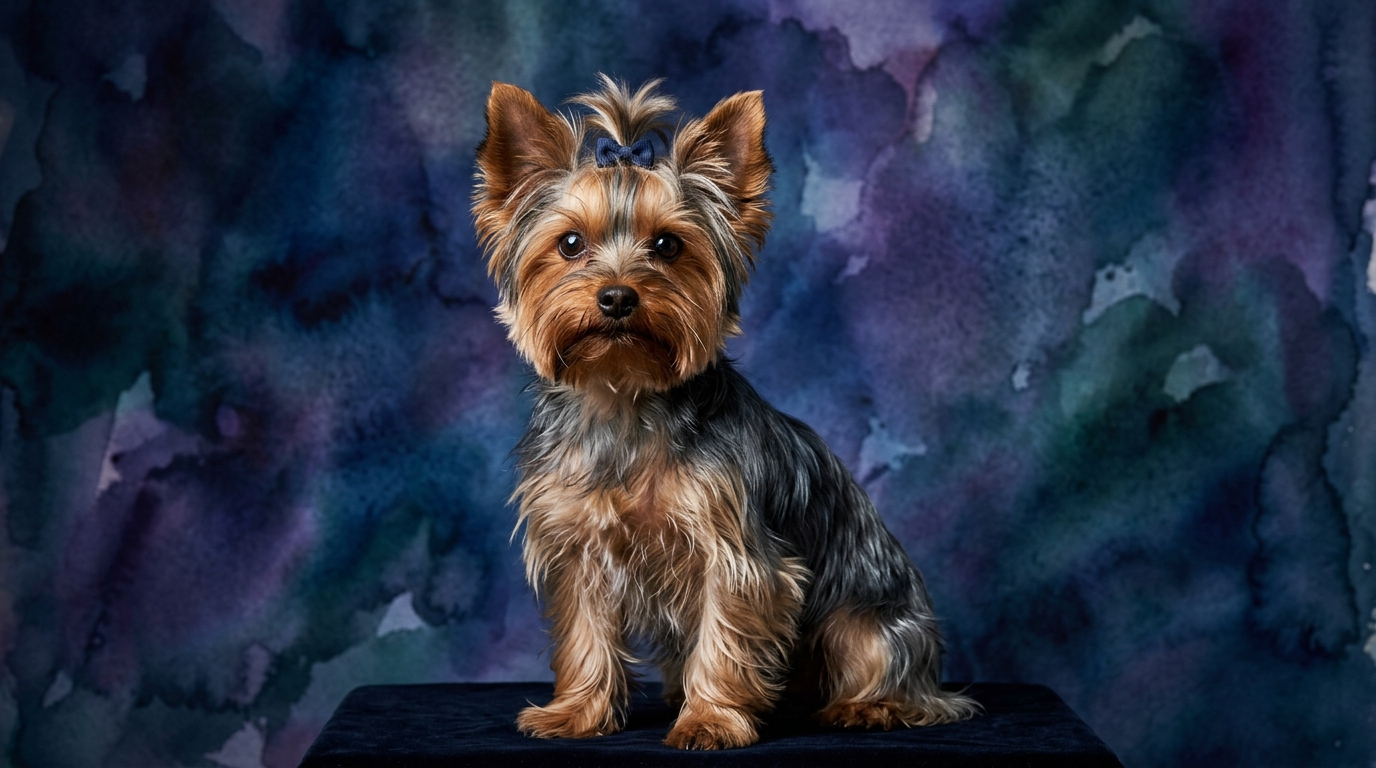
The Cosmic Pet Pet IQ Lab employs a comprehensive framework to assess canine intelligence, delving into five key dimensions. For the Yorkshire Terrier, classified as a Terrier breed and holding a Coren rank of #27, its cognitive blueprint highlights a blend of independence and responsiveness.
Yorkshire Terriers exhibit a 3/5 rating in problem-solving, indicating a moderate capacity for independent thought and figuring out solutions to novel challenges. They might take a few attempts to open a complex puzzle toy or navigate an unfamiliar obstacle course, but they generally persist and learn through trial and error.
Their training speed is rated at 4/5, showcasing a commendable quickness in grasping new commands and routines. Their eagerness to engage and their ability to link actions with consequences mean they can pick up basic obedience and even more complex tricks relatively swiftly, often requiring fewer repetitions than many other breeds.
In social intelligence, Yorkshire Terriers score 4/5, possessing a strong ability to interpret human cues and adapt their behavior within social contexts. They are generally responsive to their owner's moods and intentions, forming close bonds and understanding household dynamics, though their independent streak can sometimes overshadow this.
An instinctive drive of 4/5 is evident in their terrier heritage, manifesting as a pronounced drive for chasing, exploring, and sometimes digging. This strong internal motivation means they are often highly engaged with their environment, seeking out stimuli and acting on their inherent urges, which can be channeled into various activities.
Finally, Yorkshire Terriers demonstrate a robust memory, rated 4/5, for commands, routines, and experiences. They recall past lessons and interactions effectively, making long-term training more consistent and allowing them to remember specific people, places, or even past challenges they've overcome.
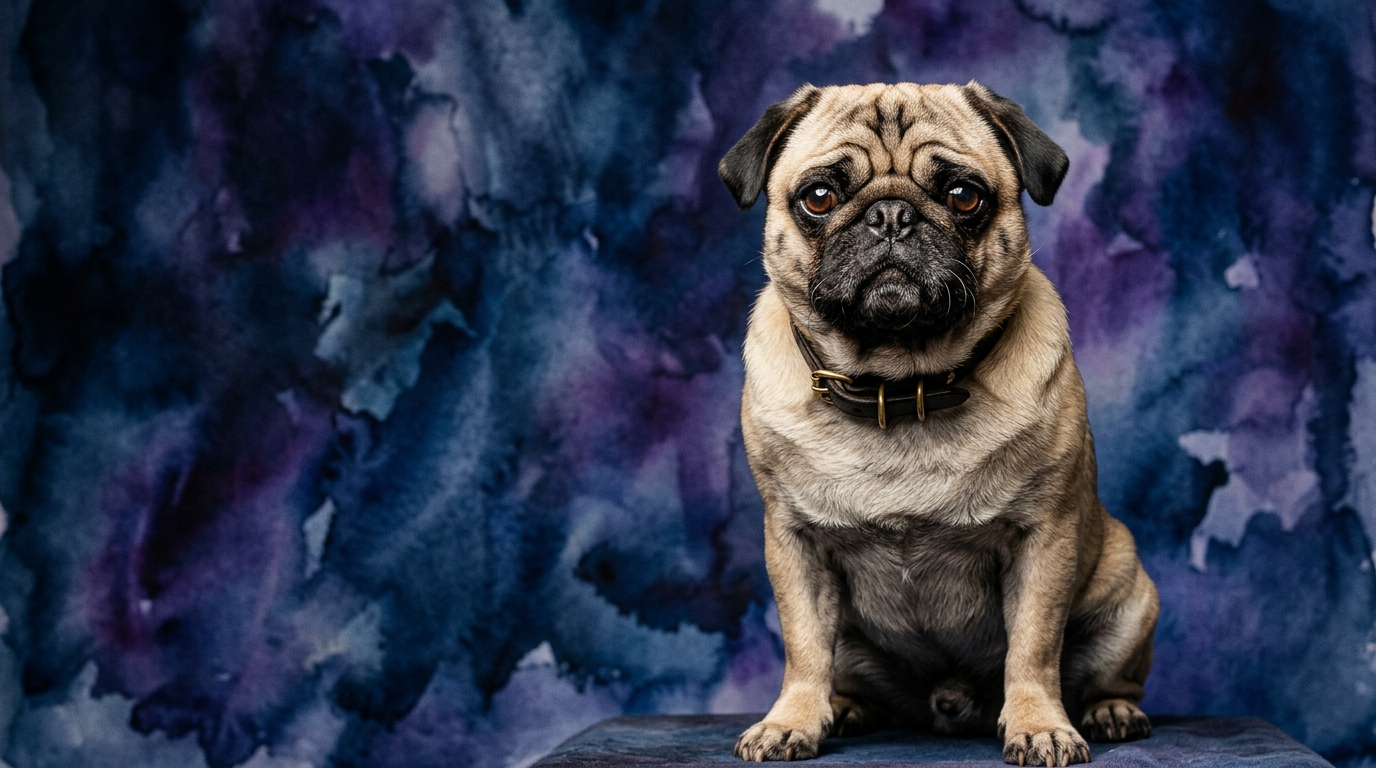
Conversely, the Pug, a Toy breed with a Coren rank of #57, presents a cognitive profile geared towards companionship and social harmony.
Pugs typically display a more limited aptitude for complex problem-solving, earning a 2/5 rating. They might rely more on human intervention or simple, learned responses rather than independently strategizing to overcome obstacles or solve intricate puzzles, often preferring a direct approach or seeking human assistance.
Their training speed is rated 2/5, indicating that this breed tends to learn new commands at a slower pace, often requiring more repetitions and consistent reinforcement. While capable of learning, their attention might be more easily diverted, and their motivation might stem more from social interaction or food rewards than an inherent drive to perform.
Pugs truly excel in social intelligence, possessing an exceptional 5/5 capacity to read and respond to human emotions and social cues. They are highly attuned to their family's dynamics, often seeking to be at the center of attention and adapting their demeanor to foster companionship and harmony.
Their instinctive drive is notably low at 2/5, meaning their inclination for chasing, hunting, or intense exploration is minimal. Pugs prefer comfort and companionship over engaging in strenuous or independently driven activities, with their primary drive often being social connection.
With a moderate memory capacity of 3/5, Pugs can recall familiar routines, people, and basic commands. While they retain information, it might require more consistent reinforcement over time compared to breeds with higher memory scores, particularly for less frequently practiced behaviors.
Where the Yorkshire Terrier Wins Cognitively
The Yorkshire Terrier's cognitive profile reveals distinct advantages, particularly in areas demanding quick learning and independent action. Their 3/5 rating in problem-solving means they are more inclined to experiment and devise their own solutions to small challenges, such as figuring out how to retrieve a toy from under furniture or navigating a slightly altered walking route. This often contrasts with breeds that might rely more heavily on human intervention.
Furthermore, their 4/5 training speed is a significant asset, indicating they absorb new commands and associate them with actions with impressive efficiency. This makes them highly responsive to cues and capable of mastering a broader range of tasks more quickly than many other small breeds, often requiring fewer repetitions to cement a behavior.
The Yorkshire Terrier's strong instinctive drive (4/5) also provides a cognitive edge, fueling their curiosity and willingness to engage with their environment. This inherent motivation translates into greater mental stimulation and a desire to explore new experiences, which can be channeled into various training or enrichment activities, fostering a more engaged and active learner. Finally, their robust memory (4/5) ensures that once a lesson is learned or a routine established, it sticks, leading to more consistent and reliable behavior over time and reducing the need for constant re-training.
Where the Pug Wins Cognitively
The Pug's primary cognitive strength lies overwhelmingly in its exceptional social intelligence, rated a perfect 5/5. This isn't merely about being friendly; it signifies a profound ability to interpret subtle human cues, emotional states, and intricate social dynamics within a household. A Pug can often sense an owner's mood, offering comfort during sadness or engaging in playful antics to lift spirits, demonstrating a deep empathetic connection.
This high social acumen allows them to seamlessly integrate into family life, adapting their behavior to become the ultimate companion animal. While other cognitive dimensions might be lower, their ability to form deep, reciprocal connections and understand their human counterparts on a nuanced level is unparalleled. Their cognitive focus is less on independent problem-solving or driven exploration and more on fostering harmonious, reciprocal relationships, making them masters of companion animal interaction.
Which Is Easier to Train and Why
When it comes to ease of training, the Yorkshire Terrier generally presents a more straightforward experience due to its higher scores in both training speed (4/5) and problem-solving (3/5), coupled with a strong memory (4/5). Yorkshire Terriers are often eager to learn and quicker to form associations between commands and actions, meaning fewer repetitions are typically needed before a behavior is ingrained. Their moderate problem-solving abilities also mean they can sometimes infer what is expected of them or try different approaches until they succeed, which aids in self-directed learning during training sessions.
In contrast, the Pug's training speed is rated at 2/5, indicating a slower uptake of new commands and a need for more patience and repetition from their trainer. Their 2/5 problem-solving score suggests they are less likely to independently figure out what you want them to do, often requiring clearer, more consistent guidance. While Pugs are highly motivated by social interaction and food, their lower instinctive drive (2/5) means they might lack the inherent zeal for performing tasks that a Yorkshire Terrier's drive might provide.
Therefore, while both breeds are trainable, the Yorkshire Terrier’s cognitive makeup makes the process generally faster and potentially more rewarding for owners seeking quick results and a broader repertoire of learned behaviors. Their eagerness and capacity for independent learning can accelerate the training process, leading to a more versatile and responsive companion.
Which Suits Active Owners vs. Relaxed Owners
The choice between a Yorkshire Terrier and a Pug significantly depends on an owner's lifestyle and activity levels. For active owners who enjoy engaging their pet in varied activities, the Yorkshire Terrier is often a more fitting choice. Their 4/5 instinctive drive translates into a genuine enthusiasm for exploration, walks, and games, making them willing partners for adventures.
Their 3/5 problem-solving and 4/5 training speed also mean they can excel in dog sports like agility or participate in more complex interactive play, providing mental stimulation that satisfies their curious nature. They thrive with consistent engagement and opportunities to channel their inherent terrier energy, making them excellent companions for those with an active, stimulating lifestyle.
Conversely, the Pug is an ideal companion for more relaxed owners. With a low instinctive drive (2/5) and a preference for comfort, Pugs are content with shorter, leisurely strolls and ample cuddle time on the sofa. Their exceptional social intelligence (5/5) means their primary fulfillment comes from close companionship and being an integral part of family life, rather than from strenuous physical or mental challenges.
They are less demanding in terms of extensive exercise and structured mental tasks, preferring to simply 'be' with their humans, making them perfect for those seeking a devoted, low-key companion who thrives on affection and proximity.
The Verdict
Opt for a Yorkshire Terrier if you seek a quick-witted, responsive companion eager to learn, engage in varied activities, and showcase an independent spirit in solving minor challenges. This breed thrives with owners who can provide consistent mental stimulation and appreciate a dog with a strong, engaging personality.
Select a Pug if your priority is an exceptionally loving, socially astute companion who excels at forming deep emotional bonds and prefers a relaxed lifestyle centered on companionship. Pugs are best for owners who value a devoted presence over high-energy activities or complex training endeavors.
🧠 Find Your Pet's IQ Score
Our Pet IQ Lab assessment covers 25+ tests across 5 cognitive dimensions — personalized to your breed.
Take the Full IQ Test →Frequently Asked Questions
Are Yorkshire Terriers difficult to train due to their terrier nature?
While Yorkshire Terriers possess a spirited terrier nature, their 4/5 training speed and 4/5 memory actually make them quite receptive to learning. Consistent, positive reinforcement training is key to channeling their intelligence and ensuring they learn desired behaviors effectively, often picking up commands faster than many other breeds.
Do Pugs require a lot of mental stimulation?
Pugs generally have a lower need for complex mental stimulation compared to more driven breeds. Their 2/5 problem-solving and instinctive drive scores mean they are often content with companionship and simple, familiar routines, rather than extensive puzzle toys or challenging training sessions. Their primary mental fulfillment comes from social interaction with their humans.
Which breed is better with children, considering their intelligence?
The Pug's 5/5 social intelligence often makes them remarkably patient and attuned to family dynamics, including children, seeking to be a harmonious part of the household. Yorkshire Terriers, with their 4/5 social intelligence, can also be good with respectful children, but their more independent and sometimes feisty nature might require more supervision to ensure positive interactions.