Side-by-Side Cognitive Profile
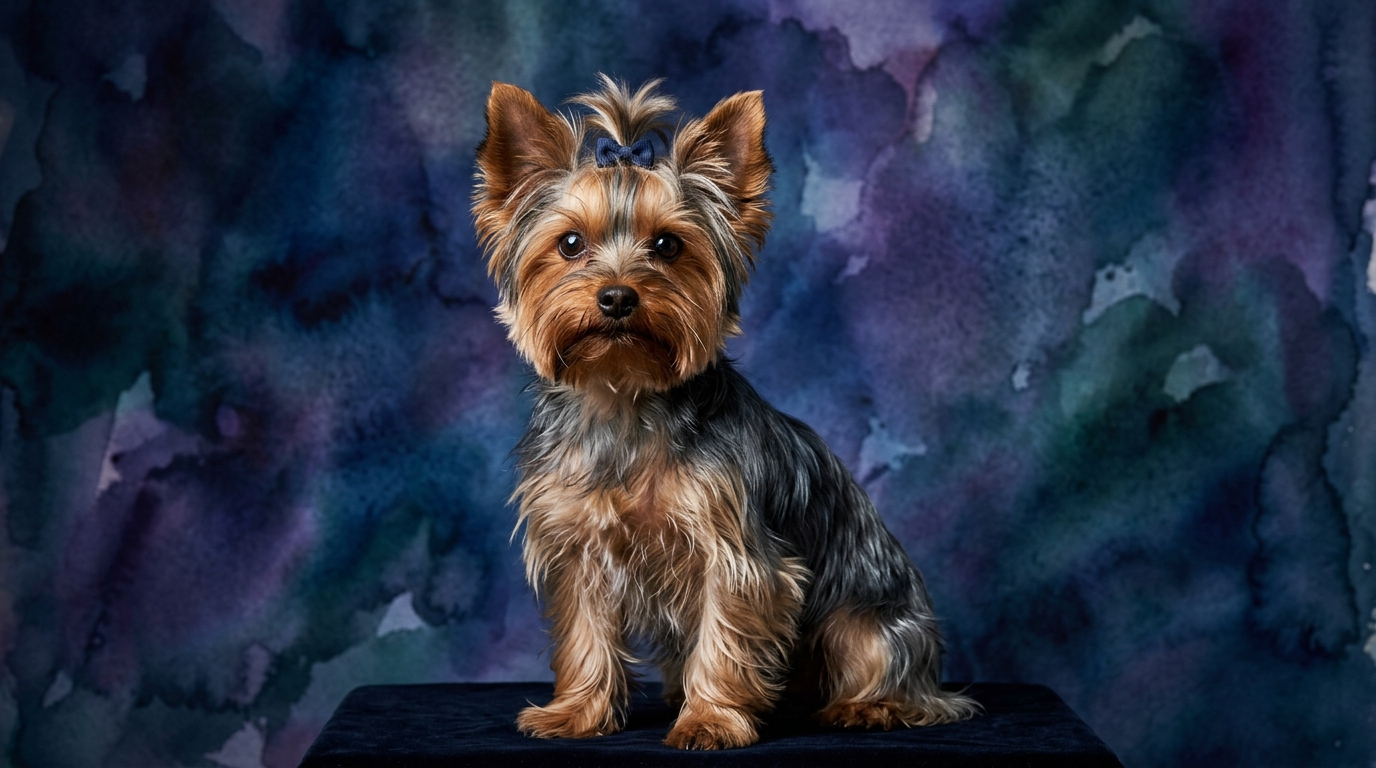
The Yorkshire Terrier, ranked #27 by Coren, presents a well-rounded cognitive profile. Its problem-solving ability scores a solid 3/5, indicating a capacity for navigating moderately complex challenges. Training speed is a notable 4/5, suggesting a quick grasp of new commands and routines, often eager to engage in learning. Social intelligence also stands at 4/5, reflecting a keen awareness of human cues and a desire for interaction. An instinctive drive of 4/5 points to strong internal motivation, typical of its terrier heritage, often manifesting in spirited play or determined pursuit. Finally, its memory score of 4/5 indicates good retention of learned behaviors and experiences.
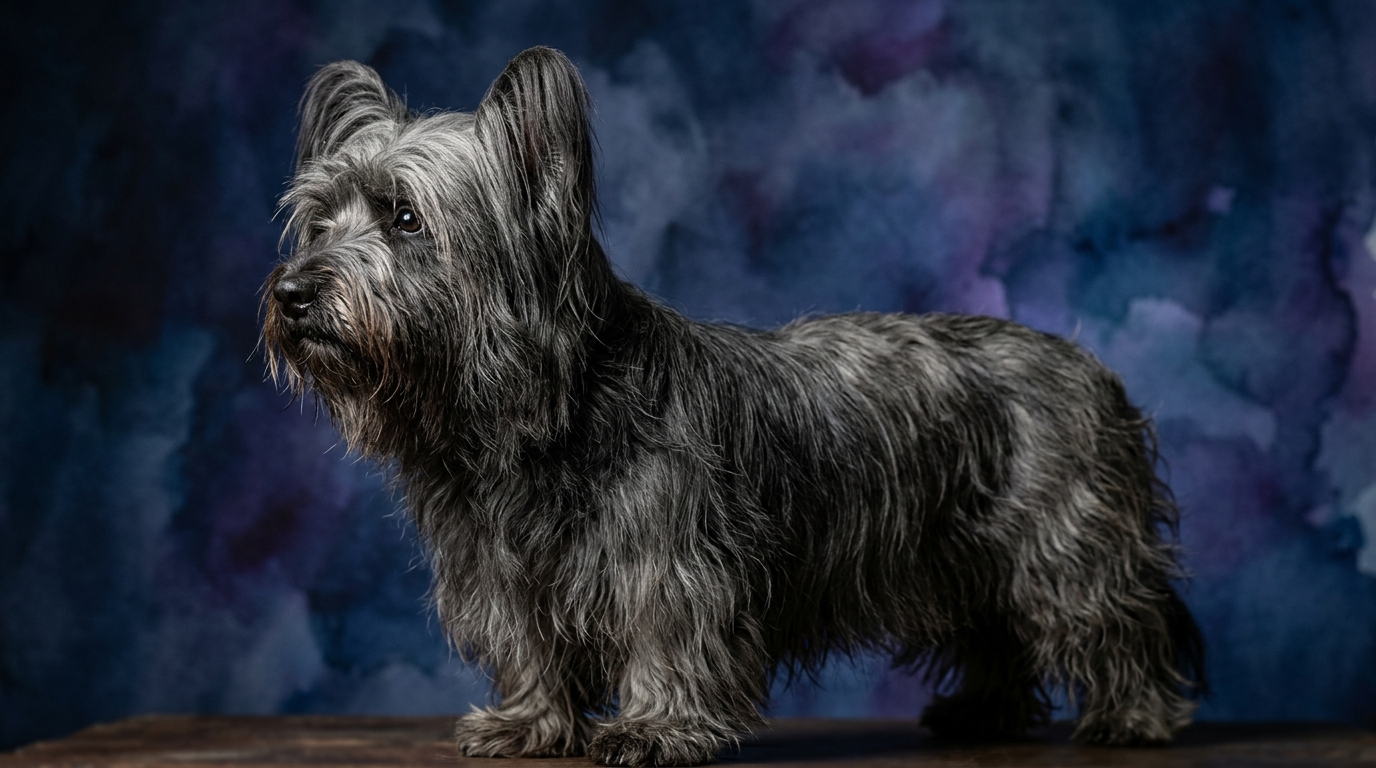
The Skye Terrier, while not Coren-ranked, possesses a distinct cognitive blueprint. Its problem-solving ability mirrors the Yorkie at 3/5, demonstrating an equal capacity for independent thought in challenging situations. However, its training speed registers 3/5, implying that while trainable, it may require more repetition and patience to master new tasks compared to its Yorkshire counterpart. Social intelligence also sits at 3/5, suggesting a more reserved or selective approach to social interactions, perhaps less overtly people-focused. An instinctive drive of 3/5 indicates a persistent terrier spirit, though potentially less intense or easily channeled than the Yorkie's. Its memory, at 3/5, suggests a competent recall of information, albeit perhaps not as sharp or immediate as the Yorkie's.
Where the Yorkshire Terrier Cognitively Excels
The Yorkshire Terrier's cognitive profile showcases several distinct advantages for owners seeking a highly responsive and interactive companion. Its superior training speed (4/5) means it typically picks up new commands and house rules with greater alacrity, making early training phases smoother and more rewarding. This quick learning is often coupled with its higher social intelligence (4/5), allowing it to more readily interpret human emotions and intentions, fostering a deeper, more nuanced bond. Furthermore, the Yorkie's enhanced instinctive drive (4/5) can be a significant asset when channeled into activities like agility or obedience, as it provides strong internal motivation for engagement and task completion. Its better memory (4/5) ensures that once a behavior is learned, it is retained effectively, reducing the need for constant re-training and contributing to a more consistent companion.
Where the Skye Terrier's Cognitive Profile Shines
While the Skye Terrier's scores might appear lower in comparison, its unique cognitive profile offers distinct advantages for specific owner preferences. Its problem-solving ability (3/5) is on par with the Yorkie, indicating a capacity for independent thought and navigating challenges without constant human intervention. Coupled with a slightly lower social intelligence (3/5) and instinctive drive (3/5), this can translate into a dog that is less prone to overthinking social cues or becoming overly dependent on human direction for task completion. The Skye Terrier's cognitive makeup suggests a more self-reliant approach; it might be less distracted by external stimuli or human encouragement when focused on a task, demonstrating a persistent, tenacious drive characteristic of its working heritage. Its cognitive strengths lie in a dignified independence, allowing it to maintain focus on its own terms.
Training Aptitude: Which is Easier?
Based on their cognitive profiles, the Yorkshire Terrier is generally easier to train. Its training speed of 4/5, compared to the Skye Terrier's 3/5, means Yorkies typically learn new commands more quickly and require fewer repetitions to solidify behaviors. This difference is often linked to their higher social intelligence (Yorkie 4/5 vs. Skye 3/5) and instinctive drive (Yorkie 4/5 vs. Skye 3/5). A Yorkshire Terrier's greater social awareness makes it more attuned to an owner's cues and desires, often eager to please and respond to positive reinforcement.
In contrast, the Skye Terrier's slightly lower scores suggest a more independent learner. While perfectly capable of being trained, they may require more patience, consistency, and a clear understanding of their independent nature. Skye Terriers might be less inclined to perform simply for human approval and might need training methods that appeal to their inherent tenacity and problem-solving skills, rather than relying solely on social motivation.
Lifestyle Match: Active vs. Relaxed Owners
The choice between these two terriers often depends on an owner's lifestyle and their preference for canine engagement. The Yorkshire Terrier, with its higher social intelligence (4/5) and instinctive drive (4/5), generally thrives with active owners who enjoy consistent interaction, training, and mental stimulation. These dogs often appreciate being involved in daily activities, whether it’s learning new tricks, participating in dog sports, or simply being a constant companion on outings. Their cognitive makeup suggests they are more likely to seek out and respond to engagement, making them a good fit for owners who want a highly interactive and responsive pet.
Conversely, the Skye Terrier, with its slightly more reserved social intelligence (3/5) and instinctive drive (3/5), might be a better match for more relaxed owners. While still a terrier that requires exercise and mental engagement, the Skye may be content with periods of independent activity and less constant overt interaction. They might appreciate a calm home environment where they can observe and engage on their own terms, making them suitable for owners who value a more dignified, self-sufficient companion that doesn't demand constant attention, yet still enjoys quality time together.
The Verdict
Select a Yorkshire Terrier if you desire a highly responsive, socially engaged companion eager to learn and participate actively in your daily life, thriving on consistent interaction and mental challenges.
Opt for a Skye Terrier if you appreciate a more independent, tenacious companion with a dignified demeanor, capable of self-amusement and content with a steady, less overtly demanding presence in your home.
🧠 Find Your Pet's IQ Score
Our Pet IQ Lab assessment covers 25+ tests across 5 cognitive dimensions — personalized to your breed.
Take the Full IQ Test →Frequently Asked Questions
Is a Yorkshire Terrier good for first-time dog owners?
Yes, a Yorkshire Terrier's higher training speed and social intelligence make them generally more adaptable and responsive to first-time owners who are committed to consistent training and socialization. Their eager-to-please nature can simplify the learning process for both dog and owner.
Do Skye Terriers require a lot of grooming?
Skye Terriers do require regular grooming to maintain their long, flowing double coat, typically needing weekly brushing to prevent mats and tangles, along with occasional professional trims. This grooming routine is essential for their health and appearance.
What kind of mental stimulation do these terriers need?
Both terriers benefit from mental challenges like puzzle toys, scent work, and learning new commands, though the Yorkshire Terrier might engage more readily due to its higher social drive. Skye Terriers also enjoy problem-solving but may prefer to work through tasks with more independence.