Side-by-Side Cognitive Profile: Yorkshire Terrier vs. Standard Schnauzer
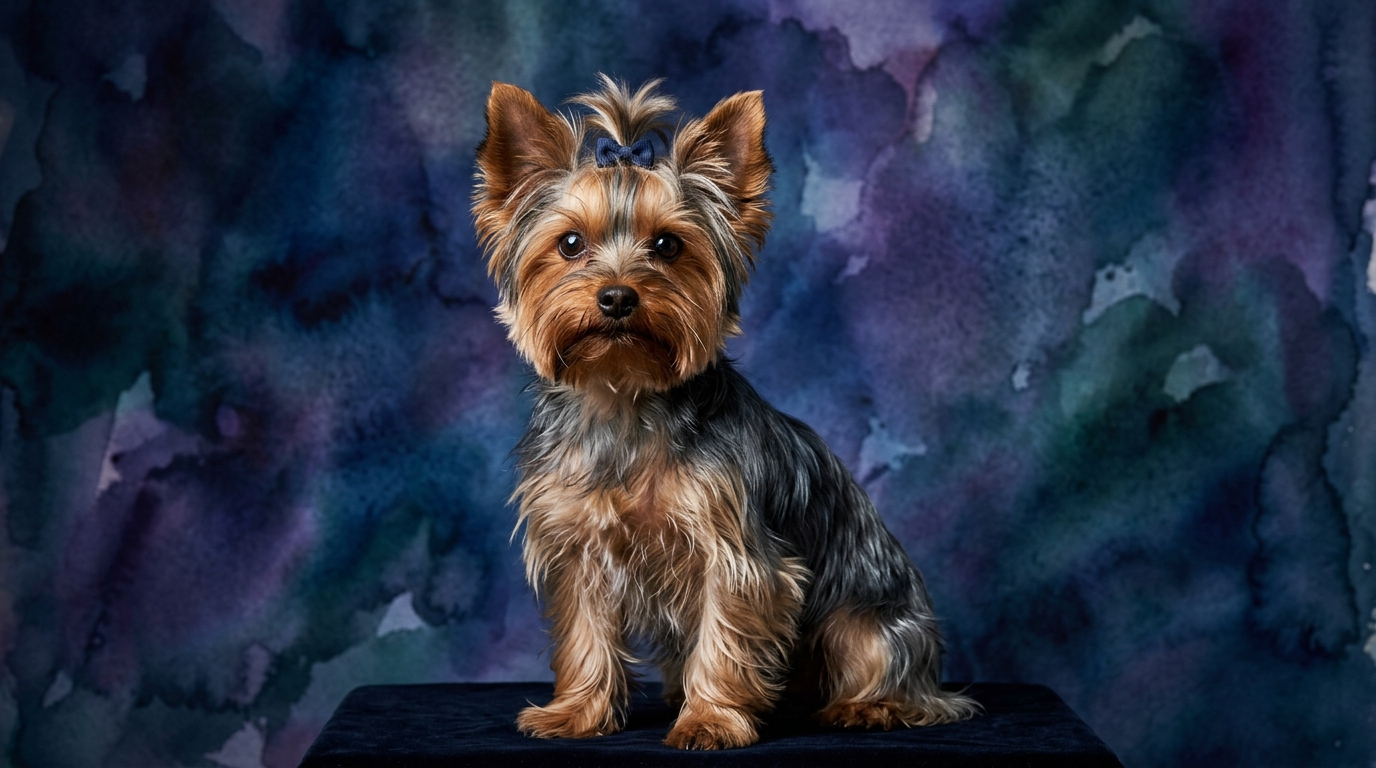
At The Cosmic Pet Pet IQ Lab, we analyze five key dimensions of canine cognition to build a comprehensive profile for each breed. The Yorkshire Terrier, classified within the Terrier group, holds a Coren rank of #27. Its cognitive scores include: Problem Solving 3/5, Training Speed 4/5, Social Intelligence 4/5, Instinctive Drive 4/5, and Memory 4/5. This profile suggests a companion animal with a keen awareness of its social environment and a quick grasp of learned behaviors.
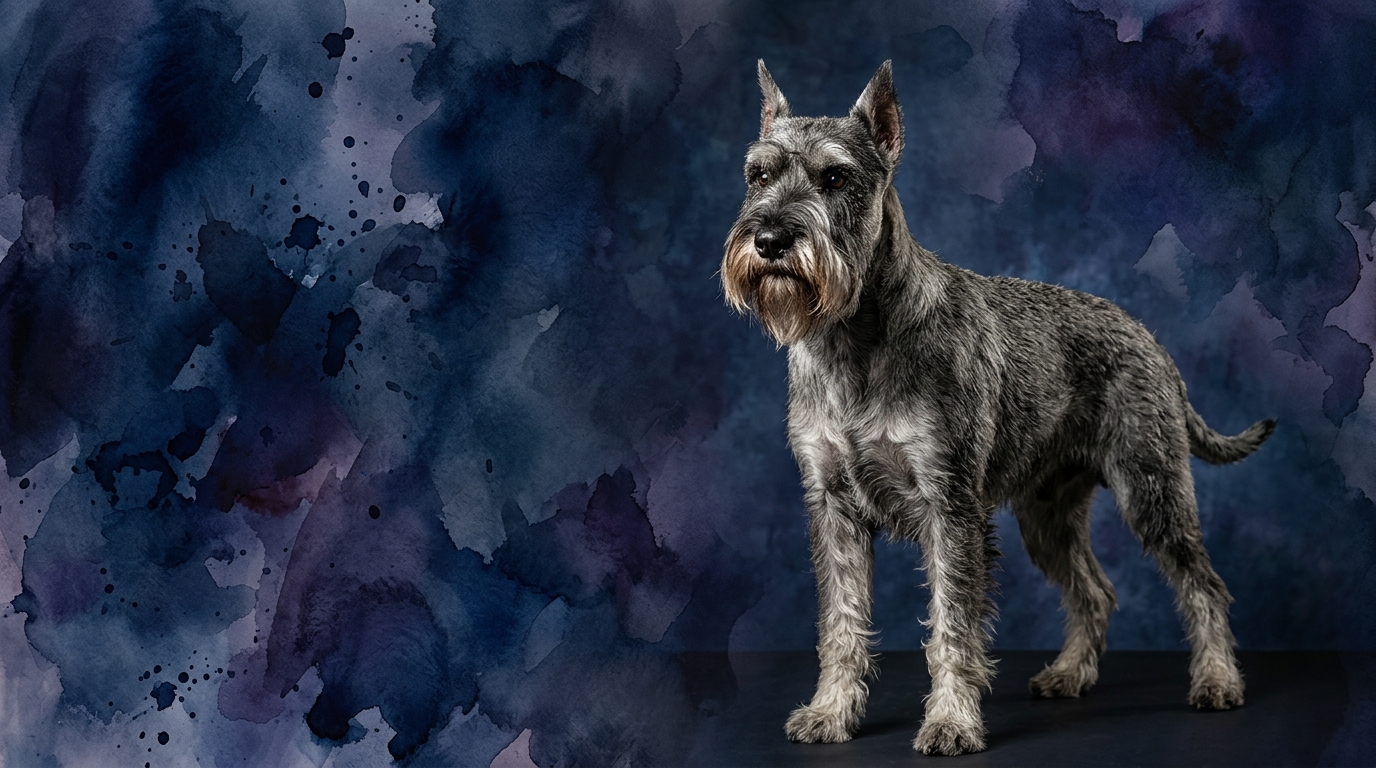
Conversely, the Standard Schnauzer, a member of the Working group, ranks higher on the Coren scale at #22. Its cognitive breakdown features: Problem Solving 4/5, Training Speed 4/5, Social Intelligence 3/5, Instinctive Drive 3/5, and Memory 4/5. This indicates a dog with a strong capacity for independent thought and effective retention of information.
Let's delve into each dimension. For Problem Solving, the Yorkshire Terrier's 3/5 suggests they can master routine challenges and learn sequential tasks with consistent guidance, such as navigating a familiar obstacle course or figuring out how to access a favorite toy from a simple puzzle. They thrive on clear instructions and repetition to solidify their understanding of how to overcome obstacles in their environment, generally preferring a structured approach to novel dilemmas.
The Standard Schnauzer's 4/5 in Problem Solving points to a more independent and analytical mind. These dogs are often observed strategizing solutions to new puzzles, such as figuring out how to open a gate or manipulate objects to achieve a goal. They display a proactive curiosity in their environment, often experimenting with different approaches to tackle unforeseen challenges, and can adapt their strategies based on past experiences.
In Training Speed, both breeds score an impressive 4/5. This indicates that both Yorkshire Terriers and Standard Schnauzers absorb new commands and behaviors with remarkable efficiency, requiring fewer repetitions than many other breeds to form lasting associations between cues and actions. Their ability to quickly internalize new instructions makes them responsive students in structured learning environments, providing a rewarding experience for dedicated trainers.
Social Intelligence for the Yorkshire Terrier stands at 4/5. This suggests a profound capacity to read and respond to human emotions, intentions, and social cues. They often form deep, reciprocal bonds with their human companions, appearing highly attuned to mood shifts and social dynamics within the household. This acumen makes them highly interactive and responsive family members, often seeking to engage and participate in human activities.
The Standard Schnauzer, with a 3/5 in Social Intelligence, demonstrates a more reserved but still capable understanding of social interactions. While they bond strongly with their family, their interpretation of social cues might be more direct and less nuanced than the Yorkshire Terrier's. They appreciate clear communication and consistency, forming loyal attachments but perhaps not always seeking the same level of constant social engagement or emotional mirroring.
Instinctive Drive for the Yorkshire Terrier is 4/5. This score reflects a strong manifestation of their terrier heritage, including a pronounced drive to chase, explore, and sometimes 'work' independently. This might translate into a keen interest in small moving objects, a desire to investigate scents, or a determined persistence in their pursuits, requiring owners to provide appropriate outlets for these inherent behaviors.
The Standard Schnauzer's Instinctive Drive at 3/5 indicates a more moderate expression of inherent working dog traits. While they possess a natural inclination for tasks and a guarding instinct typical of their group, these drives are generally more manageable and less intensely focused than those of the Yorkshire Terrier. They are motivated by purpose and protection, but their natural urges can often be channeled effectively into structured activities.
Finally, Memory for both breeds is a robust 4/5. This shared high score means that both Yorkshire Terriers and Standard Schnauzers excel at retaining learned commands, routines, and experiences over long periods. They are unlikely to 'forget' training, provided it was thoroughly instilled, and they can recall complex sequences of actions, making them consistent performers once a behavior is mastered. This strong memory also contributes to their ability to form lasting associations with people, places, and events.
Where the Yorkshire Terrier Wins Cognitively
The Yorkshire Terrier shines particularly in its Social Intelligence and Instinctive Drive, both scoring 4/5, which are higher than the Standard Schnauzer's respective scores. Their elevated social intelligence means they are often more adept at reading subtle human cues and integrating themselves into family dynamics, making them exceptionally responsive to emotional feedback. This sensitivity can foster a very deep and intuitive connection with their primary caregivers, allowing them to anticipate needs and react to nuances in tone and body language.
Furthermore, their higher Instinctive Drive, while sometimes posing challenges if not channeled, also means they possess an inherent zest for life and engagement. This robust drive can be a cognitive advantage when directed towards tasks that leverage their tenacious spirit, such as agility, scent work, or competitive obedience where their determination to pursue a goal can be harnessed. This intense focus, once engaged, can make them incredibly persistent in mastering a task they deem worthwhile, driven by an internal motivation.
Where the Standard Schnauzer Wins Cognitively
The Standard Schnauzer distinguishes itself with a superior Problem Solving score of 4/5, surpassing the Yorkshire Terrier's 3/5, and a higher Coren rank (#22 vs. #27). This indicates a dog with a greater capacity for independent analytical thinking and self-directed problem-solving. They are often observed to be more resourceful in novel situations, capable of figuring out solutions without direct human intervention, such as manipulating latches or devising new routes to a desired location, showcasing a proactive cognitive approach.
Their cognitive strength in problem-solving means they are less reliant on rote memorization and more capable of applying learned principles to new contexts. This adaptability makes them particularly suited for roles requiring strategic thought and versatility, such as complex obedience routines, protection work, or even search and rescue, where the ability to interpret a situation and act decisively is paramount. Their cognitive profile suggests a dog that thinks through challenges rather than merely reacting to them.
Which is Easier to Train and Why
While both breeds share an excellent Training Speed score of 4/5, suggesting they both learn new commands quickly, the nuances of their other cognitive dimensions influence the overall training experience. The Yorkshire Terrier's higher Social Intelligence (4/5) often translates to an eagerness to please and a strong desire for human approval, which can make them highly motivated to comply during training sessions. They are often receptive to positive reinforcement that emphasizes connection and praise, making the training process feel very collaborative and rewarding for an owner who values a strong emotional bond.
However, the Yorkshire Terrier's higher Instinctive Drive (4/5) means they might also be more prone to distractions from environmental stimuli, such as small moving objects or intriguing scents. This requires consistent focus training and careful management of their environment to ensure their attention remains on the task at hand. While they learn quickly, their tenacious terrier spirit can sometimes manifest as stubbornness if they perceive a task as uninteresting or if their instincts override their desire to comply, requiring patient and creative training approaches.
The Standard Schnauzer, despite having the same Training Speed score, might present a different training dynamic due to its lower Social Intelligence (3/5) and Instinctive Drive (3/5). Their training is often characterized by a more task-oriented approach; they respond well to clear, consistent commands and appreciate having a job to do. Their moderate instinctive drive means they might be less easily sidetracked by environmental distractions compared to a Yorkie, allowing for more focused training sessions.
However, their slightly lower social intelligence might mean they are less overtly concerned with pleasing their handler and more motivated by the inherent reward of completing a task or the direct benefit of compliance. This can sometimes be interpreted as independence. Successful training with a Standard Schnauzer often involves establishing clear leadership and providing varied, engaging tasks that challenge their problem-solving abilities, harnessing their intellectual curiosity rather than relying solely on social appeasement.
Which Suits Active Owners vs. Relaxed Owners
For active owners seeking a dog with a zest for engagement and a spirited demeanor, the Yorkshire Terrier presents a compelling choice. Their higher Instinctive Drive (4/5) means they thrive on activities that engage their natural curiosities and tenacity, such as daily walks, interactive play, and even dog sports like agility or earthdog trials where their determination can shine. Owners who enjoy consistent mental stimulation through training games and varied experiences will find the Yorkie's quick learning and social responsiveness rewarding.
The Standard Schnauzer, with its robust Problem Solving (4/5) and Working group heritage, is also well-suited for active owners who appreciate a dog with purpose and a desire for mental challenges. They excel in activities like obedience, tracking, or protection sports, where their analytical mind and stamina can be fully utilized. While their instinctive drive is moderate, they require consistent exercise and structured activities that engage both their body and their intellect, making them ideal for owners who enjoy a partner for outdoor adventures and structured training regimens.
For more relaxed owners, the choice becomes nuanced. A Yorkshire Terrier can adapt to a less demanding physical routine if their significant need for social interaction and mental engagement is met through indoor games, puzzle toys, and consistent companionship. Their high social intelligence means they genuinely enjoy being part of the family's daily life, even if that involves quiet evenings at home. However, their strong instinctive drive still necessitates careful management to prevent boredom-induced behaviors.
A Standard Schnauzer might also suit a relaxed owner who is prepared to provide consistent, quality exercise and mental stimulation, rather than constant, high-intensity activity. Their moderate instinctive drive means they are generally content after a good walk or a training session, and their independent problem-solving skills can make them less prone to constant demands for attention. They appreciate a calm, structured environment, but it's crucial that their cognitive needs are met through regular, engaging activities to prevent them from becoming restless or inventing their own, potentially undesirable, 'work'.
The Verdict: When to Choose Each
The Verdict
Choose the Yorkshire Terrier if you seek a highly socially attuned companion who quickly learns commands and thrives on deep emotional connection, provided you can channel their spirited instinctive drives with engaging, consistent activities.
Opt for the Standard Schnauzer if you desire a self-reliant, problem-solving partner who excels in structured tasks and requires a balanced approach to mental and physical stimulation, appreciating a clear and purposeful relationship.
🧠 Find Your Pet's IQ Score
Our Pet IQ Lab assessment covers 25+ tests across 5 cognitive dimensions — personalized to your breed.
Take the Full IQ Test →Frequently Asked Questions
Do Yorkshire Terriers get bored easily if not mentally stimulated?
Yes, with a 4/5 Instinctive Drive and 4/5 Memory, Yorkshire Terriers require consistent mental engagement to prevent boredom. They thrive on interactive games, learning new tricks, and opportunities to explore, ensuring their keen minds are productively occupied.
Are Standard Schnauzers difficult to train due to their independence?
Not necessarily difficult, but their 4/5 Problem Solving and 3/5 Social Intelligence suggest they respond best to clear, consistent, and engaging training that appeals to their desire for purpose. Establishing strong leadership and offering varied tasks can make training very effective.
Which breed is better for a first-time dog owner?
Both breeds can be suitable for first-time owners willing to commit to consistent training and socialization. The Yorkshire Terrier's higher social intelligence might make initial bonding easier, while the Standard Schnauzer's moderate instinctive drive could lead to fewer management challenges with proper exercise and mental engagement.