Side-by-Side Cognitive Profile
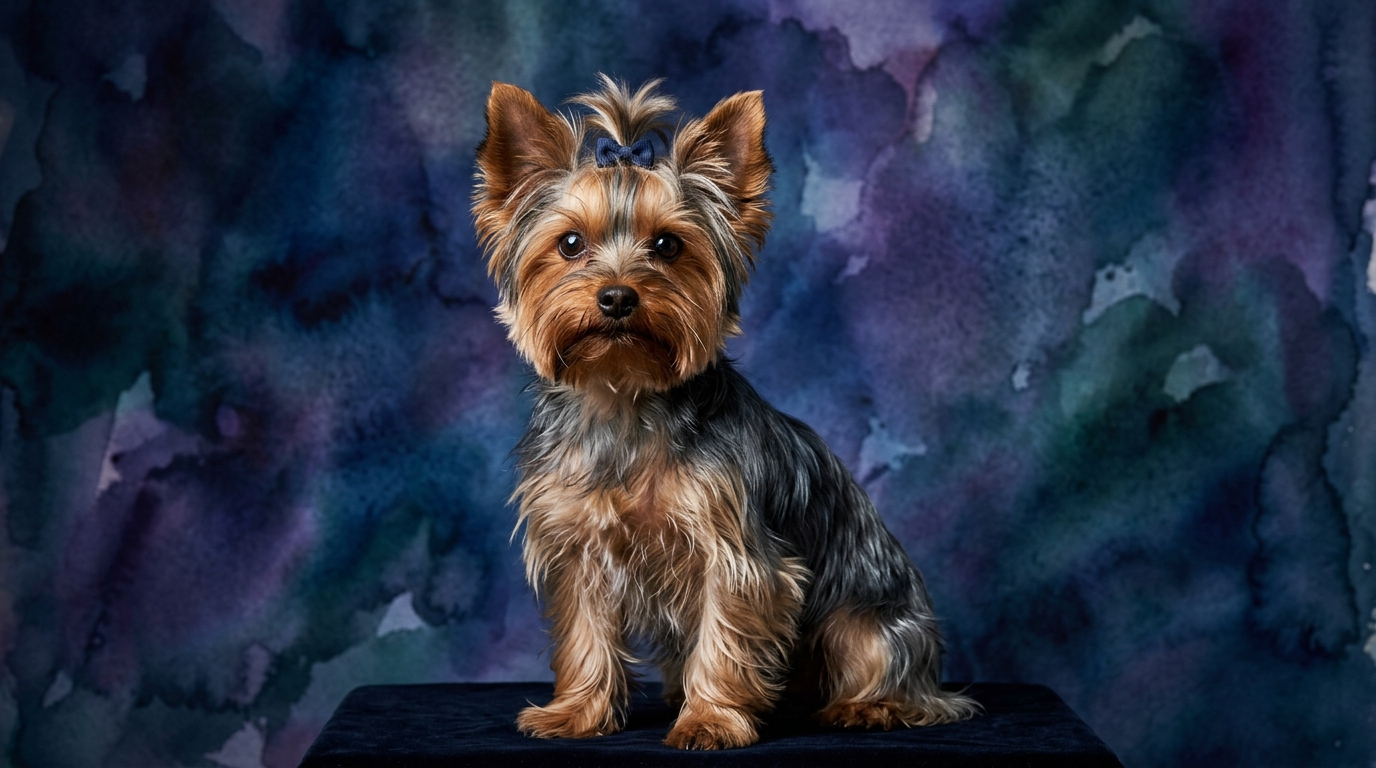
The Cosmic Pet Pet IQ Lab offers a comprehensive look at canine intelligence across five key dimensions. For the Yorkshire Terrier, a breed with a Coren ranking of #27 in working and obedience intelligence, their profile suggests a nuanced blend of quick learning and social engagement. Their Problem Solving is rated at 3/5, indicating a moderate ability to navigate novel situations independently, often relying on their inherent tenacity. Training Speed stands at a robust 4/5, reflecting their rapid grasp of new commands and routines, often driven by a desire to interact. Social Intelligence also scores high at 4/5, showcasing their aptitude for reading human cues and adapting within family dynamics, fostering deep connections. Instictive Drive, at 4/5, highlights their pronounced terrier traits like chasing and digging, guiding many of their natural behaviors. Finally, their Memory is strong at 4/5, enabling consistent recall of learned information and experiences.
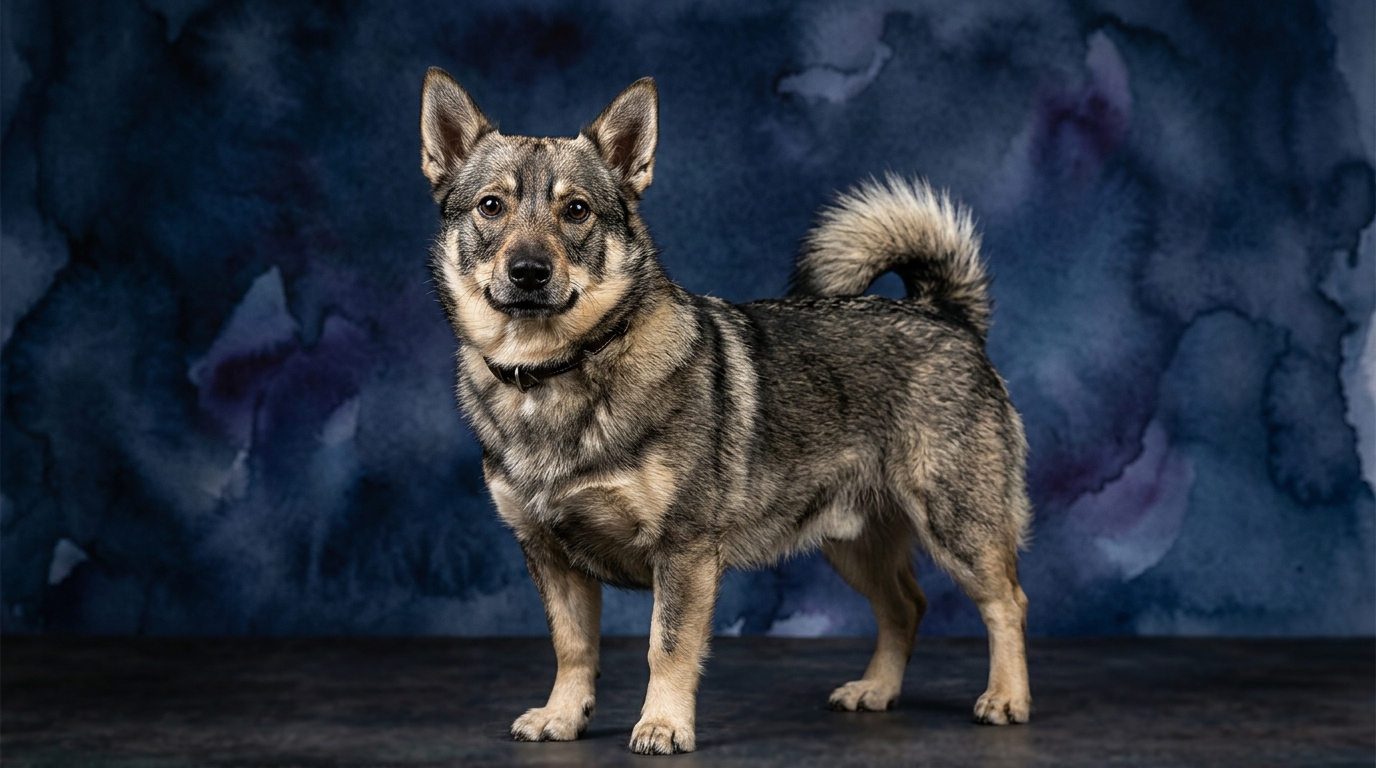
The Swedish Vallhund, while not included in Coren's specific ranking, presents a distinct cognitive blueprint rooted in its herding background. Their Problem Solving is also rated 3/5, suggesting a practical intelligence for navigating their environment, often applying their herding instincts to new scenarios. Training Speed is rated 3/5, indicating they learn at a steady pace, benefiting from consistent and engaging instruction to maintain focus. Social Intelligence also comes in at 3/5; they are capable of understanding their human companions and their role in the social structure, though perhaps with less overt expressiveness than some breeds. Their Instinctive Drive, similarly at 3/5, reflects a natural inclination for gathering and driving, a manageable herding trait. Memory for the Vallhund is rated 3/5, demonstrating a reasonable capacity to retain learned information and established routines.
Where the Yorkshire Terrier Excels Cognitively
The Yorkshire Terrier demonstrates distinct cognitive advantages in several areas, primarily due to their higher scores in Training Speed, Social Intelligence, and Memory. Their 4/5 Training Speed score suggests a quicker assimilation of new commands and behaviors compared to the Vallhund’s 3/5. This translates into a more fluid and less repetitive training process, where a Yorkie might pick up a new trick or obedience cue in fewer sessions. Their eagerness to engage and smaller stature can also make them more agile in learning complex sequences or participating in competitive obedience at their size class.
In Social Intelligence, the Yorkie's 4/5 rating indicates a more refined capacity to interpret and respond to human emotions and intentions. This allows them to integrate more seamlessly into diverse family dynamics, often anticipating their owners' moods or needs with a subtle perceptiveness. This stronger social bond can make them particularly responsive to their human companions, enhancing their trainability and overall companionship. Furthermore, their 4/5 Memory score suggests a superior retention of learned information and established routines over extended periods, meaning they require fewer refreshers and maintain consistent performance, solidifying their training and behavioral consistency.
Where the Swedish Vallhund Shows Unique Cognitive Strengths
While the Swedish Vallhund's scores may appear numerically lower or equal in some areas, their cognitive strengths are often expressed through a different lens, particularly in the practical application of their instincts. Both breeds share a 3/5 in Problem Solving, but the Vallhund’s problem-solving often manifests in spatial and environmental challenges inherent to their herding lineage. They excel at understanding and manipulating group dynamics or anticipating movement, a distinct cognitive challenge compared to a Yorkie’s typical domestic environment. This practical intelligence allows them to assess and respond to their surroundings with a purposeful, task-oriented approach.
Their Instinctive Drive, while rated 3/5, is typically channeled into functional, purposeful work. The Vallhund possesses a natural inclination for 'gathering' and 'driving', which, when properly directed, showcases a unique cognitive application of their instincts for a specific task. This structured, functional drive differs from the more generalized, and sometimes self-directed, terrier drive. They can demonstrate an innate understanding of movement patterns and boundary setting, which are complex cognitive tasks tied directly to their historical role. This ability to apply their drive to a directed purpose gives them a distinct advantage in roles requiring focused, sustained work.
Training Dynamics: Yorkshire Terrier vs. Swedish Vallhund
When considering ease of training, the Yorkshire Terrier generally presents a more straightforward experience for many owners, primarily due to their 4/5 scores in Training Speed, Social Intelligence, and Memory. Their quicker grasp of commands and routines means less repetition is needed, and their strong social acumen makes them highly responsive to human interaction and praise. Yorkies are often eager to please and highly motivated by treats and attention, making positive reinforcement a very effective tool. Their smaller size also simplifies physical handling during training sessions, which can be an advantage for novice trainers.
The Swedish Vallhund, with 3/5 scores across these same dimensions, requires a more patient and consistent approach. They are willing learners but may need more repetitions to solidify new commands. Their herding background fosters a degree of independent thinking, meaning they might be more inclined to observe their environment or follow their instincts rather than immediately focusing on human-directed tasks. To maintain their engagement, trainers should employ varied, positive, and stimulating methods, incorporating elements of play and problem-solving. Consistency is paramount to overcome their occasional independent streak and build a strong working relationship.
Lifestyle Match: Active Owners vs. Relaxed Owners
For owners with an active lifestyle, the Swedish Vallhund is often a more suitable companion. Their herding lineage means they thrive on regular physical activity and mental stimulation. These dogs excel in dog sports such as agility, obedience, rally, and even actual herding trials, where their cognitive abilities for problem-solving and instinctive drive can be fully utilized. They require structured exercise and tasks to perform, making them an excellent choice for individuals or families who enjoy outdoor adventures, competitive dog sports, or simply have the time and energy to provide consistent, engaging activities.
Conversely, the Yorkshire Terrier aligns well with more relaxed owners. While they certainly enjoy playtime and walks, their overall exercise requirements are considerably lower due to their diminutive size. They are content with indoor games, short daily strolls, and extensive companionship. Their high social intelligence makes them exceptional lap dogs and devoted family members, fitting seamlessly into a less demanding household dynamic. However, even relaxed owners must ensure mental engagement through puzzle toys, interactive play, and consistent social interaction to prevent boredom and maintain their cognitive sharpness.
The Verdict
For owners seeking a highly social, quick-learning companion who thrives on close interaction and has modest physical exercise needs, the Yorkshire Terrier is an excellent choice.
For those who appreciate a robust, active working breed with a strong drive for purposeful activity and can provide consistent mental and physical challenges, the Swedish Vallhund is an ideal match.
🧠 Find Your Pet's IQ Score
Our Pet IQ Lab assessment covers 25+ tests across 5 cognitive dimensions — personalized to your breed.
Take the Full IQ Test →Frequently Asked Questions
Are Yorkshire Terriers good for first-time dog owners?
Yes, their high social intelligence and quick training speed can make them suitable for first-time owners, provided their spirited terrier nature is understood. Their moderate exercise needs are also manageable for those new to dog ownership.
Do Swedish Vallhunds need a lot of grooming?
Swedish Vallhunds have a double coat that requires moderate grooming. Regular brushing, typically once or twice a week, is usually sufficient to manage shedding and keep their coat healthy.
How do their problem-solving skills differ in daily life?
A Yorkie's problem-solving might involve figuring out how to get a dropped toy or navigate a pet gate, often with tenacity. A Vallhund's problem-solving might lean towards understanding spatial arrangements, like how to round up scattered toys, applying their herding logic.