Side-by-Side Cognitive Profiles
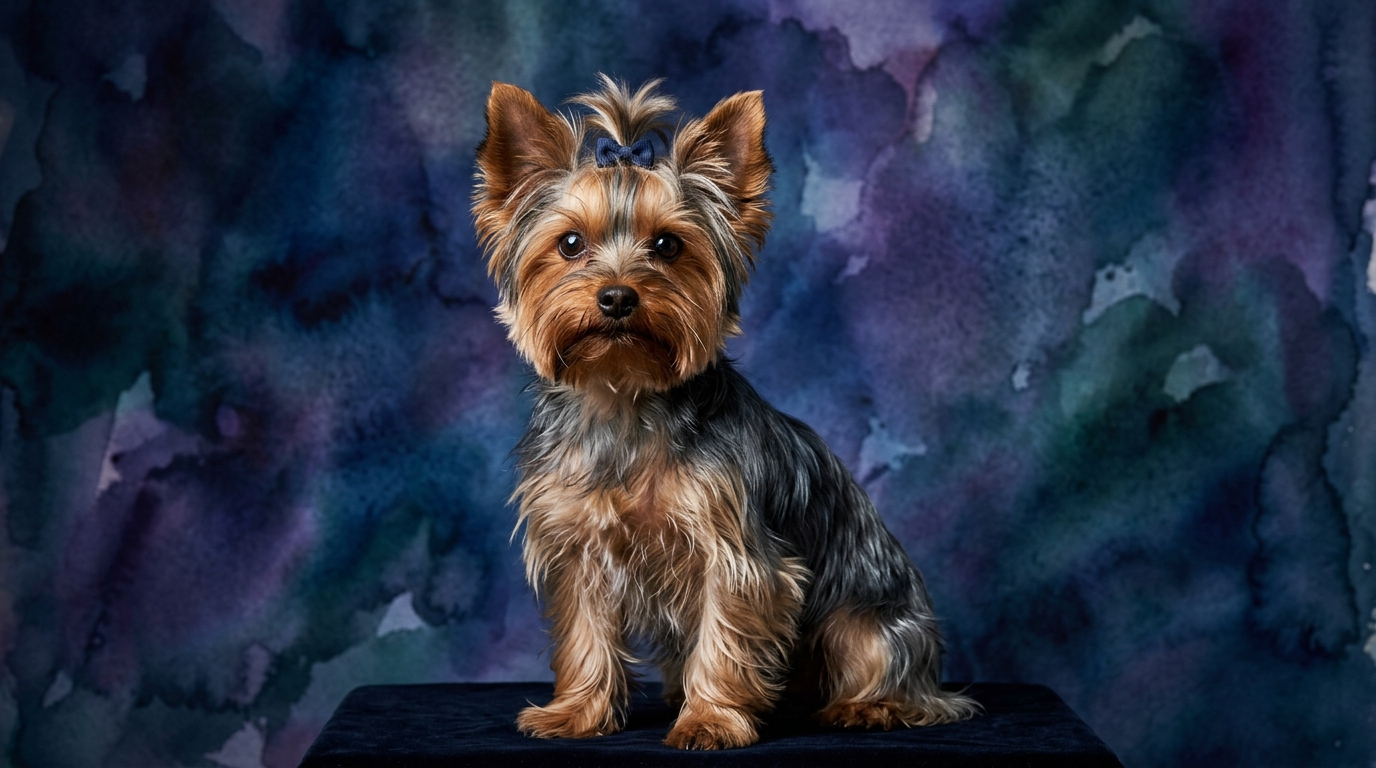
The Yorkshire Terrier (Terrier, Coren rank #27) brings a robust set of cognitive skills to the table. With a Problem Solving score of 3/5, they demonstrate a moderate ability to navigate novel situations independently, often preferring to engage their handler. Their Training Speed of 4/5 indicates a readiness to learn commands swiftly, while a high Social Intelligence of 4/5 suggests they are adept at reading human cues and forming strong interpersonal bonds. An Instinctive Drive of 4/5 highlights their terrier heritage, manifesting as a keen focus on tasks and a determined spirit, complemented by an excellent Memory of 4/5 for retaining experiences and learned behaviors.
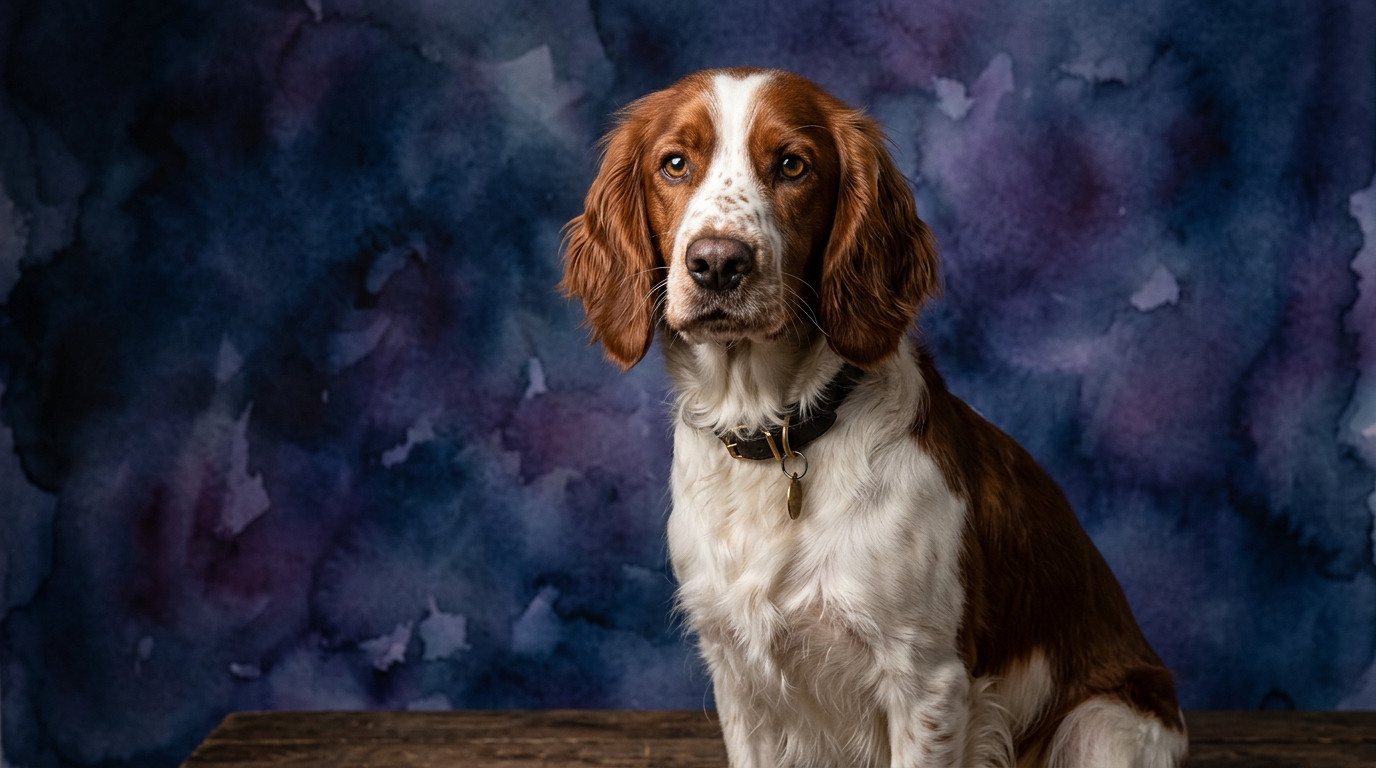
Representing the sporting group, the Welsh Springer Spaniel (Sporting, Coren rank #31) presents a slightly different cognitive emphasis. They excel in Problem Solving with a score of 4/5, indicating a greater aptitude for figuring out complex tasks and adapting to new environments on their own. Their Training Speed matches the Yorkie at 4/5, suggesting similar ease in acquiring new commands. However, their Social Intelligence is a moderate 3/5, implying they might be less overtly focused on human interaction, while their Instinctive Drive of 3/5 points to a moderate natural inclination for their original hunting tasks. A Memory score of 4/5 ensures they retain information well, crucial for their working roles.
Where the Yorkshire Terrier Wins Cognitively
The Yorkshire Terrier’s distinct edge lies primarily in its superior Social Intelligence (4/5 vs. 3/5). This means a Yorkie is typically more attuned to human emotions and intentions, often seeking out interaction and responding keenly to their handler's moods. They possess a remarkable capacity for forming deep, almost intuitive, connections, making them highly responsive in social settings and quick to integrate into family dynamics, often feeling like an extension of their owner.
Furthermore, the Yorkie's higher Instinctive Drive (4/5 vs. 3/5) gives them a tenacious spirit and a focused determination that can be channeled effectively. While this might manifest as a strong prey drive or a stubborn streak, it also means they approach tasks with an inherent zest and a persistent drive to complete them. This inherent pluckiness, a hallmark of the terrier group, gives them an advantage in activities requiring sustained focus and independent action, particularly when their innate drives are engaged.
Where the Welsh Springer Spaniel Wins Cognitively
The Welsh Springer Spaniel truly shines in its Problem Solving capabilities, scoring a decisive 4/5 compared to the Yorkie’s 3/5. This higher aptitude means they are more adept at navigating complex scenarios, figuring out how objects work, or devising solutions to environmental challenges independently. They possess a keen observational intelligence, often analyzing situations before acting, which makes them excellent candidates for puzzle toys, scent work, or intricate agility courses where strategic thinking is paramount.
This breed's problem-solving prowess also contributes to their adaptability in various settings. A Welsh Springer is more likely to assess a novel situation and determine the best course of action on its own, rather than solely relying on direct cues from its owner. Their ability to process information and apply logical steps to achieve an outcome makes them highly effective in tasks that require more than rote memorization, engaging owners who enjoy interactive brain games and activities stimulating independent thought.
Training Ease: Yorkie vs. Welsh Springer
Both breeds share an impressive Training Speed of 4/5, indicating they can learn new commands and routines with comparable efficiency. However, the nuances of their other cognitive scores dictate *how* that training unfolds and what motivates them. The Yorkshire Terrier, with its higher Social Intelligence (4/5), often excels in training because of its strong desire to please and connect with its human. They are highly motivated by praise, affection, and the opportunity for shared activity, making positive reinforcement a powerful tool, resulting in a collaborative training experience.
Conversely, the Welsh Springer Spaniel, despite its equally quick learning pace, might require a slightly different approach. Their superior Problem Solving (4/5) means they grasp the mechanics of a command swiftly, but their moderate Social Intelligence (3/5) suggests they might be less driven solely by human approval. Instead, they might be more motivated by the inherent reward of the task itself, such as retrieving a toy. Training a Welsh Springer can therefore benefit from incorporating more engaging, task-oriented activities that appeal to their problem-solving nature.
Matching Owners: Active vs. Relaxed Lifestyles
For active owners seeking a dog with robust mental and physical demands, the Welsh Springer Spaniel presents a compelling choice. Their higher Problem Solving score indicates a need for consistent mental stimulation through activities like agility, scent work, or complex obedience tasks that challenge their intellect. As a sporting breed, they possess a foundational stamina and a desire for outdoor exploration, requiring regular, vigorous exercise to remain content and balanced. An owner who enjoys hiking, field work, or structured training will find a willing and capable partner whose cognitive strengths are best utilized when given opportunities to think and work.
The Yorkshire Terrier, while small, is far from a sedentary lapdog and can certainly thrive with active owners who enjoy interactive play and consistent mental engagement. Their strong Instinctive Drive and high Social Intelligence mean they require outlets for their terrier spirit and a great deal of interactive attention. They excel in activities like competitive obedience, trick training, or even mini-agility. For more relaxed owners, a Yorkie can adapt, provided their social and mental needs are met through consistent, engaging play and interaction within the home, prioritizing companionship over extensive independent exercise.
The Verdict
Choose the Yorkshire Terrier if you prioritize a deeply social, highly interactive companion who thrives on human connection and spirited, focused engagement within a smaller package. They are ideal for owners who appreciate a dog with a tenacious spirit and a desire to be an active participant in family life.
Opt for the Welsh Springer Spaniel if you seek a thoughtful, independently capable partner for outdoor adventures and mental challenges, who enjoys solving puzzles and engaging in task-oriented activities. They are best suited for owners who can provide consistent structured exercise and intellectual stimulation.
🧠 Find Your Pet's IQ Score
Our Pet IQ Lab assessment covers 25+ tests across 5 cognitive dimensions — personalized to your breed.
Take the Full IQ Test →Frequently Asked Questions
Is the Yorkshire Terrier difficult to train due to its terrier instincts?
While Yorkshire Terriers possess a strong instinctive drive, their high social intelligence and training speed mean they are generally receptive to training. Consistency, positive reinforcement, and channeling their natural tenacity into productive tasks are key to success, as they thrive on interactive learning with their humans.
How much mental stimulation does a Welsh Springer Spaniel need daily?
Welsh Springer Spaniels require significant daily mental stimulation due to their high problem-solving abilities. This can include puzzle toys, interactive games, scent work, or training sessions that challenge them to think, ideally for at least 30-60 minutes in addition to physical exercise.
Can a Yorkshire Terrier live in an apartment and still be cognitively satisfied?
Yes, a Yorkshire Terrier can thrive in an apartment, provided their cognitive and physical needs are met through consistent interaction. Their strong social intelligence means they prioritize companionship, and their moderate exercise needs can often be met with indoor play and regular walks, complemented by engaging mental games.