
Side-by-Side Cognitive Profiles
The Yorkshire Terrier, ranking #27 on the Coren intelligence scale, presents a vibrant cognitive tapestry. Their Problem Solving ability, rated 3/5, indicates a capacity for navigating everyday challenges and figuring out how to get what they want, though they aren't necessarily master strategists. Where they truly shine is in Training Speed, scoring 4/5; these bright sparks grasp new commands and routines with impressive alacrity, often eager to please their human companions. Their Social Intelligence, also 4/5, means they are adept at reading human cues and adapting their behavior accordingly, making them highly responsive and emotionally connected. A robust Instinctive Drive of 4/5 underscores their tenacious terrier heritage, manifesting as a keen interest in chasing and exploring, requiring outlets for this innate energy. Finally, their Memory, at 4/5, ensures that lessons learned, both good and bad, are retained effectively over time.
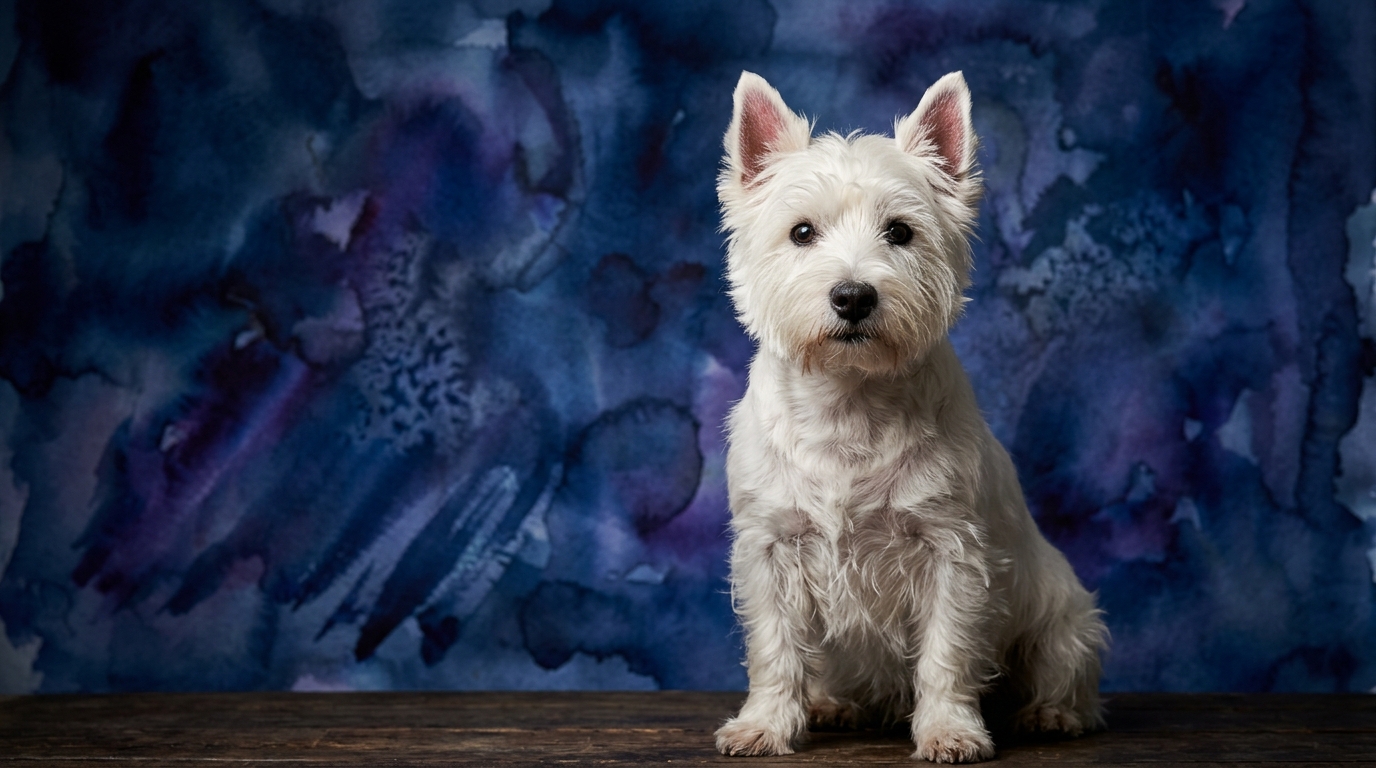
The West Highland White Terrier, positioned at #47 on the Coren scale, offers a distinct, yet equally engaging, set of cognitive traits. Their Problem Solving aptitude, mirroring the Yorkie at 3/5, suggests a practical intelligence for tackling obstacles, but with a characteristic independent streak. Training Speed for the Westie comes in at 3/5, indicating they are certainly trainable, but may require a touch more patience and consistency to solidify new commands compared to their Yorkie counterparts. Their Social Intelligence, rated 3/5, points to a more self-reliant nature; while affectionate, they might be less inclined to constantly seek human direction and possess a charming, sometimes stubborn, independence. An Instinctive Drive of 3/5 reflects their terrier roots, prompting them to explore and dig, though perhaps with a slightly less intense and persistent focus than some other terriers. Like the Yorkie, their Memory is strong at 4/5, allowing them to recall learned behaviors and experiences with reliability.
Where the Yorkshire Terrier Wins Cognitively
The Yorkshire Terrier clearly edges out the Westie in several key cognitive domains, making them a particularly appealing choice for certain lifestyles. Their superior Training Speed (4/5 vs. Westie's 3/5) means Yorkies are often quicker to pick up new commands, tricks, and house rules. This translates to a more fluid and less repetitive training experience, allowing for faster progression in obedience or specialized dog sports. Furthermore, their higher Social Intelligence (4/5 vs. Westie's 3/5) indicates a greater aptitude for understanding and responding to human emotional states and intentions. This makes Yorkies exceptionally tuned into their owners, fostering a deep, responsive bond and often resulting in a more adaptable companion in varied social settings, from busy city streets to quiet home environments. Their pronounced Instinctive Drive (4/5 vs. Westie's 3/5), while requiring proper channeling, can be a cognitive 'win' for owners interested in activities like scent work or agility, where that focused tenacity can be directed towards a task, making them highly motivated participants.
Where the West Highland White Terrier Wins Cognitively
While the Westie’s cognitive scores might appear slightly lower in some areas compared to the Yorkie, their unique profile presents distinct advantages for specific owners. Their slightly lower Social Intelligence (3/5) often translates into a more independent and self-assured demeanor. This isn't a lack of affection, but rather a preference for a bit more personal space and less constant reliance on human direction, which can be a cognitive 'win' for owners who appreciate a dog with strong individuality and less prone to separation anxiety. Similarly, their Instinctive Drive at 3/5, while still present, can be perceived as a more manageable level compared to the Yorkie's 4/5. This slightly less intense drive might mean fewer persistent attempts at digging or chasing, making them potentially easier to integrate into households with less dedicated time for intensive instinct channeling. Their equal Problem Solving (3/5) and Memory (4/5) scores ensure they are capable learners and thinkers, capable of navigating their world with a confident, terrier resolve, without necessarily demanding the same level of constant mental engagement or structured activity as a higher-drive breed.
Which Is Easier to Train and Why
Based on our Pet IQ Lab metrics, the Yorkshire Terrier generally presents as the easier breed to train. Their 4/5 Training Speed score means they typically absorb new commands and routines with greater rapidity and fewer repetitions. This quick uptake is significantly aided by their 4/5 Social Intelligence, which allows them to more readily read and respond to human cues, intentions, and rewards. Yorkies often exhibit a stronger desire to please their owners, making them highly motivated participants in training sessions. In contrast, the West Highland White Terrier’s 3/5 Training Speed suggests a need for more patience and consistency. Their 3/5 Social Intelligence indicates a more independent spirit; Westies are certainly capable of learning, but they may prioritize their own agenda or require more convincing that a command aligns with their interests. This independent streak, while charming, means Westies respond best to positive reinforcement techniques that are consistently applied and make training feel like a fun collaboration rather than a demand. Expect to dedicate more time and creative energy to training a Westie, leveraging their strong memory (4/5) to ensure lessons eventually stick.
Which Suits Active Owners vs. Relaxed Owners
For active owners, both terriers offer companionship, but with different nuances. The Yorkshire Terrier, with its 4/5 Instinctive Drive and 4/5 Training Speed, is an excellent candidate for owners keen on structured activities like agility, obedience trials, or advanced trick training. Their quick learning and eagerness to engage make them enthusiastic partners for mentally stimulating and physically demanding pursuits. They thrive when given a 'job' to do and excel in environments where their tenacity can be channeled. A West Highland White Terrier, while still energetic and enjoying activity, might better suit active owners who prefer less formalized or competitive engagement. Their 3/5 Instinctive Drive means they enjoy brisk walks, exploring new environments, and playful romps, but might not require the same intensity of structured mental work to prevent boredom. For relaxed owners, the choice hinges on how they define 'relaxed.' A Yorkie, despite its energy, can adapt well to apartment living if given sufficient daily walks and mental puzzles, thanks to its high social intelligence and adaptability. However, their higher drive means neglecting mental stimulation could lead to undesirable behaviors. A Westie's independent nature (3/5 Social Intelligence) might appeal to relaxed owners who appreciate a dog that is less demanding of constant interaction, content to observe or nap nearby. However, their inherent terrier curiosity and problem-solving (3/5) still necessitate engaging activities to prevent boredom, making daily walks and puzzle toys essential for a well-adjusted companion, regardless of their slightly lower overall drive intensity.
The Verdict
Choose a Yorkshire Terrier if you seek a highly trainable, socially responsive companion eager to engage in structured activities and form a deep, communicative bond.
Opt for a West Highland White Terrier if you appreciate a charmingly independent, self-assured companion who offers strong loyalty without constant demands for attention, thriving with consistent, positive reinforcement.
🧠 Find Your Pet's IQ Score
Our Pet IQ Lab assessment covers 25+ tests across 5 cognitive dimensions — personalized to your breed.
Take the Full IQ Test →Frequently Asked Questions
Are Yorkshire Terriers more prone to separation anxiety due to higher social intelligence?
While higher social intelligence can lead to a deeper bond and desire for interaction, it doesn't automatically equate to separation anxiety. Proper early socialization and training can help a Yorkie develop independence, though their responsiveness means they do thrive on companionship.
Do West Highland White Terriers bark less because of their lower instinctive drive?
Not necessarily. While their instinctive drive is slightly lower than a Yorkie's, Westies are still terriers with a strong prey drive and alert nature. They can be vocal in response to perceived threats or excitement, and individual temperament plays a significant role in barking habits.
Can a Westie participate in dog sports like agility, given their 3/5 training speed?
Absolutely! While they might take a bit longer to master commands than a Yorkie, Westies are agile, intelligent, and possess a strong memory. With patient, consistent, and positive reinforcement training, many Westies excel in various dog sports, enjoying the challenge and companionship.