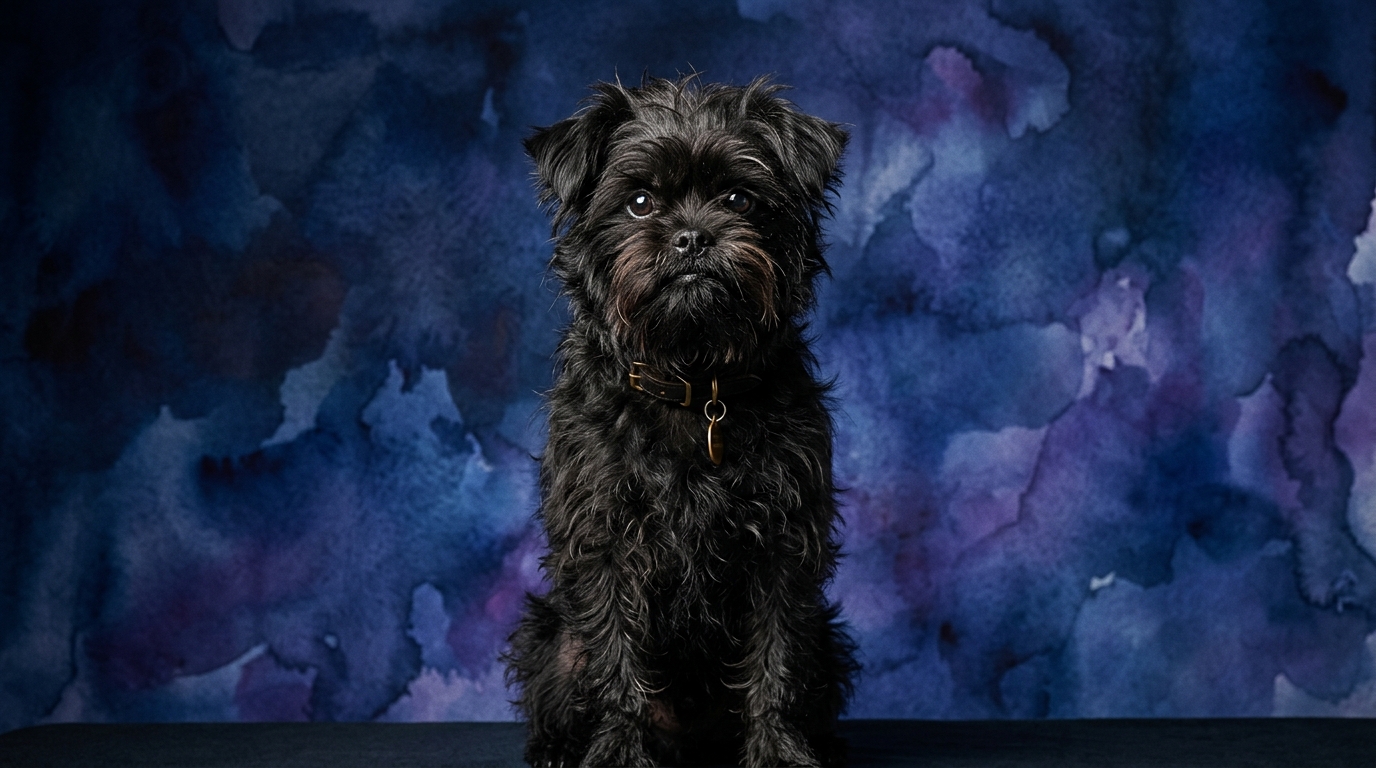
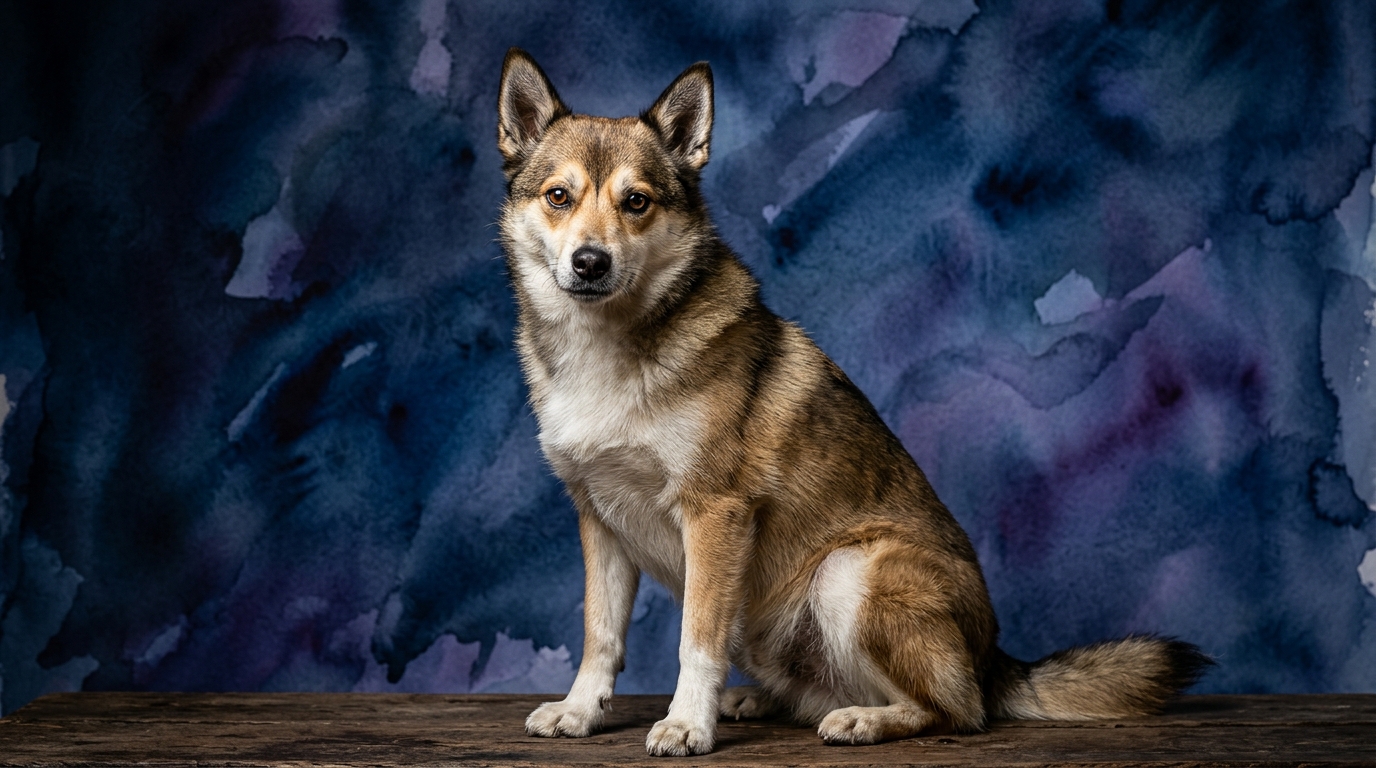
Side-by-Side IQ Profile: Affenpinscher vs. Norwegian Lundehund
With consistent 3/5 scores across problem-solving, training speed, social intelligence, instinctive drive, and memory, the Affenpinscher presents a balanced cognitive profile deeply intertwined with its history as a bold, curious ratter and companion. Their problem-solving often involves clever, sometimes mischievous navigation of their domestic environment to achieve immediate goals, driven by an inquisitive nature. Learning new commands happens at a moderate pace, but their independent streak means that while they grasp concepts, consistent, engaging, and positive reinforcement is key to overcoming their selective obedience. Socially, they excel at understanding their human family's moods and dynamics, forming strong bonds, though they can be reserved with outsiders. Their instinctive drive translates into a keen interest in chasing small objects and an inherent need for active participation in family life, all underpinned by a reliable memory for routines and past experiences.
The Norwegian Lundehund also achieves 3/5 across problem-solving, training speed, social intelligence, instinctive drive, and memory, yet their cognitive manifestation is profoundly shaped by their unique heritage as puffin hunters. Their problem-solving is distinctively physical, focused on spatial awareness and navigating complex environments, reflecting an innate ability to assess and overcome physical obstacles like climbing or burrowing. While they learn commands at a moderate pace, their strong independence means they need to understand the purpose of a task or find intrinsic reward in it, making them less inclined to simply please. Socially, they form deep loyalties to their family but can be reserved or wary with strangers, preferring subtle interactions within their trusted circle. Their instinctive drive is robust, fueling a powerful desire to explore, climb, dig, and 'hunt,' backed by a strong memory for locations and learned behaviors.
Where the Affenpinscher Wins Cognitively
The Affenpinscher's cognitive strengths particularly shine in their nuanced understanding of domestic social dynamics and their adaptive problem-solving within a human household. While both breeds score 3/5 in social intelligence, the Affenpinscher often exhibits a more direct and expressive engagement with their human companions. Their 'monkey-like' curiosity, combined with a desire to be at the center of attention, means they are often quicker to interpret human body language, vocal tones, and emotional states, allowing them to adapt their behavior to elicit desired responses, whether comforting a sad owner or charming their way into an extra treat. Their problem-solving, though not about complex physical navigation, is acutely tuned to manipulating their immediate environment for social or comfort-related gains, showcasing a practical, human-centric form of ingenuity. This makes them particularly adept at learning and adhering to household rules, provided they are motivated, as their memory for routines and consequences is strong.
Where the Norwegian Lundehund Wins Cognitively
The Norwegian Lundehund's cognitive advantages are most evident in their exceptional spatial intelligence, physical problem-solving, and robust independence. Their 3/5 problem-solving score is less about social manipulation and more about mastering their physical surroundings. With a history of navigating perilous puffin colonies, they possess an innate ability to assess and overcome physical obstacles, finding creative routes to climb, burrow, or explore confined spaces. This translates to an impressive capacity for figuring out how to open complex latches, scale fences, or find hidden pathways, demonstrating an advanced understanding of three-dimensional space and mechanics. Their independence, a facet of their 3/5 social intelligence and training speed, means they are highly self-reliant in unfamiliar environments, making quick decisions based on their instincts rather than solely relying on human direction. This unique blend of physical acumen and independent thought gives them a distinct edge in scenarios requiring autonomous navigation and environmental mastery.
Which Is Easier to Train and Why
Assessing which breed is 'easier' to train between the Affenpinscher and the Norwegian Lundehund requires understanding their motivations and inherent behavioral patterns, given their identical 3/5 training speed scores. The Affenpinscher, with its strong desire for companionship and involvement, might *appear* easier to train initially. They often enjoy the interaction and attention that comes with training sessions, and their social intelligence helps them quickly grasp what is expected. However, their independent and sometimes stubborn personality can lead to selective hearing once they've decided a task isn't worth their effort or if they find something more interesting. Training needs to be consistently fun and stimulating to prevent boredom and maintain their engagement.
The Norwegian Lundehund, on the other hand, presents a different set of training considerations. Their highly independent nature, stemming from their history as solitary hunters, means they are not inherently driven to please humans simply for the sake of it. While they possess good memory and problem-solving skills, they need to understand the *purpose* of a command or find an intrinsic reward in the task. This often requires more patience, creativity, and high-value reinforcement from the owner. Their natural curiosity and drive to explore can also be a distraction. Therefore, while both require consistency, the Affenpinscher might learn commands quicker but be more prone to deliberate non-compliance, whereas the Lundehund might take longer to internalize commands but will reliably perform them if they see the value or if it aligns with their drives.
Which Suits Active Owners vs. Relaxed Owners
The choice between an Affenpinscher and a Norwegian Lundehund significantly depends on an owner's lifestyle and activity level. The Affenpinscher, despite its 'Toy' classification, is not a sedentary couch potato, but it is generally well-suited for a moderately active owner or even a more relaxed one who can provide consistent mental stimulation. They thrive on being involved in daily family activities, enjoying regular walks, indoor play, and puzzle toys to satisfy their curiosity and problem-solving drives. While they appreciate engagement, they don't typically demand extensive, strenuous outdoor adventures, making them adaptable to apartment living or smaller homes with a dedicated owner.
Conversely, the Norwegian Lundehund is unequivocally a breed for active owners. Their unique physical adaptations – six toes, flexible joints, and a highly agile body – are not just curiosities; they are tools for exploration and physical exertion. This breed requires significant daily exercise that goes beyond simple walks, benefiting immensely from opportunities to climb, hike, explore varied terrains, and engage in activities like agility or scent work. Their high instinctive drive and need for physical problem-solving mean that a relaxed, sedentary owner would likely find a Lundehund destructive or restless due to unmet needs for mental and physical engagement. They need space and opportunity to express their natural behaviors.
The Verdict
Choose an Affenpinscher if you seek a bold, curious, and engaging companion who thrives on close interaction and can be a lively, intelligent presence in a home, willing to participate in daily life's 'puzzles.'
Opt for a Norwegian Lundehund if you appreciate independence, unique physical capabilities, and a dog that excels in outdoor activities, exploration, and possesses a fascinating, ancient working intelligence, provided you can meet their substantial needs for physical and mental engagement.
🧠 Find Your Pet's IQ Score
Our Pet IQ Lab assessment covers 25+ tests across 5 cognitive dimensions — personalized to your breed.
Take the Full IQ Test →Frequently Asked Questions
Are Affenpinschers good apartment dogs?
Yes, Affenpinschers can adapt well to apartment living provided they receive regular walks, indoor play, and consistent mental stimulation. Their moderate energy levels make them suitable for smaller spaces, but they still require dedicated attention.
What kind of exercise does a Lundehund need?
Norwegian Lundehunds require significant and varied exercise that goes beyond simple walks. They benefit immensely from activities that allow them to climb, explore varied terrains, hike, and engage their problem-solving skills, such as agility or scent work, to fulfill their instinctive drives.
Do both breeds get along with children?
Both breeds can coexist with children, but proper socialization and supervision are crucial. Affenpinschers tend to prefer older, respectful children, while Lundehunds, due to their independent nature and sometimes reserved demeanor, also do best with older children who understand canine boundaries.