Side-by-Side IQ Profile: Affenpinscher vs. Tibetan Spaniel
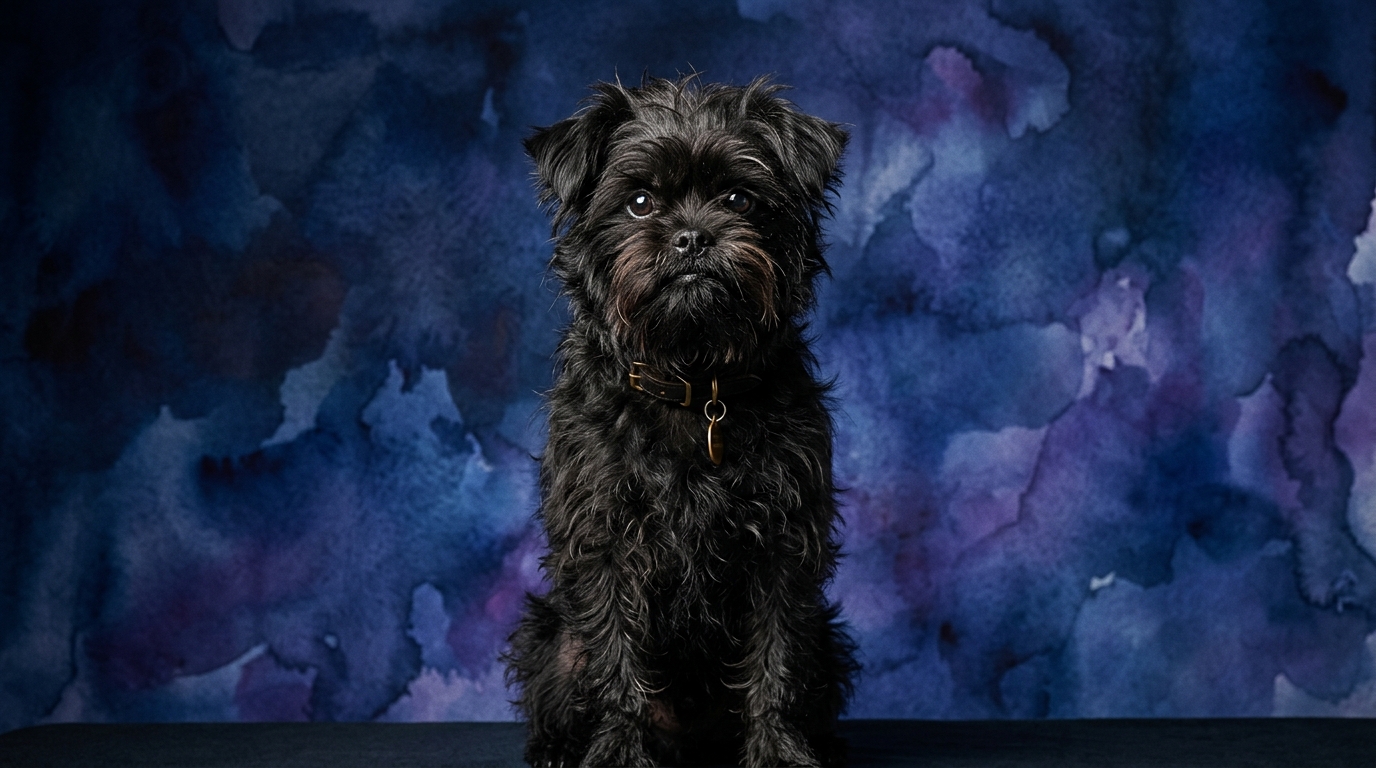
**Affenpinscher (Toy Group):** Known for their "monkey-like" facial expression and spirited demeanor, the Affenpinscher applies its cognitive abilities with a characteristic zest. Their **Problem Solving (3/5)** capacity means they exhibit a solid ability to figure out straightforward tasks, often driven by curiosity and a willingness to experiment with puzzle toys or cleverly navigate household obstacles to reach a desired treat or toy. For **Training Speed (3/5)**, they learn new commands and routines at a moderate pace, thriving on consistent, engaging methods that account for their independent streak and playful distraction. In **Social Intelligence (3/5)**, these small dogs possess a good understanding of human emotions and social cues, forming strong bonds with their families and communicating needs directly. Their **Instinctive Drive (3/5)** is moderate, retaining a terrier-like determination and a guarding instinct, leading them to "hunt" small toys or alert to perceived intruders. Lastly, an Affenpinscher's **Memory (3/5)** is robust enough to retain learned commands, routines, and past experiences effectively, aiding their adaptability within a home environment.
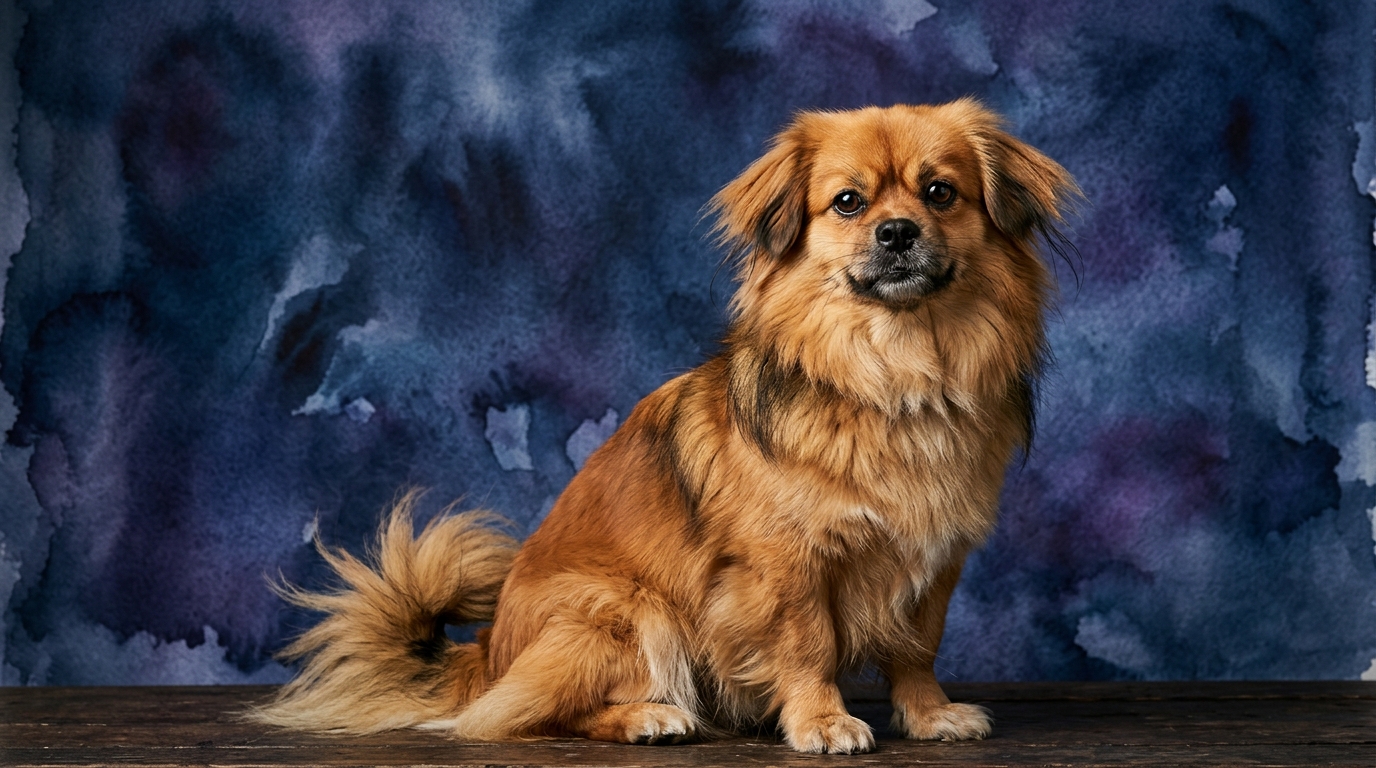
**Tibetan Spaniel (Non-Sporting Group):** Originating in Tibetan monasteries, this breed brings a unique blend of watchfulness and companionability to its cognitive profile. For **Problem Solving (3/5)**, Tibetan Spaniels display a steady ability to solve problems, often with a thoughtful, observational approach rather than immediate action. Their solutions are frequently geared towards comfort, access, or communication, like figuring out how to get onto a favorite lap or perch. Regarding **Training Speed (3/5)**, they learn at a moderate pace, but their independent nature means they respond best to training that makes sense to them and offers clear benefits, requiring patience and positive reinforcement. Their **Social Intelligence (3/5)** is highly attuned, demonstrating a solid capacity for reading subtle emotional states and social dynamics, making them excellent companions who thrive on close interaction. The **Instinctive Drive (3/5)** reflects their historical role as "little lion" watchdogs, manifesting as a moderate but distinct drive for vigilance and protective awareness, often preferring to observe from a high vantage point. Finally, Tibetan Spaniels exhibit a reliable **Memory (3/5)** for people, places, and routines, recalling commands and past experiences, which strengthens their bond with their owners and aids their discerning nature.
Where the Affenpinscher Wins Cognitively
Despite identical scores, the Affenpinscher's inherent curiosity and bold temperament often give it a slight edge in scenarios demanding active exploration and trial-and-error problem-solving. An Affenpinscher might more readily investigate a novel object or a new environment, their "monkey-like" inquisitiveness leading them to manipulate items and experiment with different approaches to achieve a goal, such as retrieving a toy from under furniture. This proactive engagement, fueled by a desire for novelty and interaction, can make them appear quicker to "figure things out" when the solution requires physical interaction or persistent investigation. Their spirited nature also lends itself well to learning complex agility sequences or tricks that involve multiple steps and require sustained focus and enthusiasm, provided the training is kept engaging and fun. They often enjoy the process of learning for its own sake, especially when it involves their human partners.
Where the Tibetan Spaniel Wins Cognitively
The Tibetan Spaniel, with its history as a monastery companion and watchdog, often demonstrates a cognitive advantage in areas requiring keen observation, subtle communication, and environmental awareness. While the Affenpinscher might be more hands-on, the Tibbie excels at processing information from a distance, understanding complex social dynamics, and discerning patterns in their environment. Their problem-solving often manifests as a thoughtful assessment, such as figuring out the optimal spot to observe the household from or how to subtly signal their need for attention without overt demands. This breed's social intelligence shines in its ability to read the room, adapt to mood shifts, and offer comfort or companionship at precisely the right moment, often with a quiet understanding that speaks volumes. They possess an almost intuitive grasp of their human's routines and preferences, making them exceptionally attuned companions who can anticipate needs.
Which is Easier to Train and Why
Both breeds are assigned a 3/5 for Training Speed, indicating a moderate learning curve, but their underlying motivations and temperaments create distinct training experiences. The Affenpinscher, while possessing an independent streak, often responds well to training that leverages its innate curiosity and desire for engaging interaction. They can be highly food-motivated and enjoy performing for attention, which can accelerate their learning when the trainer makes it fun and keeps sessions varied to prevent boredom. Their spirited nature means they might test boundaries, but their eagerness to participate can make them seem more straightforward to motivate for certain tasks.
Conversely, the Tibetan Spaniel's independence and self-assuredness mean they are less inclined to perform simply to please. They are capable learners, but they need to be convinced that the training task is worthwhile or makes sense from their perspective. Consistency, patience, and positive reinforcement are paramount, as they can become stubborn if coerced or if the training method feels arbitrary. While they learn at a similar *rate* if engaged, the *process* of engaging a Tibetan Spaniel often requires a deeper understanding of their personality and a commitment to making training a collaborative, respectful endeavor. They are not difficult to train, but they demand a trainer who respects their thoughtful, discerning nature and avoids heavy-handed methods.
Which Suits Active Owners vs. Relaxed Owners
The choice between these two breeds often hinges on an owner's preferred lifestyle and how they envision daily interactions. The Affenpinscher, with its energetic and inquisitive demeanor, is generally better suited for owners who enjoy an active, engaging companion. They thrive on regular walks, interactive play sessions, and opportunities for mental stimulation through puzzle toys or learning new tricks. Their spirited nature means they appreciate owners who are willing to participate in their playful antics and explore the world alongside them. They are not necessarily high-endurance athletes, but they require consistent engagement to prevent boredom and channel their active minds positively.
The Tibetan Spaniel, while not a couch potato, is a more adaptable and generally relaxed companion, making them an excellent fit for owners who appreciate a calm, watchful presence. They enjoy being close to their people, often content to observe the household from a comfortable perch or snuggle on a lap. While they do require daily walks and playtime, their exercise needs are moderate, and they are typically happy with a less demanding schedule. Their independent yet affectionate nature means they are well-suited for owners who appreciate a dog that is present and observant but doesn't constantly demand rigorous activity. They find satisfaction in being a quiet, discerning companion.
The Verdict
For owners seeking a spirited, actively curious companion eager to engage in playful problem-solving and trick training, the Affenpinscher is an excellent choice.
If you prefer a thoughtful, observant companion who excels in subtle social understanding and offers a calmer, more independent presence, the Tibetan Spaniel will be a deeply rewarding addition to your home.
🧠 Find Your Pet's IQ Score
Our Pet IQ Lab assessment covers 25+ tests across 5 cognitive dimensions — personalized to your breed.
Take the Full IQ Test →Frequently Asked Questions
Do Affenpinschers and Tibetan Spaniels bark a lot?
Affenpinschers can be quite vocal, using barks to alert or express excitement, reflecting their spirited nature. Tibetan Spaniels also have a strong watchdog instinct from their history, so they are prone to barking to alert their families to perceived intruders or novelties. Both breeds require consistent training to manage their vocal tendencies.
Are these breeds good with children or other pets?
Both breeds can be good with respectful, older children, but due to their small size and discerning nature, supervision is always recommended. Affenpinschers can be playful but may not tolerate rough handling, while Tibetan Spaniels might prefer a calmer interaction. With proper socialization, both can coexist peacefully with other pets, though their individual personalities will dictate the dynamics.
Do Affenpinschers or Tibetan Spaniels have significant grooming needs?
Affenpinschers have a wiry coat that requires regular brushing a few times a week to prevent matting and occasional professional grooming to maintain their distinctive look. Tibetan Spaniels have a silky double coat that also needs weekly brushing to keep it free of tangles and reduce shedding, with extra attention during seasonal coat blows. Both are relatively low-shedding compared to some breeds.