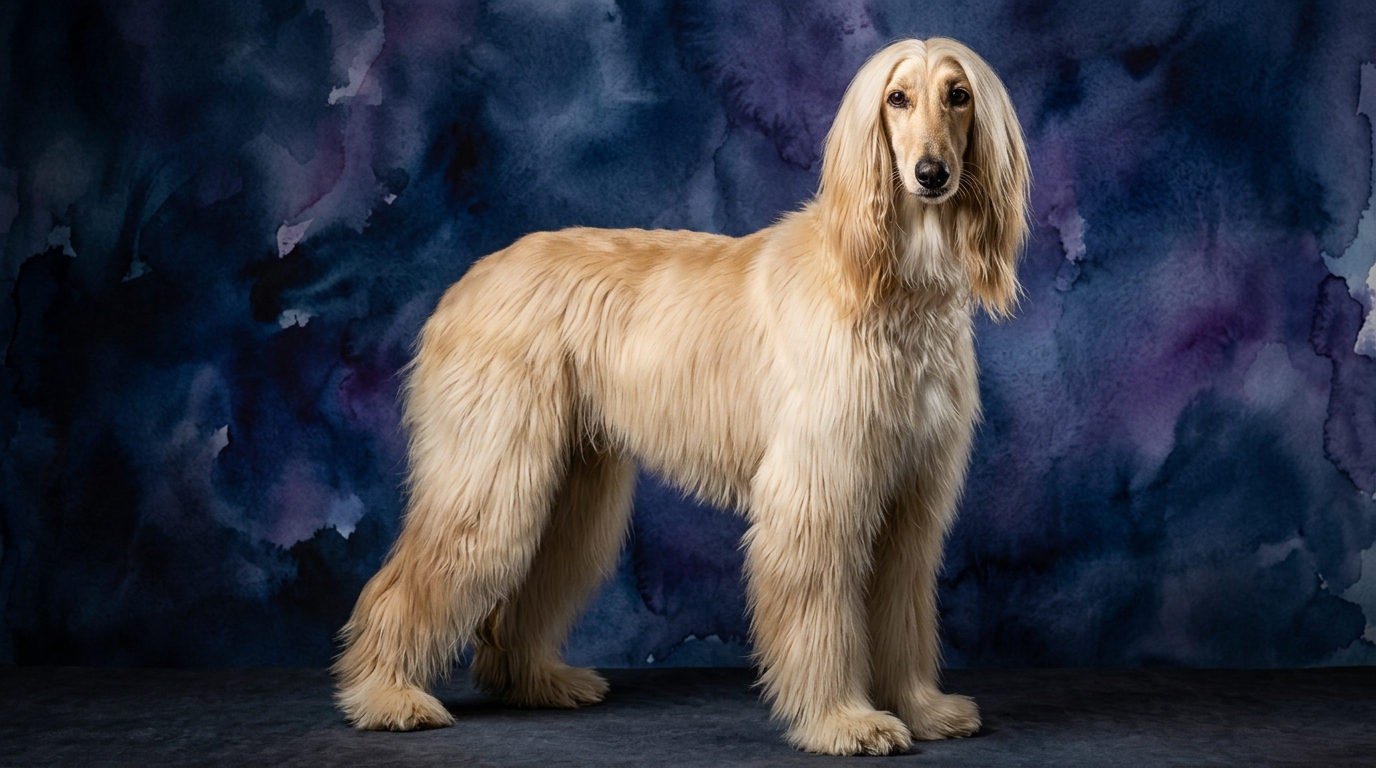
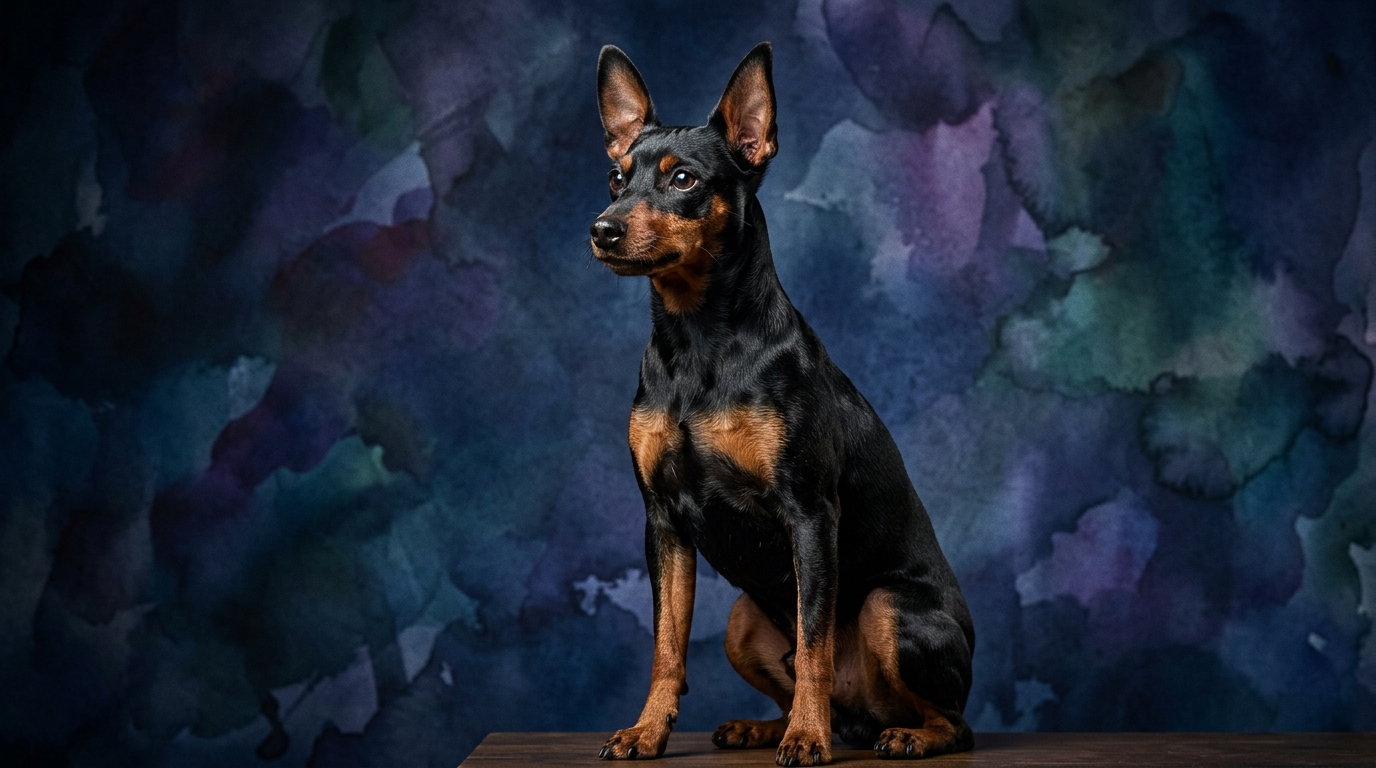
Side-by-Side Cognitive Profile
The Afghan Hound exhibits a problem-solving capacity rated at 4 out of 5, indicating a strong ability to navigate complex situations independently. However, their training speed scores a low 1 out of 5, reflecting a pronounced independent streak and a lesser inclination to comply with repetitive commands. Social intelligence, at 2 out of 5, suggests they form deep bonds but may not always prioritize human social cues over their own impulses. Their instinctive drive is exceptionally high at 5 out of 5, rooted in their sighthound heritage for pursuit and hunting. Memory stands at a solid 3 out of 5, allowing them to recall experiences and learned behaviors effectively, even if applying them to training can be a challenge.
The Miniature Pinscher scores 3 out of 5 in problem-solving, demonstrating a respectable ability to figure out dilemmas, often through persistence and cleverness. Their training speed is a balanced 3 out of 5, meaning they can learn commands and routines at an average pace when motivated. Social intelligence also sits at 3 out of 5, indicating a good understanding of human emotions and social dynamics, often leading to strong family attachments. Instinctive drive is rated 3 out of 5, present but not overwhelmingly dominant, reflecting their historical role as vermin hunters rather than long-distance pursuit specialists. Memory, like the Afghan Hound, is a consistent 3 out of 5, allowing them to retain information and experiences reliably.
Where the Afghan Hound Excels Cognitively
The Afghan Hound's cognitive strengths distinctly shine in areas demanding independent thought and innate drive. With a problem-solving score of 4 out of 5, they possess a formidable capacity to assess and resolve challenges on their own terms. This isn't about rote learning; it's about situational awareness and strategic thinking, often employed to achieve their own objectives rather than following a handler's directives. Imagine an Afghan Hound navigating a complex outdoor environment, devising a route to a perceived prey, or figuring out how to bypass an obstacle to reach an interesting scent – their minds are constantly processing and strategizing within their environment. This high problem-solving ability is intimately linked to their exceptional instinctive drive, rated 5 out of 5. As a sighthound, their entire cognitive framework is geared towards detecting, tracking, and pursuing fast-moving objects, often over vast distances and varied terrain. This drive is not merely physical; it involves rapid perception, predictive tracking, and an unwavering focus on their primary instinctual goal. Their memory, at 3 out of 5, supports these endeavors by allowing them to recall specific locations, routes, or even the scent trails of past encounters, enabling them to build a mental map of their territory and hunting grounds. This combination of independent problem-solving and powerful instinctive drive means they excel in tasks requiring self-reliance and a deep connection to their ancestral purpose, making them masters of their own initiative.
Where the Miniature Pinscher Excels Cognitively
In contrast, the Miniature Pinscher’s cognitive advantages lie in their adaptability, responsiveness, and social acumen. Their training speed, at 3 out of 5, is notably higher than the Afghan Hound's, indicating a greater willingness and capacity to learn and internalize commands and routines. This isn't just about speed; it's about a more cooperative learning style, where repetition and positive reinforcement yield more consistent results. They typically show a greater eagerness to engage with their human companions in structured learning activities. This aptitude for training is bolstered by their social intelligence, also rated 3 out of 5. Miniature Pinschers are often acutely aware of their owner's moods, intentions, and social cues. This heightened social awareness allows them to better integrate into family life, understand household rules, and respond appropriately to various social situations. While their problem-solving at 3 out of 5 is solid, they often apply it in more domestic contexts—figuring out how to get attention, open a cabinet, or manipulate a toy, rather than complex outdoor hunting strategies. Their instinctive drive, at 3 out of 5, is present but more manageable, often manifesting as a keen watchfulness and a drive to "patrol" their home territory, making them excellent alert systems. This blend of trainable intelligence, social perceptiveness, and a more contained instinctive drive makes the Miniature Pinscher a highly adaptable and engaging companion within a human-centric environment.
Training Ease: Afghan Hound vs. Miniature Pinscher
When it comes to ease of training, the Miniature Pinscher distinctly holds the advantage over the Afghan Hound, and this difference stems from fundamental cognitive and behavioral traits. The Miniature Pinscher’s training speed rating of 3 out of 5, coupled with a social intelligence score of 3 out of 5, indicates a breed that is generally more receptive to learning commands and more attuned to human communication. They often possess a stronger desire to please their owners and a greater willingness to engage in structured training sessions. Their historical role as vigilant house dogs meant they needed to be responsive to their human companions and adaptable to domestic environments. This translates into a dog that typically picks up new cues, house-training rules, and obedience commands more readily, especially with consistent, positive reinforcement. In contrast, the Afghan Hound's training speed is a challenging 1 out of 5, and their social intelligence is 2 out of 5. This combination points to a breed that is famously independent and often perceives commands as suggestions rather than directives. Their deep-seated sighthound instincts drive them to prioritize their own sensory input and pursuits, making them less inclined to focus on a handler during training. While they are capable of learning, their compliance often depends on their mood and whether the command aligns with their current interests. Therefore, training an Afghan Hound requires immense patience, creativity, and an understanding of their unique motivations, whereas a Miniature Pinscher typically offers a more straightforward and rewarding training experience for the average owner.
Matching Breeds to Owner Lifestyles
The choice between an Afghan Hound and a Miniature Pinscher significantly depends on an owner's lifestyle, particularly their activity level and willingness to engage with specific breed needs. For active owners, especially those who appreciate a dog with immense stamina and an independent spirit, the Afghan Hound is a compelling choice. Their exceptionally high instinctive drive (5/5) and historical role as sighthounds mean they require substantial daily exercise, including opportunities for full-speed running in a securely fenced area. These dogs thrive on long walks, jogs, and the mental stimulation of exploring new environments, even if their problem-solving (4/5) often means they'll be forging their own path mentally. An active owner who understands and respects this independence, and can provide outlets for their coursing instincts, will find a devoted, albeit sometimes aloof, companion. For more relaxed owners, or those seeking a dog that integrates more seamlessly into a less demanding daily routine, the Miniature Pinscher is often a better fit. While they are energetic and require regular walks and playtime to prevent boredom, their activity needs are generally more manageable than the Afghan Hound's. Their instinctive drive (3/5) is less overwhelming, and their higher social intelligence (3/5) means they are typically more content with interactive games and cuddling on the couch after their exercise. A relaxed owner who enjoys consistent, moderate activity and appreciates a dog that is engaged and responsive to family life will likely find the Miniature Pinscher an excellent match. Both breeds are active, but the *type* and *intensity* of activity, alongside their cognitive approach to engagement, define which owner profile they best suit.
The Verdict
Choose the Afghan Hound if you are an experienced owner seeking an independent, elegant companion who thrives on extensive exercise and respects a dog's strong, self-directed instincts for problem-solving.
Opt for the Miniature Pinscher if you desire a spirited, adaptable, and highly social companion who enjoys interactive training, moderate activity, and integrates readily into family-centric life.
🧠 Find Your Pet's IQ Score
Our Pet IQ Lab assessment covers 25+ tests across 5 cognitive dimensions — personalized to your breed.
Take the Full IQ Test →Frequently Asked Questions
Are Afghan Hounds difficult to live with due to their independence?
Afghan Hounds possess a high degree of independence and a low training speed, meaning they often follow their own impulses. This requires owners to be patient, consistent, and creative in training, understanding that compliance may not always be immediate or absolute, especially outdoors.
Do Miniature Pinschers have a strong prey drive?
Miniature Pinschers have an instinctive drive rated 3 out of 5, stemming from their history as vermin hunters. While not as intense as a sighthound's, they can exhibit a strong prey drive towards small animals, requiring secure leashing and supervision in unfenced areas.
How do their memory scores impact daily life?
Both breeds score 3 out of 5 for memory, indicating they can recall past experiences and learned behaviors. For the Min Pin, this aids in consistent training and routines; for the Afghan, while they remember, their strong independent drive often dictates when and if they choose to apply that memory to human commands.