Side-by-Side IQ Profile: A Cognitive Blueprint
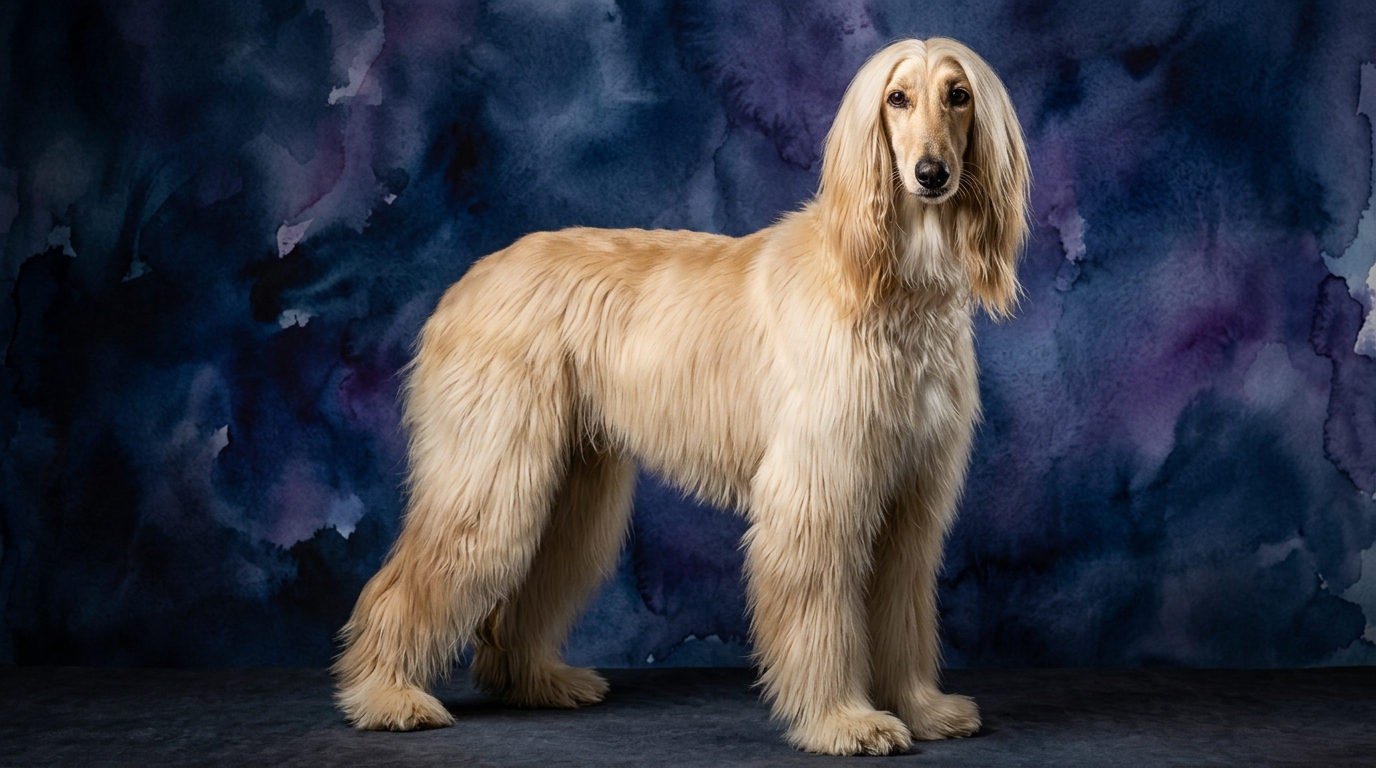
The Cosmic Pet Pet IQ Lab employs five key dimensions to map canine intelligence, offering a granular view beyond general perceptions. For the Afghan Hound, a breed often described as regal and aloof, its Problem Solving scores a robust 4/5, indicating a capacity for independent thought and strategic action, often self-motivated. However, its Training Speed is a challenging 1/5, reflecting a deliberate, often uncooperative approach to learned tasks. Social Intelligence at 2/5 suggests a reserved nature, selective in its affections and less attuned to nuanced human cues. Its Instinctive Drive is a powerful 5/5, a testament to its profound sighthound heritage and prey pursuit. Memory clocks in at 3/5, meaning experiences are retained, though not always in service of owner-directed learning.
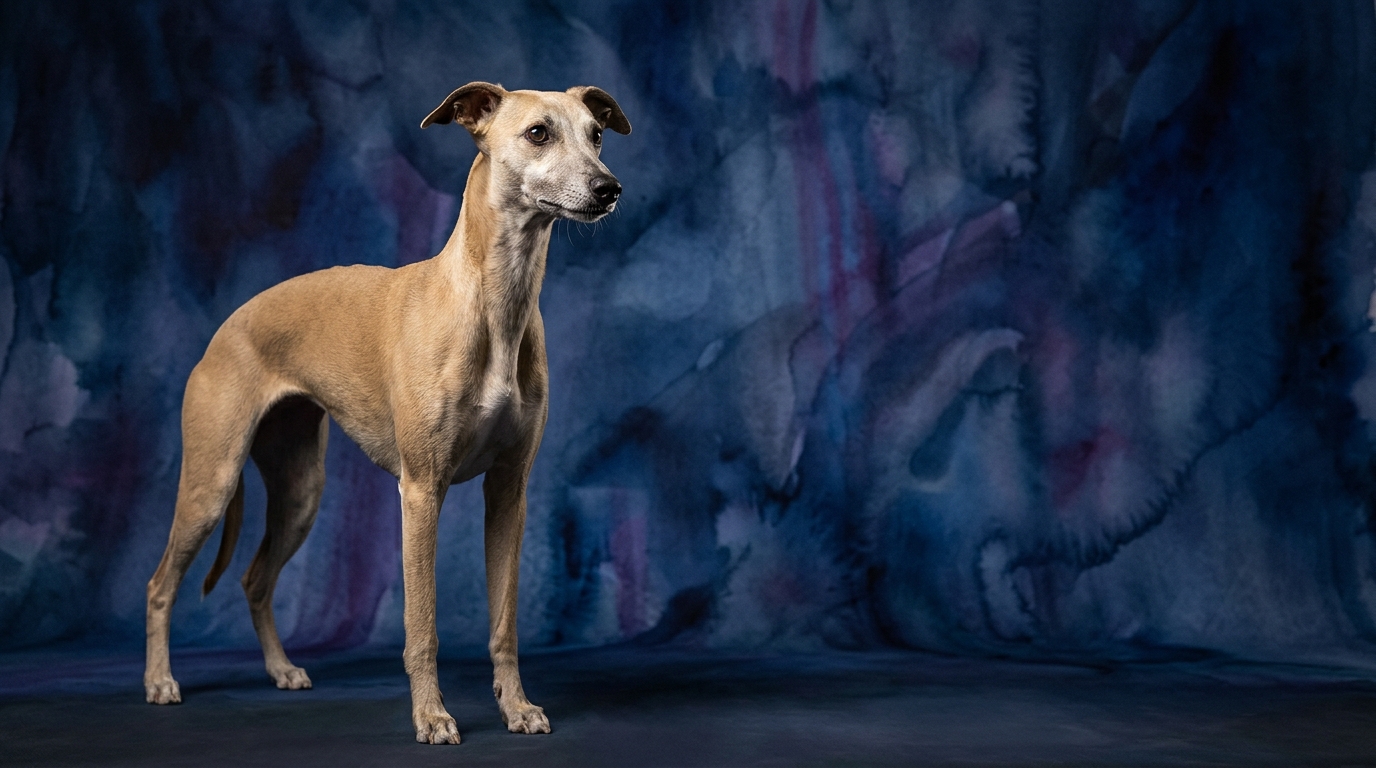
In contrast, the Whippet, an elegant athlete, presents a profile indicating a different set of cognitive priorities. Its Problem Solving is a practical 3/5, capable of navigating immediate obstacles but less inclined towards abstract or complex strategizing. Training Speed improves to 2/5, suggesting a quicker grasp of concepts than the Afghan, though still requiring patience due to inherent independence. Social Intelligence shines at 4/5, highlighting an affable, responsive nature that thrives on interaction and connection. Like the Afghan, its Instinctive Drive is a strong 5/5, underpinning its explosive chasing prowess. Memory also stands at 3/5, allowing for retention of routines and experiences, particularly those linked to positive reinforcement.
Where the Afghan Hound Wins Cognitively
The Afghan Hound undeniably takes the lead in the Problem Solving dimension, scoring a 4/5 compared to the Whippet's 3/5. This indicates a superior capacity for independent thought and sophisticated, self-devised strategies. An Afghan may, for instance, figure out how to open a gate or access a forbidden treat through complex steps, not out of malice, but pure ingenuity driven by personal desire. Their cognitive strength lies in their ability to analyze situations and create solutions that serve their own interests, often demonstrating a deep understanding of cause and effect in their environment. This aptitude for intricate planning makes them fascinating to observe, even if it sometimes presents a challenge to human expectations.
Where the Whippet Wins Cognitively
The Whippet's cognitive strengths lie distinctly in its Social Intelligence and Training Speed, where it surpasses the Afghan Hound. With a Social Intelligence score of 4/5 (vs. 2/5 for the Afghan), Whippets are significantly more attuned to human emotions, body language, and social dynamics, fostering a more harmonious and responsive companionship. This heightened social awareness contributes directly to their better Training Speed of 2/5 (vs. 1/5 for the Afghan), as they are generally more motivated by interaction and positive reinforcement from their owners. Whippets are often eager to please and find value in cooperative tasks, making them more receptive to learning new commands and routines within a social context.
Which is Easier to Train and Why
Based on their respective IQ profiles, the Whippet is generally considered easier to train than the Afghan Hound. The Whippet's higher Social Intelligence (4/5) means they naturally seek connection and are more receptive to human guidance, finding reward in cooperative activities. This is further supported by their Training Speed (2/5), which, while still reflecting a sighthound's independence, is markedly quicker than the Afghan's. Whippets respond well to positive reinforcement, quickly associating commands with pleasant outcomes, making them adaptable to various training methods focused on building a bond.
In stark contrast, the Afghan Hound’s low Training Speed (1/5) and Social Intelligence (2/5) present a formidable training challenge. Their powerful Problem Solving (4/5) is often applied to circumventing rules or achieving their own goals rather than complying with human directives. An Afghan requires immense patience, creative motivation, and an understanding that their inherent independence means they will weigh a command against their own perceived value or interest. Owners must be prepared for a journey where consistency and making training fun and rewarding are paramount, recognizing that traditional obedience may not be their forte.
Which Suits Active Owners vs. Relaxed Owners
For owners seeking an active lifestyle, both breeds require regular physical exertion, but their cognitive profiles suggest different types of "activity." The Afghan Hound suits owners who are active in engaging a sophisticated, independent mind. This means providing mentally stimulating challenges that appeal to their problem-solving ability and strong instinctive drive, rather than expecting rote obedience. They thrive with owners who are dedicated to creative training approaches, perhaps in lure coursing or scent work, and can manage their substantial exercise needs with secure, expansive spaces. Their calm indoor demeanor belies a mind that still needs stimulation.
The Whippet, while equally athletic, aligns better with owners who appreciate bursts of intense physical activity followed by periods of relaxed companionship. Their high social intelligence means they enjoy interactive play and thrive on being included in family activities, making them excellent companions for active walks or runs. For "relaxed" owners, the Whippet's ability to transition seamlessly from energetic outdoor pursuits to a quiet, affectionate presence indoors, often content to nap nearby, makes them a more adaptable choice. Their cooperative nature and lower need for constant mental "trickery" compared to the Afghan make them less demanding in terms of constant cerebral engagement.
The Verdict
For owners who relish a sophisticated, independent canine mind, enjoy the challenge of creative problem-solving in training, and seek a companion with a regal, self-possessed presence, understanding that unwavering obedience is not their primary trait.
For those seeking an affectionate, socially responsive sighthound that offers bursts of athletic grace followed by calm companionship, and who appreciate a relatively more trainable yet still independent spirit.
🧠 Find Your Pet's IQ Score
Our Pet IQ Lab assessment covers 25+ tests across 5 cognitive dimensions — personalized to your breed.
Take the Full IQ Test →Frequently Asked Questions
Are Afghan Hounds truly difficult to train?
Yes, their low Training Speed (1/5) and strong independent Problem Solving (4/5) mean they are often unmotivated by traditional obedience. Training requires immense patience, creative methods, and a focus on making activities intrinsically rewarding for the Afghan.
Do Whippets need a lot of exercise despite their calm indoor demeanor?
Whippets do require regular, intense bursts of exercise, typically 30-60 minutes daily, to satisfy their high Instinctive Drive. After these energetic outings, they are usually content to be calm and relaxed indoors, making them adaptable to various living situations.
How does "instinctive drive" manifest differently in these two sighthounds?
Both score 5/5 for Instinctive Drive, meaning a powerful urge to chase. In Afghan Hounds, this can manifest as persistent, independent pursuit. For Whippets, it's often an explosive, burst-like chase, though both require secure, fenced areas for off-leash exercise due to their strong prey drive.