Side-by-Side IQ Profile: Akita vs. American Eskimo Dog
The Cosmic Pet Pet IQ Lab provides a comprehensive framework to assess canine cognitive abilities across five key dimensions. Let’s break down how the Akita and American Eskimo Dog measure up individually before we compare their strengths.
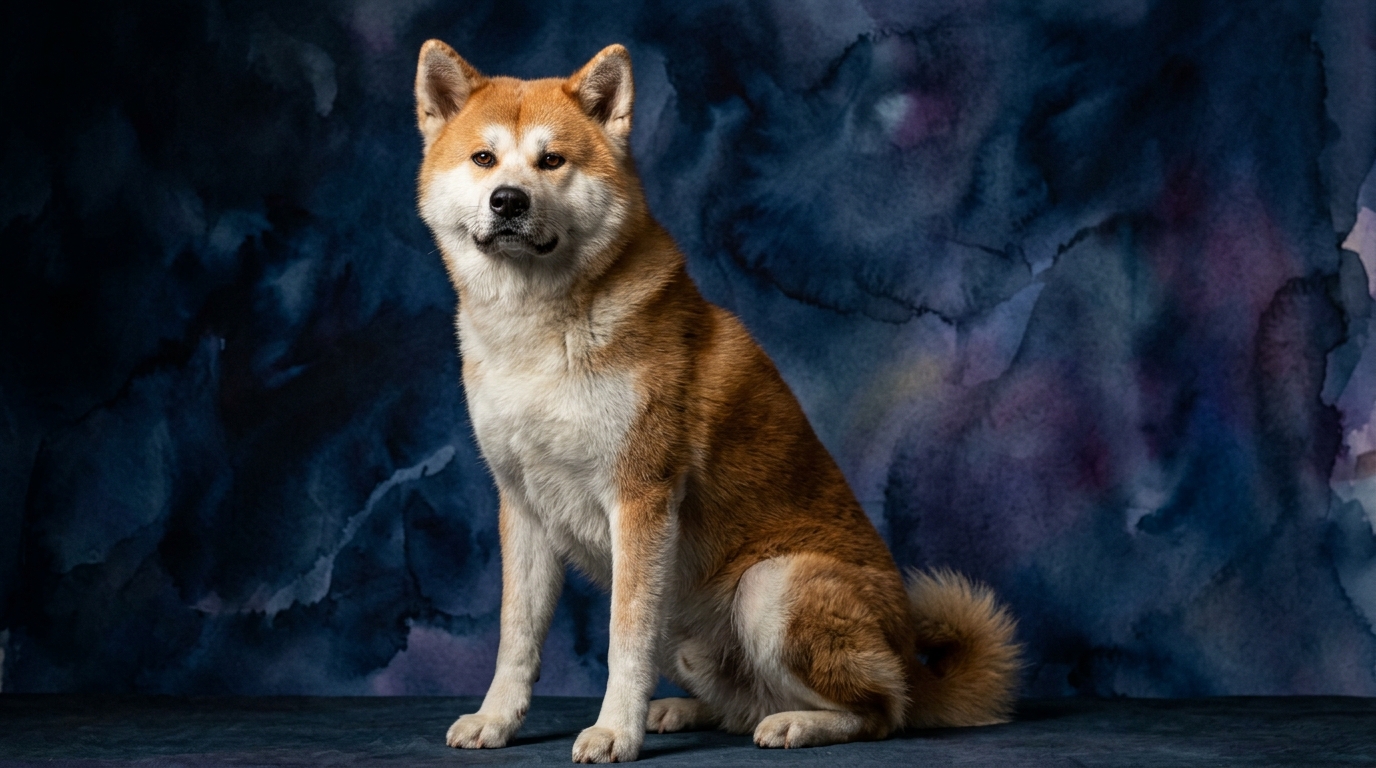
For the Akita, our metrics show: Problem Solving 3/5, indicating a moderate capacity for independent thought and figuring out novel situations, often with a deliberate, purpose-driven approach rather than rapid trial-and-error. Training Speed 2/5, suggesting their training is slower due to independence and strong will, requiring consistent, patient guidance as they often question commands before complying. Social Intelligence 3/5, meaning they form deep bonds with primary companions but are often reserved or aloof with strangers and other animals, needing careful socialization. Instinctive Drive 5/5, a peak score reflecting an exceptionally strong drive for guarding, hunting, and territoriality, dictating much of their behavior and environmental processing. Memory 4/5, as Akitas exhibit robust memory, retaining experiences, commands, and routines for extended periods, both positive and negative, making initial impressions crucial.
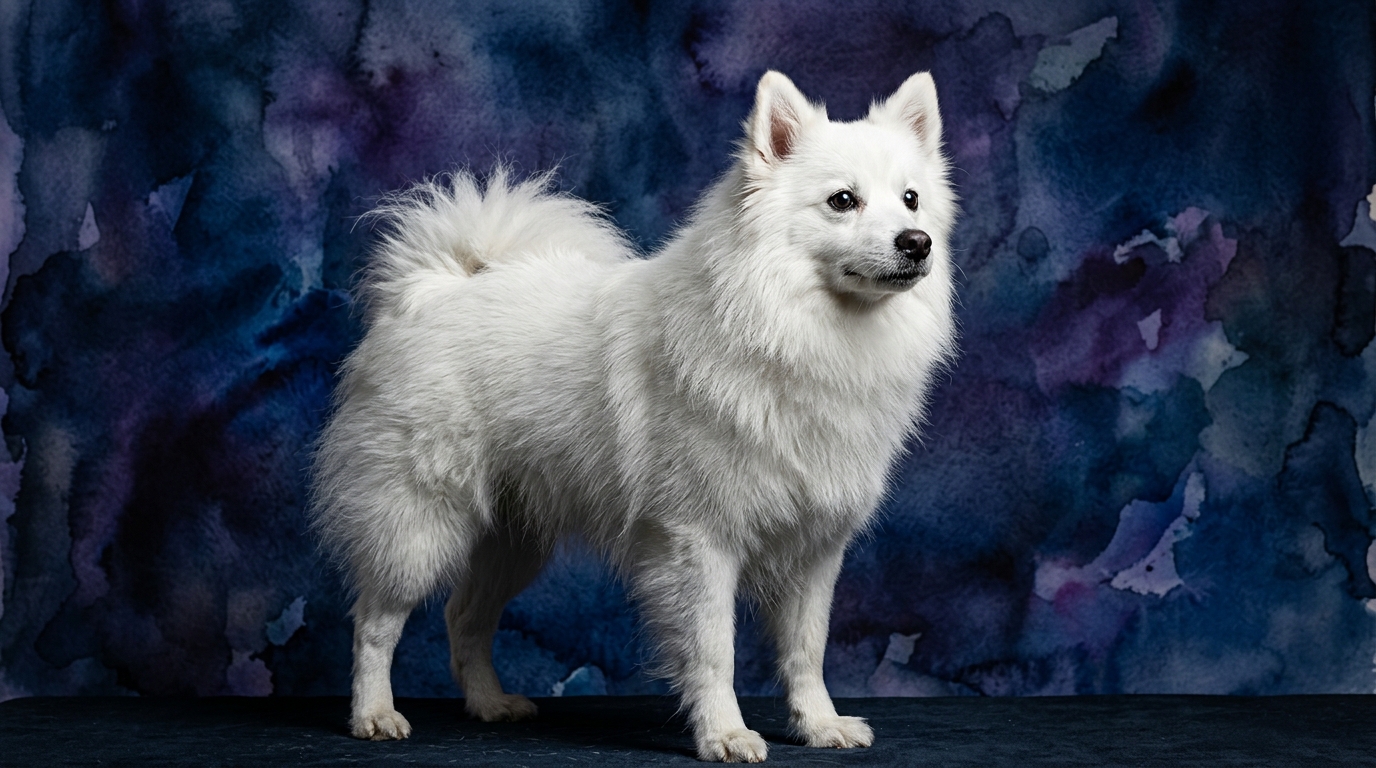
For the American Eskimo Dog, the scores are: Problem Solving 3/5, showing moderate aptitude for problem-solving, as they are clever and capable of figuring out tasks like opening gates, often through playful experimentation and observation. Training Speed 3/5, indicating moderate training speed; they are eager to please and enjoy learning, though their playful nature can lead to distractions, requiring engaging, positive reinforcement. Social Intelligence 3/5, meaning they are attuned to family emotions and form strong bonds. While generally outgoing, they can be vocal and reserved with strangers, needing socialization. Instinctive Drive 3/5, possessed by Eskies, geared more towards interaction and agility rather than intense hunting or guarding, with a moderate prey drive and vocal communication. Memory 3/5, as American Eskimo Dogs demonstrate moderate memory, retaining commands and routines well, especially with positive reinforcement, though requiring consistency over time.
Where the Akita Wins Cognitively
The Akita's cognitive strengths are deeply rooted in their history as formidable working dogs, particularly evident in their instinctive drive and memory. With an instinctive drive score of 5/5, the Akita possesses an unparalleled innate sense of purpose, whether guarding their territory or protecting their family. This isn't merely a physical impulse; it's a cognitive framework for processing their environment with heightened awareness for threats, leading to vigilant, decisive, and often independent actions based on their perceived role.
Furthermore, their memory, rated at 4/5, allows them to retain complex information and experiences over long periods. An Akita remembers routines, specific commands, and the nuances of past interactions with remarkable clarity. This strong recall contributes to their reliability once a behavior is established, but it also means they don't easily forget negative experiences, underscoring the importance of consistent, fair interactions. Their ability to recall precise details makes them formidable problem-solvers in situations requiring sustained attention and deep understanding within their domain.
Where the American Eskimo Dog Wins Cognitively
The American Eskimo Dog, while sharing some cognitive traits, excels in areas reflecting its companion and performance heritage. While their problem-solving is rated similarly at 3/5, the Eskie often approaches challenges with a more adaptable and playful curiosity. They might experiment with different methods to achieve a goal, demonstrating a flexibility that differs from the Akita's more direct, purpose-driven approach. This playful ingenuity can make them adept at learning tricks and navigating novel situations requiring creative thinking.
Their training speed, at 3/5, slightly surpasses the Akita's, largely due to their eagerness to engage and lower independent streak. Eskies often thrive on positive reinforcement and opportunities to interact and please their owners, making them generally more responsive to new commands. This responsiveness, combined with their moderate social intelligence, means they often pick up on cues and adjust behavior more readily in response to human feedback, making the training process feel more collaborative. Their inherent vocal communication also suggests a cognitive inclination towards interaction and expression, a nuance less pronounced in the Akita.
Which is Easier to Train and Why
Considering the provided IQ metrics, the American Eskimo Dog is generally easier to train than the Akita. The Akita’s training speed (2/5) stems from their formidable independence and strong-willed nature. An Akita often requires understanding *why* a command is necessary and may resist if perceived as arbitrary or infringing on autonomy. Their instinctive drive (5/5) means their motivations can conflict with human directives; an Akita might ignore a 'come' if protective instincts or a compelling scent are engaged, requiring an owner to work *with* their deep-seated drives rather than against them.
Conversely, the American Eskimo Dog has a training speed of 3/5. They are typically more eager to please and less prone to outright defiance. Their moderate instinctive drive (3/5) means natural inclinations are less likely to override commands, making them more pliable. Eskies often enjoy the process of learning and performing, thriving on positive attention and mental stimulation. While playful, their inherent desire to interact and cooperate generally makes them more receptive to consistent training, leading to quicker mastery of commands and a more harmonious training experience.
Which Suits Active Owners vs. Relaxed Owners
When considering lifestyle compatibility, the Akita generally suits owners prepared for a specific kind of active engagement, while the American Eskimo Dog can adapt to a broader range of active and moderately relaxed lifestyles. The Akita’s powerful instinctive drive (5/5) and protective nature mean they thrive with owners who understand and can channel these traits. They require consistent mental stimulation challenging their problem-solving (3/5) and memory (4/5) capabilities, often through structured training, guarding tasks, or scent work aligning with their predispositions. Their exercise needs are moderate but purposeful, like walks where they can observe and patrol, rather than just aimless play. An Akita owner must be an active leader, providing clear direction and engaging with their dog’s cognitive needs for security and purpose.
The American Eskimo Dog, with its moderate instinctive drive (3/5) and slightly faster training speed (3/5), often fits owners seeking a more versatile companion. Eskies are energetic and enjoy activities that involve their family, such as fetching, agility, or learning tricks. Their social intelligence (3/5) means they appreciate being involved in family activities, and their playful problem-solving (3/5) makes them eager participants in games. While requiring regular exercise, their needs are often met with daily walks, secure yard playtime, and interactive indoor games. They can adapt to both active households that enjoy outdoor adventures and those with a slightly more relaxed pace, provided mental and physical needs for engagement are consistently met.
The Verdict
Choose an Akita if you are an experienced owner seeking a dignified, independent companion with a strong protective instinct and a desire for purpose-driven engagement. Be prepared for consistent, firm leadership and a dog whose loyalty is profound but reserved.
Opt for an American Eskimo Dog if you desire an energetic, interactive companion who thrives on family involvement and enjoys learning new tricks. They suit owners who appreciate a playful spirit and are ready for consistent, positive-reinforcement training.
🧠 Find Your Pet's IQ Score
Our Pet IQ Lab assessment covers 25+ tests across 5 cognitive dimensions — personalized to your breed.
Take the Full IQ Test →Frequently Asked Questions
Do Akitas get along with other pets?
Akitas possess a strong instinctive drive and can have a significant prey drive, alongside a tendency to be reserved with other animals. While early and extensive socialization can help, their independent nature means they may prefer being the sole canine in a household, or require careful management with other pets.
Are American Eskimo Dogs good for first-time dog owners?
With their eagerness to please and moderate training speed, American Eskimo Dogs can be a good fit for dedicated first-time owners who are committed to consistent positive reinforcement training and socialization. Their energy levels and vocal tendencies do require an owner prepared to meet their needs for engagement and guidance.
How do Akita and American Eskimo Dog social intelligence differ?
Both breeds score 3/5 in social intelligence, but manifest it differently. Akitas form deep bonds with a select few and are often aloof with strangers, valuing their personal space, while American Eskimo Dogs are generally more interactive and expressive with their family, though they can also be wary of new people.