Side-by-Side IQ Profile
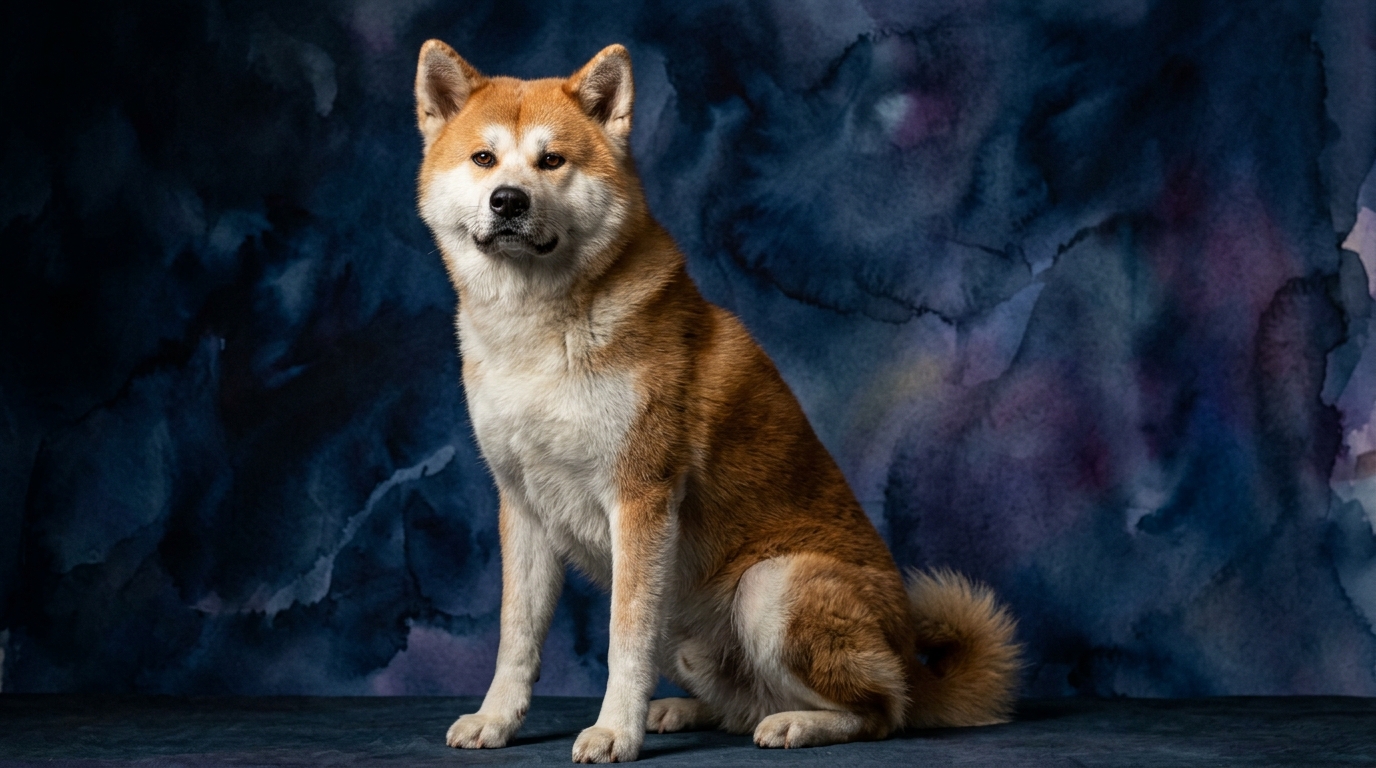
Delving into the cognitive profiles of the Akita and Bedlington Terrier reveals distinct strengths and approaches to the world. The Akita, a robust working dog with a Coren ranking of #54, showcases a unique blend of capabilities. Its Problem Solving is rated at 3/5, indicating a moderate ability to navigate novel situations, often relying on its own judgment rather than immediate human input. Training Speed, at 2/5, suggests a slower uptake of new commands, demanding consistent and patient methods. Social Intelligence, also 3/5, implies a focused social awareness primarily directed towards its core family unit, often exhibiting reserve towards outsiders. The Akita's standout trait is its Instinctive Drive, a powerful 5/5, reflecting profound ancestral motivations for guarding, hunting, and independent action. Its Memory at 4/5 means it retains experiences and lessons with considerable clarity, shaping its future responses. This combination paints a picture of a dog that is self-reliant and deeply driven by its heritage.
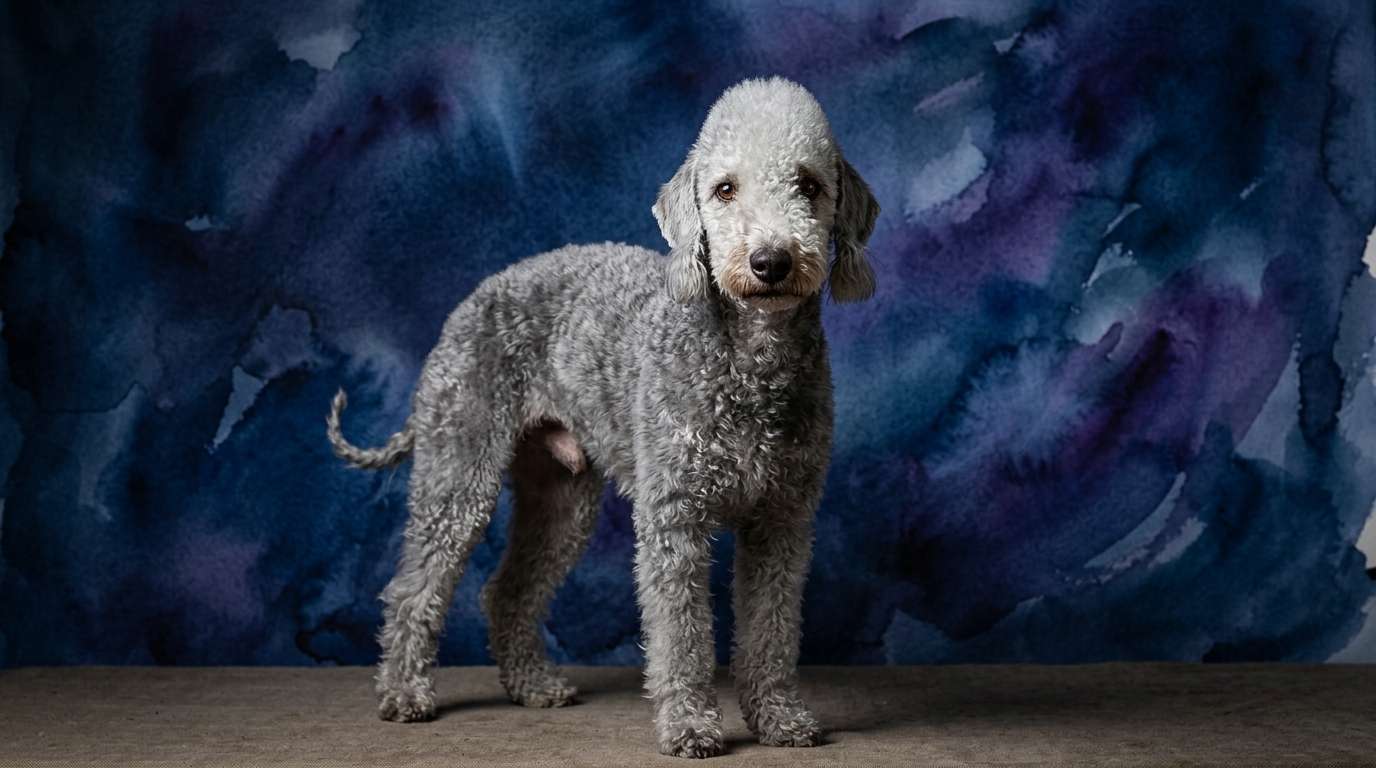
The Bedlington Terrier, though not Coren-ranked, presents a different cognitive landscape. Its Problem Solving mirrors the Akita at 3/5, demonstrating an equivalent capacity to figure out its environment, often with a terrier's characteristic cleverness and tenacity. Training Speed, however, is a higher 3/5, indicating a generally quicker responsiveness to instruction and a greater willingness to engage in structured learning. Social Intelligence, also 3/5, suggests a similar level of social awareness, though often expressed with a more adaptable and engaging demeanor within the family. Its Instinctive Drive is a moderate 3/5, reflecting a typical terrier's inclination for chasing and digging, but without the profound intensity seen in the Akita. The Bedlington's Memory is rated 3/5, providing a solid foundation for daily learning and routine retention. Together, these scores describe a dog that is clever and responsive, balancing its inherent terrier traits with a more amenable disposition for companionship.
Where Akita Wins Cognitively
The Akita's cognitive strengths distinctly emerge from its history as a formidable working dog. Its remarkable 5/5 score in Instinctive Drive means it possesses an innate, deep-seated motivation for independent action, guarding, and problem-solving within its environment, often without direct human instruction. This drive manifests as a profound self-reliance, enabling it to assess situations and act decisively, a trait invaluable in its original roles. Furthermore, its 4/5 Memory score means an Akita recalls past experiences and training with considerable clarity, forming robust associations over time. This strong memory underpins its consistent routines and allows it to adapt its behavior based on previous outcomes, whether positive or negative. While this can make initial training challenging due to its independent streak, once a behavior is ingrained, it tends to stick. The Akita's ability to retain complex patterns and adapt its protective strategies based on remembered encounters demonstrates a sophisticated cognitive application of memory and drive, making it a nuanced and capable problem-solver in its own right.
Where Bedlington Terrier Wins Cognitively
The Bedlington Terrier, while not possessing the Akita's sheer instinctive power, demonstrates cognitive advantages in areas emphasizing responsiveness and adaptability. Its 3/5 Training Speed score, a point higher than the Akita's, indicates a more immediate receptiveness to learning new commands and routines. This breed often exhibits a greater willingness to engage with human instruction, making initial training phases potentially smoother and less repetitive. This quicker uptake isn't just about speed; it reflects a cognitive flexibility and desire for interaction that lends itself well to varied learning environments. Moreover, the Bedlington's moderate 3/5 Instinctive Drive, compared to the Akita's 5/5, means its intrinsic motivations are generally more manageable and less likely to override human direction in training. While still possessing a terrier's characteristic determination, this breed often integrates more seamlessly into a domestic routine, applying its moderate problem-solving (3/5) and social intelligence (3/5) to navigate household dynamics and learn boundaries effectively. Their cognitive profile suggests a dog that is often more amenable to collaborative learning and less prone to the profound independence seen in the Akita.
Which is Easier to Train and Why
Assessing ease of training between these two breeds reveals a clear distinction, primarily driven by their disparate scores in Training Speed and Instinctive Drive. The Bedlington Terrier, with a Training Speed of 3/5, generally proves more amenable to instruction. Their moderate instinctive drives (3/5) mean they are often more focused on handler cues and less likely to be swayed by external environmental stimuli or their own inherent motivations during a training session. They typically respond well to positive reinforcement, showing a cooperative spirit that allows for quicker acquisition of new behaviors and a smoother progression through training levels. In contrast, the Akita's Training Speed of 2/5, coupled with its commanding 5/5 Instinctive Drive, presents a more significant training challenge. This breed's profound independence and strong self-will mean it often evaluates commands from a practical standpoint, deciding whether to comply based on its own perceived benefit or existing drives rather than immediate obedience. Training an Akita requires exceptional patience, consistency, and a deep understanding of canine behavior, as they are not inherently driven to please in the same way many other breeds are. Their strong memory (4/5) means they remember both good and bad training experiences, making early, positive, and consistent methods paramount. Therefore, for most owners, the Bedlington Terrier will present a considerably easier training journey due to its greater responsiveness and more manageable intrinsic motivations.
Which Suits Active Owners vs. Relaxed Owners
When considering an owner's lifestyle, the cognitive and behavioral profiles of the Akita and Bedlington Terrier diverge significantly. The Akita, with its powerful 5/5 Instinctive Drive and independent problem-solving (3/5), is best suited for active, experienced owners who appreciate and can channel a dog's profound self-reliance and working heritage. These owners must be prepared for consistent, structured training and provide ample mental and physical engagement that respects the Akita's need for purpose and independent thought. They thrive with owners who understand their protective nature and can provide clear leadership, offering outlets for their strong drives through activities like structured walks, scent work, or guarding tasks. A relaxed owner, unprepared for the Akita's deep-seated motivations and independent decision-making, might find managing this breed overwhelming. The Bedlington Terrier, conversely, with its moderate 3/5 Instinctive Drive and higher 3/5 Training Speed, often fits a broader range of owners, including those who are active but also enjoy periods of relaxation. While they possess a terrier's characteristic zest for life and require regular exercise to satisfy their moderate drives, their responsiveness to training and more adaptable nature make them suitable for owners who seek a companion ready for adventures but also content to curl up on the couch. Their need for mental stimulation is present but generally less intense and more easily satisfied through interactive play and consistent routine than the Akita's deep-seated working instincts. Therefore, active owners seeking a profound working partner should consider an Akita, while those desiring a spirited yet adaptable companion might find the Bedlington Terrier a more harmonious fit.
The Verdict
Choose an Akita if you are an experienced, active owner seeking a profoundly loyal, independent, and protective companion, prepared to commit to consistent, nuanced training and provide outlets for its strong instinctive drives.
Opt for a Bedlington Terrier if you desire a spirited, adaptable, and responsive companion, suitable for moderately active owners who appreciate a dog that is generally more cooperative in training and integrates smoothly into family life.
🧠 Find Your Pet's IQ Score
Our Pet IQ Lab assessment covers 25+ tests across 5 cognitive dimensions — personalized to your breed.
Take the Full IQ Test →Frequently Asked Questions
Is an Akita hard to train?
An Akita presents a training challenge due to its low 2/5 Training Speed and powerful 5/5 Instinctive Drive. They are independent thinkers, requiring immense patience, consistency, and experienced handling to channel their strong will and self-reliance effectively.
Do Bedlington Terriers need a lot of exercise?
Bedlington Terriers require regular exercise to satisfy their moderate 3/5 Instinctive Drive, typically needing daily walks and opportunities for play. While not as demanding as some working breeds, consistent physical and mental stimulation prevents boredom and maintains their well-being.
How do their social intelligence scores impact family life?
Both breeds score 3/5 in Social Intelligence. The Akita's social nature is often reserved for its immediate family, showing deep loyalty but aloofness towards strangers, requiring careful socialization. The Bedlington also forms strong family bonds but tends to be more generally adaptable and engaging within the household, though still retaining a terrier's independent streak.