Akita vs. Coton de Tuléar: Side-by-Side IQ Profiles
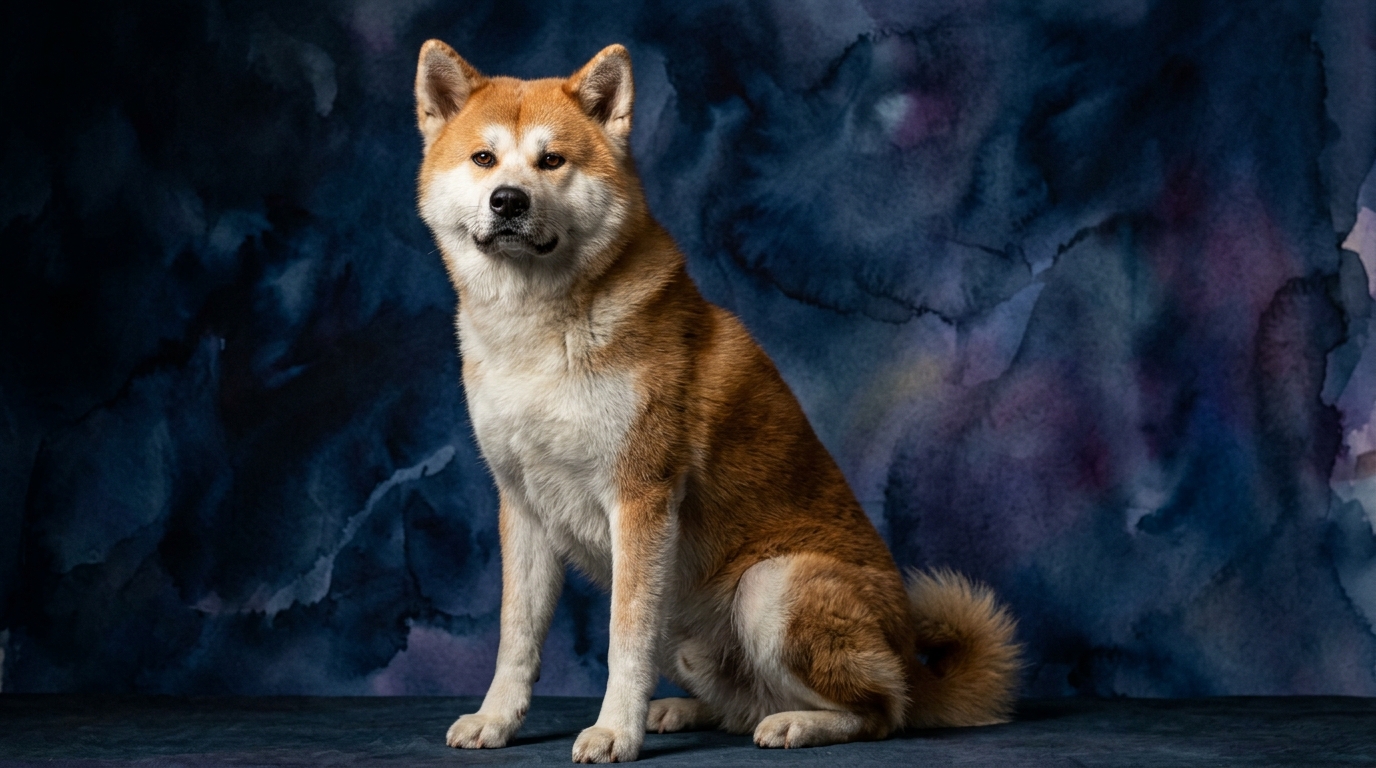
**Akita (Working Group, Coren Rank #54)**: The Akita's cognitive profile is deeply rooted in its heritage as a powerful working dog. Their **Problem Solving (3/5)** abilities are marked by a deliberate and often independent approach; they are capable of assessing situations and formulating solutions, sometimes preferring to work things out on their own terms rather than relying solely on human direction. This might manifest as finding a creative way around a barrier or persisting until a puzzle toy yields its reward, reflecting a self-reliant cognitive process rather than immediate compliance. Their **Training Speed (2/5)** typically requires significant patience and consistent, positive reinforcement for new commands and behaviors. They are not always quick to adopt new instructions and can be selective about what they choose to engage with, often needing clear, compelling motivation and repetition to solidify a lesson. In terms of **Social Intelligence (3/5)**, Akitas form profound, unwavering bonds with their immediate family, demonstrating a deep understanding of their human companions' moods and routines. However, their social circle tends to be exclusive; they can be reserved, watchful, or even aloof with strangers and other animals, showing a selective application of their social cognition geared towards protecting their core group. Possessing a powerful genetic heritage, Akitas exhibit a very strong **Instinctive Drive (5/5)**, including a formidable prey drive and highly developed guarding instincts, manifesting in acute environmental awareness and a readiness to protect their territory and loved ones. Their cognitive processing is heavily influenced by these deep-seated, primal urges. Finally, Akitas possess an exceptional **Memory (4/5)**, retaining learned behaviors, past experiences, and routines over extended periods. Both positive and negative interactions are stored vividly, influencing their future responses and relationships, remembering specific people, places, and events with remarkable clarity.
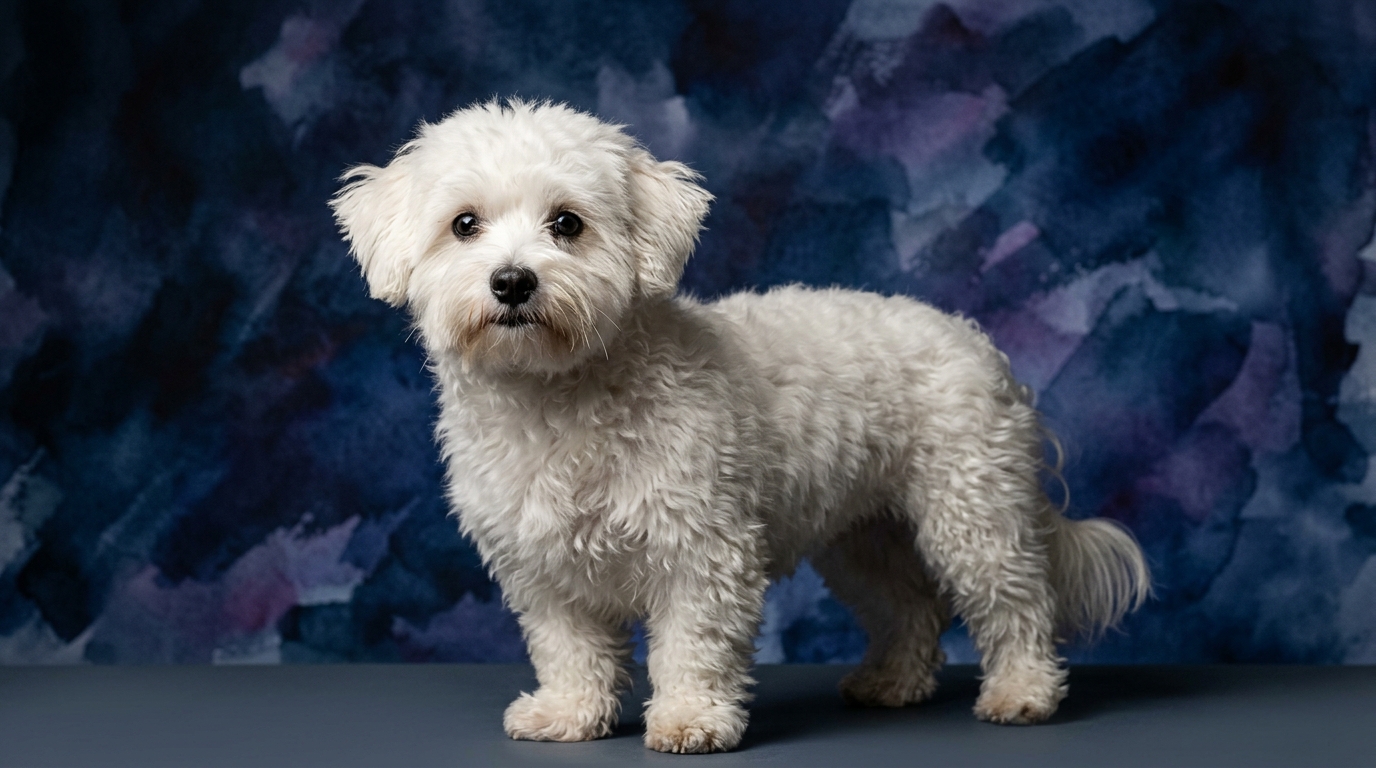
**Coton de Tuléar (Non-Sporting Group, Not Coren-Ranked)**: The Coton de Tuléar’s cognitive traits lean towards adaptability and companionship. Their **Problem Solving (3/5)** displays an adaptable and often charming approach. They enjoy mental engagement and can cleverly figure out how to achieve desired outcomes, such as retrieving a hidden toy or soliciting attention. Their problem-solving often involves understanding human cues and leveraging their charismatic nature to get what they want, demonstrating a flexible and interactive cognitive style. Regarding **Training Speed (3/5)**, Coton de Tuléars are generally eager to please and responsive, tending to pick up new commands and tricks with moderate repetition and positive reinforcement. They thrive on engagement and interaction during training sessions, making them relatively amenable learners, and their willingness to cooperate often makes the training process a collaborative and enjoyable experience. Coton de Tuléars typically exhibit a friendly, outgoing, and highly attuned **Social Intelligence (3/5)**. They are often welcoming to new people and animals, integrating well into diverse social settings, and possess a keen ability to read and respond to human emotions, making them sensitive and empathetic companions who seek to engage and interact. While Coton de Tuléars retain natural canine instincts, their **Instinctive Drive (3/5)** is generally moderate compared to working breeds. They may enjoy a good chase or show mild territorial behaviors, but these are typically less intense and more easily managed, focusing more on companionship and playful interaction rather than strong guarding or hunting impulses. Coton de Tuléars have a good **Memory (3/5)** for routines, familiar people, and basic commands. They will recall positive interactions and learned tricks reliably, contributing to their consistency in daily life and their ability to build lasting relationships. While solid, their memory might not delve into the same intricate, long-term detail as some more intensely driven breeds.
Where the Akita Wins Cognitively
The Akita's cognitive strengths truly shine in areas requiring profound independence, strategic recall, and an unwavering commitment to their innate purpose. Their 3/5 problem-solving score, while not indicating instant compliance, reflects an ability to independently assess and navigate complex environmental challenges, a critical trait for a working breed where self-reliance was paramount. This cognitive process allows them to devise solutions without constant human prompting. Furthermore, their superior 4/5 memory is a distinct advantage, enabling them to retain intricate details of past events, routines, and threats over extended periods. This long-term recall contributes to their discerning nature and their capacity for strategic thinking, whether it’s remembering a specific intruder or the layout of a familiar territory. Coupled with a powerful 5/5 instinctive drive, Akitas process sensory information rapidly, allowing them to act decisively on deeply ingrained protective or territorial impulses, demonstrating a primal yet sophisticated form of situational awareness. These combined attributes make them exceptional at tasks requiring vigilance, endurance, and independent decision-making in high-stakes scenarios.
Where the Coton de Tuléar Wins Cognitively
The Coton de Tuléar's cognitive profile excels in adaptability, social acumen, and responsive learning, making them highly desirable companions. Their 3/5 problem-solving score is not about brute independence but rather a cleverness in navigating their immediate world, often employing their understanding of human behavior to achieve comfort or attention. They are adept at finding ingenious ways to communicate their needs or secure a preferred outcome, showcasing a flexible and interactive intelligence. A key advantage lies in their 3/5 training speed; they are generally more receptive and quicker to grasp new commands and social cues than breeds requiring extensive repetition. This willingness to engage and learn makes them highly adaptable to various living situations and training modalities. Their 3/5 social intelligence further distinguishes them; Cotons are remarkably attuned to human emotions, capable of reading subtle cues and responding with empathy. This sensitivity fosters profound companion bonds and allows them to integrate smoothly into diverse social environments, making them adept at charming both family members and new acquaintances. Their cognitive strengths are geared towards harmonious cohabitation and enjoyable interaction.
Training Dynamics: Akita vs. Coton de Tuléar
When comparing ease of training, the Coton de Tuléar generally offers a more straightforward and often more rewarding experience for the average owner. With a training speed of 3/5, Cotons are typically eager to please and responsive to positive reinforcement, quickly picking up new commands and routines. Their moderate 3/5 instinctive drive means they are less prone to being sidetracked by strong prey urges or territorial guarding, allowing them to focus more readily on their handler during training sessions. Their desire for interaction and companionship translates into a willingness to cooperate, making them amenable students who enjoy the mental stimulation of learning. This behavioral difference, rooted in their companion purpose, makes them generally more compliant and less resistant to instruction.
Conversely, the Akita, with a training speed of 2/5, presents a more significant challenge. Their independent nature means they process commands through the lens of their own will and perceived value. An Akita might understand a command perfectly but choose not to execute it if they don't see the immediate benefit or are otherwise occupied. Their formidable 5/5 instinctive drive, rooted in their working heritage, means they are often highly focused on their environment—observing, protecting, or tracking—making it difficult to consistently redirect their attention to rote obedience tasks. Training an Akita demands immense patience, unwavering consistency, and a deep understanding of their motivations; it's a partnership built on mutual respect rather than simple compliance, often requiring more creative and persistent methods to achieve desired results. Their strong will and self-reliance can be perceived as stubbornness, a direct manifestation of their cognitive independence.
Lifestyle Match: Active vs. Relaxed Owners
The choice between an Akita and a Coton de Tuléar often hinges on an owner's lifestyle and their capacity to meet specific cognitive and physical needs. An Akita is best suited for active, experienced owners who are prepared for a significant commitment to structured engagement and physical activity. Their strong 5/5 instinctive drive necessitates outlets for mental and physical energy, whether through long, purposeful walks, advanced obedience work, or tasks that engage their guarding or tracking instincts. Owners must be proactive in providing consistent training and socialization to channel their independence and protective nature positively. An Akita thrives with an owner who understands and respects their discerning nature and provides consistent mental challenges, rather than expecting passive companionship. A relaxed owner, unprepared for this level of dedication, might find an Akita’s strong will and high drives overwhelming, potentially leading to behavioral issues.
In contrast, the Coton de Tuléar is remarkably adaptable and can comfortably fit into both active and more relaxed households, provided they receive ample attention and moderate engagement. While they enjoy play and walks, their moderate 3/5 instinctive drive means their exercise needs are generally less intense than the Akita's, making them suitable for apartment living or homes with smaller yards, as long as daily walks and playtime are consistent. Their 3/5 social intelligence thrives on companionship, making them content to cuddle on the couch or accompany their owners on errands. They are flexible companions who appreciate mental stimulation through games and training, but do not demand the same level of rigorous, structured activity as the Akita. A Coton will generally be happy as long as they are involved in family life and receive consistent affection and interaction, making them a more versatile choice for a broader range of lifestyles.
The Verdict
For owners who appreciate an independent, watchful companion with a profound memory and strong protective instincts, and are prepared for dedicated, consistent training that respects their unique cognitive style, the Akita is an exceptional choice.
For those seeking an adaptable, socially engaged companion eager to please, offering a more flexible training experience and moderate activity levels, the Coton de Tuléar offers a delightful and harmonious partnership.
🧠 Find Your Pet's IQ Score
Our Pet IQ Lab assessment covers 25+ tests across 5 cognitive dimensions — personalized to your breed.
Take the Full IQ Test →Frequently Asked Questions
Does the Akita's high instinctive drive make them difficult to live with?
The Akita's 5/5 instinctive drive means they possess strong natural impulses for guarding and hunting. While this requires careful management, consistent training and socialization from a young age can channel these drives positively, making them vigilant and loyal companions.
How does the Coton de Tuléar's social intelligence compare to other companion breeds?
The Coton de Tuléar's 3/5 social intelligence indicates a good capacity for understanding and responding to human emotions and social cues. They typically thrive on interaction and form strong bonds, making them adaptable and pleasant companions in various family dynamics.
Can a Coton de Tuléar excel in dog sports despite a moderate instinctive drive?
Absolutely. While their instinctive drive is 3/5, their 3/5 problem-solving and 3/5 training speed mean they can be quite adept at learning complex tasks. Their eagerness to please and love for interaction can make them enthusiastic participants in activities like agility, obedience, or rally.