Side-by-Side IQ Profile: Akita vs. Glen of Imaal Terrier
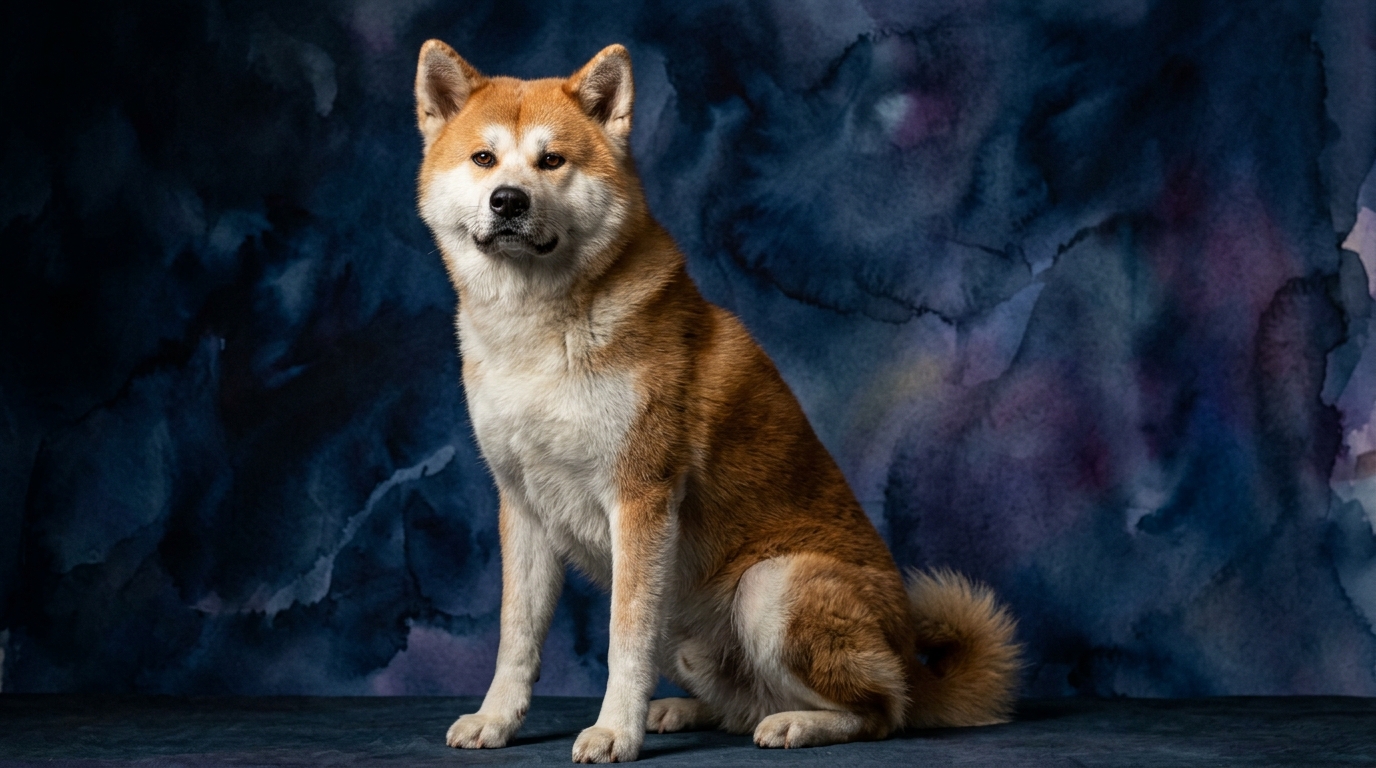
The Cosmic Pet Pet IQ Lab employs five key dimensions to map canine cognition, offering a granular view beyond generic assessments. For the Akita, a robust working breed, its profile reflects a powerful, self-reliant mind. Its Problem Solving is rated 3/5, indicating an independent thinker who may devise solutions not always reliant on human direction, often observing and acting decisively. Training Speed registers at 2/5, suggesting that while capable of learning, Akitas possess a strong will and require consistent, patient guidance, not always eager to comply without perceived purpose. Social Intelligence stands at 3/5, reflecting a discerning nature; deeply bonded to its inner circle, yet often reserved or wary with strangers. Its Instinctive Drive is a commanding 5/5, highlighting strong guarding, territorial, and prey instincts. Finally, Memory scores 4/5, indicating a capacity to retain complex sequences, routines, and past experiences with considerable detail.
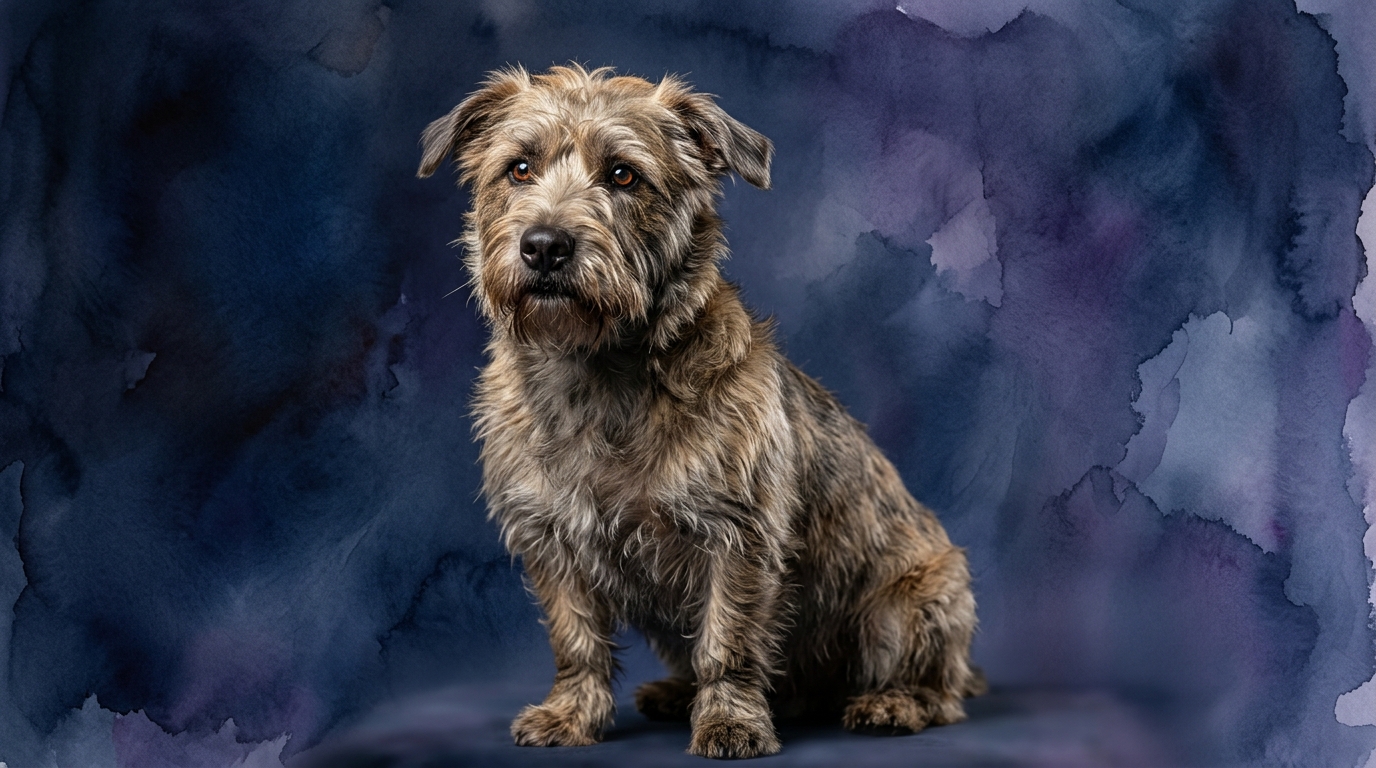
In contrast, the Glen of Imaal Terrier, a spirited terrier breed, presents a different cognitive blueprint. Its Problem Solving also scores 3/5, but this manifests as persistent, resourceful tenacity, typical of a terrier figuring out how to achieve a goal, often involving digging or exploring. Training Speed is rated 3/5, suggesting a moderate pace; they learn effectively but can be prone to terrier-typical stubbornness if not engaged. Social Intelligence matches the Akita at 3/5, meaning they are generally good-natured but independent, capable of forming strong bonds while maintaining a degree of self-sufficiency. Its Instinctive Drive is 3/5, present but less intense than the Akita, manifesting as a drive to chase, dig, and explore rather than primarily guard. Memory is rated 3/5, indicating a solid ability to recall routines and learned commands, though perhaps not with the same depth for complex, long-term events as the Akita.
Where the Akita Excels Cognitively
The Akita’s cognitive strengths are deeply rooted in its heritage as a powerful working and guarding dog, particularly evident in its Instinctive Drive (5/5) and Memory (4/5). This breed demonstrates a profound ability to perceive and respond to its environment with a heightened sense of vigilance and territoriality. Their exceptional instinctive drive means they are acutely aware of their surroundings, often anticipating potential threats or changes before a human might. This isn't just about reacting; it's about a sophisticated processing of environmental cues that triggers protective behaviors. For instance, an Akita remembers who belongs and who doesn't, recalling specific individuals, vehicles, or even sounds that signify a deviation from the norm, making them formidable guardians. Their superior memory allows them to build a detailed mental map of their territory and its inhabitants, recalling past interactions and applying those lessons to new situations. This cognitive advantage translates into a dog that can learn and retain complex routines, remember specific training cues over long periods, and recall nuanced social interactions, which is invaluable for a dog whose role historically involved independent decision-making in challenging environments.
Where the Glen of Imaal Terrier Holds a Cognitive Edge
The Glen of Imaal Terrier's cognitive advantages lie in its balanced Training Speed (3/5) and its particular brand of Problem Solving (3/5), which is infused with typical terrier tenacity and resourcefulness. While its problem-solving score mirrors the Akita's, the Glen's approach is often characterized by persistent, creative attempts to overcome obstacles, especially when a desired outcome (like reaching a scent or a toy) is involved. They might not be strategizing grand protection schemes, but they are masters at figuring out how to navigate tight spaces, bypass barriers, or outwit inanimate objects, often through sheer determination. This breed's moderate training speed, which is higher than the Akita's, means they are generally more receptive to learning new commands and tricks when the training is engaging and consistent. They possess a good capacity for learning and can adapt well to various training methodologies, provided they are kept stimulated and motivated. This adaptability, combined with their spirited problem-solving, makes them adept at navigating novel situations with a confident, can-do attitude, often finding unique solutions that might surprise an owner expecting a more direct approach.
Training Dynamics: Akita vs. Glen of Imaal Terrier
When it comes to ease of training, the Glen of Imaal Terrier generally presents a more straightforward path than the Akita, largely due to their differing Training Speed scores and fundamental motivations. The Akita, with a Training Speed of 2/5, is a breed that requires immense patience, consistency, and a deep understanding of canine behavior. They are independent thinkers, not inherently driven by a desire to please, and may question the utility of a command if it doesn't align with their perceived purpose or instincts. Training an Akita often involves convincing them to cooperate, rather than simply instructing. Their strong will and inherent wariness mean that early, positive socialization and firm, fair leadership are paramount to manage their powerful instinctive drives and foster compliance. Without this, their independent nature can lead to challenges in obedience.
In contrast, the Glen of Imaal Terrier, with a Training Speed of 3/5, is typically more amenable to instruction. While they still possess the characteristic terrier stubbornness and can be easily distracted by scents or sounds, they respond well to positive reinforcement and engaging training sessions. They are often more food-motivated or toy-motivated than Akitas, making it easier to find effective rewards. Their problem-solving tenacity, though sometimes applied to mischievous endeavors, can be channeled into learning complex tasks or agility. Behavioral differences include the Akita's tendency towards aloofness and independent decision-making versus the Glen's more biddable, albeit sometimes mischievous, engagement. Therefore, for most owners, the Glen of Imaal Terrier will be the easier breed to train, requiring less extensive management of inherent resistance and a more direct route to obedience.
Suitability for Active vs. Relaxed Owners
Understanding the cognitive and physical demands of each breed is crucial for matching them with the right lifestyle. An 'active owner' for an Akita implies someone who is prepared for consistent, assertive leadership, extensive socialization, and a commitment to mental and physical engagement that respects their working dog heritage. Akitas require structured exercise, not just passive walks, but activities that engage their powerful bodies and minds, such as long hikes, scent work, or advanced obedience training. Their high instinctive drive and superior memory mean they need outlets for their guarding and protective tendencies, channeled appropriately, to prevent problematic behaviors. They thrive with owners who are confident and consistent in setting boundaries, understanding that their independence is a trait to be managed, not broken. They are not suited for truly 'relaxed' owners who prefer minimal interaction or unstructured environments, as their complex needs can quickly lead to frustration for both dog and human.
The Glen of Imaal Terrier, while not a couch potato, fits well with owners who are active in a different sense. They need regular exercise to satisfy their terrier instincts, enjoying vigorous play, digging opportunities (perhaps in a designated sandpit), and engaging walks where they can explore scents. Their moderate instinctive drive means they are less demanding in terms of sheer physical exertion than an Akita, but their problem-solving nature requires consistent mental stimulation to prevent boredom. They are well-suited for owners who enjoy interactive play, consistent training, and who can appreciate a dog with a spirited, independent streak without needing them to be constantly 'on guard.' They can adapt to more relaxed indoor living provided their mental and physical needs are met daily. Owners who appreciate a dog that is self-sufficient but still enjoys family involvement will find the Glen a rewarding companion, making them suitable for owners who are active in their engagement but perhaps less demanding in terms of high-intensity physical output.
The Verdict
Choose an Akita if you are an experienced, confident dog owner prepared for a significant commitment to leadership, extensive socialization, and managing a powerful, independent guardian with exceptional memory and strong protective instincts.
Choose a Glen of Imaal Terrier if you appreciate a spirited, tenacious companion with a good capacity for training, a moderate exercise requirement, and an independent streak, suited for consistent, engaging owners who enjoy interactive play and problem-solving challenges.
🧠 Find Your Pet's IQ Score
Our Pet IQ Lab assessment covers 25+ tests across 5 cognitive dimensions — personalized to your breed.
Take the Full IQ Test →Frequently Asked Questions
Is an Akita's independence a sign of low intelligence?
Not at all. An Akita's independence (Problem Solving 3/5, Training Speed 2/5) reflects a self-reliant cognitive style, historically valued for making decisions without human direction in working roles. They process information and act decisively, but this often means they need to be convinced of a task's value rather than simply obeying, which is a different form of cognitive engagement.
How does the Glen of Imaal Terrier's problem-solving differ from the Akita's?
Both breeds score 3/5 for Problem Solving, but their manifestation differs. The Akita's problem-solving often involves strategic observation and independent decision-making for protection, leveraging its memory and powerful instincts. The Glen's problem-solving is characterized by tenacious, persistent effort, often involving digging, sniffing, and creative maneuvers to achieve a goal, typical of its terrier heritage and driven by curiosity rather than guardianship.
Which breed is better for a first-time dog owner?
Neither breed is typically recommended for first-time dog owners due to their strong personalities and specific needs. However, if forced to choose, the Glen of Imaal Terrier (Training Speed 3/5) might be marginally less challenging than the Akita (Training Speed 2/5) due to its more moderate instinctive drives and slightly greater trainability, though both require dedicated, informed ownership.