Side-by-Side IQ Profile: Akita vs. Japanese Chin
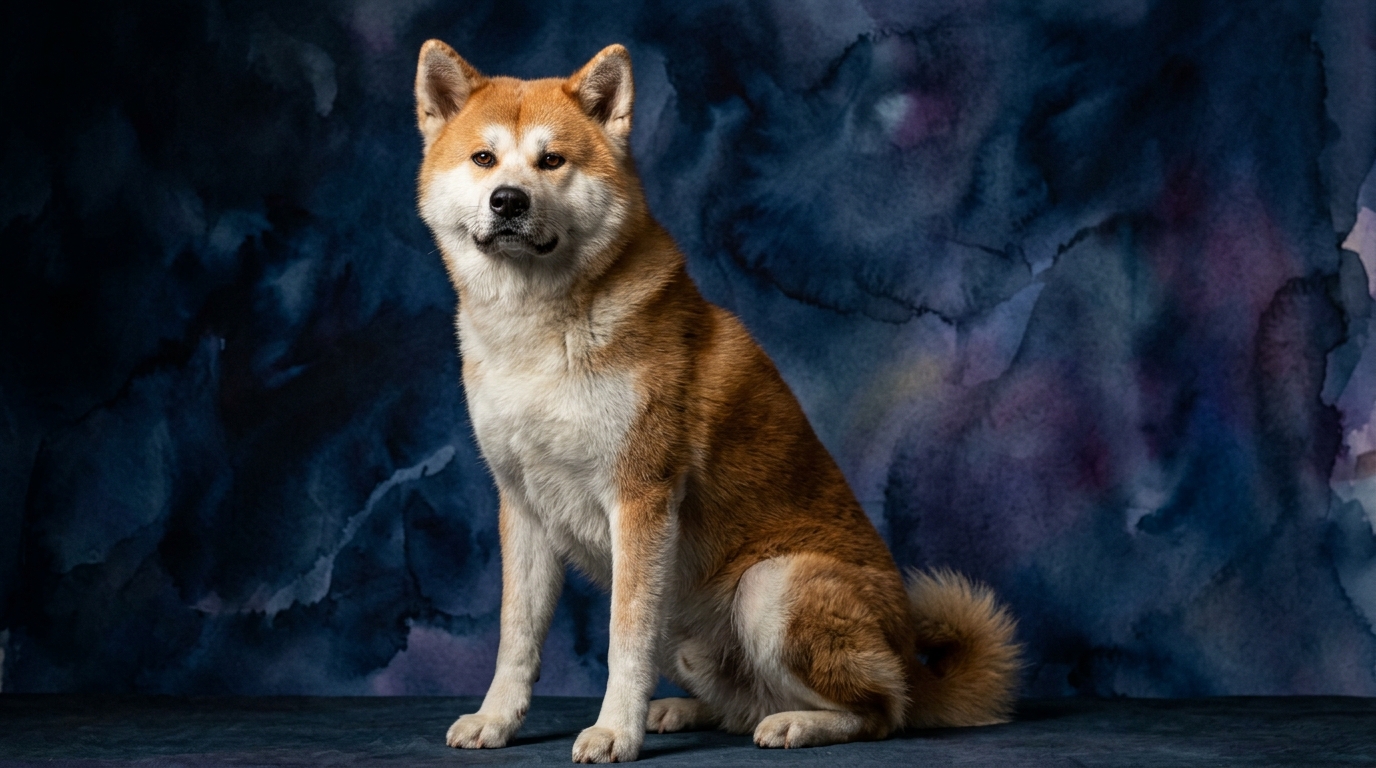
The Cosmic Pet Pet IQ Lab provides a structured way to assess canine cognition across five vital dimensions. For the Akita, a breed rooted in working roles, we observe a Problem Solving score of 3/5, indicating a moderate capacity for navigating challenges. Their Training Speed is 2/5, suggesting a deliberate learning pace, while their Social Intelligence stands at 3/5, reflecting a nuanced understanding of interactions, often with a reserved nature. A remarkable Instinctive Drive of 5/5 underscores their profound innate predispositions, complemented by a Memory score of 4/5, signifying robust retention of experiences and routines.
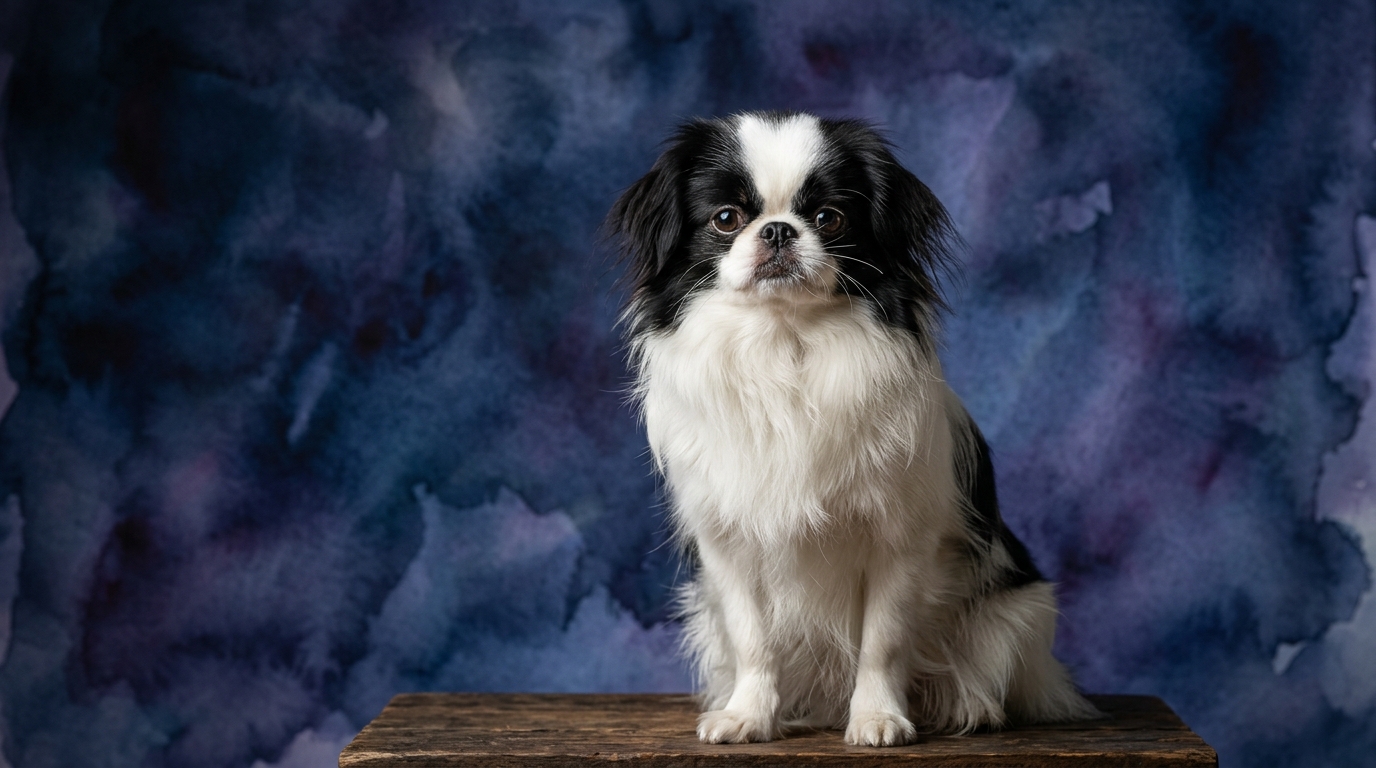
In contrast, the Japanese Chin, a breed primarily developed for companionship, presents a distinct cognitive profile. They share the Akita’s Problem Solving score of 3/5, showing a comparable ability to tackle mental puzzles. Their Training Speed, however, is slightly higher at 3/5, indicating a more responsive learning aptitude. Like the Akita, their Social Intelligence is 3/5, highlighting their adeptness at reading human cues, but often manifesting in a more overtly charming manner. Their Instinctive Drive is 3/5, a moderate level suitable for a companion animal, and their Memory is also 3/5, allowing for reliable recall of daily life and familiar faces.
Where the Akita Wins Cognitively
The Akita’s cognitive strengths are deeply intertwined with its heritage. Their Instinctive Drive, rated at an impressive 5/5, is a dominant cognitive feature. This isn't merely a physical urge; it represents a profound mental framework for vigilance, territorial awareness, and a focused approach to perceived duties, whether guarding their family or assessing their environment. This powerful drive means Akitas are intrinsically motivated by their ancestral roles, leading to unwavering determination and focus when their instincts are engaged.
Furthermore, the Akita's Memory, scoring 4/5, gives them a notable edge. This superior recall allows them to retain complex sequences, remember specific individuals and their roles within the household over extended periods, and maintain detailed spatial awareness of their territory. This robust memory contributes significantly to their protective capabilities, enabling them to distinguish between familiar and unfamiliar, and to execute learned behaviors with impressive consistency once they have committed to them, albeit after a deliberate learning process.
Where the Japanese Chin Wins Cognitively
The Japanese Chin exhibits a subtle but significant cognitive advantage in Training Speed, scoring 3/5 compared to the Akita’s 2/5. This quicker grasp of new commands and routines often stems from their eager-to-please temperament and their inherent desire for positive interaction. They tend to be more responsive to reward-based training and enjoy the collaborative aspect of learning, making them a more straightforward training partner for individuals seeking a companion who readily absorbs new instructions.
While both breeds share a 3/5 Social Intelligence score, the Chin’s manifestation of this trait is particularly advantageous for its role as a companion. Their keen ability to read and adapt to human emotions, combined with their moderate problem-solving, allows them to be incredibly perceptive and adaptable household members. They often use their charming demeanor and expressive faces to communicate their needs and influence interactions, creating a harmonious and responsive relationship with their human companions, a cognitive skill refined through centuries of close companionship.
Which is Easier to Train and Why
When considering ease of training, the Japanese Chin generally presents a more accessible experience for the average owner. Their 3/5 Training Speed means they typically absorb new commands with moderate repetition, and their motivation is often aligned with pleasing their human companions and earning praise or treats. They are less inclined towards the independent streaks often observed in working breeds, making them more amenable to consistent instruction and less likely to challenge authority in training scenarios.
The Akita, with its 2/5 Training Speed and formidable 5/5 Instinctive Drive, demands a more experienced, patient, and consistent trainer. Their independence and strong will mean they will often evaluate commands, deciding if the request is worth their effort or if their own instincts should take precedence. Training an Akita is less about rapid acquisition of commands and more about establishing a deep, respectful partnership based on trust and clear leadership. While their 4/5 Memory ensures profound retention once learned, the initial journey requires unwavering commitment and an understanding of their unique motivations.
Which Suits Active Owners vs. Relaxed Owners
The Akita, with its high Instinctive Drive (5/5) and robust physicality, is well-suited for owners who embrace an active, structured lifestyle. They thrive when given a sense of purpose, whether through consistent obedience training, engaging in long, purposeful walks, or participating in activities that engage their protective instincts and moderate problem-solving abilities. Their independent nature means they value their space, but they require consistent mental and physical stimulation to remain balanced and content companions.
Conversely, the Japanese Chin, with its moderate Instinctive Drive (3/5) and strong Social Intelligence (3/5), is often an ideal match for more relaxed owners. While they certainly enjoy playtime and short, leisurely walks, their primary need is intimate companionship and being an integral part of their family's daily rhythm. They are adaptable to apartment living and less demanding in terms of strenuous physical activity, preferring the comfort of a lap and gentle, interactive moments over intense physical exertion or complex tasks.
The Verdict
Choose an Akita if you are an experienced dog owner seeking a steadfast, protective companion who thrives on structure and dedicated training, appreciating a dog with profound memory and strong intrinsic drives.
Opt for a Japanese Chin if you desire an amiable, adaptable companion who learns readily, enjoys social interaction, and fits seamlessly into a more relaxed household environment.
🧠 Find Your Pet's IQ Score
Our Pet IQ Lab assessment covers 25+ tests across 5 cognitive dimensions — personalized to your breed.
Take the Full IQ Test →Frequently Asked Questions
Do Akitas and Japanese Chins excel at the same types of problem-solving tasks?
While both score 3/5 in problem-solving, their application differs. Akitas might excel at tasks requiring strategic thinking related to their guarding instincts, like figuring out how to bypass a barrier, while Chins might use their problem-solving to manipulate situations for comfort or attention.
How does Akita's strong instinctive drive impact its temperament compared to the Japanese Chin?
The Akita's 5/5 instinctive drive often translates to a more serious, vigilant temperament, with a strong sense of purpose and territory. The Japanese Chin's 3/5 drive results in a generally more playful and less intensely focused demeanor, prioritizing social connection over innate tasks.
Can a Japanese Chin be trained for advanced obedience like an Akita?
A Japanese Chin can certainly learn advanced obedience, potentially even quicker in initial stages due to their 3/5 training speed. However, an Akita's superior memory (4/5) means deeply ingrained, complex routines might be more reliably executed over the long term, provided the initial training commitment is met.