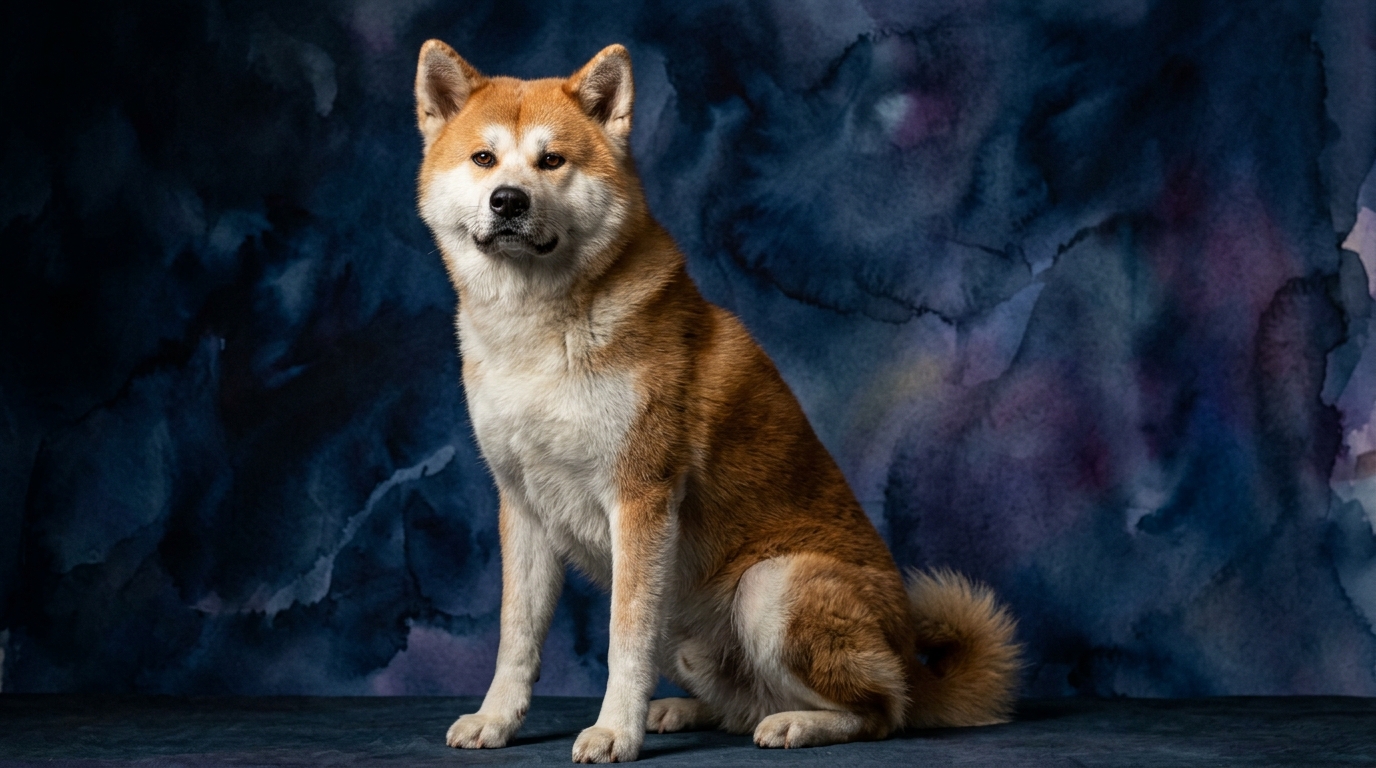
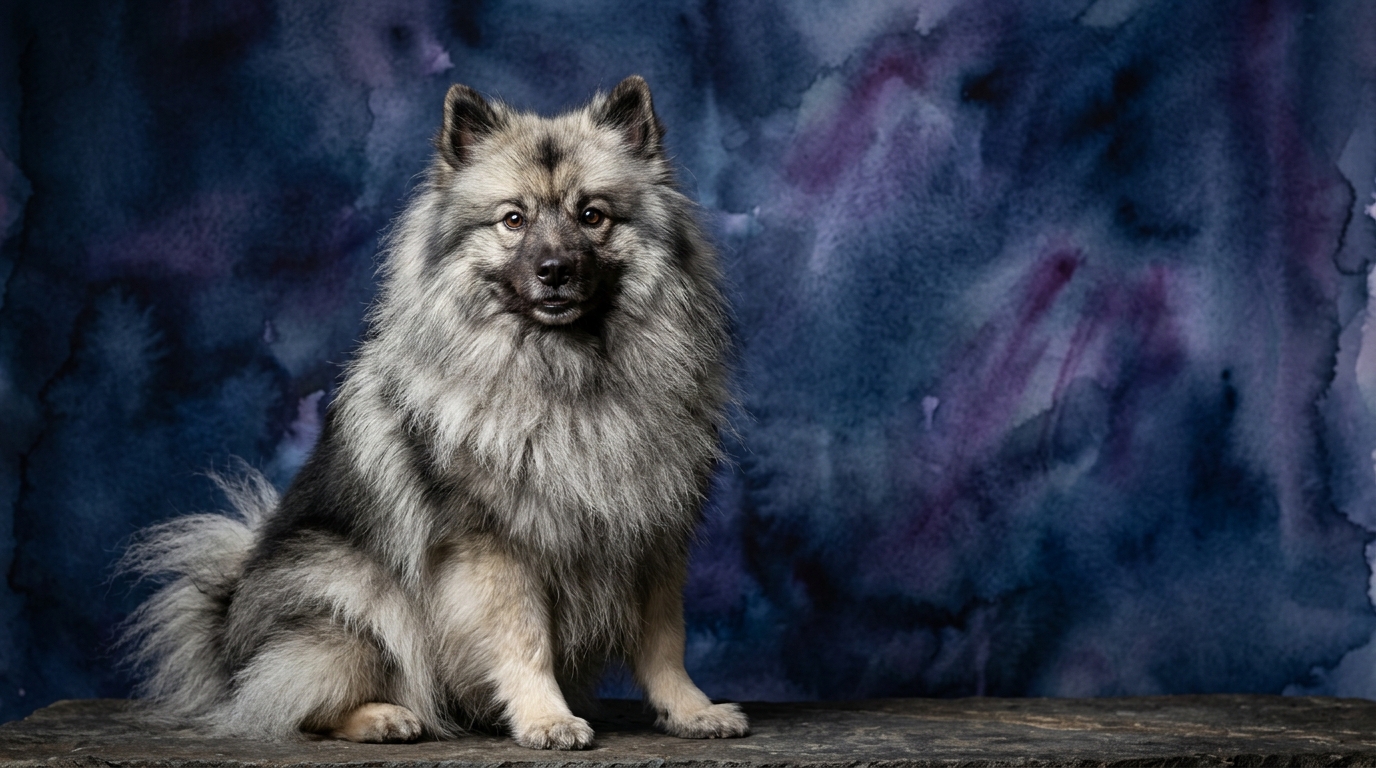
Side-by-Side Cognitive Profiles
The Akita, a breed steeped in working lineage, presents a cognitive profile geared towards independence and formidable protection. Its problem-solving ability, rated at 3/5, suggests a dog capable of resourceful action when left to its own devices, though not always inclined to seek human guidance for every conundrum. Training speed is a modest 2/5, indicating a strong-willed nature that requires consistent, patient methods and a deep understanding of canine psychology to motivate. Social intelligence, at 3/5, points to a discerning companion, forming profound bonds with its inner circle but often reserved or aloof with outsiders. The Akita’s instinctive drive soars at 5/5, reflecting an intense predisposition for guarding, territoriality, and a strong prey drive, demanding careful management. Finally, its memory registers at an impressive 4/5, allowing it to retain complex routines, remember past experiences, and recall boundaries with precision.
In stark contrast, the Keeshond, a lively companion from the Non-Sporting group, exhibits a cognitive makeup optimized for engaging interaction and adaptability, earning it a notable Coren rank of #16. Its problem-solving capacity shines at 4/5, showing a keen eagerness to figure things out, often with a collaborative spirit alongside its human companions. Training speed is a swift 4/5, indicating a quick grasp of new concepts and commands, thriving on positive reinforcement and mental stimulation. Social intelligence, also rated 3/5, manifests as an affectionate devotion to its family, though it may display a characteristic watchfulness towards strangers, often preferring to observe before engaging. The Keeshond’s instinctive drive is a moderate 3/5, less about intense guarding and more about alert barking and playful engagement. Its memory is exceptional, a perfect 5/5, enabling it to recall a vast repertoire of commands, remember people and places with clarity, and pick up on subtle cues from its environment.
Where the Akita Wins Cognitively
The Akita’s cognitive strengths lie profoundly in its formidable instinctive drive (5/5) coupled with its robust memory (4/5) and independent problem-solving (3/5). This combination makes the Akita an unparalleled guardian. When faced with a perceived threat or an unfamiliar situation, an Akita is more likely to assess and act autonomously, drawing upon its innate protective instincts and remembering past lessons in vigilance. Its strong territorial awareness means it instinctively understands and recalls the boundaries of its domain, acting as a natural deterrent. This breed excels in scenarios requiring self-reliance and decisive action without constant human instruction, leveraging its memory to recall who belongs and who doesn't, or where potential dangers might lie. For tasks demanding intense focus and unwavering dedication to a specific “job,” especially one involving protection or vigilance, the Akita’s cognitive architecture is uniquely suited.
Where the Keeshond Wins Cognitively
The Keeshond’s cognitive profile shines in areas emphasizing cooperative learning, rapid skill acquisition, and an exceptional capacity for recall, underscored by its superior Coren rank of #16. Its problem-solving ability (4/5) is particularly strong when it involves human interaction, as Keeshonds often delight in working with their owners to unravel a puzzle or master a new trick. This collaborative spirit, combined with a training speed of 4/5, means they pick up new commands and routines with remarkable alacrity, making them highly adaptable to various dog sports like agility or obedience. Furthermore, their perfect 5/5 memory score ensures that once a lesson is learned, it is retained, allowing for a vast and enduring repertoire of behaviors and responses. This makes them excel in environments where consistent, varied mental challenges and a broad understanding of human expectations are valued.
Which Is Easier to Train and Why
When comparing ease of training, the Keeshond unequivocally holds the advantage due to its swifter training speed (4/5) and higher problem-solving score (4/5) compared to the Akita’s 2/5 and 3/5 respectively. Keeshonds generally possess a strong desire to please their family, making them highly receptive to positive reinforcement methods; they enjoy the process of learning and the mental engagement it provides. Their moderate instinctive drive (3/5) means they are less likely to be distracted by overwhelming urges to guard or hunt, allowing them to focus more readily on training cues.
Conversely, the Akita's training journey demands significant patience and expertise. Their lower training speed (2/5) stems from an independent and often strong-willed nature; they are not inherently motivated to perform simply to please. Training an Akita requires understanding their motivation, which often involves a clear purpose or reward that appeals to their self-interest rather than mere compliance. Their intense instinctive drive (5/5) means that channeling their protective and territorial urges requires consistent, early socialization and firm, fair guidance to prevent them from becoming overly dominant or reactive. While capable of learning, Akitas require an owner who can establish clear leadership and maintain unwavering consistency, understanding that an Akita will question commands if they perceive them as illogical or unnecessary.
Which Suits Active Owners vs. Relaxed Owners
The Akita is best suited for active owners who are not merely looking for physical exertion but are prepared for a demanding, hands-on commitment to their dog's mental and behavioral well-being. Owners must be highly engaged in consistent, structured training and early, ongoing socialization to manage the Akita's powerful instinctive drive (5/5) and independent problem-solving (3/5). This breed thrives with a dedicated handler who provides clear boundaries, purposeful activities, and understands the nuances of its reserved social intelligence (3/5), respecting its discerning nature. An Akita is not for the passive owner but for one seeking a formidable partner willing to invest the time and effort into cultivating a well-adjusted, loyal guardian.
The Keeshond, by contrast, is a more adaptable companion, suitable for owners with varied lifestyles, from moderately active to those who prefer more relaxed, family-centric activities. While they possess good energy, their exercise needs are typically met with daily walks and interactive play rather than intense, structured “work.” Their higher training speed (4/5) and problem-solving (4/5) mean they enjoy engaging in mental games, learning tricks, and participating in family activities that stimulate their quick minds. The Keeshond’s moderate instinctive drive (3/5) makes them generally less demanding in terms of behavioral management than an Akita. They thrive on companionship and being an integral part of the family, making them an excellent choice for owners who desire a bright, affectionate, and relatively easy-to-manage companion without the intense behavioral challenges of a highly driven working breed.
The Verdict
Choose an Akita if you are a highly committed owner seeking an independent, fiercely loyal guardian and are prepared for extensive, consistent training to channel its powerful instinctive drives.
Opt for a Keeshond if you desire an engaging, intelligent companion who excels in cooperative learning, thrives on family interaction, and is generally more adaptable to varied home environments.
🧠 Find Your Pet's IQ Score
Our Pet IQ Lab assessment covers 25+ tests across 5 cognitive dimensions — personalized to your breed.
Take the Full IQ Test →Frequently Asked Questions
Is it true that Akitas are untrainable due to their independence?
Akitas are certainly independent and strong-willed, but they are not untrainable; their training speed is 2/5, indicating it simply requires more patience and a deep understanding of their motivations. Success hinges on consistent, fair, positive reinforcement and establishing a clear, respectful relationship from an early age.
Do Keeshonds bark excessively given their alert nature?
Keeshonds are known for their “watchdog” tendencies, with an instinctive drive of 3/5, meaning they are prone to alert barking to announce visitors or unusual occurrences. While not inherently excessive, this trait can be managed with early training and consistent redirection to prevent it from becoming a nuisance.
Which breed is generally better suited for families with children?
Both breeds can be good with children when properly socialized and raised together, but the Keeshond (social intelligence 3/5, moderate drive) is generally considered more adaptable and playful with children, thriving on family interaction. Akitas (social intelligence 3/5, high drive) are loyal but often reserved and require careful supervision due to their protective instincts and discerning nature.