Side-by-Side IQ Profile
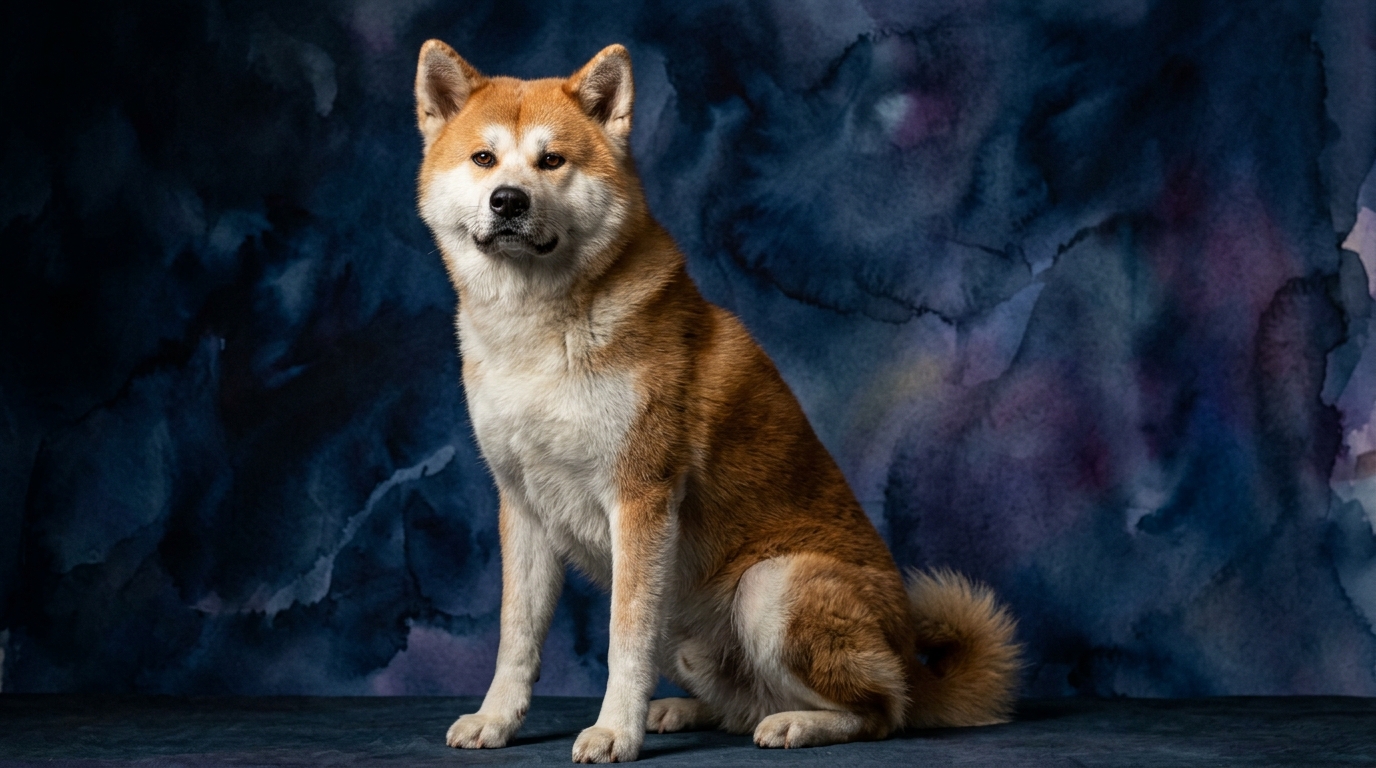
The Akita, a venerable Working group dog with a Coren ranking of #54, showcases a unique cognitive blueprint. Their problem-solving ability, rated at 3/5, reflects an independent thought process, often leading them to assess situations and make their own decisions rather than seeking immediate human direction. Training speed, at 2/5, indicates a need for patience and consistent, motivational methods, as they are not inherently eager to please. Social intelligence, also 3/5, manifests as profound loyalty and discerning affection towards their inner circle, coupled with a reserved demeanor towards strangers. Their instinctive drive, a formidable 5/5, fuels their powerful protective nature and territorial vigilance, while their memory, a strong 4/5, allows them to retain experiences and lessons with remarkable clarity, shaping their future interactions.
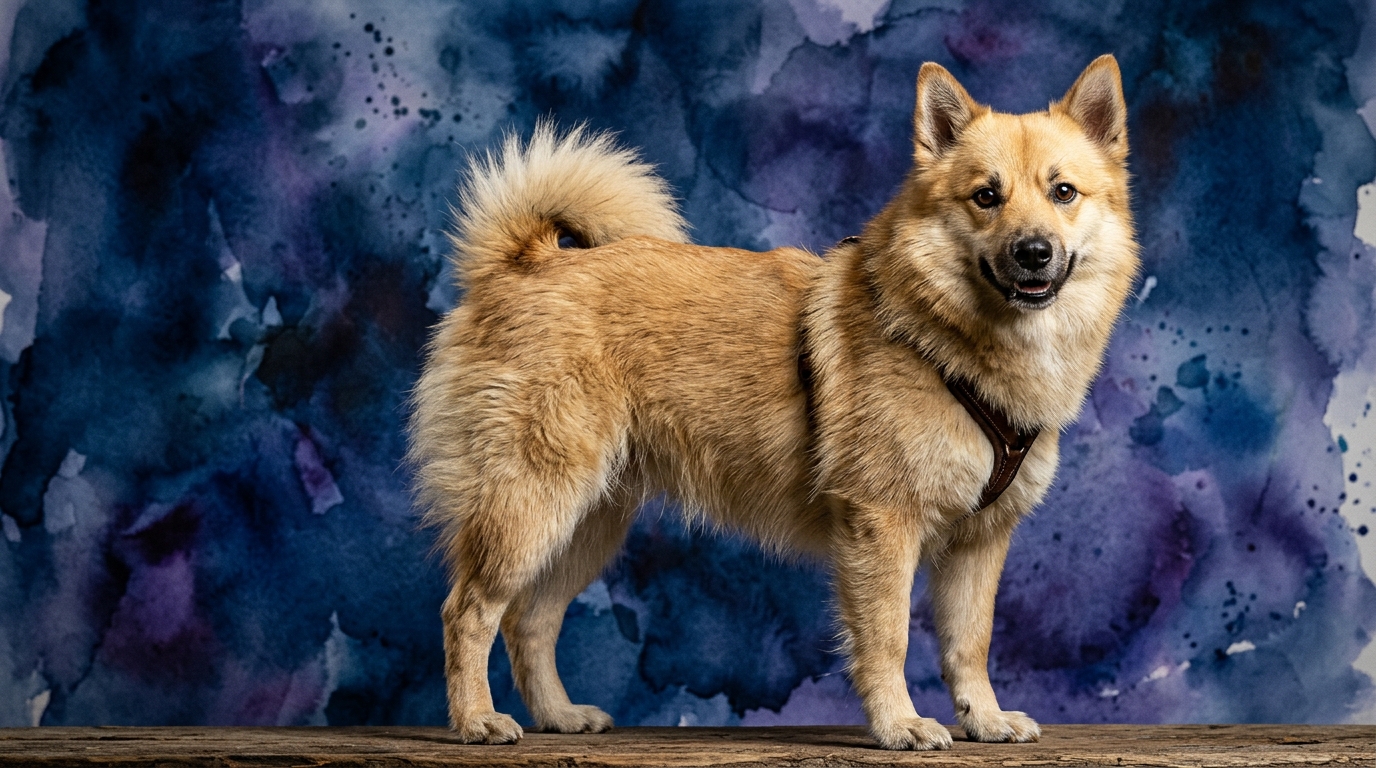
In contrast, the Norwegian Buhund, a spirited Herding group dog, presents a different cognitive profile. With a problem-solving score of 3/5, they exhibit an adaptable intelligence, often learning through active engagement and experimentation, especially within a working context. Their training speed, at 3/5, suggests a more cooperative and responsive learner, generally quicker to grasp new commands and routines when positive reinforcement is applied. Social intelligence, matching the Akita at 3/5, typically translates to a generally friendly disposition, particularly with their family, though they remain alert and aware of their surroundings. Their instinctive drive, rated at 3/5, is characterized by a strong herding impulse and an alert barking tendency, manageable and often channeled into productive activities. A memory score of 3/5 indicates solid retention of tasks and routines, though perhaps less emphasis on the nuanced emotional recall seen in the Akita.
Where Akita Wins Cognitively
The Akita truly distinguishes itself through its unparalleled instinctive drive, scoring a maximum 5/5 compared to the Buhund's 3/5. This isn't merely a physical urge; it's a deep-seated cognitive program for vigilance, guardianship, and territorial protection. Akitas process their environment with an intense focus, constantly assessing potential threats and internalizing their role as protectors of their family and domain. This profound drive translates into an unwavering sense of duty, guiding their actions and reactions in a way few other breeds can match. Their protective instincts are a complex weave of observation, assessment, and a readiness to act, making them formidable and dedicated guardians.
Furthermore, the Akita's memory, rated 4/5 against the Buhund's 3/5, provides a distinct cognitive advantage. They possess an impressive capacity for long-term retention of experiences, both positive and negative, and their interactions with people. This means an Akita will remember a kind gesture from years past, but also a perceived slight or an inconsistency in training. This robust memory contributes significantly to their profound loyalty and discerning nature; they build their understanding of the world and their relationships based on a remarkably clear recall of past events. This cognitive trait makes their trust hard-earned but deeply rooted, shaping their responses and making them highly attuned to their environment and their human companions over time. Their Coren ranking of #54 also places them in a respectable position for understanding new commands, indicating a solid capacity for processing and internalizing information, even if their willingness to immediately perform is conditional.
Where Norwegian Buhund Wins Cognitively
The Norwegian Buhund shines in its training speed, scoring 3/5 where the Akita registers 2/5. This difference is significant for owners seeking a responsive and collaborative partner. Buhunds generally exhibit a greater eagerness to engage in learning sessions and pick up new commands and routines more rapidly. Their herding heritage has cultivated a cognitive disposition that values working in concert with a handler, making them more receptive to direction and more motivated by interactive training. This quicker processing and willingness to comply translates into a more fluid and less challenging training experience for many owners, particularly when employing positive reinforcement.
While both breeds share a 3/5 rating for problem-solving, the Buhund’s expression of this intelligence often offers a practical advantage. Their herding background means they are adept at solving dynamic problems related to movement, spatial awareness, and managing other animals. They demonstrate a flexible and responsive intelligence, quickly adapting to novel situations that require collaboration and quick thinking, such as navigating agility courses or engaging in complex scent work. This practical, "on-the-go" problem-solving often makes them more adaptable to varied training scenarios and less prone to the independent, self-determined problem-solving style of the Akita. Moreover, while their instinctive drive is lower at 3/5 compared to the Akita's 5/5, this presents a cognitive "win" in terms of manageability. Their herding drive is strong but generally less intense and more readily channeled into constructive, human-directed activities like dog sports, where they can apply their cognitive energies productively without the same level of independent protective intensity.
Which is Easier to Train and Why
The Norwegian Buhund generally proves to be the easier breed to train, primarily due to its higher training speed (3/5) and inherent herding disposition. Buhunds are typically more cooperative, enjoy the process of learning, and respond enthusiastically to positive reinforcement methods. Their ancestral role required them to work closely with humans, fostering an attentiveness to their handler and an eagerness for a "job," which directly translates into a more amenable training partner. They are less inclined to question commands and more motivated by the interaction and reward, making the training journey smoother and often more rewarding for both dog and owner.
The Akita, with its 2/5 training speed, presents a more significant challenge. They are renowned for their independence and often display a "what's in it for me?" attitude towards commands. It's not that Akitas lack the capacity to learn; their problem-solving and memory scores indicate strong cognitive abilities. Rather, their challenge lies in their willingness to comply. They require immense patience, unwavering consistency, and a deep understanding of their motivations. An Akita will often choose not to perform a command if they don't perceive a clear purpose or if the method isn't sufficiently motivating. Their strong memory means they will quickly identify and exploit inconsistencies in training, and their social intelligence, while strong for their inner circle, does not extend to an eagerness to please a broad range of people, demanding a strong, respected bond with their primary trainer.
Which Suits Active Owners vs. Discerning Companionship
For owners seeking an active, engaged, and consistently participatory canine partner, the Norwegian Buhund is an excellent match. Their moderate instinctive drive and higher training speed mean they thrive on mental stimulation and physical activity, channeling their herding energy into structured activities, dog sports like agility or obedience, and frequent outdoor adventures. Buhunds enjoy having a purpose and actively interacting with their people, making them ideal companions for those who want to integrate their dog into a busy, activity-filled lifestyle. They are often described as wanting to be involved in family life.
The Akita, while requiring significant daily exercise and mental engagement, appeals to owners who appreciate a more independent, dignified companion with a profound sense of purpose. They are not suited for truly "relaxed" owners in the sense of minimal engagement, as their strong instinctive drive (5/5) and memory (4/5) demand consistent, firm leadership and appropriate outlets for their energy. However, once their needs are met, Akitas can be content observing their surroundings and guarding their territory, rather than constantly seeking interactive tasks or being overtly "needy." They are discerning in their affections and thrive with owners who respect their autonomy while providing clear boundaries and consistent, patient guidance. They are a better fit for owners who prefer a strong, quiet presence over a boisterous, constantly seeking-attention companion, provided the owner is committed to their unique management requirements.
The Verdict
Owners seeking a profoundly loyal, discerning guardian with a powerful instinctive drive and an impressive memory for experiences will find the Akita a uniquely rewarding, albeit challenging, companion. They thrive with confident, consistent leadership that respects their independent nature and provides outlets for their protective instincts.
The Norwegian Buhund is ideal for owners who desire an agile, engaged working partner, eager to learn and participate in activities, and who appreciate a more overtly collaborative and responsive canine mind. They flourish in active homes that provide consistent mental and physical stimulation and enjoy a dog that wants to be involved.
🧠 Find Your Pet's IQ Score
Our Pet IQ Lab assessment covers 25+ tests across 5 cognitive dimensions — personalized to your breed.
Take the Full IQ Test →Frequently Asked Questions
Is the Akita truly harder to train than the Norwegian Buhund?
Yes, generally. While both can learn, the Akita's lower training speed and independent nature mean they require more patience, consistency, and motivation to comply, often questioning commands they deem unnecessary. The Buhund, with its herding background, is typically more eager to please and quicker to respond to training cues.
How do their social intelligence scores of 3/5 manifest differently?
For the Akita, a 3/5 social intelligence often means profound loyalty and understanding within their immediate family, but wariness or indifference towards strangers, requiring careful socialization. The Norwegian Buhund's 3/5 generally translates to a more outgoing, though still discerning, friendliness with a broader circle, often engaging readily with new people once introduced appropriately.
Which breed is better for a first-time dog owner?
Neither is typically recommended for an absolute first-time dog owner due to their specific needs, but the Norwegian Buhund, with its higher training speed and more cooperative nature, might present fewer immediate challenges than the independent and deeply protective Akita. Both require owners committed to consistent training and socialization from an early age.