Side-by-Side Cognitive Profiles
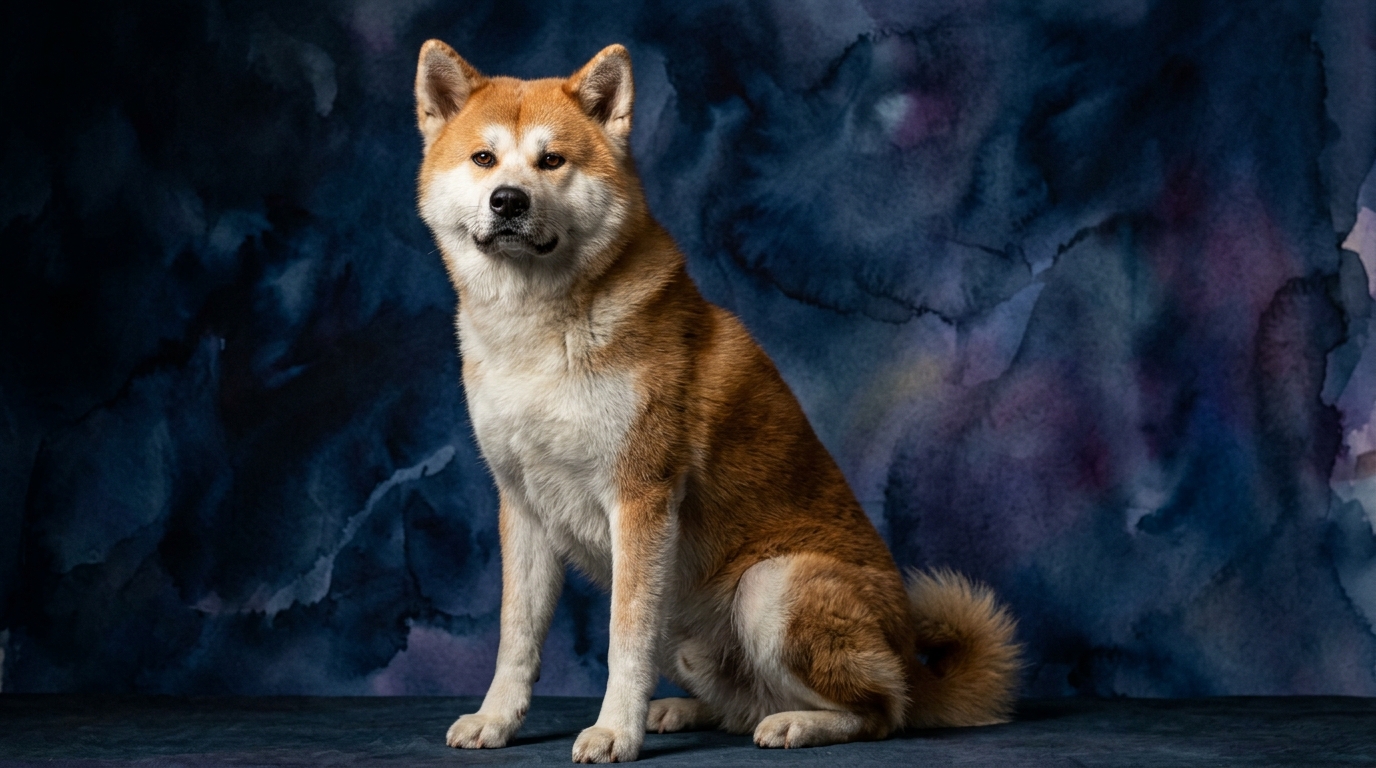
The Cosmic Pet Pet IQ Lab provides a comprehensive framework to understand canine intelligence across five key dimensions, offering a nuanced view beyond simplistic labels. For the majestic Akita, a breed steeped in history as a guardian and hunter, we observe a Problem Solving score of 3/5, indicating a capacity for independent thought and strategic action that isn't always aligned with human directives. Their Training Speed is rated 2/5, suggesting a deliberate learning pace that demands patience and consistency from handlers, rather than quick compliance. Social Intelligence stands at 3/5, pointing to a discerning nature in interactions, often reserved and selective with affection. A standout trait is their Instinctive Drive, scored at 5/5, reflecting a powerful connection to their ancestral roles in protection and vigilance, manifesting as intense loyalty and territorial awareness. Finally, their Memory is strong at 4/5, implying a robust retention of experiences, learned boundaries, and routines. The Akita's Coren rank of #54 further places them as a capable, yet often independent, working breed.
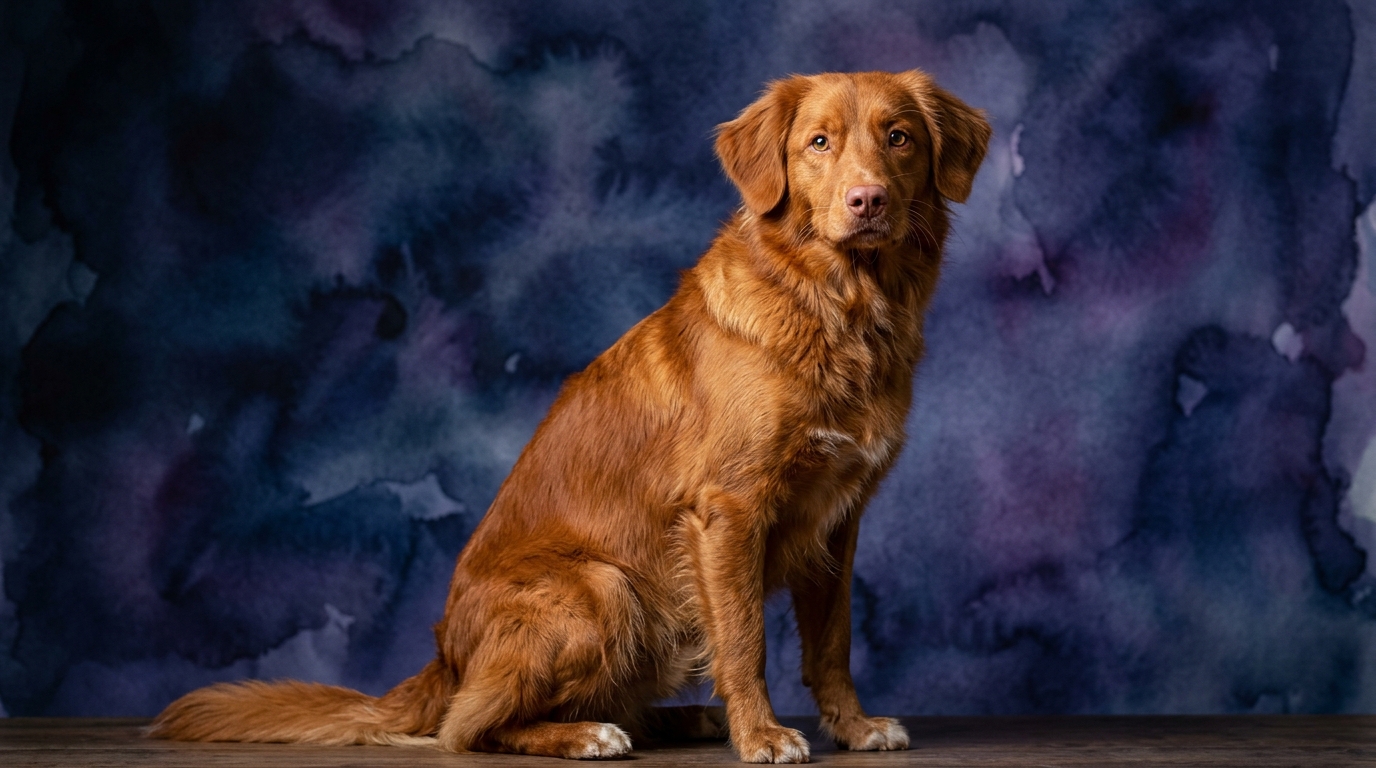
In contrast, the Nova Scotia Duck Tolling Retriever, often affectionately called a Toller, presents a profile geared towards active partnership and retrieving work. Their Problem Solving ability is also 3/5, suggesting an aptitude for navigating challenges, often with an eye towards collaboration. The Toller's Training Speed is rated 3/5, indicating a more moderate and generally cooperative learning curve, making them more amenable to instruction. Social Intelligence also scores 3/5, reflecting a balanced approach to interactions; generally friendly and outgoing, but without being overly boisterous. Their Instinctive Drive is 3/5, a score that highlights their retrieving heritage and desire to work, but without the intense guarding instincts seen in some breeds. Memory for the Toller is 3/5, indicating a solid capacity for recalling commands and routines, though perhaps not with the same depth of long-term recall as the Akita. While not Coren-ranked, their purpose as an active, intelligent sporting dog is well-established.
Where the Akita Wins Cognitively
The Akita's cognitive strengths truly shine in areas demanding deep-seated purpose and independent decision-making. Their Instinctive Drive, rated a formidable 5/5, is a primary cognitive advantage. This isn't merely a physical drive but a profound mental framework for vigilance, territory protection, and family loyalty. This strong drive means an Akita is acutely aware of its environment and its role within the family unit, often making autonomous judgments about safety and intruders. This level of intrinsic motivation for guardianship is unmatched by the Toller.
Furthermore, the Akita's Memory, at 4/5, provides a significant edge in establishing and maintaining routines and boundaries. They retain information about their environment, people, and expected behaviors over extended periods, contributing to their reliability once a consistent structure is in place. This strong memory, combined with their 3/5 Problem Solving, allows them to navigate complex social structures within their household and remember past events that inform their future actions, even if those actions are independently conceived rather than handler-directed. This leads to a dog that, once it understands its 'job' and the rules, adheres to them with impressive consistency.
Where the Nova Scotia Duck Tolling Retriever Wins Cognitively
The Nova Scotia Duck Tolling Retriever excels in cognitive domains that prioritize engagement and collaborative learning, making them a standout in interactive roles. Their Training Speed of 3/5 is a clear advantage over the Akita's 2/5. This higher score indicates a quicker grasp of new commands, a greater eagerness to participate in training sessions, and a more pronounced desire to work alongside their human companions. This cognitive agility translates into a dog that often requires fewer repetitions to master a new skill, making them highly adaptable to various canine sports and tasks.
The Toller's balanced Instinctive Drive (3/5) also positions them favorably for collaborative activities. Unlike the Akita's intense, independent drive, the Toller's drive is centered on retrieving and working in partnership, making them less prone to independent decision-making that might conflict with a handler's goals. Their 3/5 Social Intelligence further supports this, as they are generally more outwardly focused and receptive to social cues from their environment and people. This combination of traits means Tollers are often more readily motivated by praise and interaction, making them a joy to engage with in structured learning environments and mentally stimulating games.
Which is Easier to Train and Why
When it comes to ease of training, the Nova Scotia Duck Tolling Retriever generally presents a more straightforward path for most owners. Their Training Speed of 3/5, combined with a moderate Instinctive Drive (3/5) focused on cooperative retrieving, means they are typically more responsive and eager to engage in collaborative learning. Tollers thrive on positive reinforcement, interactive games, and tasks that allow them to work closely with their handler. Their inherent desire to 'work' and please, even if it's just playing fetch, translates into a dog that is often more motivated to learn and execute commands.
The Akita, with a Training Speed of 2/5, coupled with a powerful Instinctive Drive (5/5) and more reserved Social Intelligence (3/5), requires a far more patient, consistent, and understanding approach. Akitas are independent thinkers; they do not always see the immediate 'point' of a command if it doesn't align with their own perceived purpose. Training an Akita involves building a deep bond of trust and respect, where the handler earns their cooperation rather than demanding blind obedience. Their strong memory (4/5) means they will remember inconsistencies in training, making a clear and unwavering leadership style paramount. While capable of learning complex commands, their motivation often comes from within or from a clear understanding of their role, making the training process a long-term commitment rather than a series of quick lessons.
Suited for Active Owners vs. Owners Seeking Different Engagement
The Akita and Nova Scotia Duck Tolling Retriever appeal to owners seeking different kinds of engagement, driven by their distinct cognitive profiles. An Akita, with its 5/5 Instinctive Drive and 4/5 Memory, is best suited for owners who appreciate a dignified, independent companion and are prepared to channel their strong protective instincts. While they require consistent physical exercise to remain balanced, their mental engagement often involves patrolling their territory, observing, and maintaining order. They thrive with owners who provide clear, consistent leadership and understand that companionship can be expressed through quiet presence and discerning loyalty, rather than constant, high-energy interaction. Akitas are not for the truly 'relaxed' owner who expects a low-maintenance dog, as their strong will and protective nature require diligent management, but they don't demand constant interactive play.
The Nova Scotia Duck Tolling Retriever, with its 3/5 Training Speed and 3/5 Instinctive Drive for retrieving, is an ideal match for truly active owners who desire an engaged, cooperative partner for various dog sports and outdoor adventures. Tollers possess a moderate-to-high energy level and a strong desire for mental stimulation through interactive work. They excel in activities like agility, dock diving, obedience, and extensive hiking, thriving on tasks that allow them to use their problem-solving skills collaboratively. Owners who enjoy consistent training, interactive play, and spending significant time outdoors engaging in shared activities will find the Toller to be an enthusiastic and fulfilling companion. They are not content to be couch potatoes and require significant daily mental and physical outlets to prevent boredom and potential destructive behaviors.
The Verdict
Choose an Akita if you seek a loyal, discerning guardian with a dignified presence, appreciate an independent thinker, and are committed to consistent, patient leadership in a dog with a profound sense of purpose and memory.
Opt for a Nova Scotia Duck Tolling Retriever if you desire an energetic, cooperative companion eager for engagement in diverse activities and training, valuing a responsive and adaptable partner for an active lifestyle.
🧠 Find Your Pet's IQ Score
Our Pet IQ Lab assessment covers 25+ tests across 5 cognitive dimensions — personalized to your breed.
Take the Full IQ Test →Frequently Asked Questions
Are Akitas stubborn during training?
Akitas are often perceived as stubborn due to their independent nature and lower Training Speed (2/5). They learn best with consistent, positive reinforcement from a trusted handler, rather than through repetitive, unengaging drills; they need to understand the purpose of a command.
Do Nova Scotia Duck Tolling Retrievers bark a lot?
Nova Scotia Duck Tolling Retrievers can be vocal, often using a unique 'toller scream' or 'singing' when excited or retrieving. While not excessive barkers in general, their moderate Instinctive Drive (3/5) for communication means they will alert to novelties and express their enthusiasm.
Which breed is better with children?
The Toller's balanced Social Intelligence (3/5) and cooperative nature generally make them more adaptable and tolerant with children, especially when properly socialized. Akitas, with their discerning Social Intelligence (3/5) and strong Instinctive Drive (5/5), can be excellent family guardians but require careful supervision and early socialization with children due to their protective instincts and independent temperament.