Side-by-Side IQ Profile: Akita vs. Otterhound
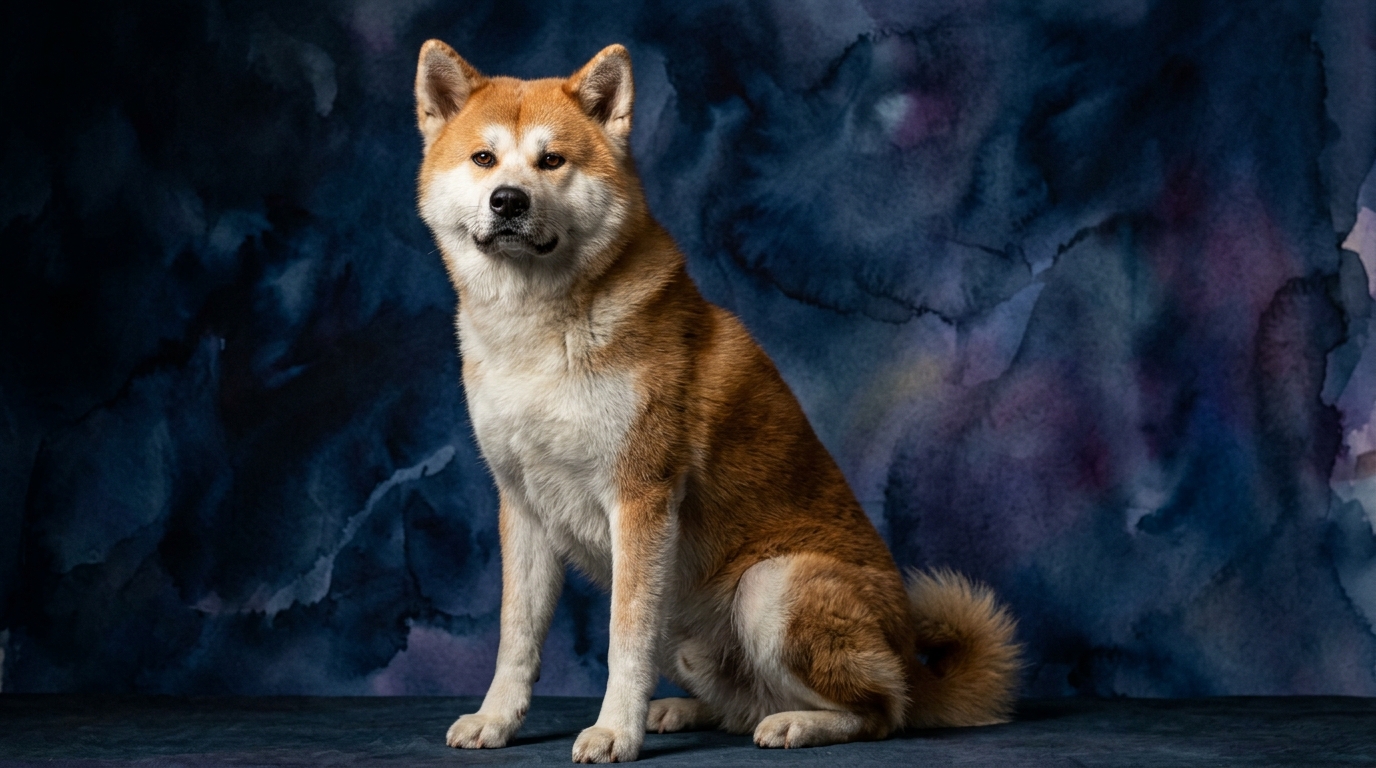
The Akita's cognitive landscape is marked by a blend of independence and sharp recall. Their Problem Solving is rated 3/5, indicating a moderate ability to navigate novel situations or achieve goals, often relying on self-directed thought rather than immediate human guidance. Training Speed stands at 2/5, meaning new commands require consistent, patient reinforcement over time, reflecting their inherent desire to evaluate before complying. Social Intelligence is 3/5, suggesting they understand social cues but often interact on their own terms, maintaining a reserved demeanor. Their Instinctive Drive is an exceptional 5/5, fueling strong guarding, hunting, and territorial protection behaviors. Finally, Memory is a robust 4/5, allowing them to retain routines, past experiences, and the identities of people and places with remarkable clarity.
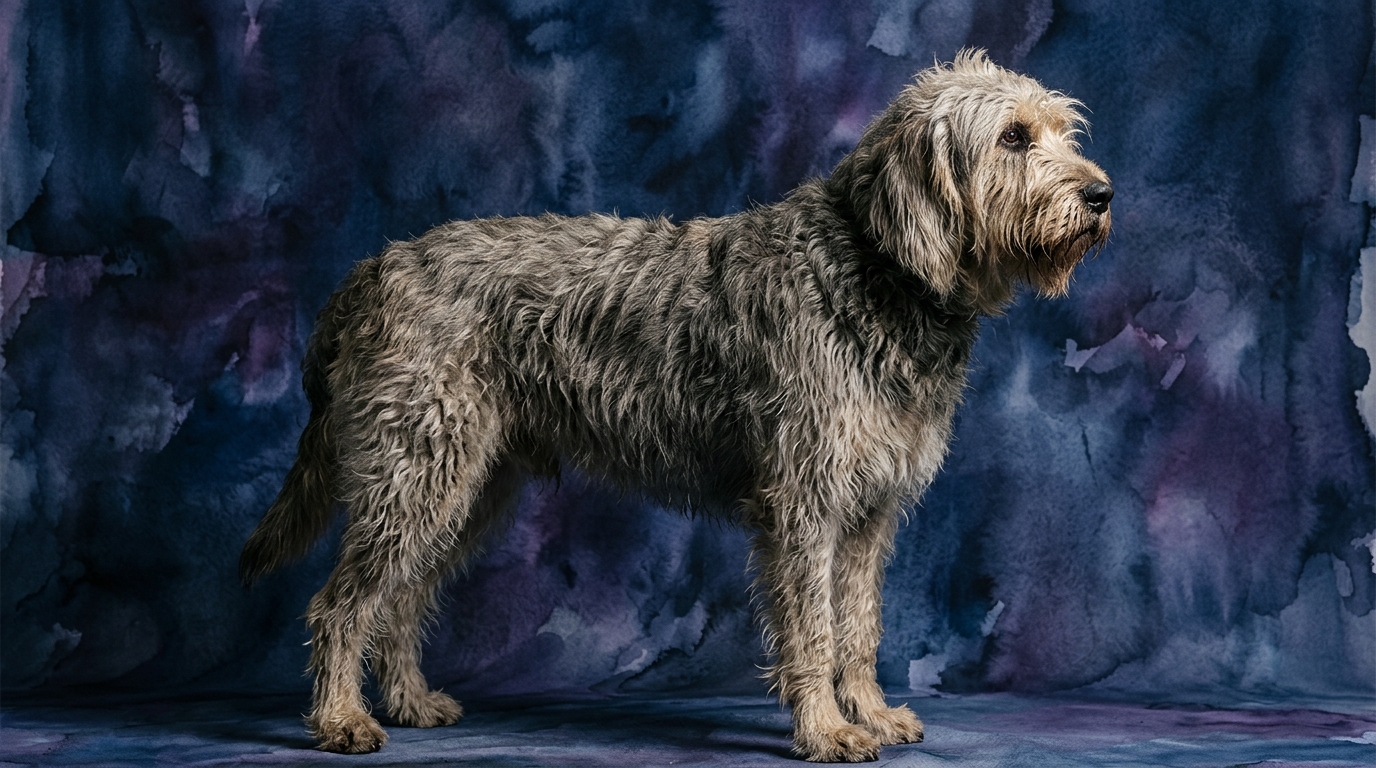
Conversely, the Otterhound presents a different cognitive emphasis, largely influenced by their heritage as scent hounds. Their Problem Solving, also 3/5, frequently manifests through their powerful olfactory senses, where they excel at tracking and unraveling scent-based mysteries. Training Speed is 3/5, indicating a slightly quicker uptake of commands than the Akita, often spurred by engaging and motivational methods. Social Intelligence matches the Akita at 3/5; they are generally amiable and capable of reading social cues, though their boisterousness can sometimes overshadow their subtlety. Their Instinctive Drive is a moderate 3/5, primarily centered on scent tracking rather than the broad, intense drives of the Akita. Memory is also 3/5, sufficient for daily learning and routines within a consistent environment, though not as formidable as the Akita's recall.
Where the Akita Wins Cognitively
The Akita demonstrates distinct cognitive advantages in areas demanding profound independence and robust recall. Their superior Instinctive Drive (5/5 compared to the Otterhound's 3/5) equips them with an inherent readiness for tasks requiring vigilance, self-sufficiency, and decisive action, such as guarding or making judgments without direct human instruction. This powerful drive, combined with their stronger Memory (4/5 versus Otterhound's 3/5), enables Akitas to internalize complex routines and remember specific past interactions with remarkable consistency. For instance, an Akita is more likely to remember a particular individual who was once unwelcome, maintaining a reserved stance even after a long absence, whereas an Otterhound might be more easily swayed by current friendly overtures. Their problem-solving, while rated similarly, often manifests as a determined, self-directed effort to overcome obstacles, drawing upon their powerful will and memory of past successes.
Where the Otterhound Wins Cognitively
The Otterhound's cognitive strengths are evident in their slightly greater receptiveness to training and their unique manifestation of problem-solving. While both breeds score 3/5 in problem-solving, the Otterhound's approach is deeply intertwined with their exceptional olfactory capabilities, allowing them to 'solve' the mystery of a hidden treat or a faint trail with unparalleled dedication. Their Training Speed (3/5 versus Akita's 2/5) indicates a marginally quicker uptake of new commands and a greater willingness to engage in structured learning sessions, provided the motivation is compelling, often involving scent work or play. The Otterhound's more moderate Instinctive Drive (3/5 versus Akita's 5/5) means their inherent urges, while strong in scenting, are less likely to override human direction in other contexts, making them potentially more pliable in varied training scenarios and more adaptable to new situations without the intense, independent decision-making often seen in the Akita.
Which is Easier to Train and Why
When evaluating ease of training, the Otterhound generally offers a more straightforward experience for the average owner compared to the Akita. The Otterhound's Training Speed rating of 3/5, coupled with a more moderate Instinctive Drive (3/5), suggests they are somewhat more amenable to direction and quicker to form new associations with commands. Their primary drive, scenting, can be effectively channeled into positive reinforcement training, making them enthusiastic participants when their nose is involved. In contrast, the Akita's Training Speed of 2/5 signifies a breed that demands significant patience, consistency, and a deep understanding of their independent nature. Their powerful Instinctive Drive (5/5) means they possess a strong will and often prefer to make their own decisions rather than blindly follow commands, requiring an owner to establish strong leadership and compelling motivation to achieve consistent results. For instance, an Otterhound might eagerly track a hidden toy as part of a 'find it' game, whereas an Akita might observe the same game with a discerning eye, only participating if they deem it worthwhile.
Which Suits Active Owners vs. Relaxed Owners
The Akita typically suits active owners who appreciate a dog with a strong, independent spirit and are prepared for consistent, structured engagement without necessarily high-intensity, continuous physical output. While not a couch potato, their exercise needs often revolve around substantial walks, controlled outdoor time, and mental stimulation, rather than hours of vigorous activity. Owners must be active in their role as leaders, providing clear boundaries and consistent training to manage the Akita's powerful instinctive drives and independent nature. A relaxed owner might struggle with the Akita's self-possessed demeanor and their need for a strong, confident human counterpart. The Otterhound, conversely, fits owners who are active in a different sense: those who enjoy engaging a dog's natural instincts through scent games, long hikes, and playful interaction. Their moderate instinctive drive and slightly better training speed mean they can be more adaptable to various activities, but their boundless energy and love for exploring with their nose demand consistent physical and mental engagement. A truly relaxed owner might find the Otterhound's boisterous nature and need for stimulation challenging, as their curiosity often leads them to investigate every interesting smell, requiring an owner who is ready to participate in their world.
The Verdict
Choose the Akita if you are an experienced dog owner seeking a devoted, watchful companion who thrives on strong leadership and respects an independent spirit, appreciating their deep memory and powerful instincts.
Opt for the Otterhound if you desire a good-natured, scent-driven companion, prepared for consistent engagement in scent work and outdoor adventures, valuing their slightly quicker training response and adaptable nature.
🧠 Find Your Pet's IQ Score
Our Pet IQ Lab assessment covers 25+ tests across 5 cognitive dimensions — personalized to your breed.
Take the Full IQ Test →Frequently Asked Questions
Is the Akita a good choice for first-time dog owners?
The Akita's independent nature, powerful instinctive drives, and slower training speed can be challenging for inexperienced owners. They require consistent, patient guidance and a strong understanding of breed-specific traits to flourish.
Do Otterhounds need a lot of exercise?
Yes, Otterhounds are an active breed with a strong scent drive, requiring significant daily exercise and mental stimulation. Long walks, scent games, and opportunities to explore are essential to keep them content and prevent boredom-related behaviors.
How do Akita and Otterhound social skills compare with other dogs?
Both breeds have moderate social intelligence, but their expression differs. Akitas are often reserved and can be selective with other dogs, while Otterhounds are generally more amiable but can be boisterous and playful, sometimes lacking subtlety in their interactions.