Side-by-Side IQ Profile: Akita vs. Schipperke
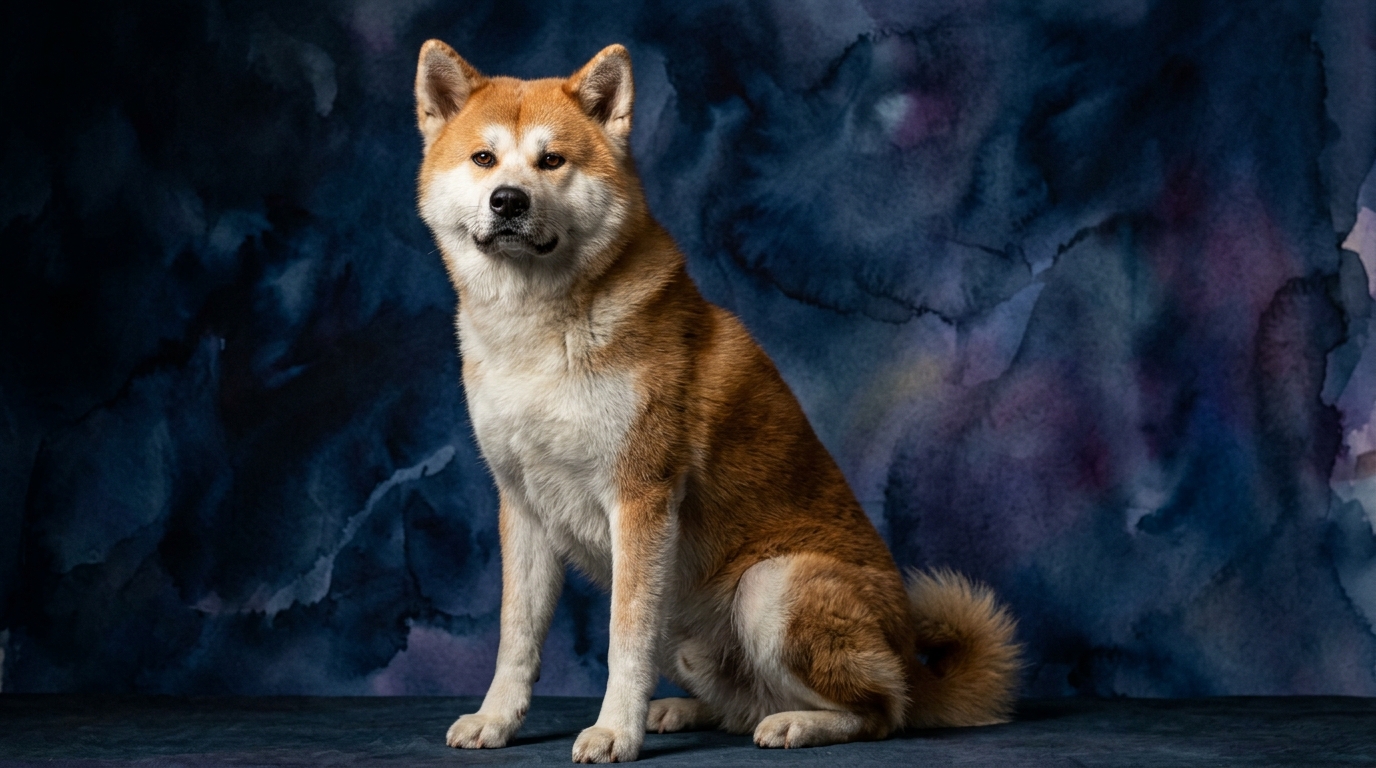
At The Cosmic Pet Pet IQ Lab, we evaluate canine intelligence across five key dimensions. For the Akita, a Working breed, its Coren rank of #54 hints at a unique cognitive makeup. Its Problem Solving is rated 3/5, meaning it capably tackles moderately complex tasks but often prefers established routines or independent action over seeking intricate solutions from an owner. Training Speed is 2/5, indicating a need for consistent, patient training, as Akitas can be deliberate learners who may not immediately perceive the value in every command, often driven by an independent streak. Social Intelligence sits at 3/5; Akitas understand human social cues within their immediate family but typically remain reserved or aloof with strangers, applying their social awareness selectively. Instincive Drive is a powerful 5/5, reflecting deeply rooted territorial and protective instincts crucial to their guardian and hunting heritage. Finally, Memory is 4/5, enabling them to retain learned behaviors and experiences well, both positive and negative, contributing to consistency once a behavior is established.
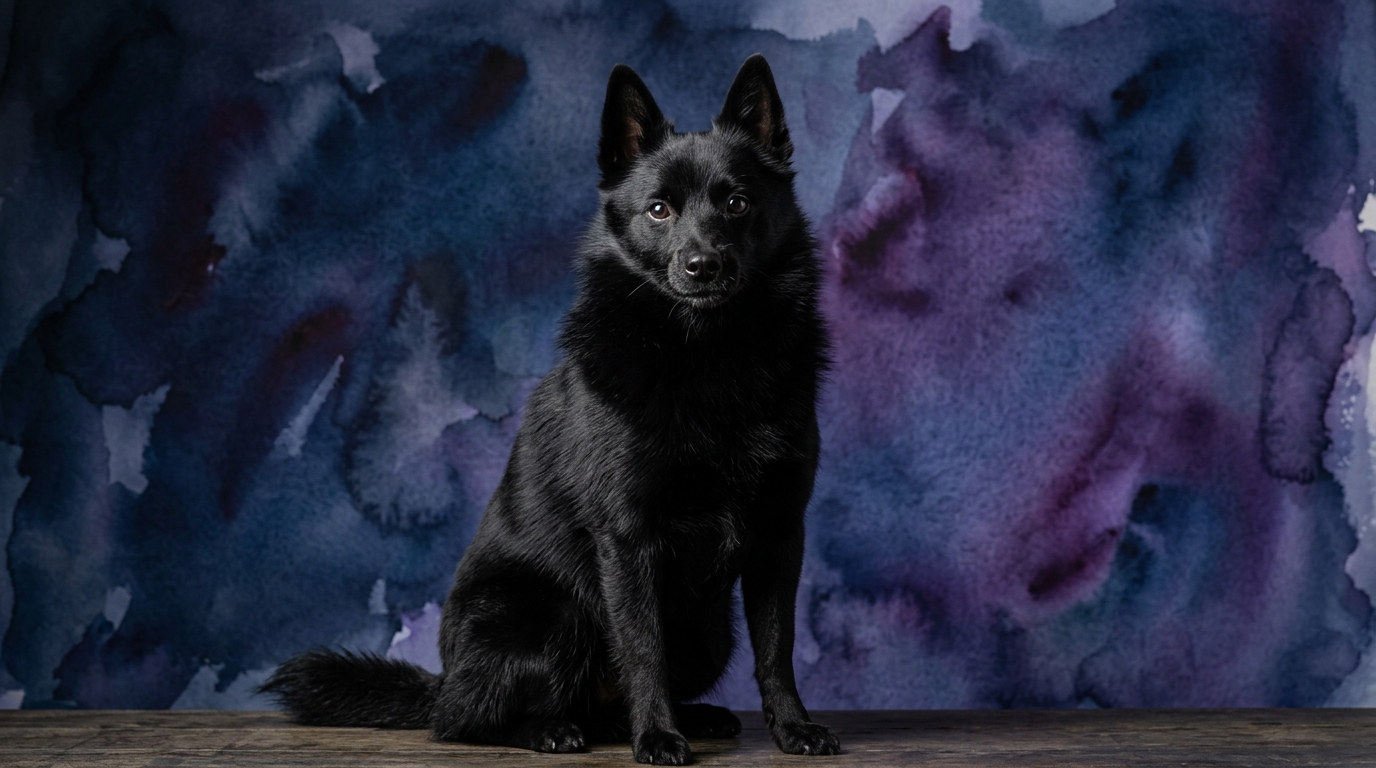
The Schipperke, a Non-Sporting breed with an impressive Coren rank of #15, showcases a different set of cognitive strengths. Its Problem Solving is a remarkable 5/5, demonstrating an exceptional capacity for figuring out complex puzzles and novel situations, often devising creative solutions independently. Training Speed is also 5/5; Schipperkes learn new commands and routines with remarkable rapidity, often grasping concepts after very few repetitions, making them highly responsive to consistent training. Social Intelligence mirrors the Akita at 3/5, engaging with family dynamics and understanding social structures but often displaying wariness towards strangers, indicating a discerning social approach. Their Instinctive Drive is a moderate 3/5, primarily focused on their historical role as watchful companions and ratters, less pronounced in terms of prey or guarding compared to breeds like the Akita. Memory is an outstanding 5/5, exhibiting superior recall of learned tasks, routines, and experiences over long periods, which underpins their rapid training acquisition and consistent behavior.
Where the Akita Wins Cognitively
The Akita’s primary cognitive advantage lies in its profound Instinctive Drive, rated 5/5 compared to the Schipperke’s 3/5. This isn't merely about raw drive; it signifies a deep-seated, sophisticated understanding and application of their protective and territorial instincts. An Akita's cognitive strength is evident in its ability to assess potential threats and act decisively to guard its family and territory, often requiring minimal human instruction in such scenarios. Their decision-making process in these contexts is swift, confident, and rooted in ancient protective programming, making them formidable guardians.
While the Schipperke boasts a perfect memory score, the Akita's 4/5 memory for experiences, particularly specific past interactions or perceived slights, contributes to its cautious nature and ability to learn from detailed encounters over time. This robust memory helps them build a comprehensive mental database of individuals and situations, discerning who is friend or foe, or what circumstances are safe or unsafe. This cognitive trait, while sometimes making them slower to forget undesirable events, ensures a highly consistent and discerning approach to their environment and social circle.
Where the Schipperke Wins Cognitively
The Schipperke truly shines in Problem Solving, scoring a perfect 5/5 against the Akita's 3/5. This breed excels at independent cognitive tasks, such as figuring out how to unlatch a gate, retrieve a hidden toy through complex obstacles, or even subtly manipulate situations to their advantage. Their mental agility allows them to quickly analyze novel situations and devise effective strategies without constant human direction, often manifesting as a clever knack for outsmarting their environment or engaging in playful mischief.
Their Training Speed, also a 5/5 compared to the Akita's 2/5, signifies an exceptional ability to form associations between commands and actions rapidly. A Schipperke’s brain is wired for quick uptake, making them adept at learning complex sequences of commands, elaborate tricks, or intricate routines with minimal repetition. This eagerness to engage mentally with their owner significantly facilitates rapid learning and a wide repertoire of trained behaviors. Coupled with their outstanding 5/5 Memory, Schipperkes not only learn quickly but retain vast repertoires of commands and behaviors over long periods, reinforcing their consistency and making them highly rewarding pupils.
Training Dynamics: Akita vs. Schipperke
When it comes to ease of training, the Schipperke holds a significant advantage. Their 5/5 problem-solving and 5/5 training speed mean they grasp new concepts and commands with remarkable swiftness, often enjoying the mental engagement that training provides. Their readiness to form associations between cues and actions makes positive reinforcement a highly effective and rewarding method. Schipperkes thrive on learning and are generally eager to please, making them responsive and adaptable students.
Conversely, the Akita's 2/5 training speed and independent problem-solving (3/5) necessitate a more patient, consistent, and nuanced approach. Akitas often need to understand the 'why' behind a command or perceive its practical value, rather than complying purely for compliance's sake. Their formidable 5/5 instinctive drive can sometimes override obedience if their instincts dictate a different course of action, making distraction management and strong foundational training crucial. For example, an Akita might be less inclined to reliably 'stay' if a perceived threat or prey animal appears, whereas a well-trained Schipperke, due to its rapid learning and desire to engage, might exhibit stronger impulse control in a similar scenario.
Matching Breeds to Lifestyles: Active vs. Relaxed Owners
For active owners seeking a dog for engagement and activity, the Schipperke is an excellent match. Their quick wit, exceptional problem-solving prowess, and energetic nature make them ideal companions for individuals or families who enjoy participating in dog sports like agility, advanced obedience, or regular mental challenges. They thrive on activities that stimulate their sharp minds and agile bodies, requiring an owner who can consistently provide intellectual and physical outlets.
For owners with a more relaxed lifestyle, neither breed is a truly 'couch potato' type, but the Akita, while needing substantial exercise, often exhibits a more independent and calmer demeanor indoors once its needs are met. Its deeply ingrained protective instincts mean it requires a confident, consistent owner who understands the need for clear boundaries and respectful leadership, rather than an owner seeking a highly biddable companion for casual activities. A relaxed owner who values a quiet, watchful presence might find an Akita suitable if they can commit to extensive early socialization and consistent, firm training to manage its formidable personality. The Schipperke's constant mental engagement and need for stimulation would likely overwhelm a truly relaxed owner.
The Verdict
Choose the Akita for owners who appreciate a dignified, independent companion with a powerful protective instinct and a deep, discerning loyalty. They are best suited for individuals or families who can provide firm, consistent leadership, extensive early socialization, and who value a dog that thinks for itself, even if it means a slower training journey.
Choose the Schipperke for owners seeking a quick-witted, highly trainable, and agile partner eager for mental engagement and varied activities. They are an excellent match for those who enjoy dog sports, advanced obedience, or simply a clever, energetic companion that learns with remarkable speed and retains knowledge exceptionally well.
🧠 Find Your Pet's IQ Score
Our Pet IQ Lab assessment covers 25+ tests across 5 cognitive dimensions — personalized to your breed.
Take the Full IQ Test →Frequently Asked Questions
Is Akita difficult to train?
Akita training requires significant patience and consistency due to their independent problem-solving (3/5) and slower training speed (2/5). They often need to perceive the value in a command, rather than simply complying, which means understanding their motivations is key.
Are Schipperkes good at learning tricks?
Yes, Schipperkes excel at learning tricks due to their exceptional problem-solving (5/5) and rapid training speed (5/5). Their keen memory (5/5) ensures they retain these learned behaviors over long periods, making them eager and capable pupils for complex routines.
Which breed is better for a first-time dog owner?
Neither is typically recommended for first-time owners without significant prior research and commitment, but the Schipperke's higher trainability and biddability might be slightly less challenging for a dedicated novice than the Akita's strong independence and protective instincts. The Akita demands a very confident and experienced hand.