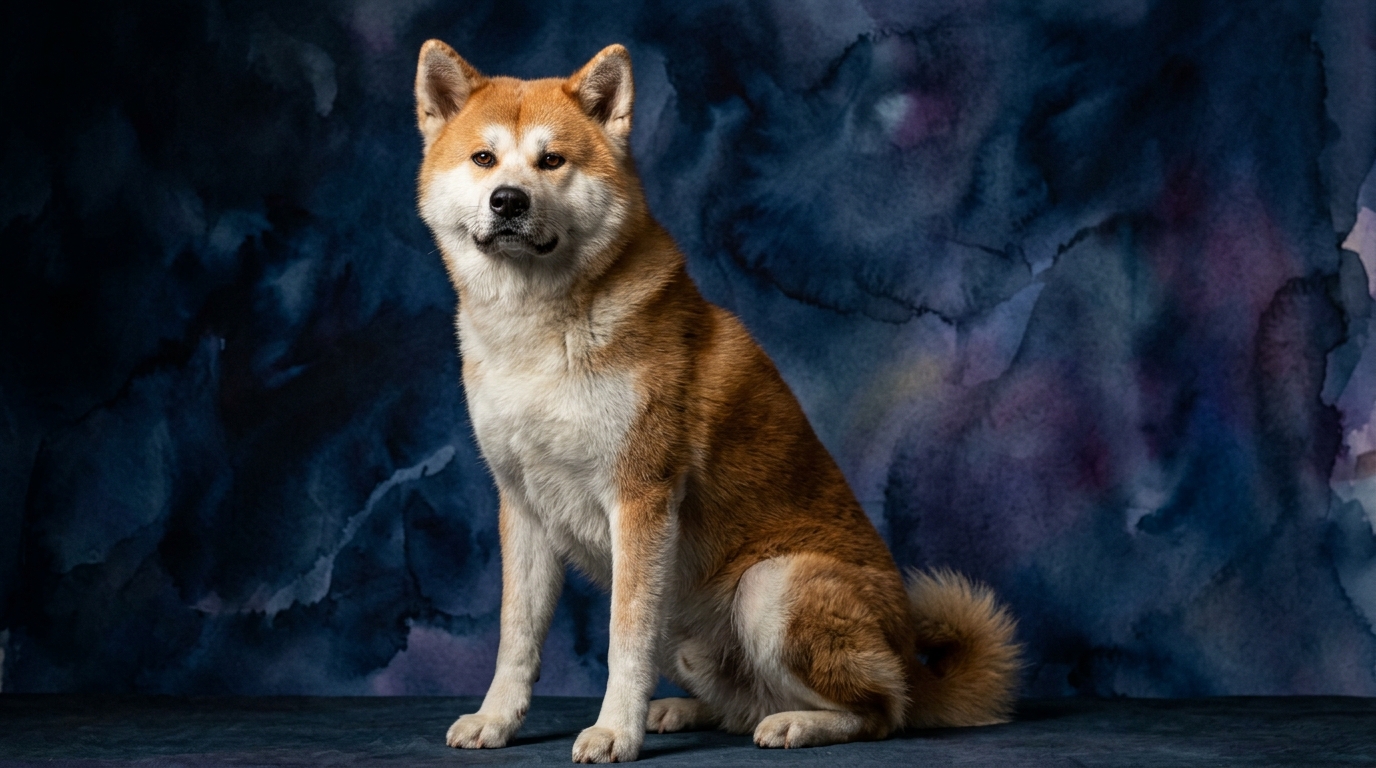
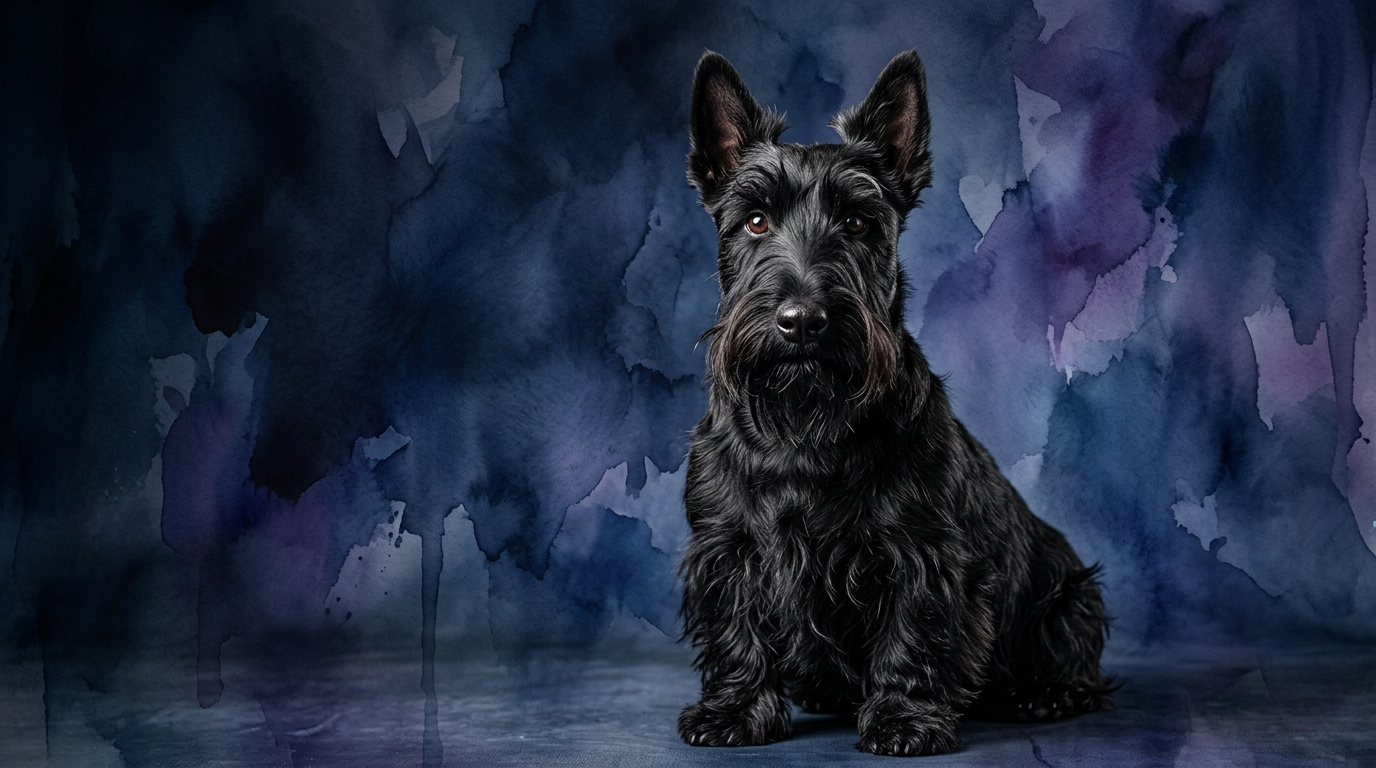
Side-by-Side IQ Profile: Akita vs. Scottish Terrier
The Cosmic Pet Pet IQ Lab provides a unique lens through which to examine the cognitive strengths of different breeds. For the Akita, a robust Working dog with a Coren rank of #54, its intelligence profile presents a distinct blend of capabilities. Its problem-solving capacity is rated at 3/5, indicating a moderate ability to navigate complex situations and find solutions, though often driven by its own agenda rather than immediate human instruction. Training speed for the Akita stands at 2/5, suggesting a more deliberate pace in acquiring new commands, frequently influenced by its independent nature and a tendency to evaluate the value of compliance. Social intelligence is also 3/5, reflecting a discerning nature where deep bonds are formed with family members, but a reserved, sometimes aloof, demeanor is shown towards strangers. A standout feature is its instinctive drive, rated at a powerful 5/5, highlighting deeply ingrained guarding and hunting behaviors that profoundly shape its cognitive and behavioral patterns. Finally, the Akita boasts a memory rating of 4/5, demonstrating excellent recall of experiences and training, for better or worse.
In contrast, the Scottish Terrier, a tenacious Terrier dog ranked #65 on the Coren scale, showcases a different cognitive blueprint. Its problem-solving ability matches the Akita at 3/5, indicating a comparable capacity for independent thought in navigating challenges, often with a pragmatic, terrier-focused approach. Where the Scottie distinguishes itself is in its training speed, rated at 3/5, suggesting a moderate and generally more responsive rate of learning new commands compared to the Akita's more measured pace. Social intelligence, also 3/5, describes a confident and self-assured temperament, engaging readily with its family while often displaying a curious but contained interest in new people or situations. Its instinctive drive is rated at 3/5, reflecting a typical terrier's prey drive and tenacity, but less intensely overwhelming than the Akita's powerful ancestral urges. The Scottish Terrier's memory stands at 3/5, indicating a solid ability to retain learned behaviors and routines, contributing to its overall adaptability as a companion.
Where the Akita Wins Cognitively
The Akita demonstrates clear cognitive advantages in two key areas: memory and instinctive drive. With a memory rating of 4/5 compared to the Scottie’s 3/5, the Akita possesses a superior capacity for long-term recall. This means Akitas often retain complex routines, past experiences, and learned behaviors with remarkable vividness and consistency over extended periods. This deep retention can be a double-edged sword; while it aids in cementing desired training, it also means negative experiences or inconsistencies can be deeply ingrained, requiring meticulous and positive reinforcement-based handling. Their ability to remember specific events and their associated outcomes contributes to their discerning nature and often leads to a thoughtful, if sometimes stubborn, approach to new situations, drawing upon a rich internal catalog of past interactions.
Furthermore, the Akita’s instinctive drive, rated at a commanding 5/5 against the Scottie’s 3/5, represents a distinct cognitive strength, not merely a behavioral trait. This powerful drive is indicative of a sophisticated, inherent intelligence for specific roles, particularly guarding and protection. It encompasses complex pattern recognition for identifying threats, acute territorial awareness, and strategic thinking within their perceived duties. This deep-seated, genetically encoded drive means Akitas are acutely aware of their environment, exhibiting a profound understanding of social hierarchies and potential dangers, which they process and react to with an intensity far surpassing many other breeds. This isn't just brute instinct; it's a complex cognitive framework geared towards vigilance and protection, demanding mental engagement to manage and direct effectively.
Where the Scottish Terrier Wins Cognitively
The Scottish Terrier exhibits cognitive strengths that make it particularly appealing for certain lifestyles and training approaches, primarily in its training speed and overall adaptability. With a training speed rating of 3/5, the Scottie demonstrates a quicker uptake of new commands and cues compared to the Akita’s 2/5. This isn't necessarily about a higher raw intellectual capacity, but rather a greater immediate responsiveness to instruction and a more direct engagement with the learning process. Scotties tend to process new information from their handler with a bit more alacrity, often showing a readiness to participate in training sessions that feel like a game or puzzle. This quicker learning curve can translate into a more gratifying and less challenging initial training experience for many owners, fostering a sense of progress and accomplishment more readily than with their Akita counterparts.
While the Akita ranks higher on the Coren scale (54 vs. 65), the Scottish Terrier's respectable position and specific cognitive profile highlight its practical advantages. The Scottie's moderate instinctive drive (3/5) combined with its moderate problem-solving (3/5) and social intelligence (3/5) contribute to a more balanced and generally adaptable cognitive profile for a wider range of living situations. Their intelligence is often applied to immediate, practical goals, such as figuring out how to get a treat or outsmart a toy, rather than the Akita's more intense, purpose-driven focus. This makes them less prone to the profound challenges that can arise from mismanaging a dog with extremely powerful drives, allowing their cognitive capabilities to shine in everyday companionship and less specialized roles.
Which is Easier to Train and Why
When considering ease of training, the Scottish Terrier generally presents a more straightforward experience than the Akita. The Scottie's training speed rating of 3/5 signifies a moderate and generally more cooperative approach to learning new commands. They respond well to consistent, engaging training methods, often thriving on positive reinforcement and short, varied sessions that keep their interest piqued. While they possess a characteristic terrier independence, it is typically manageable and can be channeled effectively with patience and creativity. Their moderate instinctive drives (3/5) mean they are less likely to be overwhelmingly distracted by primal urges, allowing for greater focus on the task at hand and making them more amenable to instruction in diverse environments. Their solid memory (3/5) ensures that once a behavior is learned, it is retained effectively, reinforcing the training process.
Conversely, the Akita's training journey is often more demanding due to its combination of a slower training speed (2/5) and exceptionally powerful instinctive drives (5/5). Their discerning nature means they require a compelling reason to comply, often questioning commands if they don't perceive immediate value or logic. Training an Akita is less about quick obedience and more about cultivating a deep, respectful partnership built on trust, consistency, and clear leadership. Their profound memory (4/5) means that any negative training experiences or inconsistencies can be deeply ingrained, making it crucial to employ positive, fair, and consistent methods from an early age. The Akita’s strong prey drive and guarding instincts necessitate rigorous and ongoing socialization and impulse control training to ensure they are well-adjusted and safe in various social settings. This breed demands an owner who understands and respects its unique cognitive framework, rather than simply seeking quick compliance.
Which Suits Active Owners vs. Relaxed Owners
For active owners seeking a canine companion with purpose and a strong work ethic, the Akita is often the more suitable choice. Its powerful instinctive drives (5/5) translate into a dog that thrives on consistent mental engagement and physical activity. These dogs require more than just a daily walk; they need structured activities that tap into their guarding, tracking, or protection instincts to feel fulfilled. Owners committed to extensive outdoor adventures, obedience training, or even specialized dog sports will find the Akita a capable and dedicated partner. Their discerning social intelligence (3/5) means they prefer a predictable routine and a familiar social circle, making them ideal for individuals or families who value a strong, loyal presence and are prepared to integrate their dog fully into a purposeful lifestyle, providing ample opportunity to exercise both mind and body.
In contrast, the Scottish Terrier generally aligns better with relaxed owners, though their terrier spirit still requires attention. While spirited, their moderate instinctive drive (3/5) and adaptability allow them to be content with a less intense pace of life compared to the Akita. Regular, moderate exercise, such as daily walks and engaging playtime, is sufficient to keep them physically and mentally stimulated. Scotties are confident and self-assured, making them charming companions who enjoy being part of family life without the Akita's intense guarding tendencies. Their social intelligence (3/5) allows them to be curious and personable without being overly demanding of constant interaction. For owners who appreciate a dog with character, a solid problem-solving ability (3/5), and a moderate activity level that fits comfortably into a home valuing a confident yet contained presence, the Scottish Terrier makes an excellent companion.
The Verdict
Opt for an Akita if you are an experienced, dedicated owner seeking a powerful, loyal guardian with a profound memory and purpose, willing to invest significant time in consistent training and socialization.
Select a Scottish Terrier if you appreciate a spirited, confident companion with a quicker training uptake and a moderate activity level, suitable for a home that values a charming, independent presence.
🧠 Find Your Pet's IQ Score
Our Pet IQ Lab assessment covers 25+ tests across 5 cognitive dimensions — personalized to your breed.
Take the Full IQ Test →Frequently Asked Questions
Do Akitas remember training better than Scotties?
Yes, Akitas possess a memory rating of 4/5 compared to the Scottie's 3/5, suggesting they retain learned information and experiences with greater depth and longevity. This can be beneficial for consistent behaviors but also means they remember negative interactions keenly.
Which breed is more likely to solve new problems independently?
Both breeds share a problem-solving rating of 3/5, indicating a similar capacity for navigating novel situations. However, the Akita's stronger instinctive drives might lead them to apply their problem-solving skills more assertively in contexts related to guarding or hunting, while the Scottie might apply it to more immediate, terrier-typical goals.
Are Scottish Terriers easier to socialize than Akitas?
Both breeds have a social intelligence rating of 3/5, meaning they are discerning. However, the Akita's powerful guarding instincts often necessitate more intensive, early socialization to ensure polite interactions with strangers, whereas the Scottie's confidence makes them generally more adaptable, albeit still requiring proper introductions and boundaries.