Side-by-Side IQ Profile: Akita vs. Tibetan Terrier
At The Cosmic Pet Pet IQ Lab, we dissect canine cognition across five key dimensions. Let’s examine how the Akita and Tibetan Terrier stack up, uncovering the unique mental architecture of each.
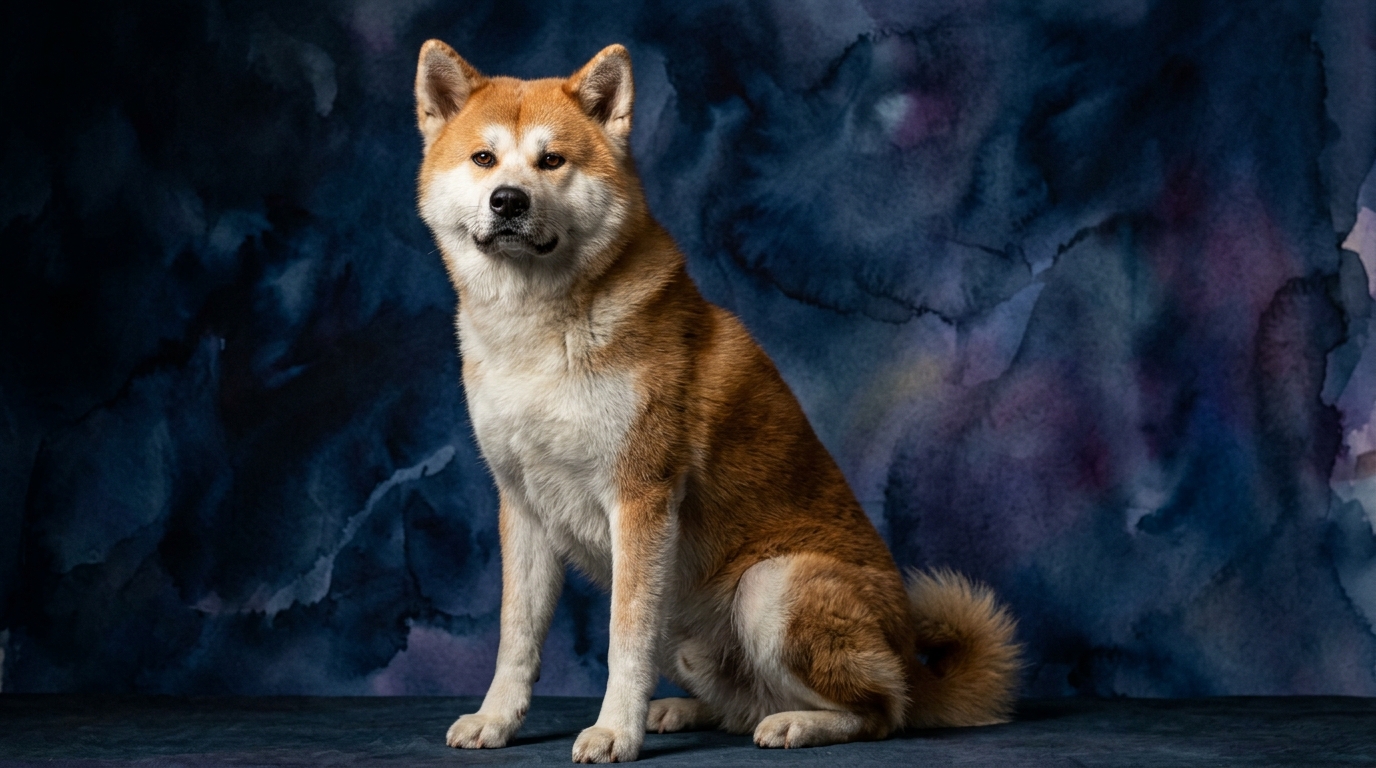
The Akita, a magnificent Working breed ranked #54 by Coren, presents a cognitive profile shaped by its heritage as a powerful hunter and guardian. Its Problem Solving ability scores a moderate 3/5, indicating a capacity for independent thought when facing environmental challenges, often in ways that align with its inherent protectiveness or resourcefulness rather than abstract puzzles. Training Speed for the Akita is rated 2/5, suggesting a deliberate and often independent approach to learning; they require consistent, patient methods and compelling motivation to embrace new commands, as they process information and decide on compliance. Social Intelligence stands at 3/5, reflecting a keen awareness of their family's dynamics and intentions, though their social interactions can be reserved with strangers and primarily focused on their inner circle. Where the Akita truly excels is in Instinctive Drive, achieving a perfect 5/5; this signifies an intense, deeply ingrained motivation encompassing strong prey drive, territorial instincts, and an unwavering desire to protect. Finally, the Akita's Memory is impressive at 4/5, allowing for robust recall of experiences, routines, and individuals, contributing to their consistent behavior and lasting bonds or aversions.
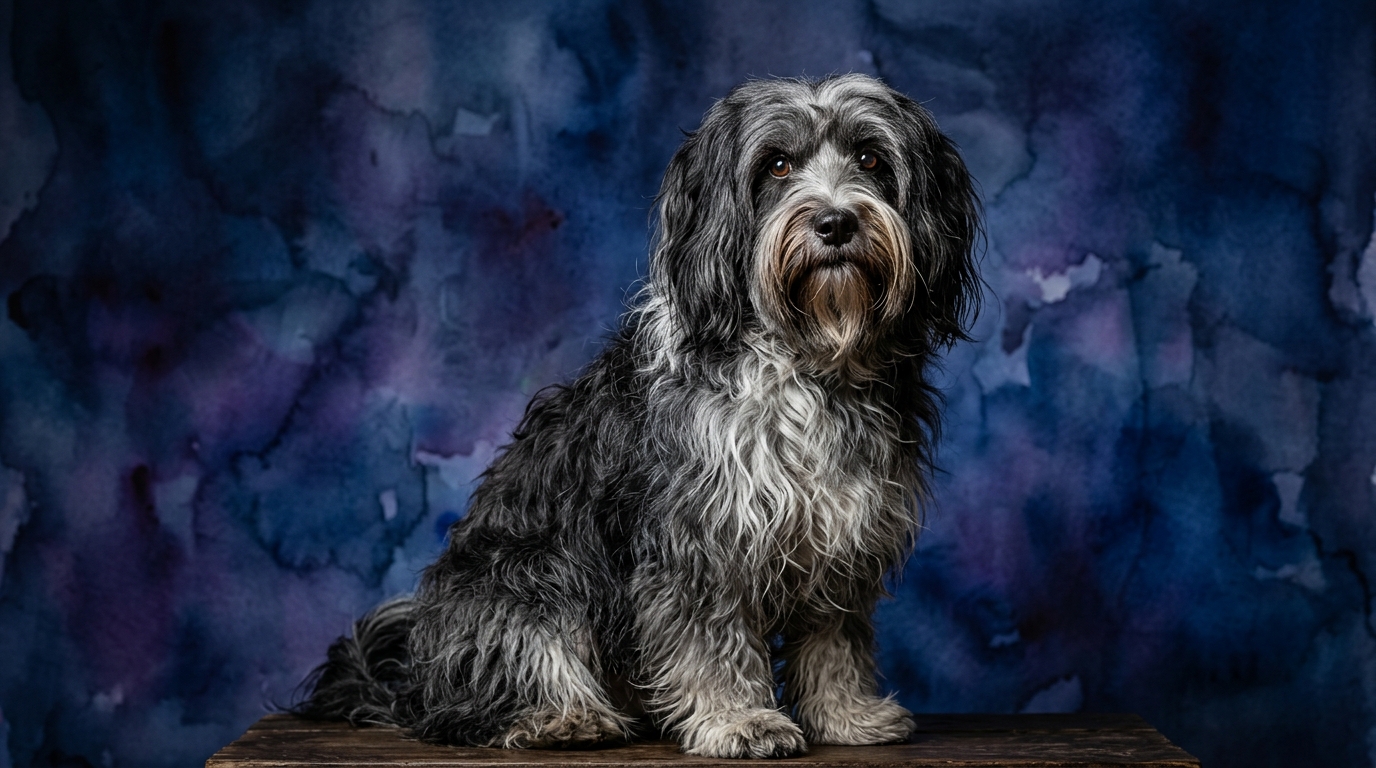
The Tibetan Terrier, a charming Non-Sporting breed ranked #63 by Coren, offers a cognitive blueprint reflecting its role as a companion and sometimes a herder in rugged terrain. Its Problem Solving capacity is also 3/5, similar to the Akita, demonstrating a reasonable aptitude for figuring out everyday dilemmas, like navigating obstacles or manipulating objects to achieve a desired outcome. In Training Speed, the Tibetan Terrier scores a 3/5, indicating a more cooperative and somewhat quicker learning curve than the Akita; they are generally more receptive to instruction and eager to engage in structured learning. Social Intelligence matches the Akita at 3/5, highlighting their sensitivity to human emotions and cues, making them attuned companions who often seek interaction and offer comfort to their family. The Tibetan Terrier's Instinctive Drive is moderate at 3/5; while possessing some herding and guarding tendencies from their lineage, these are generally less intense and more readily managed than the Akita's powerful drives, often manifesting as playful curiosity. Their Memory is rated 3/5, a solid performance indicating they effectively remember routines, learned commands, and familiar people and places, ensuring they navigate their daily lives with competence.
Where the Akita Wins Cognitively
The Akita's cognitive profile distinctly outperforms the Tibetan Terrier in two critical areas: instinctive drive and memory. With a perfect 5/5 in Instinctive Drive, the Akita possesses an unparalleled intensity in its innate motivations, encompassing strong guarding instincts, a formidable prey drive, and a deep-seated need for purpose. This pervasive drive colors their entire cognitive landscape, making them acutely aware of their surroundings for potential threats or opportunities related to their primal roles.
Furthermore, the Akita's 4/5 Memory score indicates a more profound and enduring recall compared to the Tibetan Terrier's 3/5. This translates to an exceptional ability to remember past events, lessons, and boundaries, contributing to their consistent behavior and their capacity to form lasting bonds or hold onto negative associations. This superior memory ensures that once a lesson or experience is ingrained, it is not easily forgotten.
Where the Tibetan Terrier Wins Cognitively
The Tibetan Terrier's distinct cognitive advantage lies in its Training Speed, scoring 3/5 compared to the Akita's 2/5. This difference suggests a greater inherent willingness and aptitude for learning new commands and routines with fewer repetitions. Their higher trainability stems from a cognitive predisposition towards cooperation and a desire to engage with their human companions in structured learning environments. While both breeds show similar problem-solving abilities, the Tibetan Terrier's quicker training speed indicates a more flexible cognitive approach, where they are more readily adaptable to human-imposed structures and less inclined to independently weigh the “value” of a command before complying. This makes the initial phases of teaching basic obedience and tricks a smoother, more responsive process for the Tibetan Terrier owner.
Which is Easier to Train, and Why?
Based on their Pet IQ Lab profiles, the Tibetan Terrier is generally easier to train than the Akita. The Tibetan Terrier's Training Speed of 3/5 directly indicates a more receptive learner, often showing a greater eagerness to please and a quicker grasp of new concepts. This is in stark contrast to the Akita's 2/5 Training Speed, which reflects a more independent and sometimes stubborn cognitive approach.
Akitas often question the necessity of a command, requiring significant motivation and patience to convince them that compliance is worthwhile. Their strong instinctive drive (5/5) means they are often more focused on their own inherent motivations—like guarding or patrolling—than on performing a trick for a treat. The Tibetan Terrier, with its moderate instinctive drive (3/5), is less distracted by such powerful internal directives, allowing for a more focused and cooperative training experience. Real behavioral differences include the Akita's tendency to assess situations and act independently, sometimes appearing aloof, while the Tibetan Terrier's desire for companionship often translates into a more willing participant in training games and exercises.
Which Suits Active Owners vs. Relaxed Owners
The Akita, with its exceptional Instinctive Drive (5/5), is better suited for active owners who can channel this powerful cognitive force into purposeful activities. Owners who enjoy structured outdoor adventures, advanced obedience training, or even working dog sports can provide the mental and physical engagement an Akita requires to thrive. Their robust memory (4/5) means they benefit from consistent routines and clear boundaries, which active, hands-on owners can provide.
Conversely, the Tibetan Terrier, with its moderate Instinctive Drive (3/5) and solid Social Intelligence (3/5), is an excellent match for more relaxed owners. While they still require regular exercise and mental stimulation, their needs are less intense and more adaptable. They are content with daily walks, interactive play sessions, and being an integral part of family life without demanding a “job” in the same way an Akita does. Their quicker Training Speed (3/5) also means they can easily learn household manners and participate in casual training for fun, fitting seamlessly into a less rigid lifestyle.
The Verdict
When choosing between these two distinct breeds, the Akita is the clear choice for experienced owners seeking a dog with profound loyalty, an intense protective instinct, and the mental fortitude for purposeful tasks.
Conversely, the Tibetan Terrier is ideal for individuals or families desiring an adaptable, companion-oriented dog that enjoys learning and integrates smoothly into a moderately active or relaxed home environment.
🧠 Find Your Pet's IQ Score
Our Pet IQ Lab assessment covers 25+ tests across 5 cognitive dimensions — personalized to your breed.
Take the Full IQ Test →Frequently Asked Questions
Is the Akita truly harder to train than the Tibetan Terrier?
Yes, the Akita's lower Training Speed (2/5) compared to the Tibetan Terrier's (3/5) indicates a more challenging training journey. Akitas often possess a strong independent streak and need consistent, highly motivating methods to ensure compliance, whereas Tibetan Terriers are generally more eager to please.
Do both breeds have similar problem-solving abilities?
Both the Akita and the Tibetan Terrier score 3/5 in Problem Solving, suggesting they share a comparable capacity for independent thought and figuring out solutions to everyday challenges. Their approach to problem-solving might differ, but their overall aptitude is similar.
How does instinctive drive impact their suitability as pets?
The Akita's 5/5 Instinctive Drive means they require significant mental and physical outlets for their strong protective and prey instincts, making them suitable for owners who can provide structure and purpose. The Tibetan Terrier's 3/5 Instinctive Drive is more moderate, leading to a more adaptable and generally less demanding companion for family life.