Side-by-Side Cognitive Profiles: Akita vs. Toy Poodle
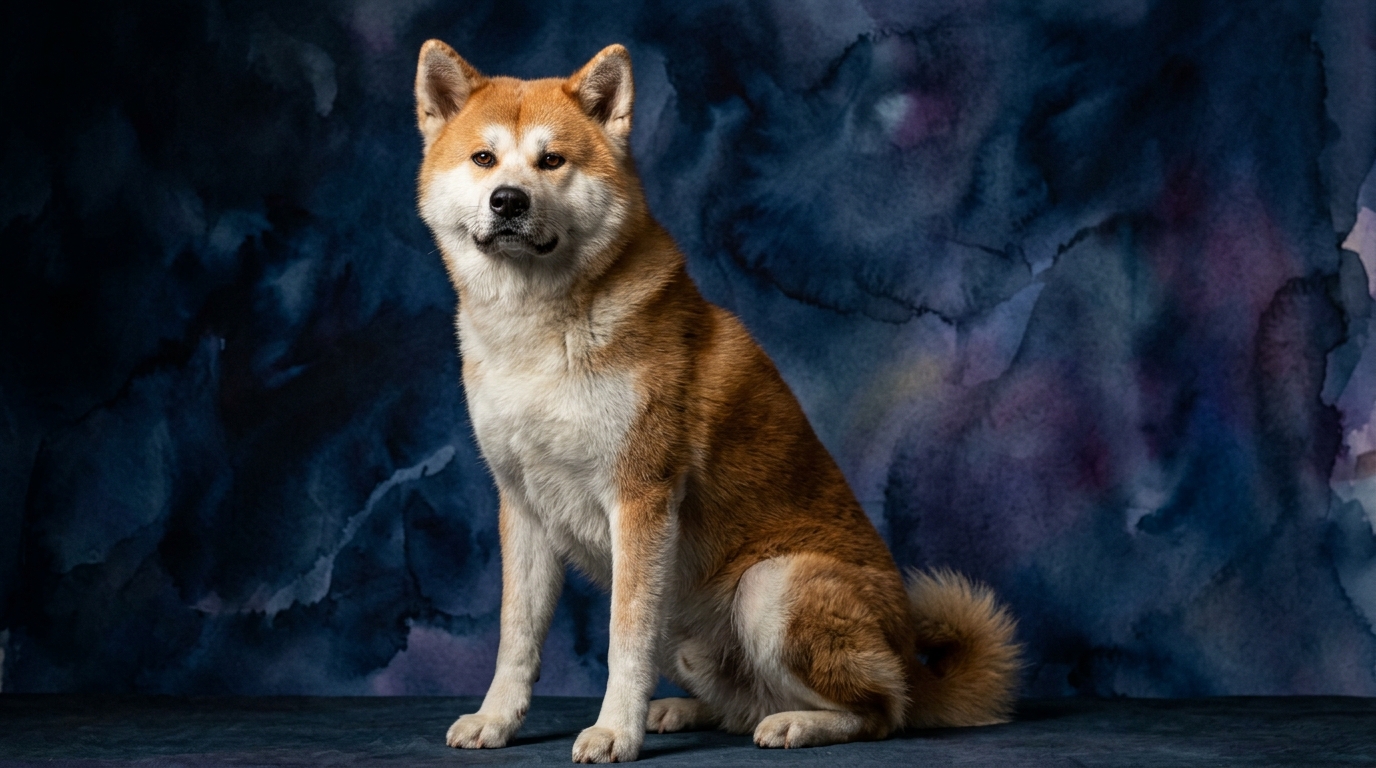
The Akita, a working breed ranked #54 by Coren, demonstrates a distinct cognitive profile geared towards independence and protection. Its problem-solving capacity rates 3/5, indicating a moderate ability to navigate novel situations, often relying on established patterns rather than spontaneous innovation. Training speed is 2/5; Akitas require consistent, patient instruction to absorb new commands, reflecting a deliberate learning style. Social intelligence stands at 3/5; while observant of its human family, the Akita forms deep, selective bonds and is not overtly demonstrative with strangers. An instinctive drive of 5/5 highlights its powerful guardian instincts, territorial awareness, and a significant prey drive. Memory, at 4/5, allows the Akita to retain complex routines and past experiences effectively, crucial for its protective role.
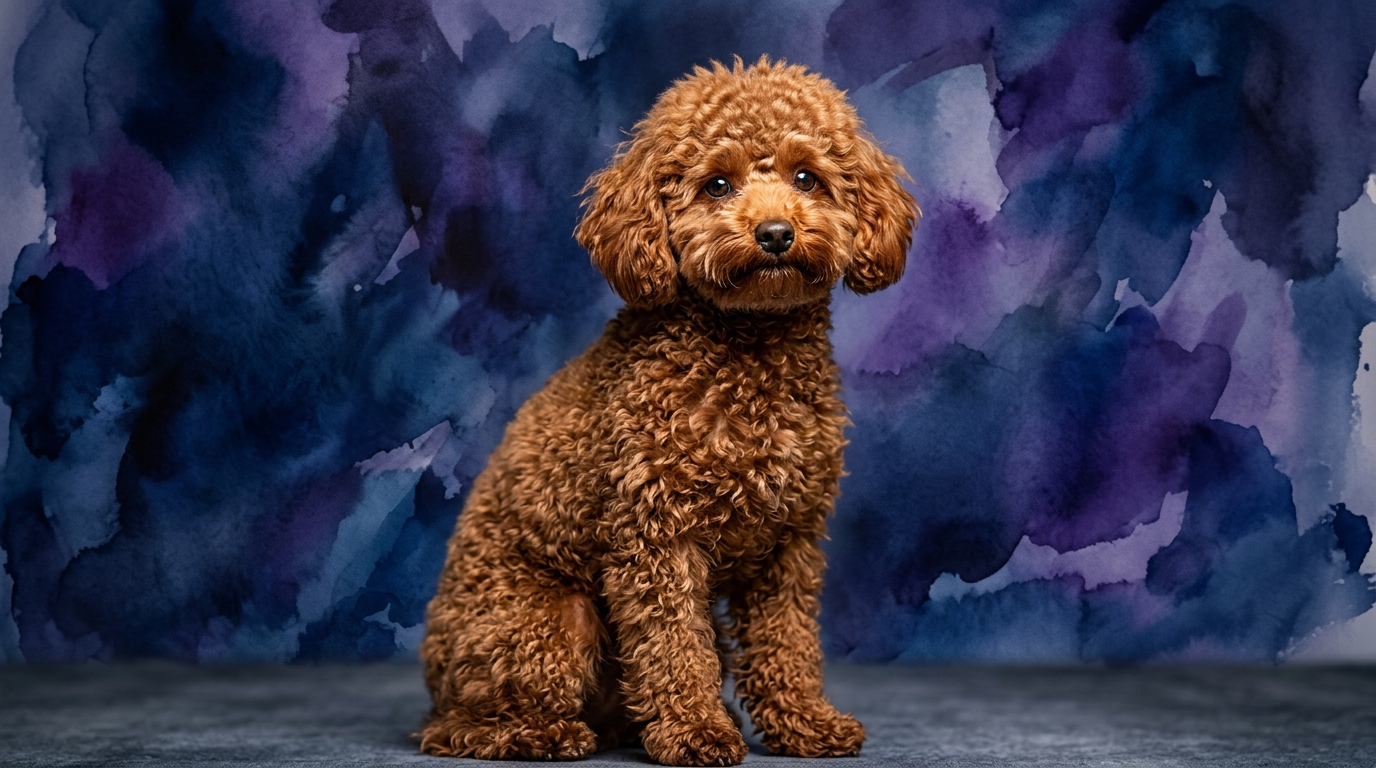
The Toy Poodle, a toy breed with an impressive Coren rank of #2, presents a contrasting cognitive landscape. Its problem-solving ability is a remarkable 5/5, showing exceptional adaptability and a knack for quickly devising solutions in new scenarios. Training speed is also 5/5; these dogs absorb new commands and complex sequences with remarkable rapidity and enthusiasm. Social intelligence is 3/5; Toy Poodles are highly attuned to human emotions and social cues, often mirroring their owners' moods, though they can be sensitive to environmental changes. An instinctive drive of 3/5 suggests a moderate level of natural instinct, retaining some hunting curiosity but primarily oriented towards companionship. Memory, at 5/5, is exceptional, enabling them to recall intricate routines, commands, and long-past events with impressive precision.
Where the Akita Wins Cognitively
The Akita’s cognitive strength truly shines in its profound instinctive drive, rated 5/5, which is unparalleled by the Toy Poodle. This manifests as an innate capacity for vigilance, protection, and independent decision-making when sensing a threat, allowing them to assess situations and act decisively without constant human direction. Their territorial awareness and readiness to guard their family and home are deeply ingrained, making them formidable protectors.
While the Toy Poodle also possesses strong memory, the Akita’s 4/5 memory is particularly optimized for practical application in its guardian role. It allows them to retain detailed mental maps of their environment, remember specific past encounters with individuals or other animals, and recall established routines, which are vital for effective patrolling and maintaining order within their perceived territory. This robust memory supports their self-reliant nature by providing a reliable database of experiences.
Where the Toy Poodle Wins Cognitively
The Toy Poodle decisively surpasses the Akita in both problem-solving and training speed. With a problem-solving score of 5/5, they exhibit an exceptional capacity to adapt to novel situations, quickly analyze new challenges, and devise creative solutions, often surprising owners with their ingenuity. This cognitive flexibility allows them to learn from experience and apply insights across different contexts.
Their training speed, also a perfect 5/5, means Toy Poodles absorb new commands and complex sequences with remarkable rapidity and eagerness. They are highly motivated by engagement and respond enthusiastically to positive reinforcement, making them ideal candidates for advanced obedience, trick training, and performance sports. This rapid learning curve stands in stark contrast to the Akita’s more deliberate pace. Furthermore, the Toy Poodle’s memory, rated 5/5, is a significant cognitive advantage. This exceptional recall allows them to retain vast amounts of information, from elaborate trick sequences to intricate agility courses, with impressive precision and longevity. They can effortlessly remember numerous commands and routines, making them highly versatile and responsive companions in a wide array of activities.
Ease of Training: Behavioral Differences
The Toy Poodle is demonstrably easier to train due to its superior training speed and problem-solving abilities. Their eagerness to engage with their human companions and their rapid comprehension of new concepts means they pick up commands quickly, often with fewer repetitions than many other breeds. They thrive on mental stimulation and positive reinforcement, consistently seeking to understand and execute tasks, making the training process a highly rewarding and efficient experience for both dog and owner.
In contrast, the Akita presents a more challenging training prospect, largely due to its lower training speed and strong independent nature. While capable of learning, an Akita requires immense patience, consistency, and a clear, confident handler to guide them. Their inclination to assess situations and make their own decisions can sometimes override a command if they perceive it as unnecessary or conflicting with their instincts, necessitating a nuanced approach that respects their self-reliant character.
Which Suits Active vs. Relaxed Owners
Active owners will find suitable companions in both breeds, though their activity requirements differ significantly. An Akita thrives with owners who engage in consistent, purposeful activities such as long, structured walks or hikes, guardian-specific training, or scent work that taps into their innate drives. They require mental stimulation that respects their independence and physical exertion that matches their powerful build, appreciating an owner who understands their need for boundaries and self-directed exploration within a secure environment. Toy Poodles, conversely, excel with active owners who enjoy varied and intellectually stimulating pursuits like agility, obedience trials, learning new tricks, or frequent social outings. Their high problem-solving capacity and eagerness to learn mean they flourish when presented with diverse mental challenges and opportunities for interactive play, making them superb partners for dynamic, engaged lifestyles.
For owners seeking a more relaxed pace, the Toy Poodle is generally more adaptable, provided they still receive consistent mental stimulation and companionship. Their lower instinctive drive and higher eagerness to please mean they can adjust to a calmer home environment more readily than an Akita, as long as their cognitive needs are met through regular, engaging interactions. The Akita's powerful independent nature and strong inherent drives demand a more proactive, structured approach from owners, even in a relaxed home. Their need for a clear hierarchy and consistent boundaries means they are less suited to truly passive ownership, requiring an owner who can confidently manage their assertive personality and provide outlets for their protective instincts, even if daily physical activity isn't always intense.
The Verdict
For owners seeking a formidable, independent guardian with a deep, loyal bond, who are prepared for consistent training and respect their dog's self-reliant nature, the Akita is an exceptional choice.
Conversely, for individuals who desire a highly trainable, versatile companion eager to learn new skills, participate in various activities, and engage in constant intellectual stimulation, the Toy Poodle stands out as the ideal partner.
🧠 Find Your Pet's IQ Score
Our Pet IQ Lab assessment covers 25+ tests across 5 cognitive dimensions — personalized to your breed.
Take the Full IQ Test →Frequently Asked Questions
Is the Akita truly difficult to train?
Their training speed is lower, and their independent nature means they require a very consistent, patient, and firm hand. They learn, but at their own pace and often need more motivation than a Toy Poodle to comply when their instincts suggest otherwise.
Can a Toy Poodle be a good watch dog?
While they possess some social intelligence and will alert to strangers with barking, their instinctive drive for guarding is moderate. They are more likely to act as an alarm system than to physically deter a threat, a stark contrast to the protective capabilities of an Akita.
How do their memory differences manifest in daily life?
The Toy Poodle's exceptional memory allows them to quickly recall complex routines and tricks, making them stars in obedience or performance sports. The Akita's strong memory helps them remember territory boundaries, past encounters, and family routines, contributing to their effective guardianship and consistent behavior within their established environment.