Side-by-Side IQ Profile
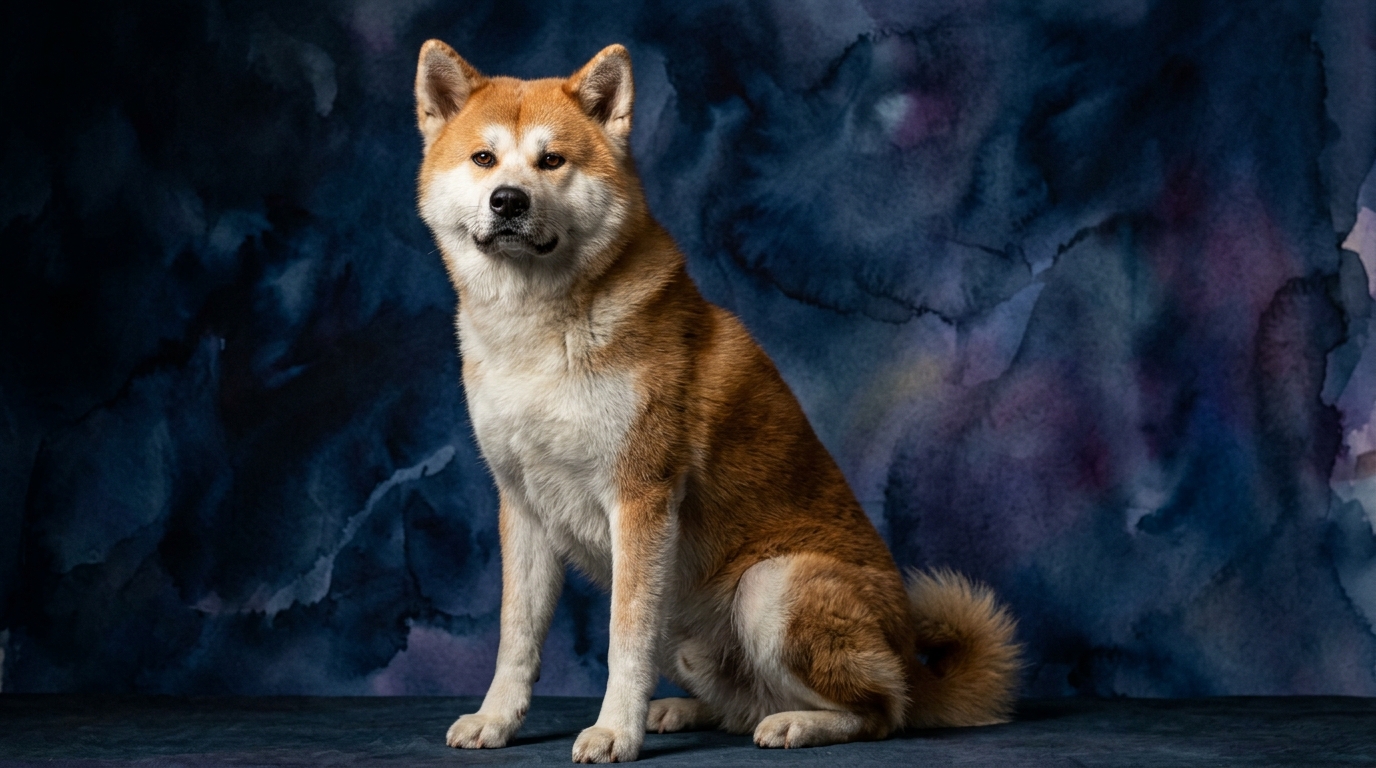
The Akita presents a fascinating cognitive blueprint, starting with a problem-solving capacity rated at 3 out of 5. This score indicates an ability to independently navigate challenges, often devising their own solutions rather than waiting for direct human cues. Their training speed, at 2 out of 5, suggests a more deliberate learning pace, implying that consistent and patient instruction is paramount for solidifying new behaviors. Social intelligence scores 3 out of 5, reflecting a selective but deep connection with their chosen human companions, often displaying discernment and a reserved demeanor with strangers. A prominent instinctive drive, at 5 out of 5, underscores their heritage as guardian and hunter, manifesting as strong territoriality and a powerful prey drive. Memory, at 4 out of 5, points to a strong retention of experiences, both positive and negative, allowing them to recall intricate details over time.
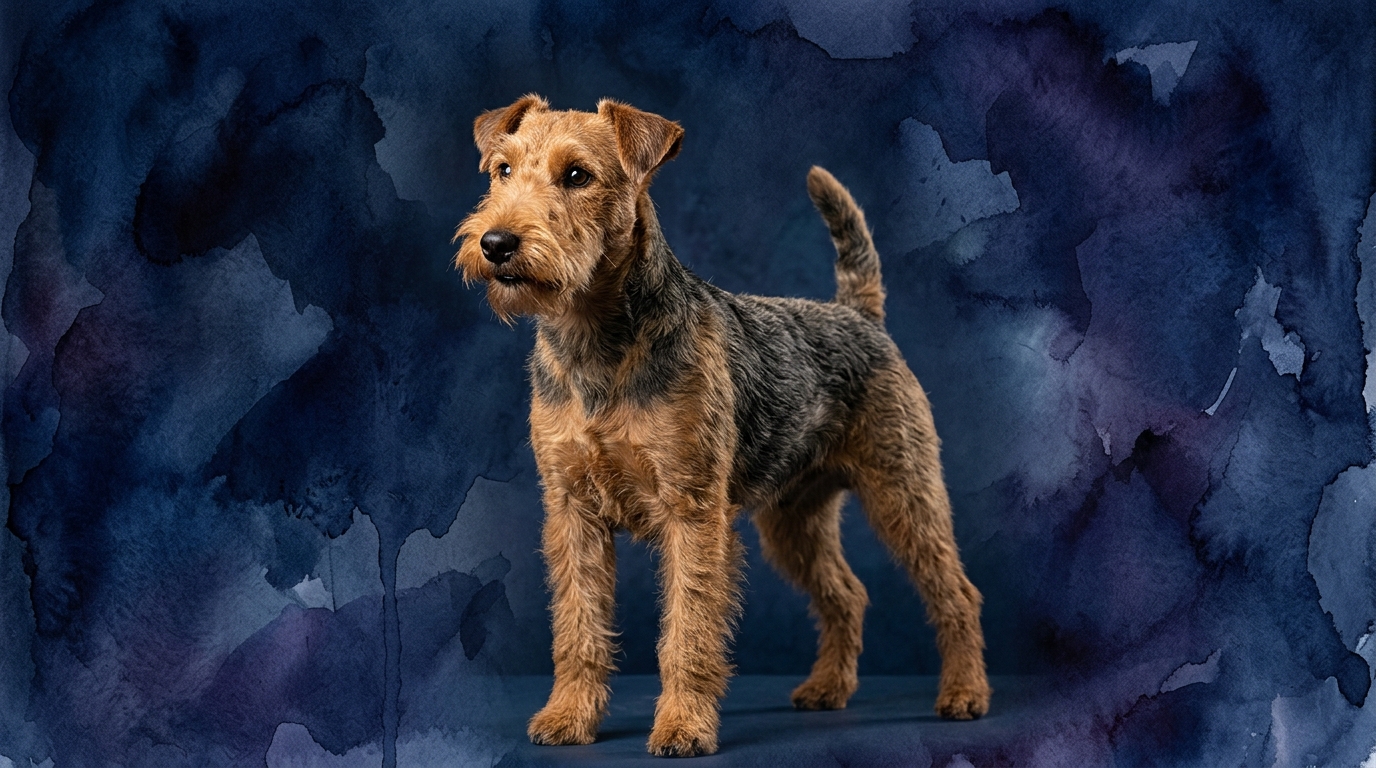
The Welsh Terrier, in comparison, also holds a problem-solving score of 3 out of 5, showcasing a similar capacity for independent thought in tackling novel situations and demonstrating a clever approach to obstacles. Their training speed, rated 3 out of 5, indicates a more eager and responsive learner compared to the Akita, generally picking up commands with moderate repetition and enthusiasm. Social intelligence also stands at 3 out of 5, reflecting an amiable nature with familiar individuals but a characteristic terrier exuberance or wariness with new encounters. An instinctive drive of 3 out of 5 highlights their terrier roots in pursuing quarry, but it is typically more manageable than the Akita's intense drive. Memory, at 3 out of 5, suggests a solid ability to recall past events and learned behaviors, though perhaps not with the same depth as the Akita.
Where Akita Wins Cognitively
The Akita's cognitive strengths distinctly shine in areas demanding deep retention and powerful intrinsic motivation. Their memory score of 4/5 means they absorb and recall intricate details of their environment and past interactions with remarkable clarity. This superior memory allows them to learn complex routines, understand subtle household dynamics, and remember specific people or places over long periods, making them astute observers of their surroundings. This robust recall contributes to their reliability in established roles and their ability to anticipate patterns.
Furthermore, the Akita’s formidable instinctive drive, rated 5/5, is a significant cognitive asset when channeled appropriately. This intense drive, rooted in their original purpose as guardians and hunters, fuels a profound determination and an unwavering focus on perceived duties. While it can present training challenges due to its independence, it also means an Akita will pursue a task or protect its family with an unmatched intensity and resolve, relying on deep-seated natural behaviors rather than constant external motivation. This cognitive profile makes them exceptionally reliable in roles requiring vigilance and independent decision-making in specific contexts.
Where Welsh Terrier Wins Cognitively
The Welsh Terrier demonstrates a distinct cognitive advantage in the realm of training speed, scoring 3/5 compared to the Akita's 2/5. This indicates a greater eagerness and quicker assimilation of new commands and routines, often requiring fewer repetitions to achieve proficiency. Their moderate training speed suggests an adaptable and receptive mind, which can be a considerable benefit for owners seeking to teach a diverse range of obedience cues or tricks without extensive repetition. This responsiveness makes them a more flexible partner in various learning activities.
While their problem-solving and social intelligence scores mirror the Akita's, their slightly more amenable nature to instruction means they are often more straightforward to guide through learning processes. The Welsh Terrier's instinctive drive, at 3/5, is also a cognitive benefit in its relative manageability; it provides sufficient motivation for engagement without the overwhelming intensity that can sometimes complicate training or daily life. This balanced drive allows for easier redirection and a more flexible approach to learning, making them responsive to varied training methodologies and less prone to intense, single-minded pursuits.
Which is Easier to Train and Why
When it comes to ease of training, the Welsh Terrier generally presents a more straightforward experience than the Akita. The Welsh Terrier's training speed of 3/5 reflects a quicker grasp of new commands and a more enthusiastic participation in training sessions. This responsiveness stems from their inherent terrier temperament, which, while spirited, often includes a desire to engage with and please their handler, especially when training is made fun and rewarding. They tend to be more forgiving of minor inconsistencies and generally require less repetition to cement a behavior, making the learning curve less steep for most owners.
In contrast, the Akita's training speed of 2/5 indicates a more independent and often stubborn learning style. Their powerful instinctive drive (5/5) means they are less inclined to perform simply for human approval and more likely to follow their own agenda, which can make consistent obedience a significant challenge. Training an Akita demands immense patience, unwavering consistency, and a deep understanding of their independent nature, often requiring creative methods to motivate them without resorting to force. A real behavioral difference lies in their intrinsic motivations: the Welsh Terrier often finds joy in the training interaction itself, while the Akita is driven by purpose and may question the necessity or logic of a given command, requiring a strong, persuasive leader.
Which Suits Active Owners vs Relaxed Owners
The Akita, with its profound instinctive drive (5/5) and strong memory (4/5), is best suited for active owners who are prepared to engage in consistent, structured activities that appeal to their breed’s heritage. These dogs thrive with owners who can provide clear leadership, participate in regular, purposeful exercise like long hikes, scent work, or advanced obedience, and commit to ongoing mental stimulation to prevent boredom and destructive behaviors. Their independent problem-solving (3/5) means they appreciate tasks that allow them to think, rather than just follow. An Akita is not typically a companion for relaxed, low-engagement owners, as their intense drive and discerning social intelligence (3/5) demand a confident, consistent handler and a well-defined routine to prevent misinterpretations of their role or territorial instincts.
Conversely, the Welsh Terrier, with its balanced instinctive drive (3/5) and quicker training speed (3/5), offers more versatility for owners with varying activity levels. While they possess terrier energy and enjoy active play, their drive is generally more amenable to redirection and can be satisfied with a good daily walk, interactive games, and consistent training sessions. Their solid social intelligence (3/5) allows them to adapt well to family life, making them suitable for owners who enjoy regular engagement but may not be seeking the intense, purpose-driven partnership an Akita often demands. They can thrive with owners who provide consistent stimulation, but also appreciate downtime, making them a good fit for active families or individuals who enjoy a mix of adventure and relaxation.
The Verdict
Choose the Akita if you are an owner committed to providing structured mental and physical challenges, appreciate a discerning social nature, and are ready for a strong, purposeful bond with a deeply independent companion.
Opt for the Welsh Terrier if you prefer a spirited, more readily trainable companion that enjoys active engagement but also adapts well to a balanced lifestyle, suitable for owners seeking a responsive dog with a manageable instinctive drive.
🧠 Find Your Pet's IQ Score
Our Pet IQ Lab assessment covers 25+ tests across 5 cognitive dimensions — personalized to your breed.
Take the Full IQ Test →Frequently Asked Questions
How do their problem-solving abilities compare?
Both the Akita and Welsh Terrier rate 3/5 in problem-solving, suggesting a similar capacity for independent thought and finding solutions to novel challenges. They are neither excessively reliant on human cues nor completely self-sufficient in their approach to obstacles.
Which breed is more suitable for a first-time dog owner?
The Welsh Terrier's higher training speed (3/5) and more manageable instinctive drive (3/5) generally make them a more approachable choice for a first-time owner. The Akita's intense drive (5/5) and independent learning style (2/5) typically require an experienced handler.
Do either of these breeds excel in social settings?
Both breeds score 3/5 in social intelligence, meaning they form strong bonds with their immediate family but can be reserved or discerning with strangers. Early and consistent socialization is crucial for both to foster appropriate interactions in varied social environments.