Side-by-Side Cognitive Profiles
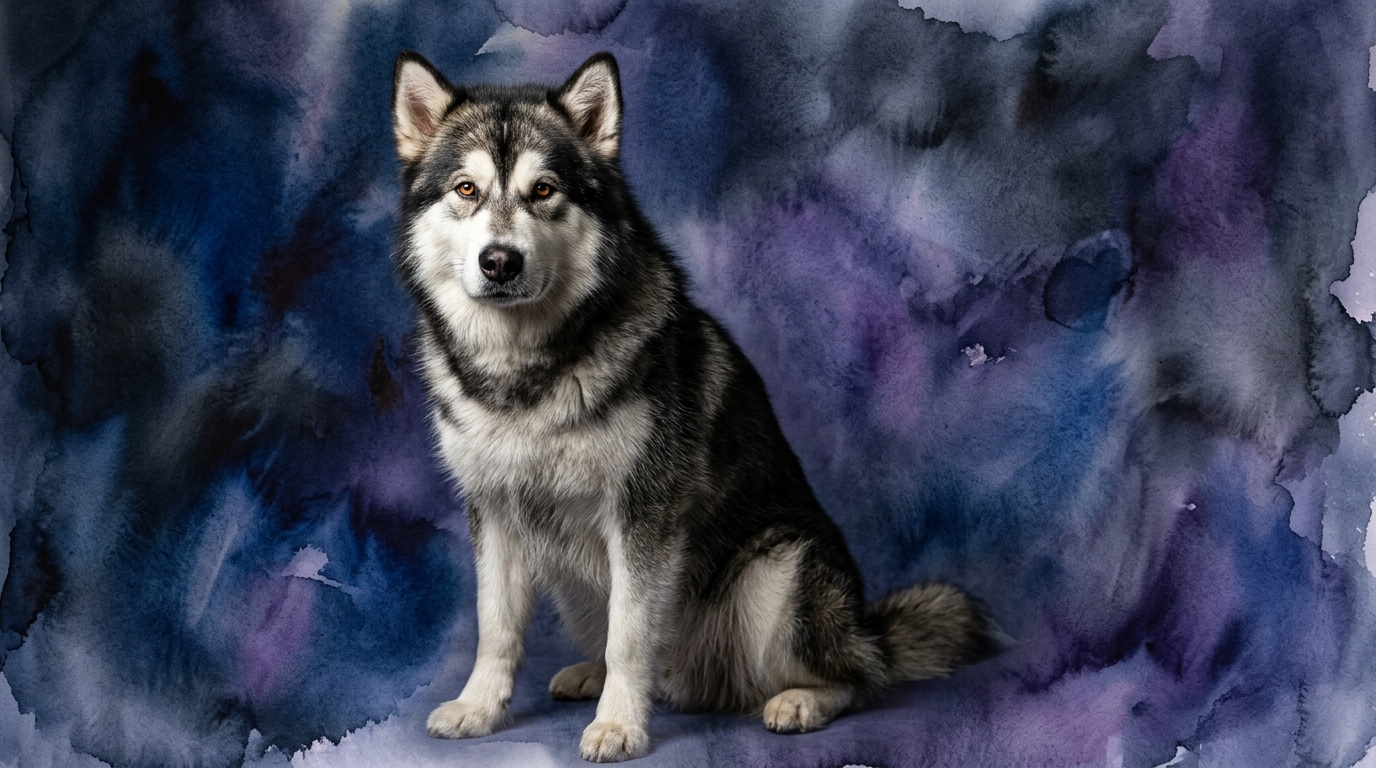
The Cosmic Pet Pet IQ Lab provides a structured framework for understanding canine cognition, breaking it down into five key dimensions. For the Alaskan Malamute, a Working breed ranked #50 by Coren, these dimensions paint a picture of a capable and driven animal. Their Problem Solving ability is rated 4/5, indicating a strong capacity to figure things out independently, often in the context of their historical roles. Training Speed, however, is 2/5, suggesting a more deliberate pace in learning new commands. Social Intelligence stands at 3/5, reflecting a moderate responsiveness to human cues and group dynamics. Their Instinctive Drive is a robust 5/5, a testament to their deep-seated working heritage, while Memory registers at 4/5, allowing them to retain complex information and routines effectively.
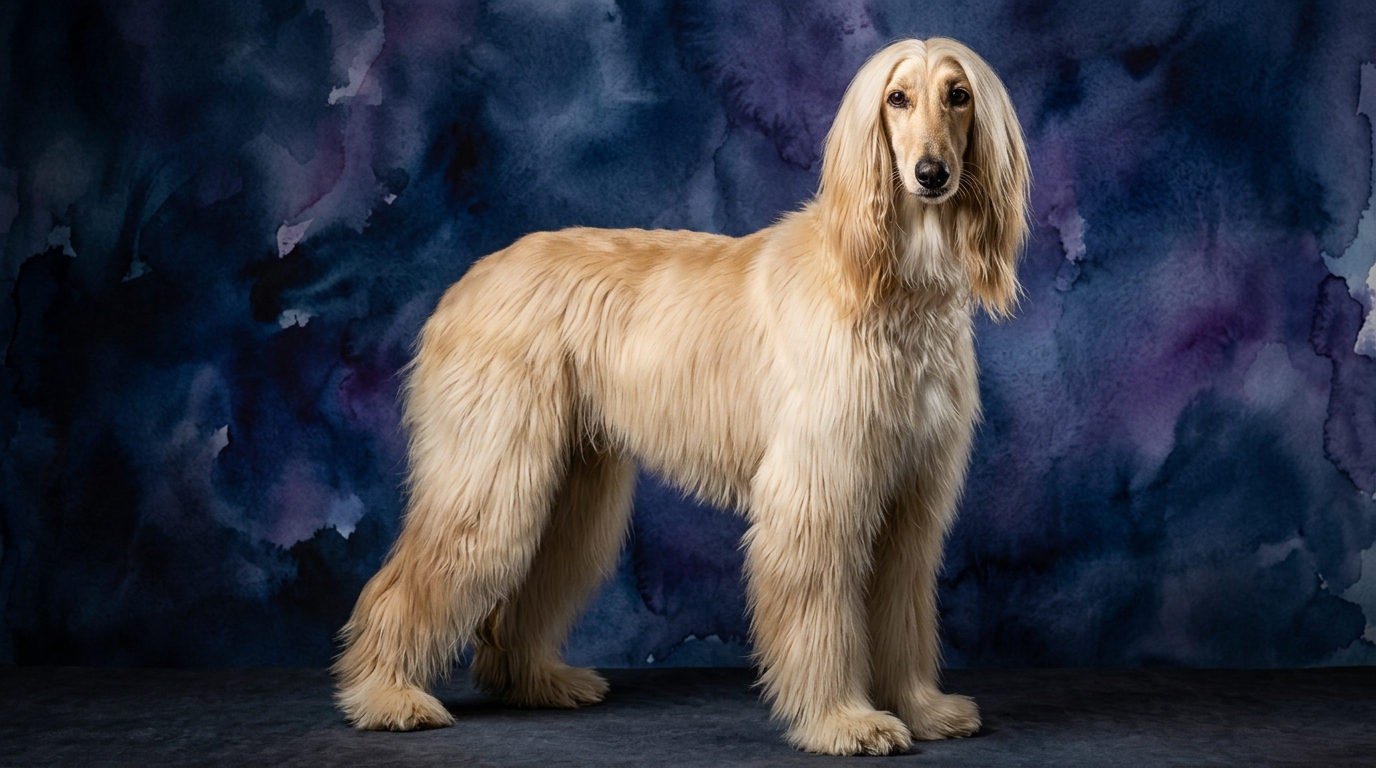
In contrast, the Afghan Hound, a Hound breed with a Coren rank of #79, presents a distinct set of cognitive strengths and challenges. Their Problem Solving ability matches the Malamute at 4/5, demonstrating an equally strong, albeit differently applied, capacity for independent thought. Yet, their Training Speed is notably lower at 1/5, indicating a significant inclination towards self-direction rather than eager compliance. Social Intelligence is 2/5, suggesting a more aloof and less overtly people-focused demeanor. Like the Malamute, their Instinctive Drive is a powerful 5/5, rooted in their ancient sighthound purpose. Memory for the Afghan Hound is 3/5, indicating a solid but not exceptional capacity for recall and learning retention.
These profiles highlight that while both breeds exhibit strong problem-solving skills and intense instinctive drives, their approaches to training, social engagement, and memory differ considerably. The Malamute leans towards a more integrated, cooperative intelligence within its working context, while the Afghan Hound embodies a more independent, self-reliant form of cognition, characteristic of a sighthound developed to hunt without direct human intervention.
Where the Alaskan Malamute Excels Cognitively
The Alaskan Malamute's cognitive strengths truly shine in areas demanding sustained cooperation and memory for complex tasks. Their Training Speed, rated 2/5, while not rapid, is still significantly higher than the Afghan Hound's, meaning they are more receptive to structured learning and repetition over time. This aptitude is crucial for mastering the intricate commands required in sledding or pack work, where precision and responsiveness are paramount. Their 3/5 Social Intelligence further enhances this, as Malamutes are generally more attuned to their human companions' intentions and emotional states, fostering a collaborative learning environment.
Furthermore, the Malamute's 4/5 Memory score means they are adept at retaining sequences of actions and understanding complex routines. This isn't just about remembering a 'sit' command; it extends to recalling intricate routes during a long sled journey or understanding the nuances of a multi-step task. Their problem-solving, rated 4/5, often manifests in practical applications, such as figuring out how to navigate obstacles or work together with a team to achieve a goal. This combination of memory, social awareness, and practical problem-solving makes them excellent partners in activities requiring both brawn and brains, particularly when teamwork is involved.
Where the Afghan Hound Excels Cognitively
The Afghan Hound's cognitive prowess is best observed in situations demanding singular focus, independent decision-making, and an unwavering pursuit of a goal. Their Problem Solving, also rated 4/5, is geared towards autonomous action, reflecting their history as sighthounds who hunted prey at great distances without direct human instruction. This means they are adept at evaluating situations and making swift, independent choices based on visual cues and instinct, rather than waiting for a command. This isn't a lack of intelligence, but a different kind of operational intellect.
Their powerful 5/5 Instinctive Drive is a core cognitive asset, manifesting as an intense, almost singular focus when a compelling stimulus, like a fleeing object, captures their attention. This drive, combined with their problem-solving ability, allows them to strategize and execute complex pursuit patterns across varied terrain, making split-second decisions to outmaneuver prey. While their Social Intelligence is lower at 2/5, this detachment can actually be an advantage in their original role, allowing them to remain undistracted by human input during a hunt. Their 3/5 Memory, while not exceptional, is sufficient for remembering hunting grounds or recognizing familiar paths, supporting their independent forays.
Which is Easier to Train and Why
Between these two breeds, the Alaskan Malamute is generally considered easier to train, primarily due to their higher Training Speed and Social Intelligence. The Malamute's 2/5 Training Speed, while indicating a need for patience, means they are more inclined to learn and respond to human directives. They possess a greater desire to engage with their owner in a learning context, often viewing training as a collaborative activity. Their 3/5 Social Intelligence helps them interpret human body language and vocal tones more effectively, making communication during training more fluid. This leads to a more responsive dog that, while strong-willed, is generally willing to work with their person.
The Afghan Hound, with its 1/5 Training Speed and 2/5 Social Intelligence, presents a greater challenge for traditional obedience training. Their deep-seated independence means they often perceive commands as suggestions rather than directives, preferring to follow their own instincts, particularly if something more interesting, like a squirrel, catches their eye. Their aloof social nature means they are less motivated by human praise or the desire to please, which are common training motivators. Training an Afghan Hound requires exceptional patience, consistency, and a deep understanding of their sighthound nature, often relying on positive reinforcement that appeals to their specific drives rather than expecting eager compliance.
Suitability for Active vs. Relaxed Owners
For active owners seeking a canine partner for outdoor adventures, the Alaskan Malamute is often a more suitable choice. Their 5/5 Instinctive Drive translates into a robust need for physical activity and mental engagement, thriving on long hikes, sledding, or other structured working tasks. Their 4/5 Problem Solving and 4/5 Memory mean they can learn complex routes and participate in challenging activities that require both physical endurance and cognitive effort. While they require significant exercise, their moderate Social Intelligence and better Training Speed allow for a more integrated partnership in these activities, making them responsive companions on trails or during training sessions.
The Afghan Hound, despite its powerful 5/5 Instinctive Drive, aligns differently with owner lifestyles. Their drive is primarily for independent bursts of speed and chasing, making them ideal for owners who appreciate a dog with immense athleticism and a strong prey drive but don't necessarily want a highly cooperative companion for all activities. They need regular opportunities to run freely and safely in a securely fenced area, but their lower Social Intelligence and Training Speed mean they are less likely to be an eager participant in structured activities like obedience trials or complex agility courses. For owners who enjoy a more independent, elegant companion during relaxed home life, but are prepared to facilitate their intense bursts of physical exertion, the Afghan Hound fits well. They are not necessarily for 'relaxed' owners in terms of exercise needs, but rather for owners relaxed about traditional obedience and constant interaction.
The Verdict: When to Choose Each Breed
Choosing between an Alaskan Malamute and an Afghan Hound hinges on your lifestyle, training philosophy, and what you seek in a canine companion. The Malamute, with its balanced cognitive profile of strong problem-solving, better training responsiveness, and cooperative social intelligence, is an excellent fit for active individuals or families who desire a deeply engaged, albeit strong-willed, partner for outdoor adventures and structured activities. They thrive with consistent training, clear leadership, and a role to fulfill, making them ideal for those who enjoy collaborative dog sports or working tasks.
Conversely, the Afghan Hound is best suited for owners who appreciate a dog with profound independence, striking elegance, and a powerful, instinct-driven athleticism, and who are prepared for the unique challenges of training a sighthound. They thrive with owners who understand their need for independent thought and intense bursts of speed, and who are patient with their less compliant nature in traditional obedience. If you seek a companion that embodies ancient grace and self-sufficiency, and are willing to adapt your approach to their distinct cognitive makeup, the Afghan Hound might be your ideal match.
The Verdict
Choose an Alaskan Malamute if you seek a powerful, cooperative partner for outdoor adventures and are prepared for consistent, patient training to harness their intelligent, but strong-willed, nature.
Choose an Afghan Hound if you appreciate profound independence, immense athleticism, and an aloof elegance, and are ready for a dog that will challenge traditional training methods with its self-reliant cognitive style.
🧠 Find Your Pet's IQ Score
Our Pet IQ Lab assessment covers 25+ tests across 5 cognitive dimensions — personalized to your breed.
Take the Full IQ Test →Frequently Asked Questions
Are Alaskan Malamutes good at problem-solving?
Yes, Alaskan Malamutes exhibit strong problem-solving skills, rated 4/5, often manifesting in practical ways related to their working heritage, such as navigating obstacles or figuring out how to achieve a goal within their environment.
Why is Afghan Hound training speed so low?
The Afghan Hound's training speed is rated 1/5 due to their deep-seated independence and sighthound instincts; they are bred to make autonomous decisions during a hunt, making them less inclined to eagerly follow human commands or engage in repetitive obedience.
Do Alaskan Malamutes and Afghan Hounds have similar instinctive drives?
Both breeds share a powerful 5/5 Instinctive Drive, but it manifests differently; the Malamute's drive is often geared towards sustained pulling and pack work, while the Afghan Hound's is focused on the pursuit and chase of prey, demanding outlets for bursts of speed and independent hunting behaviors.