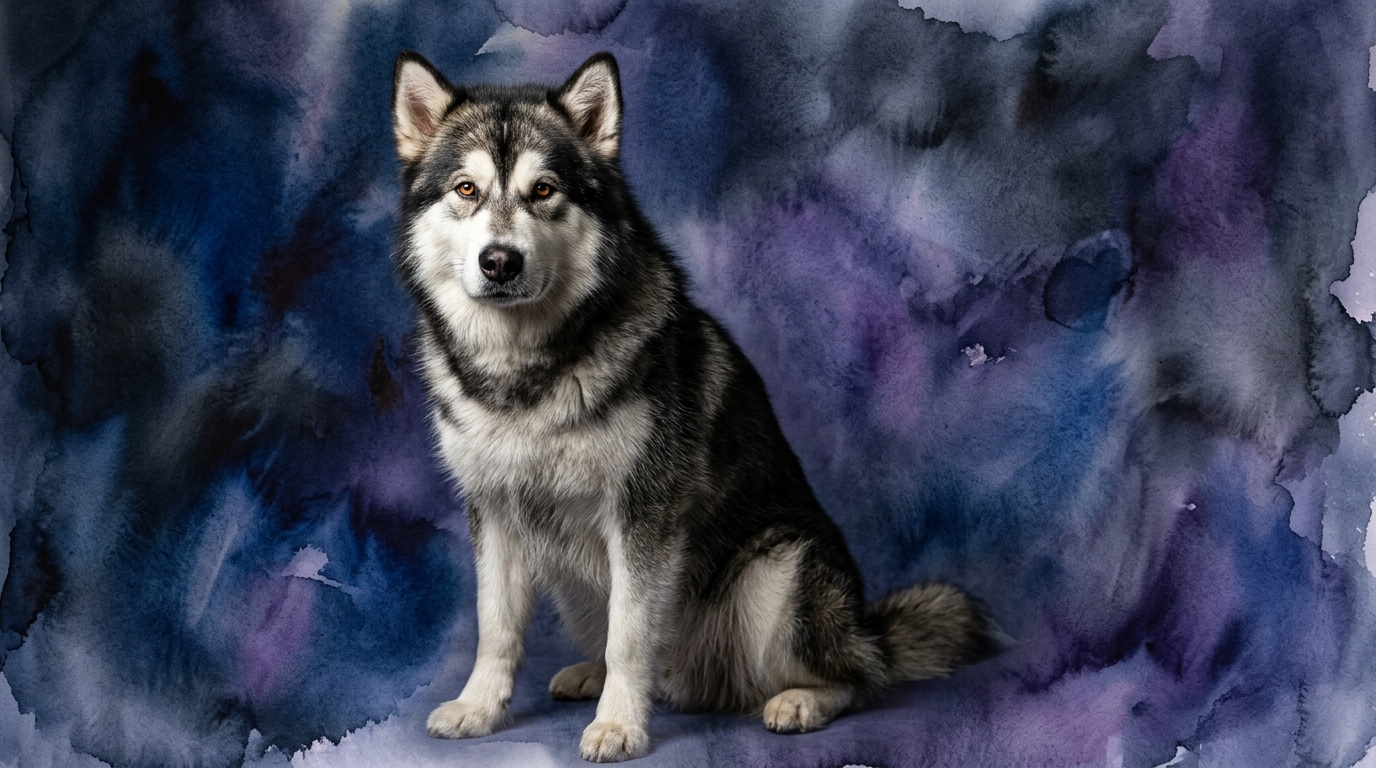
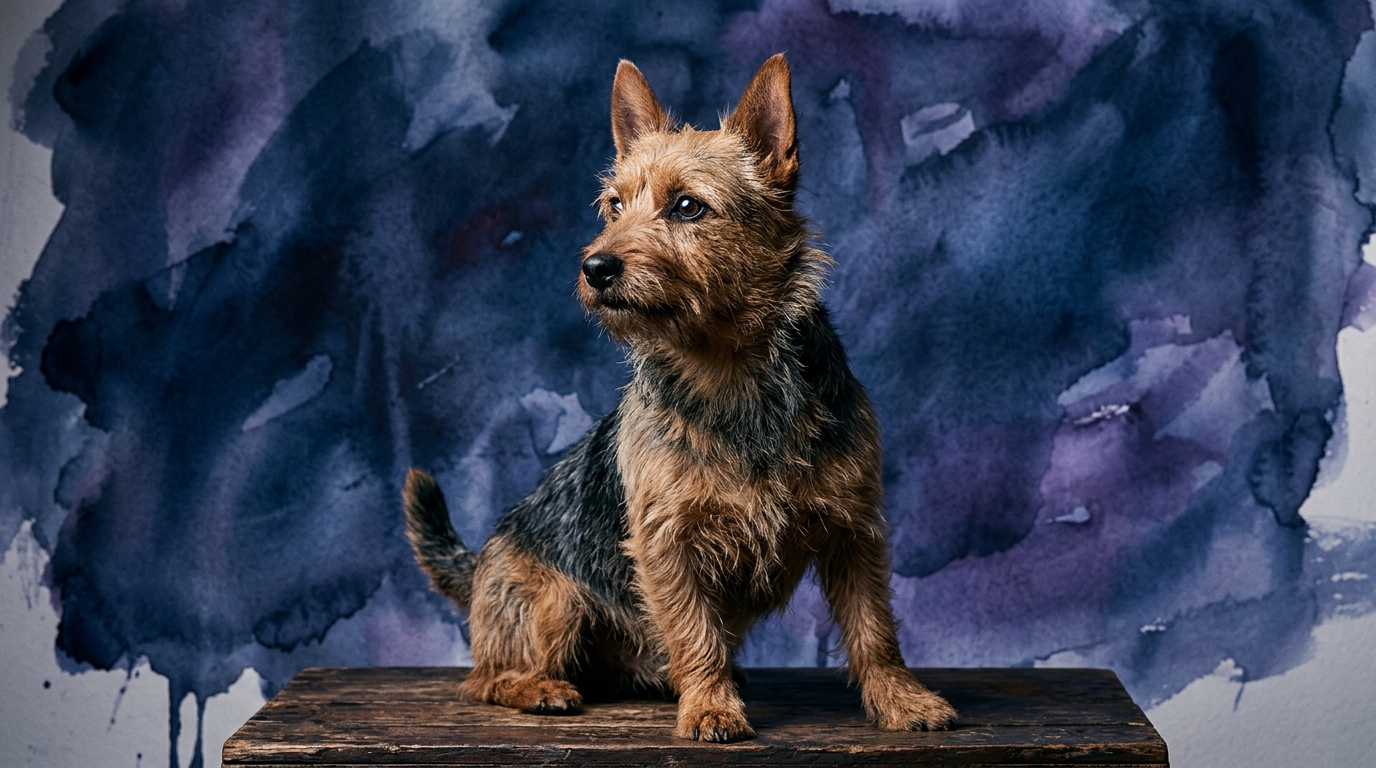
Side-by-Side IQ Profile: Malamute vs. Australian Terrier
The Alaskan Malamute, a magnificent breed ranked #50 by Stanley Coren for working intelligence, presents a robust cognitive profile tailored for endurance and complex tasks. Their problem-solving ability scores a strong 4 out of 5, reflecting their historical need to navigate challenging terrains and strategize during arduous sledding expeditions. Training speed, however, is a more moderate 2 out of 5, indicating a self-reliant nature that requires patience and consistent motivation. Social intelligence stands at a solid 3 out of 5, enabling them to work cooperatively within a pack or alongside humans, yet maintaining a degree of independence. Their instinctive drive is exceptionally high at 5 out of 5, a testament to their powerful urge to pull, hunt, and explore, which is deeply ingrained. Finally, memory is rated 4 out of 5, crucial for recalling routes, commands, and experiences over time.
In contrast, the Australian Terrier, a breed not ranked by Coren but with its own distinct cognitive toolkit, showcases intelligence honed for independent vermin control. Their problem-solving ability is rated 3 out of 5, indicative of their capacity to independently locate and dispatch quarry, often requiring quick tactical decisions. Training speed is a respectable 3 out of 5, suggesting a responsive learner who, while capable, retains a terrier's characteristic independent streak. Social intelligence also sits at 3 out of 5, allowing them to form strong bonds with their human companions and navigate social situations effectively, albeit sometimes with a bold terrier assertiveness. Instinctive drive is 3 out of 5, reflecting a strong prey drive and curiosity, but one that is generally more manageable than the Malamute's intense working drive. Memory is likewise 3 out of 5, sufficient for remembering routines, people, and specific locations relevant to their daily lives and tasks.
Where the Alaskan Malamute Excels Cognitively
The Alaskan Malamute's cognitive strengths are deeply rooted in its heritage as a powerful freighting dog, demanding both physical and mental fortitude. Their superior problem-solving (4/5) allows them to independently assess and overcome environmental challenges, whether it's figuring out how to open a complex latch or devising a path through an unfamiliar landscape. This isn't just about simple tasks; it's about strategic thinking under pressure, essential for survival and task completion in harsh environments. This breed often displays remarkable ingenuity when faced with obstacles, demonstrating a capacity for abstract thought in practical contexts.
Furthermore, the Malamute's exceptional instinctive drive (5/5) is a cognitive powerhouse. This isn't just raw energy; it's a profound, intrinsic motivation to perform tasks, explore, and utilize their physical capabilities. This drive fuels their persistence and endurance, making them relentless in pursuing a goal once set. Coupled with their strong memory (4/5), they are adept at remembering complex sequences, routes, and learned experiences, which is vital for navigating long trails or recalling specific training cues over time. Their memory contributes significantly to their ability to learn from past experiences and apply that knowledge to new situations, even if their training speed is not the highest.
Where the Australian Terrier Shows Its Cognitive Edge
While the Alaskan Malamute generally presents higher scores in several cognitive dimensions, the Australian Terrier showcases a distinct cognitive advantage in specific areas, particularly concerning practical trainability. Their training speed, rated at 3 out of 5, is notably higher than the Malamute's 2 out of 5. This indicates a more immediate responsiveness to commands and a quicker grasp of new instructions, making them generally more amenable to learning basic obedience and tricks in a shorter timeframe. This efficiency in acquiring new behaviors is a significant cognitive win for owners seeking a dog that picks up cues with relative ease.
The Australian Terrier's cognitive profile, with its balanced scores (3/5 across problem-solving, social intelligence, instinctive drive, and memory), implies a highly adaptable and focused intelligence. Their problem-solving, though not as expansive as the Malamute's, is acutely honed for their specific historical role – independently navigating tight spaces and outsmarting small prey. This targeted cognitive efficiency, combined with their adequate social intelligence, means they can quickly assess and react to their immediate environment and social cues, often displaying a quick wit and charming directness in their interactions.
Training Dynamics: Malamute's Independence vs. Terrier's Focus
The difference in training speed between these two breeds is a critical factor for prospective owners. The Alaskan Malamute's 2 out of 5 training speed, combined with its profound instinctive drive (5/5), paints a picture of a dog that is highly capable of learning but often chooses to prioritize its own agenda. Malamutes possess an independent spirit, a trait cultivated by their need to make autonomous decisions during sledding expeditions. This means they can be perceived as stubborn or challenging to train, as they require highly engaging and consistent methods, often needing to understand the 'why' behind a command or finding a strong personal incentive. Their training often feels less like direct instruction and more like negotiation, requiring a handler who can channel their immense drive rather than simply suppress it.
In contrast, the Australian Terrier's 3 out of 5 training speed, alongside a more moderate instinctive drive (3/5), generally makes them more responsive in a typical training setting. While still possessing a terrier's inherent independence and occasional selective hearing, they are often more eager to please their human companions and less prone to outright defiance. Their focus is often more easily directed, making them quicker to pick up new commands and routines. However, their instinct to chase and dig remains strong, and training must account for these ingrained behaviors, often requiring clever redirection rather than brute force. They are more likely to engage in repetitive training sessions without losing interest as quickly as a Malamute might.
Suitability for Active vs. Relaxed Owners
For owners with an active lifestyle, the Alaskan Malamute is a natural fit, but 'active' here means more than just daily walks. Their immense instinctive drive (5/5) and problem-solving capabilities (4/5) demand significant mental and physical engagement. They thrive with owners who can provide outlets for their pulling instincts, such as dog sledding, canicross, or hiking, and who are prepared to engage their minds with complex training, puzzle toys, and exploration. A Malamute without sufficient physical and mental stimulation can become destructive, bored, or develop behavioral issues, channeling their problem-solving into less desirable activities. They are companions for adventurers, not couch potatoes, requiring consistent, high-energy interaction and leadership.
The Australian Terrier, while certainly an active breed, suits a different spectrum of activity. Their 3/5 instinctive drive and problem-solving, coupled with their smaller stature, mean their exercise needs are robust but more manageable than a Malamute's. They enjoy daily walks, playtime in a securely fenced yard, and engaging in dog sports like agility or earthdog trials. They are well-suited for owners who enjoy regular outdoor activities and interactive play but do not require the extreme endurance or dedicated working tasks of a Malamute. While they appreciate mental stimulation, their needs are often met with consistent training, puzzle toys, and varied environments, making them a better choice for owners who are active but perhaps not seeking a full-time working partner.
The Verdict: Choosing Your Canine Companion
The Verdict
Choose an Alaskan Malamute if you are an experienced, highly active owner prepared to dedicate substantial time to training, mental stimulation, and channeling a powerful, independent working drive.
Opt for an Australian Terrier if you seek a spirited, intelligent companion for regular activity, appreciate a quicker training response, and can provide consistent engagement for a dog with a strong, focused terrier personality.
🧠 Find Your Pet's IQ Score
Our Pet IQ Lab assessment covers 25+ tests across 5 cognitive dimensions — personalized to your breed.
Take the Full IQ Test →Frequently Asked Questions
Is the Alaskan Malamute difficult to train?
The Alaskan Malamute is not inherently difficult to train, but their 2/5 training speed and high independence mean they require patient, consistent, and highly motivating methods. They respond best to positive reinforcement and understanding their strong drive, rather than forceful commands.
Are Australian Terriers good for first-time dog owners?
Australian Terriers can be suitable for first-time owners who are committed to consistent training and socialization. Their 3/5 training speed makes them reasonably responsive, but their terrier traits of independence and strong prey drive require an owner who can provide clear boundaries and engaging activities.
Which breed requires more mental stimulation?
The Alaskan Malamute generally requires more intense and varied mental stimulation due to their 4/5 problem-solving and 5/5 instinctive drive. Their intelligent minds need complex tasks and challenges to prevent boredom, while the Australian Terrier's 3/5 scores across the board indicate a need for consistent, but perhaps less exhaustive, mental engagement.