Side-by-Side Cognitive Profiles: Malamute vs. Groenendael
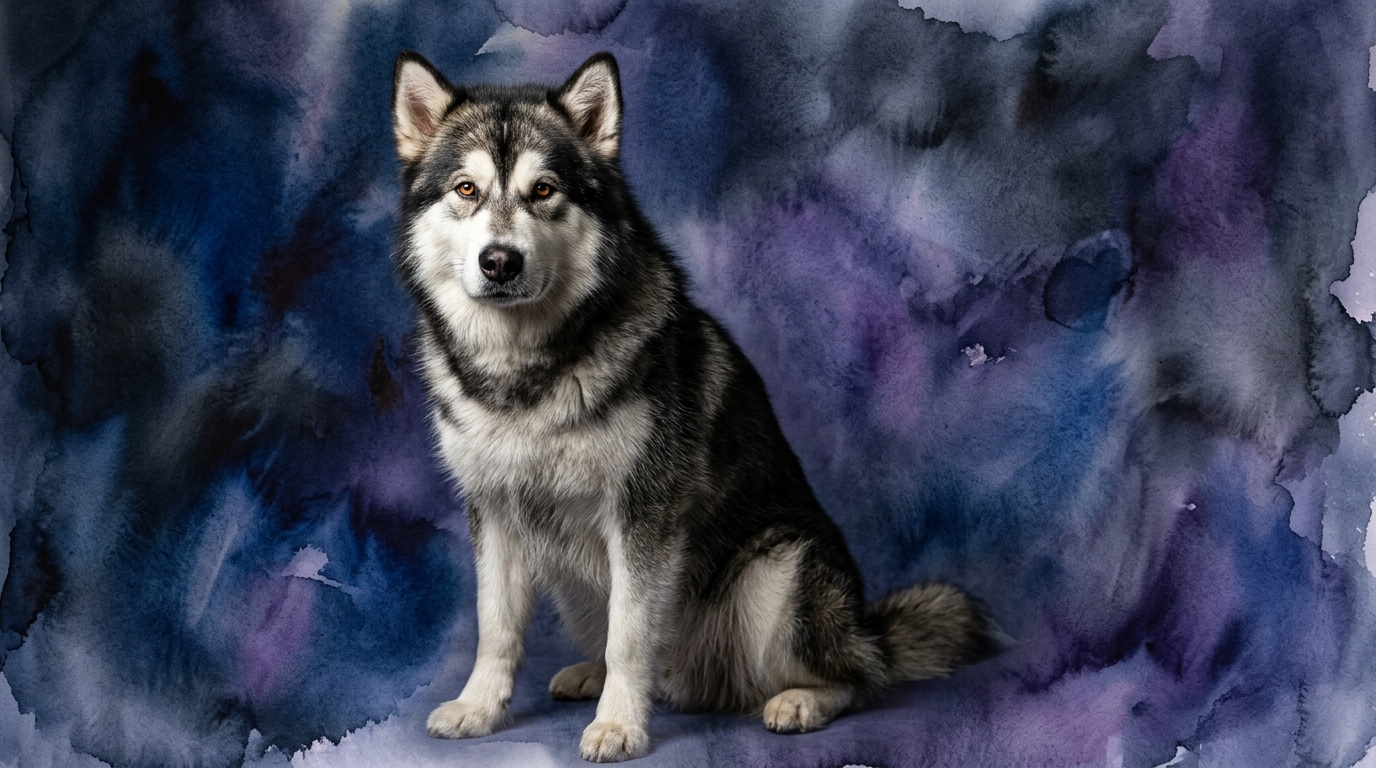
The Alaskan Malamute, a Working breed ranked #50 by Coren, demonstrates a distinctive cognitive makeup. Their Problem Solving ability is rated 4/5, indicating a strong capacity for independent thought and navigating complex situations, often with self-serving motives. Training Speed is 2/5, reflecting a significant independent streak that can make them less eager to comply with human directives quickly. Social Intelligence stands at 3/5, suggesting they understand pack dynamics and human bonds but may prioritize their own instincts. Their Instinctive Drive is a commanding 5/5, rooted in a powerful desire to pull, explore, and engage with their environment. Finally, their Memory is 4/5, allowing them to retain important information about their surroundings and routines.
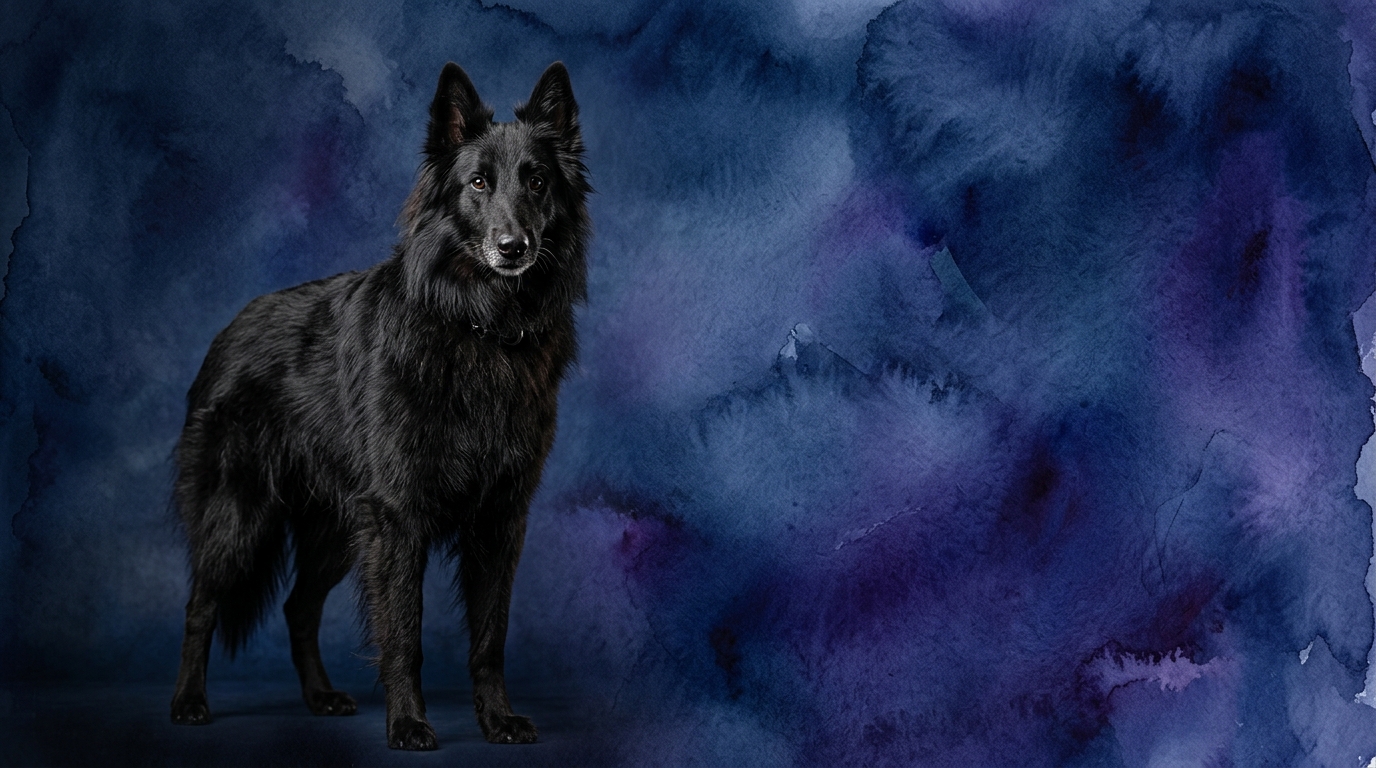
In contrast, the Belgian Sheepdog (Groenendael), a Herding breed ranked #15 by Coren, presents a different set of cognitive strengths. Their Problem Solving ability is a top-tier 5/5, showcasing an exceptional capacity for analysis and devising solutions in dynamic scenarios. Training Speed is also 5/5, indicating a remarkable aptitude for quickly learning and executing new commands and behaviors, driven by a strong desire to cooperate. Social Intelligence is 3/5, similar to the Malamute, meaning they are responsive to family but can be reserved with strangers. Their Instinctive Drive is 3/5, channeled into herding and focused work rather than sheer endurance. A standout trait is their Memory, rated 5/5, demonstrating an outstanding ability to recall complex sequences and an extensive repertoire of learned tasks.
Where the Alaskan Malamute's Cognition Shines
The Alaskan Malamute excels in cognitive areas demanding independence, endurance, and self-reliance, directly reflecting their heritage as sled dogs built for vast, challenging landscapes. Their 5/5 Instinctive Drive translates into an unparalleled ability to maintain focus on sustained physical tasks, such as pulling heavy loads over long distances, often in extreme conditions. This isn't just brute force; it's a cognitive commitment to a goal that few other breeds can match, requiring consistent self-motivation.
Furthermore, their 4/5 Problem Solving skill is particularly evident when navigating complex, unpredictable environments without constant human direction. A Malamute might cleverly figure out how to bypass an obstacle on a trail or locate a hidden resource, not necessarily to please a handler, but to achieve their own objective. This type of practical, autonomous problem-solving, combined with their 4/5 Memory for routes and resources, makes them incredibly resourceful companions for adventurers who appreciate a dog capable of making independent judgments when necessary.
Where the Belgian Sheepdog (Groenendael) Demonstrates Cognitive Superiority
The Belgian Sheepdog (Groenendael) truly shines in areas demanding precision, rapid learning, and a deep understanding of complex commands, hallmarks of a top-tier working and performance dog. Their 5/5 Training Speed is unmatched, allowing them to absorb new information and behaviors with astonishing quickness. This isn't merely rote memorization; it's an eagerness to process and integrate new instructions, making them highly adaptable to varied training regimens from obedience to agility.
Coupled with their 5/5 Problem Solving and 5/5 Memory, the Groenendael can master intricate sequences and multi-step tasks with remarkable accuracy and recall. They excel at understanding patterns and anticipating next steps, whether in a herding scenario or an advanced dog sport routine. This cognitive synergy allows them to not just perform tasks, but to genuinely comprehend the underlying structure of their work, making them exceptional partners for handlers who enjoy pushing the boundaries of canine performance and learning.
Training Dynamics: Ease and Behavioral Differences
When it comes to ease of training, the Belgian Sheepdog (Groenendael) holds a clear advantage. Their 5/5 Training Speed and 5/5 Memory mean they pick up new commands and routines almost instantaneously and retain them reliably. They possess an innate desire to cooperate and respond to their handler, thriving on structure and consistency. This makes them highly rewarding for owners who enjoy precision training and dog sports, as they readily engage in complex lessons and aim to please.
The Alaskan Malamute, however, presents a more significant training challenge due to their 2/5 Training Speed and powerful 5/5 Instinctive Drive for independence. They are not inherently motivated by a desire to please and often have their own agenda. While capable of learning (4/5 Problem Solving, 4/5 Memory), their strong will means training requires exceptional patience, creative motivation, and understanding that they are partners, not subordinates. Owners must work to channel the Malamute's independent problem-solving skills and immense drive into desired behaviors, which often means finding ways to make training personally rewarding for the dog, rather than relying solely on compliance.
Owner Suitability: Active vs. Engaged Lifestyles
Neither the Alaskan Malamute nor the Belgian Sheepdog (Groenendael) are suitable for truly relaxed owners; both breeds demand significant engagement, but the nature of that engagement differs profoundly. The Alaskan Malamute thrives with active owners who embrace an adventurous, outdoor-oriented lifestyle. They need daily, vigorous exercise that ideally taps into their powerful instinctive drive for pulling and endurance, such as skijoring, canicross, or long hikes. Owners must appreciate their independent nature and be prepared for a dog that, while loyal, also possesses a strong will and requires consistent, patient guidance rather than strict obedience.
The Belgian Sheepdog (Groenendael) is best suited for highly engaged owners who are committed to providing consistent mental and physical stimulation through structured activities. These dogs excel in dog sports like agility, obedience, protection work, or herding, where their rapid training speed, problem-solving abilities, and excellent memory can be fully utilized. They require an owner who enjoys the process of teaching and refining behaviors, offering a partnership built on mutual focus and a desire for accomplishment. A Groenendael without a 'job' or sufficient mental challenge can become bored and develop undesirable behaviors, making them unsuitable for owners seeking a purely decorative companion.
The Verdict
Choose the Alaskan Malamute if you seek an independent, resilient companion for demanding outdoor endurance activities, and you are prepared to patiently guide a strong-willed dog who thrives on self-directed exploration.
Choose the Belgian Sheepdog (Groenendael) if you desire a highly responsive, versatile partner for dog sports or complex training, and you are committed to providing consistent mental and physical challenges through structured activities.
🧠 Find Your Pet's IQ Score
Our Pet IQ Lab assessment covers 25+ tests across 5 cognitive dimensions — personalized to your breed.
Take the Full IQ Test →Frequently Asked Questions
Are Alaskan Malamutes truly stubborn, or is it something else?
Alaskan Malamutes are often perceived as stubborn due to their strong independent streak and a lower desire to please compared to some breeds. Their 2/5 training speed rating reflects this; they are capable of learning but often require more motivation and patience, as they prioritize their own instincts and problem-solving over immediate compliance.
Do Belgian Sheepdogs (Groenendaels) really need a 'job' to be content?
Yes, Belgian Sheepdogs (Groenendaels) genuinely benefit from having a 'job' or consistent mental engagement. Their 5/5 problem-solving and training speed, combined with high memory, mean they thrive on learning and performing complex tasks. Without sufficient mental stimulation, they can become bored, potentially leading to destructive behaviors or excessive barking.
Which breed is better suited for first-time dog owners?
Neither breed is typically recommended for first-time dog owners due to their specific needs. The Alaskan Malamute's independence and training challenges require experienced handling, while the Belgian Sheepdog's intense need for mental stimulation and structured training also demands a committed, knowledgeable owner. Both require significant dedication and understanding of their distinct cognitive profiles.