Side-by-Side Cognitive Profiles
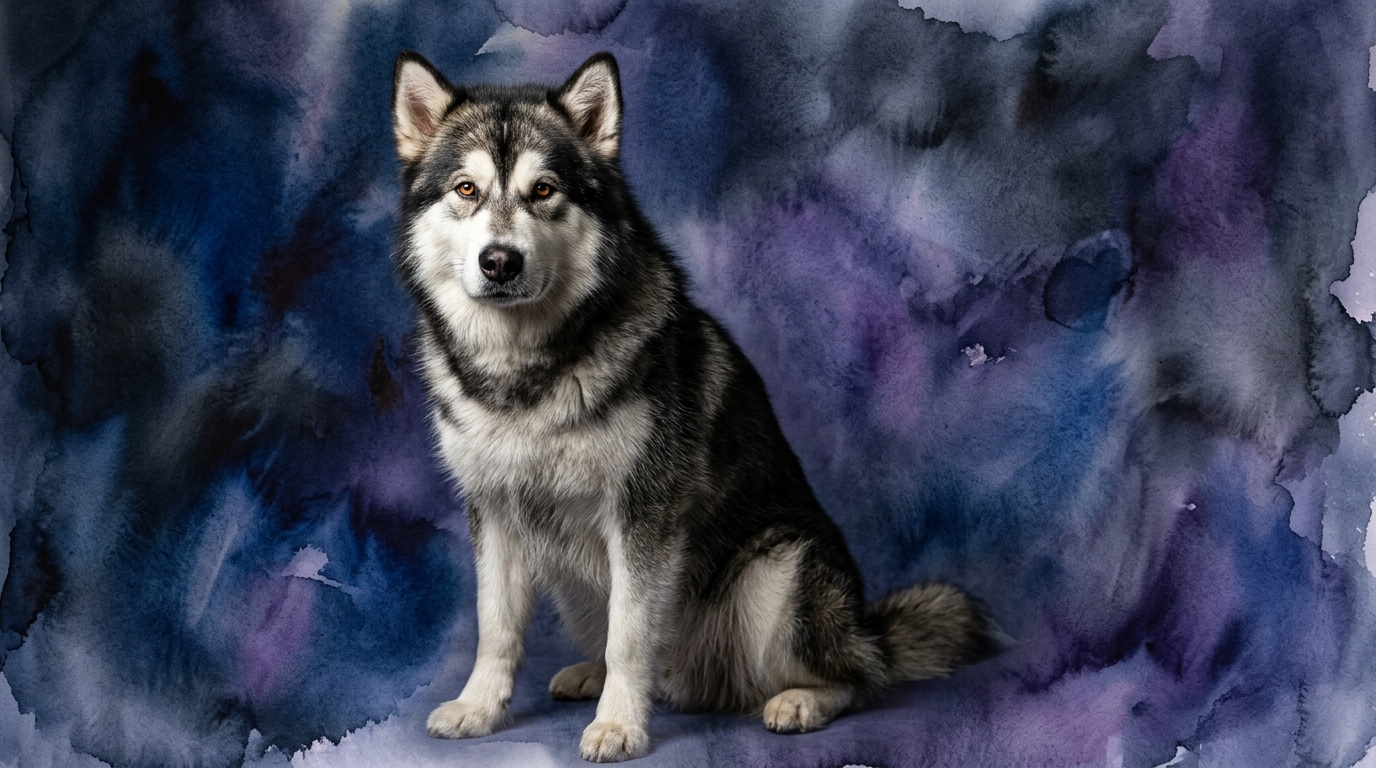
The Alaskan Malamute, ranked #50 by Coren for obedience and working intelligence, possesses a unique cognitive makeup tailored for endurance and independent decision-making in harsh environments. Their Problem Solving is rated 4/5, indicating a resourceful ability to figure out complex situations and achieve goals independently, often in novel ways. Training Speed is 2/5, reflecting an independent spirit that can be slow to respond to repetitive commands, preferring to collaborate rather than simply obey. Social Intelligence stands at 3/5; they form strong bonds with their immediate family but can be reserved or even aloof with strangers, understanding pack dynamics deeply. Their Instinctive Drive is a powerful 5/5, encompassing an intense urge for pulling, hunting, and exploring, demanding significant outlets. Memory is rated 4/5, allowing them to retain learned behaviors, routes, and experiences over long periods with impressive accuracy.
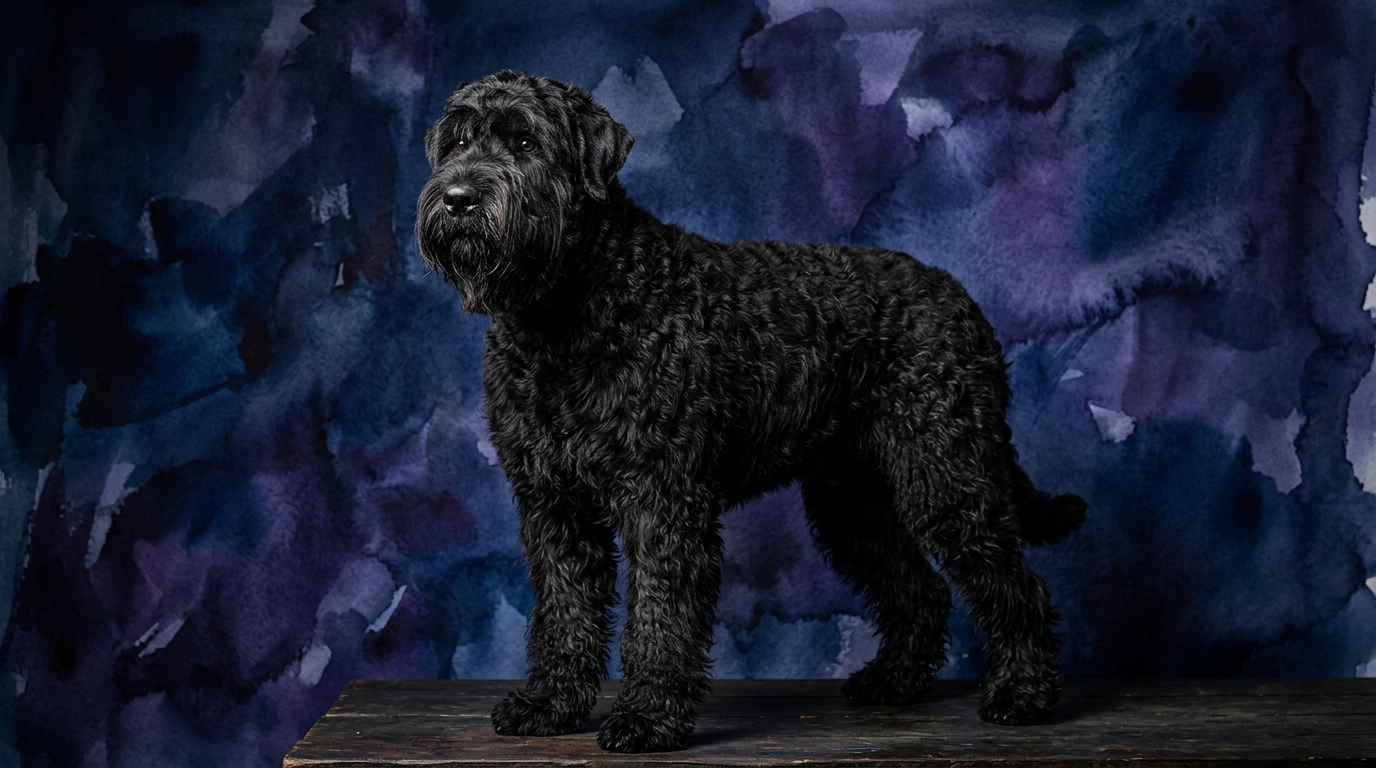
The Black Russian Terrier, while not appearing on Coren's traditional ranking, demonstrates a different yet equally capable cognitive profile, bred for protection and service in varied conditions. Their Problem Solving is 3/5, indicating they are capable of navigating complex situations and learning effective strategies, though they might rely more on established patterns than spontaneous innovation compared to the Malamute. Training Speed is 3/5, signifying a responsive and capable learner who can acquire new commands at a moderate and consistent pace, showing a good work ethic. Social Intelligence is 3/5; they form profound bonds with their family, exhibiting protective instincts, and are typically reserved and discerning with outsiders, reading social cues reliably. Their Instinctive Drive is 3/5, a moderate level focused on guarding and protection rather than high prey drive or endurance pulling, making them less prone to wanderlust. Memory is 3/5, demonstrating good retention of training, routines, and recognition of familiar people and places.
Where the Alaskan Malamute Wins Cognitively
The Alaskan Malamute distinguishes itself with a superior Problem Solving score of 4/5, surpassing the Black Russian Terrier's 3/5. This translates to an inherent ingenuity, making Malamutes adept at independent strategizing, whether it's figuring out how to open a seemingly secure gate or devising a method to access a coveted treat. Their cognitive strength lies in their ability to approach novel challenges without constant human direction, often finding creative solutions through trial and error.
Furthermore, the Malamute’s Instinctive Drive, rated an exceptional 5/5 compared to the BRT’s 3/5, provides an unparalleled cognitive persistence for endurance activities. This isn't merely physical stamina; it's the mental fortitude and deep-seated motivation to pull heavy loads over vast distances or to track scents with unwavering focus. Their superior Memory (4/5 versus 3/5) also provides an edge in recalling complex routes, navigating challenging terrains, and retaining sequences of actions essential for their demanding working roles, making them less reliant on frequent refreshers for ingrained tasks.
Where the Black Russian Terrier Wins Cognitively
The Black Russian Terrier's cognitive strengths shine in areas demanding consistency and a more direct response to instruction. Their Training Speed, rated 3/5, is a distinct advantage over the Malamute's 2/5. This higher receptiveness means BRTs generally acquire new commands and tasks more predictably and with fewer repetitions, making their learning curve smoother for structured obedience and specialized roles. While not lightning-fast, their consistent pace is a significant asset for trainers seeking reliable progression.
Moreover, the BRT's moderate Instinctive Drive of 3/5, while lower than the Malamute's, can be a cognitive benefit in specific contexts. This less intense drive means they are generally less prone to intense prey distractions or wanderlust, allowing for greater focus on handler-directed tasks within a controlled environment. Their social intelligence, while rated similarly at 3/5, is acutely tuned for discerning threats and protecting their family unit, implying a nuanced cognitive understanding of social boundaries and protective responsibilities that is highly valued in their guardian role.
Trainability: Malamute vs. BRT
When considering ease of training, the Black Russian Terrier generally presents a more straightforward path compared to the Alaskan Malamute. The BRT's Training Speed of 3/5 reflects a willingness to engage and respond to commands, often eager to form a cooperative working relationship. Their moderate Instinctive Drive (3/5) means they are less likely to be sidetracked by powerful urges to explore or chase, allowing for more focused training sessions. BRTs thrive on clear, consistent methods and positive reinforcement, building a strong foundation of obedience and task completion with reliable effort.
In contrast, the Alaskan Malamute's Training Speed of 2/5 highlights their inherent independence and a tendency to question the utility of commands. These dogs are not unintelligent, but their self-reliant nature, forged by centuries of working autonomously, means they require immense patience, creativity, and a deep understanding of their motivations. Their potent Instinctive Drive (5/5) can be a significant distraction, as a captivating scent or the urge to explore will often override a command. Training a Malamute is less about strict obedience and more about building a partnership, convincing them that following your lead is mutually beneficial, a process that can be more time-consuming and challenging.
Suitability for Active vs. Relaxed Owners
For owners with an intensely active lifestyle, the Alaskan Malamute is an ideal, though demanding, companion. Their exceptional Instinctive Drive (5/5) means they thrive on rigorous physical and mental challenges such as long-distance hiking, pulling sports like canicross or skijoring, and extensive outdoor exploration that taps into their problem-solving abilities. An owner who can provide several hours of structured, engaging activity daily will find a Malamute to be a fulfilled and content partner. Without these outlets, their unmet cognitive and physical needs can manifest as destructive behaviors or persistent attempts to escape and create their own adventures.
While neither breed is suited for a truly 'relaxed' owner, the Black Russian Terrier might be marginally more adaptable to a less extreme, though still active, lifestyle. Their moderate Instinctive Drive (3/5) means they require consistent daily exercise and mental stimulation but typically do not possess the Malamute's relentless need for endurance-based work. BRTs will thrive with structured walks, engaging playtime, and training sessions that challenge their intellect, making them suitable for owners who are active and committed but perhaps not seeking a partner for extreme wilderness expeditions. They still need significant engagement to prevent boredom and ensure their well-being.
The Verdict
Choose the Alaskan Malamute if you seek an independent, highly resourceful companion for endurance activities and can commit to extensive, patient training that respects their self-sufficient spirit.
Opt for the Black Russian Terrier if you desire a protective, trainable partner for family life and structured activities, valuing their moderate drives and consistent learning pace.
🧠 Find Your Pet's IQ Score
Our Pet IQ Lab assessment covers 25+ tests across 5 cognitive dimensions — personalized to your breed.
Take the Full IQ Test →Frequently Asked Questions
Do Alaskan Malamutes truly have a poor memory?
No, the Alaskan Malamute has a memory rating of 4/5, indicating excellent retention of experiences and learned routes. Their strong recall is vital for navigating complex terrains and remembering past interactions, though their independence might make them appear to "forget" commands they deem unnecessary.
Is the Black Russian Terrier less intelligent than the Alaskan Malamute?
Not necessarily "less intelligent," but their cognitive profiles differ, with the Malamute showing higher problem-solving and instinctive drive. The BRT's consistent training speed and moderate drives make it a highly capable and adaptable working dog, just with a different cognitive emphasis.
Why is the Alaskan Malamute’s training speed so low?
The Malamute's training speed of 2/5 reflects their strong independence and self-reliance, traits essential for their original role as sled dogs navigating harsh environments. They are not inherently difficult; rather, they require trainers to engage their intellect and motivation, often questioning the utility of repetitive commands rather than blindly obeying.