Side-by-Side Cognitive Profiles
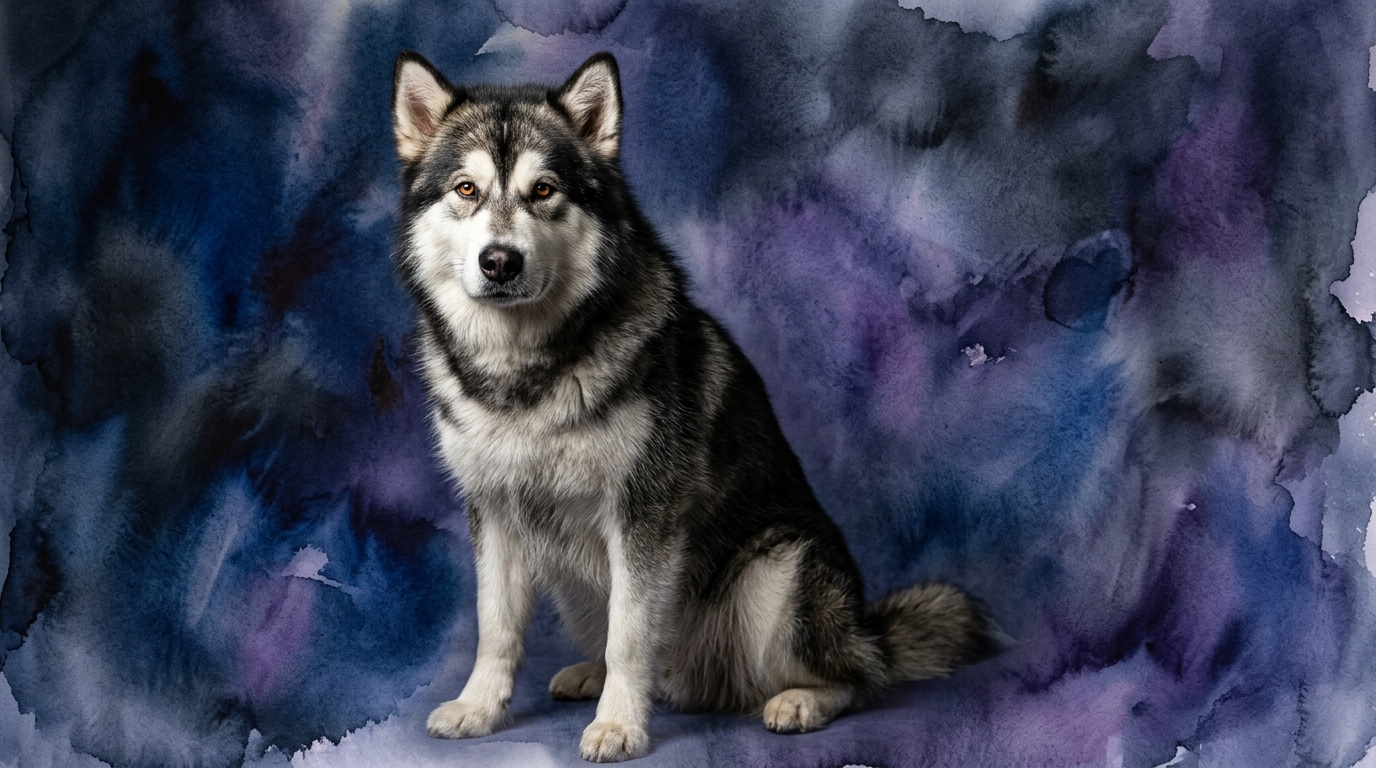
The Cosmic Pet Pet IQ Lab employs a five-dimensional framework to assess canine intelligence, offering a nuanced view beyond simple obedience. For the Alaskan Malamute, a dog from the Working group with a Coren rank of #50, its cognitive breakdown is as follows: Problem Solving 4/5, Training Speed 2/5, Social Intelligence 3/5, Instinctive Drive 5/5, and Memory 4/5. This profile suggests a resourceful, independent thinker with strong physical and navigational aptitudes, who learns at a moderate pace but prioritizes its own agenda.
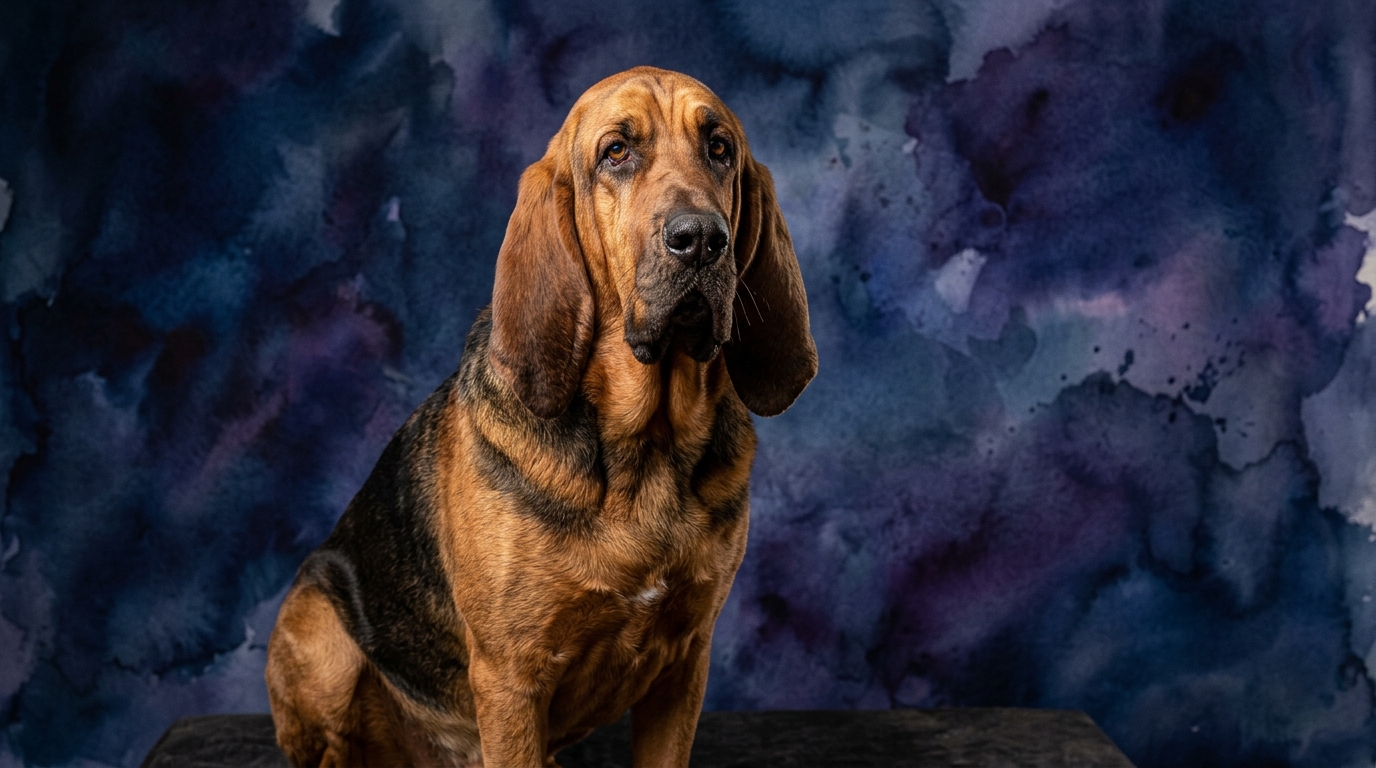
In contrast, the Bloodhound, a Hound group member ranked #74 by Coren, presents a highly specialized cognitive blueprint: Problem Solving 5/5, Training Speed 1/5, Social Intelligence 2/5, Instinctive Drive 5/5, and Memory 5/5. This breed’s scores highlight an unparalleled aptitude for a very specific type of cognitive work, characterized by extraordinary focus and recall within its domain, but a lesser inclination towards human-centric social engagement or rapid obedience acquisition. Their world is profoundly shaped by scent, driving nearly all their cognitive functions.
Where the Alaskan Malamute's Cognition Shines
The Alaskan Malamute generally surpasses the Bloodhound in adaptability to varied human-centric tasks beyond their primary drive. Their Social Intelligence rating of 3/5, compared to the Bloodhound's 2/5, indicates a greater propensity to engage with human social structures and respond to nuanced cues. While both breeds have powerful drives, the Malamute's Problem Solving at 4/5, combined with moderate social awareness, allows them to navigate and manipulate their environment for personal gain in ways a scent-focused Bloodhound might overlook. For example, a Malamute might more readily learn to open a refrigerator for a snack or figure out how to escape a yard by observing human actions, applying a broader range of cognitive strategies to achieve non-scent-related goals. Their cognitive strengths lie in resourceful independence and a pragmatic approach to daily challenges within a domestic setting.
Their Memory score of 4/5 also supports their ability to retain information about their environment and routines, aiding in their capacity for complex navigation and understanding of household rules, even if they sometimes choose to test those boundaries. This broader application of cognitive skills makes them more versatile in adapting to various domestic and working scenarios that do not exclusively involve their inherent pulling or exploring drives.
Where the Bloodhound's Cognition Dominates
The Bloodhound’s cognitive superiority manifests in its specialized, profound ability to process and remember olfactory information. With a perfect 5/5 in both Problem Solving and Memory, specifically within the realm of scent, they are unmatched. Their problem-solving isn't about opening gates but about dissecting a complex scent puzzle, following minute traces over miles, through water, and across diverse surfaces, ignoring all other stimuli. This singular focus and memory for scent profiles allow them to distinguish individual human trails amidst a cacophony of other odors, a feat requiring immense cognitive processing power and recall that goes far beyond general environmental awareness.
Their instinctive drive (5/5) is entirely channeled into this specialized domain, making them the ultimate cognitive specialists in trail discernment and persistence. This deep specialization means their brain is wired to prioritize and excel at one specific task above all others, making them the gold standard for tracking and scent work. Their cognitive prowess lies in the sheer depth and unwavering commitment to following a trail, a mental fortitude that few other breeds can replicate.
Ease of Training: A Tale of Two Drives
Between these two, the Alaskan Malamute, despite its independent streak, generally presents an easier training prospect than the Bloodhound. The Malamute's Training Speed of 2/5, while not high, is still double the Bloodhound's 1/5. This difference stems from their distinct cognitive priorities. Malamutes possess a moderate level of social intelligence (3/5) and a problem-solving capacity (4/5) that, while often self-directed, can be channeled with consistent, positive reinforcement. They learn commands and routines, even if they sometimes choose when to apply them. Their memory (4/5) also aids in retaining learned behaviors, even if their strong instinctive drive (5/5) for exploration can sometimes override compliance.
The Bloodhound, conversely, is profoundly driven by its olfactory world. Their superb problem-solving and memory are almost exclusively dedicated to scent work, making it incredibly difficult to divert their attention to traditional obedience. Their low social intelligence (2/5) means they are less attuned to human desires for compliance, and their relentless instinctive drive (5/5) for tracking often overrides any desire to please their handler during a training session not centered on scent. Training a Bloodhound requires immense patience, creativity, and often integrating scent-based rewards to capture their attention, as their internal motivation is overwhelmingly geared towards following a trail. Their cognitive makeup simply prioritizes a different set of tasks.
Matching Breeds to Owner Lifestyles
Both breeds demand active engagement, but in different forms, making neither truly suitable for relaxed owners seeking a low-maintenance companion. The Alaskan Malamute, with its 5/5 Instinctive Drive for pulling and exploration, thrives with owners who can provide consistent, vigorous physical activity. This includes long hikes, sledding, or carting, which satisfy their need for purpose-driven work and mental stimulation related to navigation and endurance. An owner who enjoys outdoor adventures and can commit to daily, structured exercise will align well with a Malamute's cognitive and physical needs, preventing boredom and potential destructive behaviors.
The Bloodhound also requires an active owner, but one focused on mental rather than purely physical exertion. Their 5/5 Instinctive Drive is singularly focused on scent work, meaning they need opportunities to engage their extraordinary olfactory problem-solving and memory. This translates to owners willing to dedicate time to scent training, tracking, or participation in nose work sports. A Bloodhound can walk for miles, but if those miles don't involve a scent trail to follow, their cognitive needs remain unmet. For a Bloodhound, a “relaxed” owner who doesn't provide outlets for their powerful nose will find themselves with a frustrated and potentially vocal companion. Neither breed is a couch potato; their activity needs are just channeled differently, reflecting their distinct cognitive priorities.
The Verdict
Opt for an Alaskan Malamute if you seek an independent, resourceful companion for active outdoor pursuits like hiking or sledding, and are prepared for a dog that learns quickly but may selectively apply its training based on its own motivations.
Select a Bloodhound if you are captivated by their unparalleled scenting abilities and are committed to engaging their profound olfactory drive through consistent tracking activities, understanding that traditional obedience will be a significant, patient challenge.
🧠 Find Your Pet's IQ Score
Our Pet IQ Lab assessment covers 25+ tests across 5 cognitive dimensions — personalized to your breed.
Take the Full IQ Test →Frequently Asked Questions
Do Alaskan Malamutes or Bloodhounds vocalize more?
Alaskan Malamutes are known for their distinct "woo-woo" sounds, howls, and general vocal tendencies, often communicating their desires or responding to stimuli. Bloodhounds, while not typically howlers, are famous for their deep, resonant baying, especially when on a scent trail or when expressing strong emotions, which can be quite loud and persistent.
Are Alaskan Malamutes good family pets, given their social intelligence?
Alaskan Malamutes can be good family pets, especially with proper socialization and training, as their 3/5 social intelligence allows them to form strong bonds. They generally do well with older, respectful children who understand how to interact with a large, independent dog, but their strong prey drive means careful supervision around smaller pets is essential.
How does the Coren rank reflect the IQ scores for these breeds?
The Coren rank primarily assesses "working intelligence" or obedience and training ability, where a lower number indicates faster learning. The Alaskan Malamute's rank of #50 aligns with its 2/5 training speed, indicating moderate trainability. The Bloodhound's rank of #74 reflects its 1/5 training speed, highlighting its significant independence and specialized cognitive focus, which makes traditional obedience more challenging.