Side-by-side IQ profile
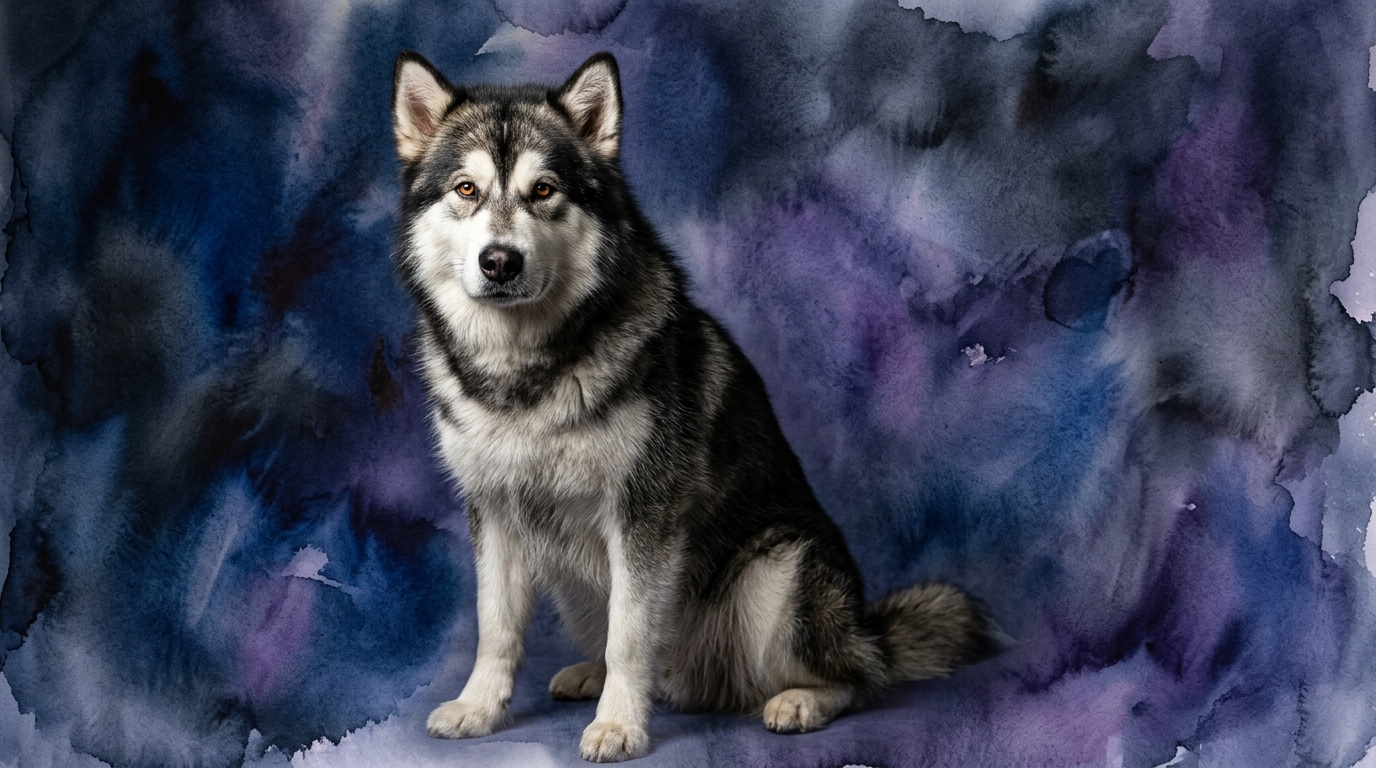
The Alaskan Malamute, ranked #50 by Coren for working intelligence, presents a cognitive makeup honed for survival and arduous tasks in harsh environments. Their Problem Solving is rated 4/5, reflecting a significant capacity for independent thought and figuring out complex environmental challenges, often to achieve their own self-determined goals, such as finding a way to a tempting scent or opening an unsecured gate. Training Speed, at 2/5, indicates a slower learning pace for formal obedience, not due to a lack of understanding, but rather a strong independent streak that frequently questions the necessity or immediate benefit of compliance. Social Intelligence, rated 3/5, suggests they are capable of reading human and canine cues but often prioritize their own agenda over strict human direction. Their Instinctive Drive is exceptionally strong at 5/5, manifesting as a deep-seated desire to pull, roam, and make decisions autonomously, which is crucial for a breed bred to navigate vast territories. Memory, at 4/5, supports their complex problem-solving and navigation skills, allowing them to recall intricate routes and learned strategies over time.
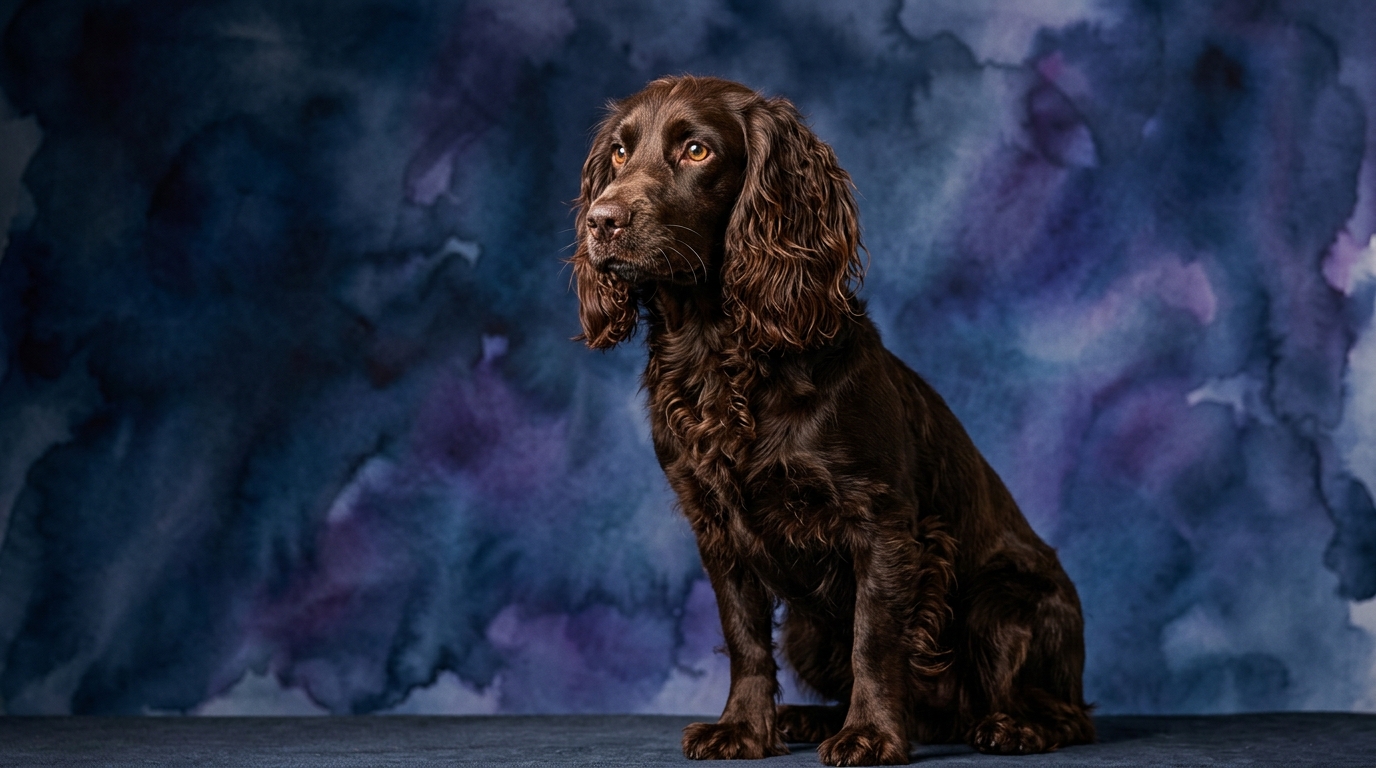
The Boykin Spaniel, not specifically ranked by Coren but valued for its specialized working abilities, exhibits a cognitive profile tailored for cooperative retrieving tasks. Their Problem Solving is rated 3/5, showing a respectable ability to learn and execute tasks, particularly those involving retrieving birds from various terrains, though they may be less inclined to innovate novel solutions independently outside of their working context. Training Speed, at 3/5, places them at an average pace, generally responsive to consistent instruction and positive reinforcement, making them amenable to learning specific commands and routines. Social Intelligence, also 3/5, indicates a good understanding of human communication and a clear desire to interact, often seeking collaboration in tasks that involve their handler. Their Instinctive Drive, rated 3/5, is moderately strong and primarily focused on their retrieving and water-fowling heritage, demonstrating a keen interest in working alongside handlers to fulfill their natural purpose. Memory, at 3/5, is sufficient for retaining a broad range of commands and learned behaviors, crucial for their role as efficient working gundogs.
Where Alaskan Malamute wins cognitively
The Alaskan Malamute's cognitive advantages are rooted in their capacity for robust independence and self-directed action. Their superior Problem Solving (4/5) allows them to assess novel situations and devise unique strategies, whether it involves figuring out how to bypass an obstacle or remembering a specific path to a desired resource. This cognitive flexibility, combined with a robust Memory (4/5), means they can retain complex spatial information and apply past experiences to new challenges, making them adept at navigating intricate environments or recalling successful strategies for achieving their aims. Furthermore, their unparalleled Instinctive Drive (5/5) isn't just about physical exertion; it underpins their profound self-reliance and the inherent ability to make independent decisions in challenging, isolated conditions, a distinct cognitive advantage in survival-oriented tasks where human guidance might be absent.
Where Boykin Spaniel wins cognitively
The Boykin Spaniel's cognitive strengths shine particularly in areas requiring consistent responsiveness and collaborative effort, making them exceptionally effective partners in specific roles. Their Training Speed (3/5) surpasses the Malamute's, indicating a more direct and efficient uptake of formal commands and routines. While not as prone to independent innovation, their moderate Instinctive Drive (3/5) is finely tuned for partnership in retrieving tasks, making them exceptionally focused on working in sync with their handler. This drive, coupled with their balanced Social Intelligence (3/5) and Memory (3/5), contributes to a more harmonious and predictable learning experience. They are generally eager to please and retain commands efficiently when guided, allowing them to excel in roles requiring precise execution and reliability rather than autonomous decision-making.
Which is easier to train and why
The Boykin Spaniel generally presents a more straightforward and less challenging training experience compared to the Alaskan Malamute. The Boykin's Training Speed (3/5) indicates they absorb instructions at an average, steady pace, often motivated by a strong desire to work alongside their human companions and receive positive reinforcement. Their moderate Instinctive Drive (3/5) is channeled towards cooperative tasks like retrieving and following direction, making them inherently receptive to commands that align with their natural inclinations. In contrast, the Alaskan Malamute's Training Speed (2/5) is notably slower for formal obedience, not because of an inability to learn, but largely due to their powerful Instinctive Drive (5/5) which fosters intense independence and a tendency to prioritize their own judgment over human directives. This means Malamutes often require many more repetitions, creative motivation, and a handler who understands their inherent drive for self-determination, making training a test of consistent leadership, patience, and a willingness to engage with a highly self-motivated learner rather than expecting blind compliance.
Which suits active owners vs relaxed owners
The Alaskan Malamute unequivocally suits highly active owners who thrive on outdoor adventures and possess the dedication for consistent mental and physical engagement. Their profound Instinctive Drive (5/5) for pulling, roaming, and making independent decisions demands extensive, structured exercise and stimulating tasks, making them unsuitable for a sedentary lifestyle or owners seeking a low-maintenance companion. These dogs require an owner who understands their need for purpose and who can provide outlets for their powerful natural drives, such as dog sledding, canicross, or long-distance hiking. Conversely, the Boykin Spaniel is a better fit for active owners who enjoy structured activities like hunting, agility, or regular vigorous walks, but who might not require the extreme endurance and independent spirit of a Malamute. While they appreciate consistent activity, their moderate Instinctive Drive (3/5) and cooperative nature make them more adaptable to varied activity levels, including periods of relaxation and family interaction, making them a more versatile choice for owners who enjoy activity but also value downtime and a more biddable companion.
The Verdict
Choose the Alaskan Malamute if you are an experienced, highly active owner who values an independent, problem-solving companion for demanding outdoor adventures and can commit to extensive, consistent training and mental stimulation.
Opt for the Boykin Spaniel if you seek a cooperative, energetic partner for field activities or active family life, appreciating a breed that is generally more amenable to training and thrives on collaborative engagement.
🧠 Find Your Pet's IQ Score
Our Pet IQ Lab assessment covers 25+ tests across 5 cognitive dimensions — personalized to your breed.
Take the Full IQ Test →Frequently Asked Questions
Does a lower training speed score mean a dog is less intelligent?
Not at all; a lower training speed score, as seen in the Malamute, often indicates a breed with strong independent thought and a greater need for motivation or a deeper understanding of the "why" behind commands, rather than a lack of cognitive capacity. Their slower compliance is usually tied to their self-reliant nature, not an inability to learn.
How does Instinctive Drive impact a dog's daily behavior?
Instinctive Drive significantly shapes a dog's motivation and natural behaviors. For a Malamute, a high drive means a strong urge to roam, pull, and make independent decisions, requiring careful management; for a Boykin Spaniel, a moderate drive translates to a keen interest in retrieving and working closely with a handler, influencing their play and work preferences.
Can a Boykin Spaniel be as good at problem-solving as an Alaskan Malamute?
While a Boykin Spaniel (3/5) can learn to solve specific tasks, they are generally less inclined to independently innovate solutions to novel problems compared to an Alaskan Malamute (4/5). Malamutes often demonstrate a more pronounced cognitive flexibility in devising new strategies, particularly when motivated by their own strong desires.