Side-by-Side IQ Profile: Alaskan Malamute vs. Bullmastiff
The Cosmic Pet Pet IQ Lab's assessment offers a granular look at the mental faculties of these two breeds, moving beyond general perceptions to specific cognitive strengths.
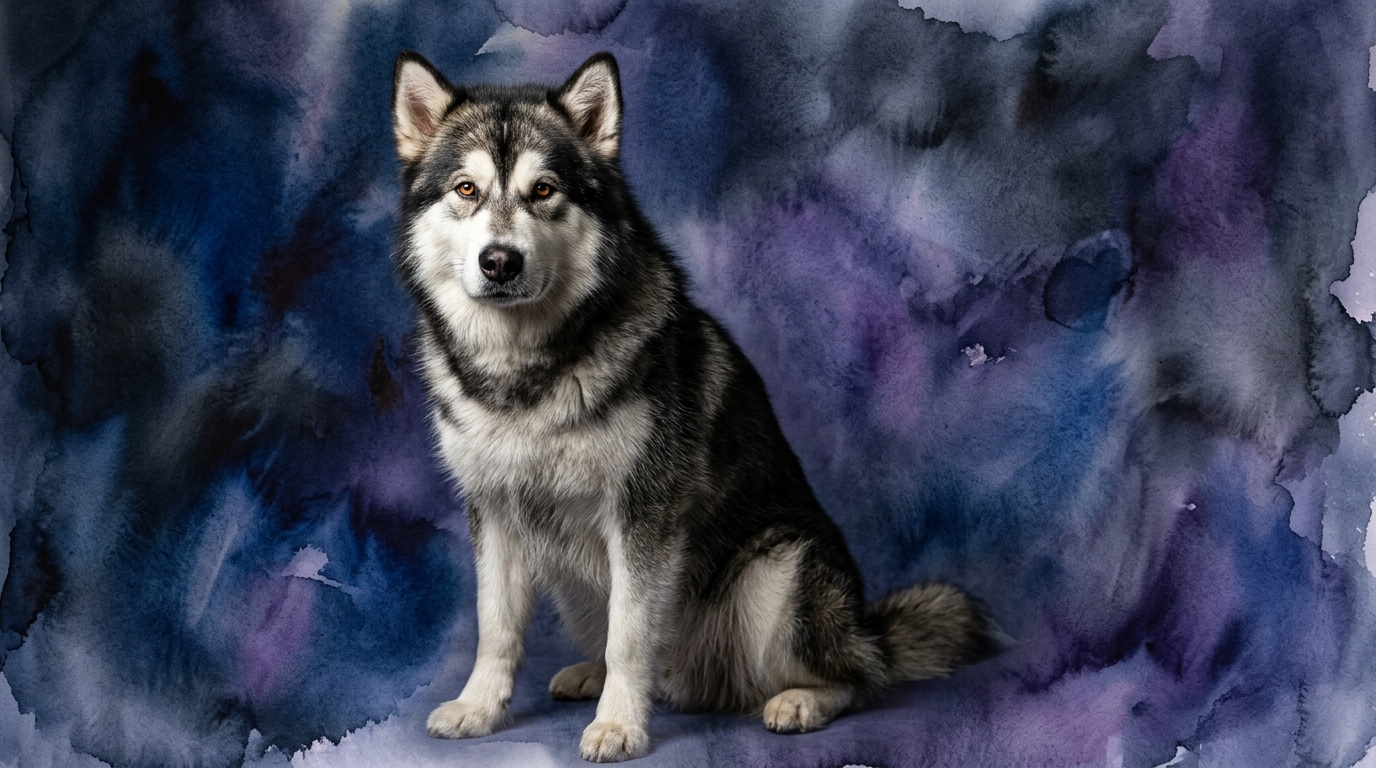
Alaskan Malamute: Ranked #50 on Coren's scale, the Malamute exhibits a compelling blend of cognitive prowess and independent spirit. Their Problem Solving is rated at 4/5, indicating a strong capacity for independent thought and navigating complex scenarios to achieve goals. Memory stands at 4/5, suggesting they retain learned experiences and commands effectively over time. However, their Training Speed is 2/5, reflecting a potential inclination towards independence rather than immediate compliance, often requiring patience and creative motivation. Social Intelligence is 3/5, demonstrating an average ability to interpret human cues and social situations. A defining characteristic is their Instinctive Drive, an impressive 5/5, which fuels their heritage as powerful sled dogs and can manifest as a strong desire to pull, dig, or roam.
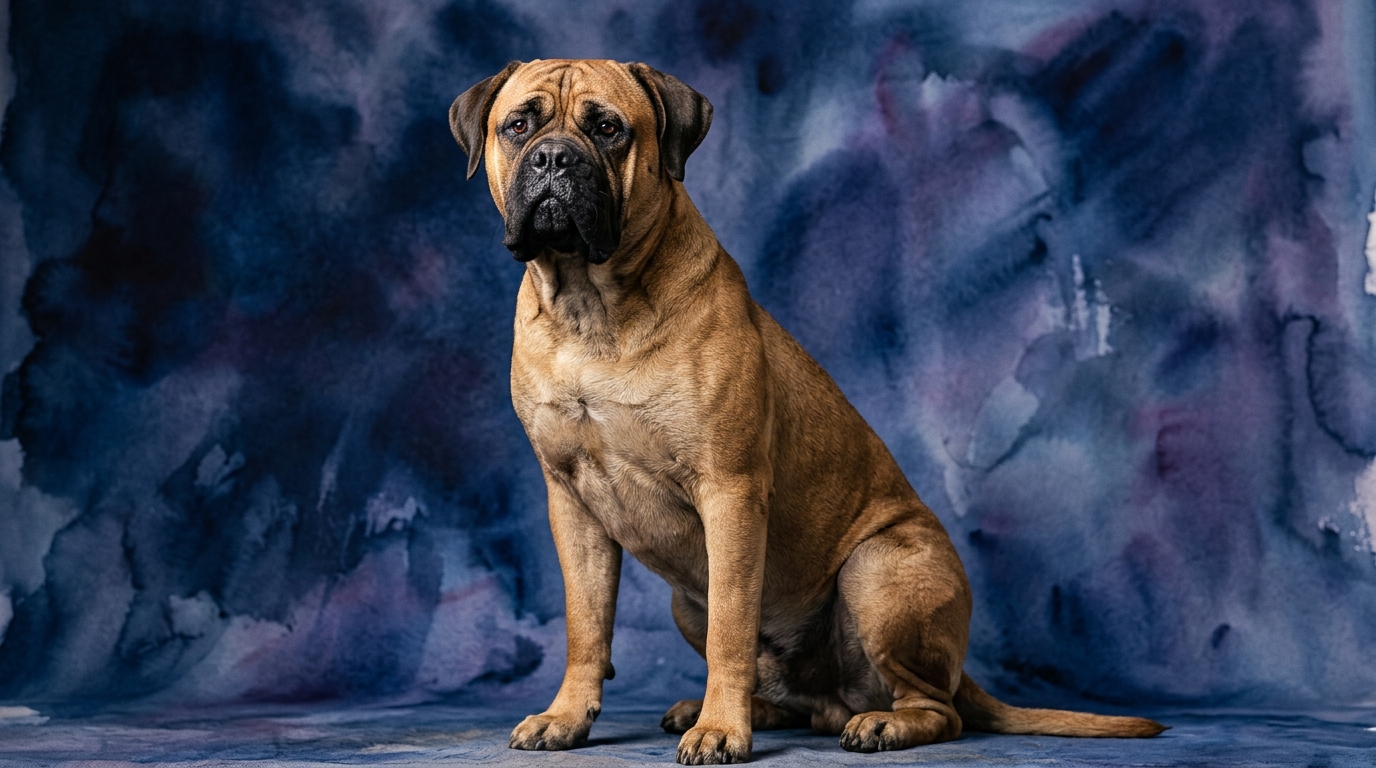
Bullmastiff: Occupying Coren's #69 rank, the Bullmastiff presents a different cognitive blueprint, one often characterized by unwavering loyalty and a watchful nature. Their Problem Solving ability is rated 3/5, indicating competence in navigating common situations but perhaps less inclination for complex, abstract challenges compared to the Malamute. Memory also scores 3/5, suggesting a solid ability to recall training and experiences, though perhaps not with the same depth as the Malamute. Interestingly, their Training Speed is 3/5, indicating a more moderate pace of learning new commands and behaviors, often driven by a desire to please their family. Social Intelligence is 3/5, reflecting a similar capacity to the Malamute for understanding social dynamics. Their Instinctive Drive is 3/5, a balanced score that suggests a moderate expression of innate behaviors, often channeled into their protective instincts rather than a strong urge for physical exertion or independent exploration.
Where the Alaskan Malamute Wins Cognitively
The Alaskan Malamute clearly demonstrates a cognitive edge in areas demanding independent thought and robust recall. Their 4/5 Problem Solving score means they are adept at figuring things out on their own, whether it's opening a gate, locating a hidden treat, or navigating a new trail. This isn't about following instructions but about independent reasoning and strategy formation. Coupled with a 4/5 Memory, a Malamute remembers past successes and failures, allowing them to refine their approaches to challenges over time. This makes them highly effective at learning through experience and retaining complex sequences of actions, even if their initial training requires more patience due to their independent nature.
Furthermore, the Malamute's exceptional 5/5 Instinctive Drive fuels their inherent capabilities. This isn't just about raw energy; it's a deep-seated motivation to engage in activities like pulling, exploring, and scent work. This powerful drive, when channeled appropriately, can make them incredibly focused and resilient in tasks that align with their natural inclinations, such as competitive sledding or endurance sports. Their cognitive strength lies in leveraging this drive to solve practical problems in their environment, making them resourceful and often quite cunning.
Where the Bullmastiff Wins Cognitively
While the Bullmastiff may not exhibit the same independent problem-solving flair, their cognitive strengths lie in areas that foster a strong, reliable partnership. Their Training Speed, at 3/5, surpasses the Malamute's 2/5, indicating a generally more receptive attitude towards learning new commands and behaviors when motivated by their owner. This isn't necessarily about higher raw intelligence, but rather a more compliant disposition and a stronger desire to work with their human, making the initial stages of obedience training often smoother and more rewarding.
The Bullmastiff's balanced Instinctive Drive (3/5) also contributes to their cognitive wins in a domestic setting. Unlike the Malamute's intense drive for independent action, the Bullmastiff's instincts are more centered on protection and companionship. This means less inherent urge to roam or dig extensively, and a greater predisposition to staying close and guarding their territory. Their cognitive profile, therefore, supports a more settled, watchful demeanor, making them inherently better suited for roles requiring steady presence and loyalty rather than constant, high-energy engagement.
Which is Easier to Train and Why
When considering ease of training, the Bullmastiff generally presents a more straightforward path. Their Training Speed of 3/5, combined with a moderate Instinctive Drive (3/5) and a strong desire to please, means they are typically more amenable to traditional obedience methods. A Bullmastiff often responds well to positive reinforcement and consistent guidance, showing a willingness to cooperate and learn new cues without significant resistance. Their behavioral drive leans towards being a steadfast companion, making them less likely to challenge authority or pursue independent agendas during training sessions.
The Alaskan Malamute, despite their high Problem Solving and Memory scores, presents a more significant training challenge due to their 2/5 Training Speed and formidable 5/5 Instinctive Drive. Malamutes are not difficult to train because they can't learn; rather, they often choose not to. Their strong independent streak and deep-seated instincts to pull, explore, and make their own decisions mean they require an owner who understands how to harness their drive and provide compelling reasons to comply. Training a Malamute often involves more creativity, patience, and a deep understanding of their motivations, as they are less inclined to offer automatic obedience compared to the more compliant Bullmastiff. Their intelligence often manifests in figuring out how to get their way, rather than simply following instructions.
Which Suits Active Owners vs. Relaxed Owners
The cognitive and physical demands of these breeds clearly delineate their suitability for different lifestyles. The Alaskan Malamute, with their 5/5 Instinctive Drive and 4/5 Problem Solving, thrives with active owners who can provide consistent mental and physical stimulation. They need outlets for their strong desire to pull, explore, and solve environmental puzzles, making them ideal companions for hikers, runners, or those interested in dog sports like sledding or canicross. Their independent nature and high energy mean they are not content to be couch potatoes; they require engagement that challenges their minds and bodies daily.
Conversely, the Bullmastiff, with a more moderate 3/5 Instinctive Drive and 3/5 Problem Solving, is better suited for relaxed owners seeking a devoted, watchful companion. While they benefit from regular walks and mental enrichment, their cognitive profile leans towards a more settled existence. They are generally content with a comfortable routine and a strong bond with their family, acting as a calm, protective presence. Their moderate energy levels and trainable nature make them excellent choices for families who appreciate a loyal guardian without the intense demands for constant high-impact activity or the need for an owner to outsmart their cunning intellect daily.
The Verdict
Choose an Alaskan Malamute if you are an experienced, active owner who thrives on intellectual challenges and can channel a powerful, independent spirit into productive activities like canine sports or extensive outdoor adventures.
Choose a Bullmastiff if you desire a loyal, protective companion with a more moderate energy level, who is generally more amenable to traditional training and content with a steady, family-focused routine.
🧠 Find Your Pet's IQ Score
Our Pet IQ Lab assessment covers 25+ tests across 5 cognitive dimensions — personalized to your breed.
Take the Full IQ Test →Frequently Asked Questions
Do Alaskan Malamutes understand human emotions better than Bullmastiffs?
Both breeds score 3/5 in Social Intelligence, suggesting a similar average capacity for interpreting human cues and social dynamics. While individuals vary, neither breed inherently possesses a superior ability to discern complex human emotions compared to the other based on these metrics.
Which breed is more likely to escape or wander off?
The Alaskan Malamute, with its 5/5 Instinctive Drive, is significantly more prone to wandering, exploring, and leveraging its 4/5 Problem Solving to overcome barriers. Bullmastiffs, with a 3/5 Instinctive Drive, generally have less wanderlust and prefer to stay close to their home and family.
Is a higher Coren rank always better for a pet owner?
Not necessarily; a higher Coren rank indicates faster understanding of new commands, but it doesn't account for willingness or independent thought. A breed like the Malamute, despite a lower Coren rank than some, possesses high problem-solving skills which can manifest as cunning independence, requiring a different approach from owners.