Side-by-Side Cognitive Profiles
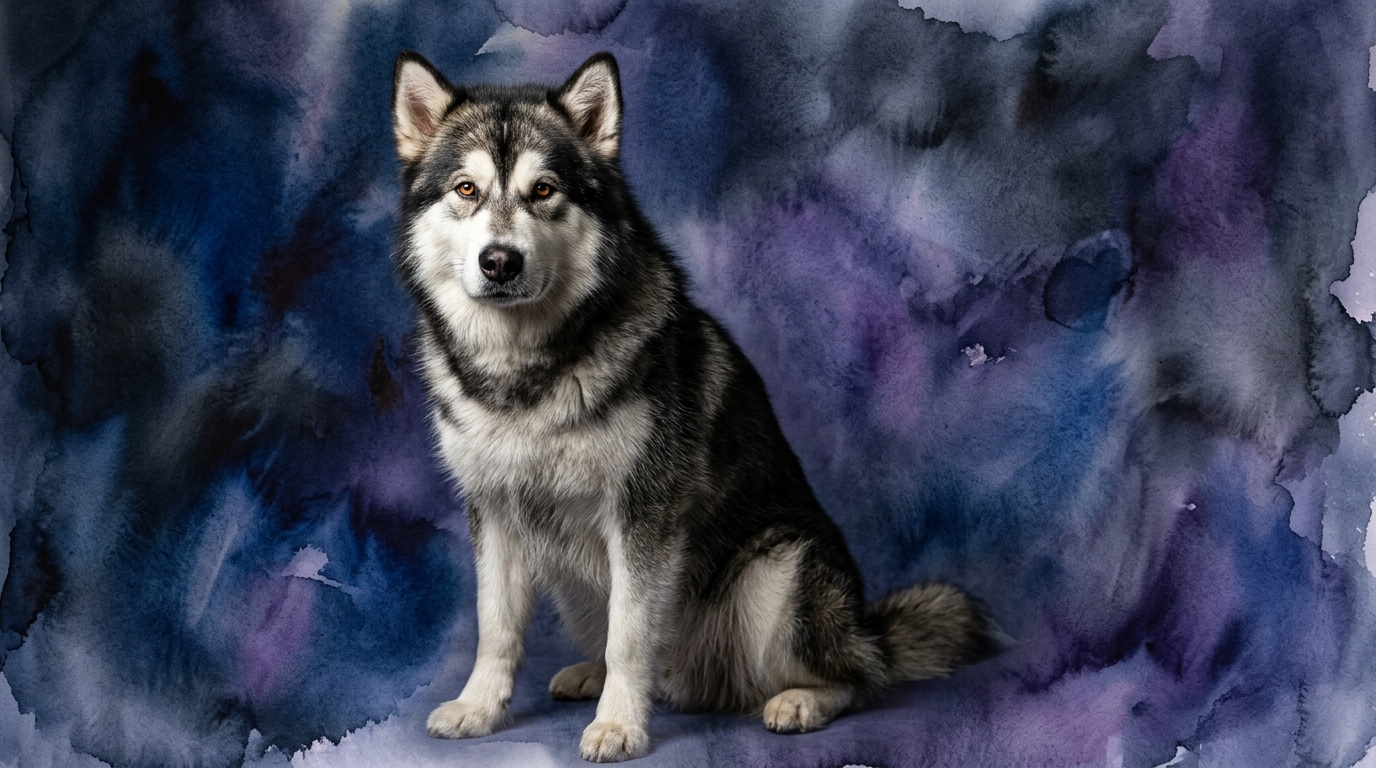
The Cosmic Pet Pet IQ Lab employs a multi-dimensional approach to assess canine cognition, moving beyond simple obedience to understand the nuances of a breed's mental aptitudes. For the Alaskan Malamute, a Working group dog, its profile is shaped by centuries of demanding tasks. Its Problem Solving ability is rated at 4/5, reflecting a capacity for independent thought and navigating complex environmental challenges, crucial for survival in harsh conditions. Training Speed, however, is 2/5; Malamutes are not known for immediate compliance but rather for thoughtful consideration of commands. Social Intelligence stands at 3/5, indicating an understanding of pack dynamics and human intent, but often expressed with a degree of independence rather than eager appeasement. Instinctive Drive is a commanding 5/5, a testament to its powerful inherent motivations for pulling, hunting, and exploring. Finally, its Memory is strong at 4/5, essential for recalling routes, tasks, and social hierarchies.
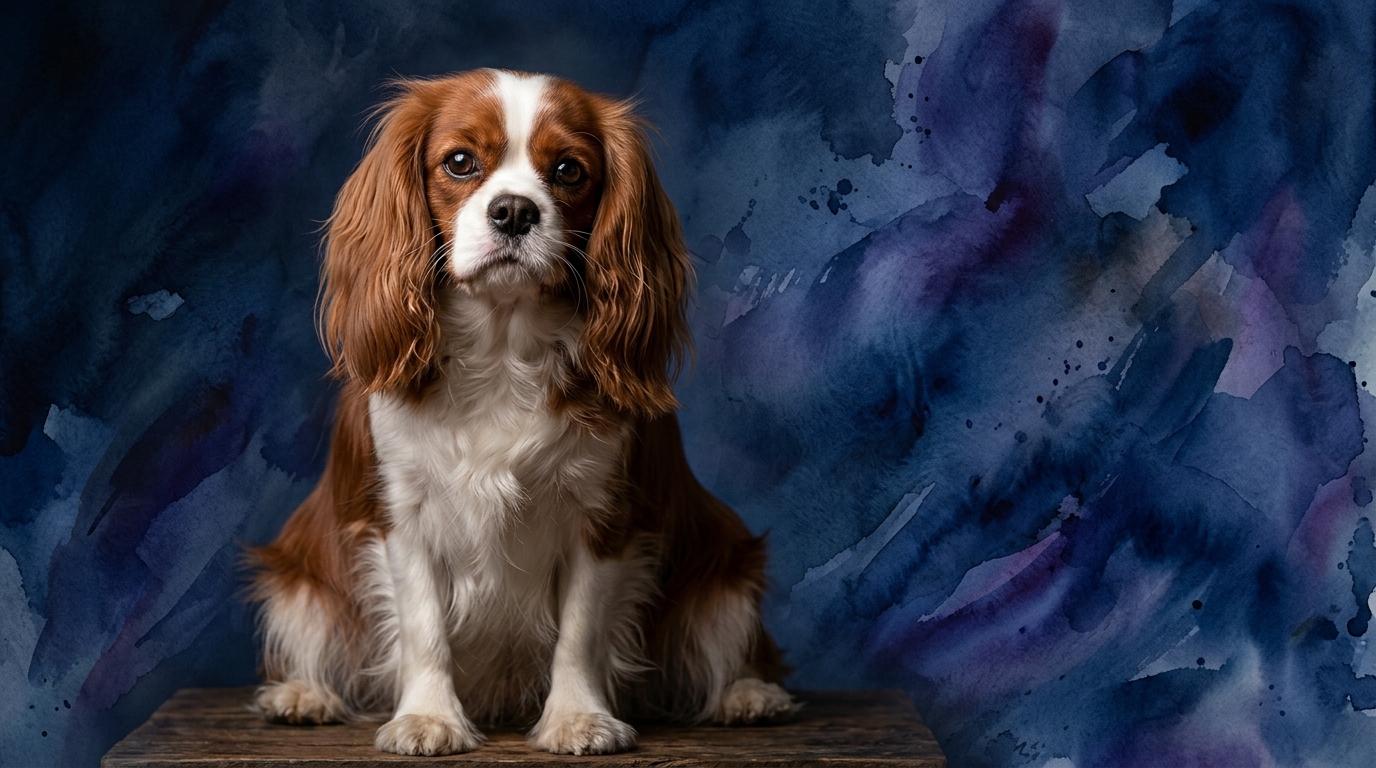
Conversely, the Cavalier King Charles Spaniel, a Toy group dog, exhibits a profile honed for companionship and close human interaction. Its Problem Solving is 3/5, sufficient for navigating household routines and simple puzzles but less geared towards complex, independent tasks. Training Speed is 3/5, demonstrating a moderate willingness to learn and respond to cues, often driven by a desire for connection. Social Intelligence is where the Cavalier truly shines, rated at a remarkable 5/5; these dogs are acutely attuned to human emotions, subtle body language, and the nuances of social situations, making them exceptional companions. Instinctive Drive is 3/5, present but typically expressed in softer forms like seeking comfort or engaging in gentle play, rather than powerful working impulses. Its Memory is 3/5, adequate for recalling daily routines, familiar faces, and learned commands in a domestic setting.
Where the Alaskan Malamute Excels Cognitively
The Alaskan Malamute's cognitive strengths are deeply rooted in its heritage as a powerful sled dog and hunter, demanding a specific kind of mental resilience and ingenuity. Its Problem Solving score of 4/5 means Malamutes possess a robust ability to assess situations and devise solutions, particularly when faced with physical or environmental obstacles. For instance, a Malamute might independently figure out how to open a gate or navigate around a fallen tree on a trail, not out of obedience, but out of a self-driven need to achieve a goal. This manifests as a resourceful and often stubborn determination, which can be both impressive and challenging for owners.
Furthermore, the Malamute's Instinctive Drive, a perfect 5/5, is a profound cognitive asset that fuels its exploratory nature and physical endurance. This drive isn't just about physical activity; it's a deep-seated mental framework that directs its attention, motivation, and decision-making towards tasks like pulling, scent tracking, and navigating. This makes them incredibly focused and persistent when engaged in activities that tap into these inherent urges. Coupled with a Memory score of 4/5, Malamutes can recall complex routes and past experiences with remarkable clarity, an invaluable trait for a dog expected to lead teams across vast, often featureless, landscapes or remember the location of stored resources. Their memory isn't just about commands; it's about spatial awareness and operational recall.
Where the Cavalier King Charles Spaniel Excels Cognitively
The Cavalier King Charles Spaniel's cognitive brilliance lies in its profound capacity for social connection and understanding, reflected in its perfect 5/5 Social Intelligence score. These dogs are masters of reading human emotions, often anticipating needs or moods before they are explicitly expressed. A Cavalier might instinctively offer comfort to a distressed owner or subtly invite interaction when sensing loneliness, demonstrating a sophisticated grasp of interpersonal dynamics. This isn't just about being affectionate; it's about a deep cognitive processing of social cues and a strong motivation to maintain harmonious relationships within its human 'pack.'
While its Problem Solving (3/5) and Memory (3/5) scores are moderate, they are perfectly suited for its role as a companion. Cavaliers excel at understanding household routines and learning the subtle signals that indicate impending events, such as the sound of keys meaning a walk, or a specific tone of voice signaling playtime. Their slightly higher Training Speed (3/5 compared to the Malamute's 2/5) is often a byproduct of their strong desire to please and connect with their owners. They are motivated by praise and affection, making them generally receptive to learning commands and adapting to domestic expectations, prioritizing social rewards over independent exploration.
Which is Easier to Train and Why
When considering ease of training, the Cavalier King Charles Spaniel generally presents a more straightforward experience for most owners. The Cavalier's Training Speed of 3/5, combined with its exceptional Social Intelligence (5/5), means it is typically eager to engage with its owner and responsive to positive reinforcement. Their inherent desire to be close to and please their humans makes them highly motivated by praise, treats, and affection, leading to quicker acquisition of basic commands and house manners. Their Coren rank of #44, placing them in the 'average working/obedience intelligence' category, suggests they understand new commands with 25-40 repetitions and obey the first command 50% of the time or better.
The Alaskan Malamute, with a Training Speed of 2/5 and a Coren rank of #50 (indicating 'fair working/obedience intelligence'), presents a more significant training challenge. While Malamutes are capable of learning, their strong independent nature and high Instinctive Drive (5/5) often mean they will weigh a command against their own motivations. They require patient, consistent training from an owner who understands how to channel their problem-solving abilities and strong drives. A Malamute might understand a command perfectly but choose not to execute it if it perceives a more interesting alternative or if the reward isn't compelling enough from its perspective. Their training success often hinges on building a strong, respectful partnership where the owner can consistently demonstrate leadership and make training feel like a collaborative, rewarding endeavor rather than mere instruction.
Which Suits Active Owners vs. Relaxed Owners
The stark differences in their cognitive profiles make the choice between these two breeds clear-cut for different lifestyles. The Alaskan Malamute is unequivocally suited for highly active and experienced owners who thrive on outdoor adventure and understand the needs of a demanding working breed. An owner who can provide consistent mental stimulation through training, challenging physical activities like hiking, sledding, or cani-cross, and opportunities for independent problem-solving will find the Malamute a rewarding companion. Their high Instinctive Drive and Problem Solving skills mean they need a 'job' or purposeful activity to prevent boredom and destructive behaviors. They are not content with short walks around the block and require an owner who can match their robust energy and independent spirit.
The Cavalier King Charles Spaniel, conversely, is an ideal match for more relaxed owners seeking a devoted, affectionate, and adaptable companion. Their high Social Intelligence means they flourish in environments where they receive ample human interaction and can participate in daily family life. While they enjoy walks and gentle play, their exercise needs are moderate, making them suitable for apartment living or homes with smaller yards. Owners who appreciate a dog that is attuned to their emotions, enjoys cuddling, and is generally easygoing will find the Cavalier a perfect fit. They thrive on companionship and thrive when their primary 'job' is to be a loving family member, making them excellent choices for first-time dog owners or those with less active lifestyles.
The Verdict
Choose the Alaskan Malamute if you are an experienced, highly active individual or family seeking a robust, independent, and intelligent partner for outdoor adventures and challenging activities.
Opt for the Cavalier King Charles Spaniel if you desire a gentle, affectionate, and socially attuned companion who thrives on close human interaction and adapts well to a more relaxed home environment.
🧠 Find Your Pet's IQ Score
Our Pet IQ Lab assessment covers 25+ tests across 5 cognitive dimensions — personalized to your breed.
Take the Full IQ Test →Frequently Asked Questions
Do Alaskan Malamutes require more mental stimulation than Cavalier King Charles Spaniels?
Yes, Alaskan Malamutes generally require more complex and sustained mental stimulation due to their higher problem-solving abilities and strong instinctive drives. They thrive on activities that challenge their minds, such as puzzle toys, advanced obedience, or task-oriented work, while Cavaliers are often content with social engagement and moderate play.
Which breed is better for apartment living based on their cognitive traits?
The Cavalier King Charles Spaniel is typically better suited for apartment living due to its lower instinctive drive and higher social intelligence, meaning it's content with indoor companionship and moderate exercise. Alaskan Malamutes, with their robust energy and need for space to explore and problem-solve, generally require more expansive living environments and outdoor access.
Can a Cavalier King Charles Spaniel be trained for complex tasks like a Malamute?
While Cavaliers can learn many commands and even perform in dog sports, their problem-solving and instinctive drive are not geared towards the complex, independent working tasks a Malamute excels at. Cavaliers are more motivated by social connection, making them better suited for obedience, agility, or therapy work where human interaction is central, rather than independent decision-making in challenging environments.