A Side-by-Side Look at Their Cognitive Profiles
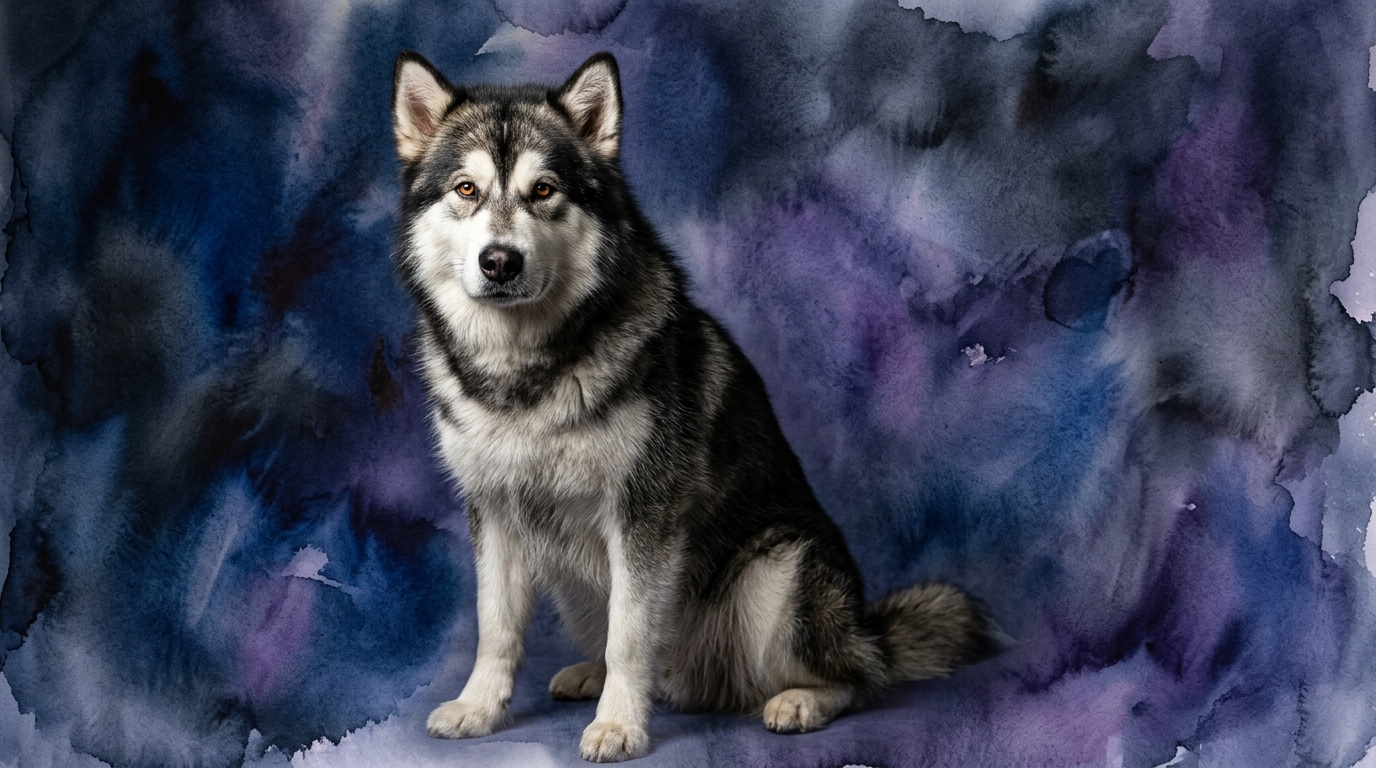
The Cosmic Pet Pet IQ Lab employs a multi-dimensional approach to assess canine cognition, moving beyond simple obedience metrics to evaluate problem-solving, training speed, social intelligence, instinctive drive, and memory. For the Alaskan Malamute, a breed deeply rooted in working traditions, their profile reveals a Coren rank of #50, placing them in the average working intelligence category. Their individual scores are robust: Problem Solving is rated at an impressive 4/5, indicating a strong capacity for independent thought and finding solutions to novel challenges. Training Speed, however, registers at a more moderate 2/5, suggesting they may take longer to grasp new commands or require more repetition than some breeds. Social Intelligence is 3/5, reflecting a balanced ability to understand and respond to human cues and social dynamics, while their Instinctive Drive is exceptionally high at 5/5, a testament to their powerful natural urges for tasks like pulling and exploring. Memory rounds out their profile at 4/5, indicating a good capacity for retaining learned behaviors and experiences.
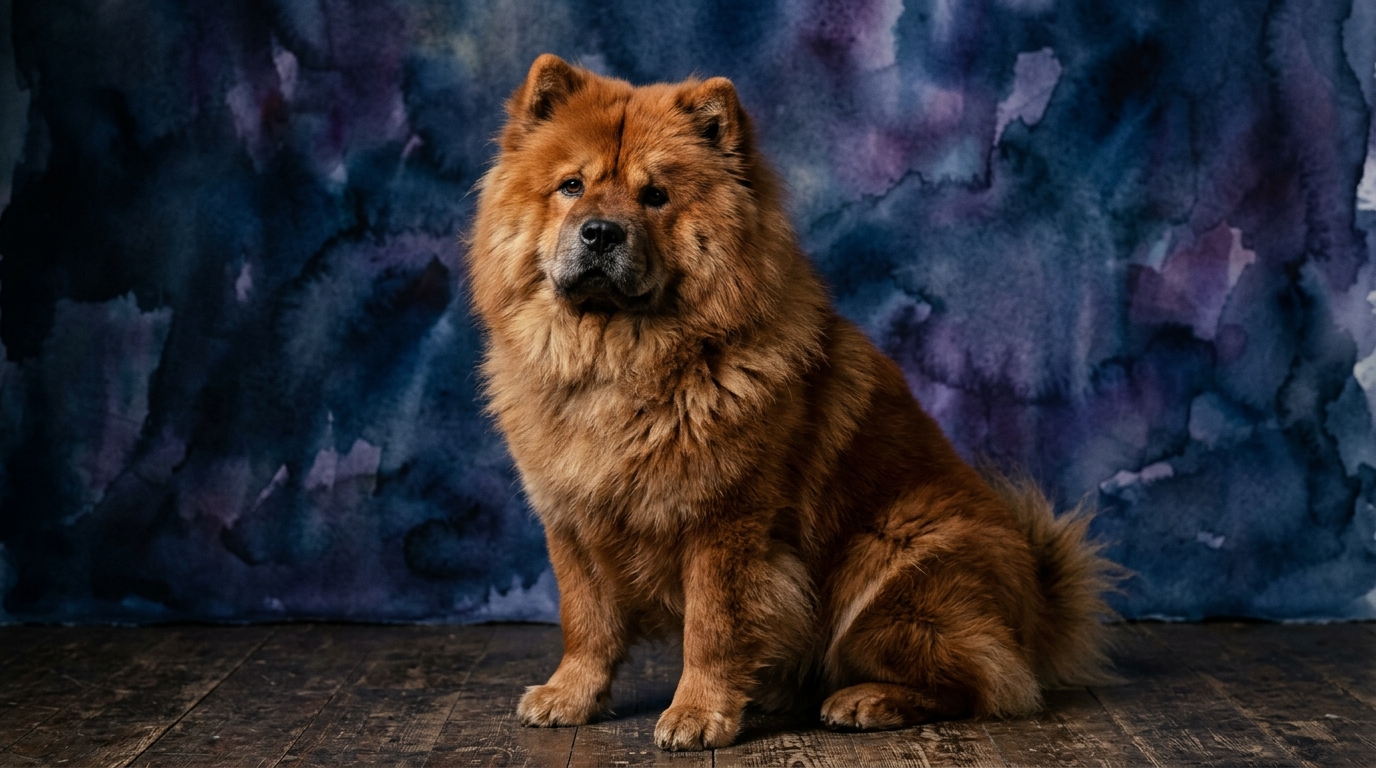
The Chow Chow, a distinctly ancient breed from the Non-Sporting group, holds a Coren rank of #76, placing them in the fair working intelligence category. Their cognitive breakdown presents a different emphasis: Problem Solving is rated 3/5, indicating a competent but perhaps less independently driven approach to challenges compared to the Malamute. Interestingly, their Training Speed is 3/5, which is actually a point higher than the Malamute's, suggesting they might pick up specific tasks with a slightly quicker initial pace. Social Intelligence is also 3/5, similar to the Malamute, implying a comparable ability to navigate social interactions, albeit often with a reserved demeanor. Their Instinctive Drive sits at 3/5, a moderate level that reflects less of a pressing need for intense physical tasks compared to a working sled dog. Finally, their Memory is 3/5, indicating a solid, but not exceptional, ability to recall information.
Where the Alaskan Malamute's Mind Excels
The Alaskan Malamute undeniably shines in areas requiring independent thought and strong innate drives. With a Problem Solving score of 4/5, these dogs demonstrate a remarkable ability to analyze situations and devise their own solutions, a trait honed by centuries of needing to navigate challenging arctic environments and make decisions independently while pulling sleds. This means they are often adept at figuring out how to open gates, retrieve out-of-reach items, or even strategize during play. Their Instinctive Drive, rated a perfect 5/5, is a dominant cognitive feature. This isn't just about physical energy; it’s a powerful internal compass that directs them towards purposeful activity, whether it's 'hunting' for squirrels in the yard, tirelessly exploring new trails, or engaging in scent work. This strong drive, coupled with their 4/5 Memory, allows them to retain complex sequences of actions and spatial information, making them formidable partners in activities like sledding, backpacking, or advanced obedience where remembering long routines is key. They recall intricate routes and past experiences with notable clarity, leveraging this memory to adapt and perform effectively in varied conditions.
Cognitive Strengths of the Chow Chow
While the Chow Chow's overall scores are generally moderate, they exhibit a distinct cognitive advantage in one crucial area: Training Speed, rated 3/5. This is notably higher than the Malamute’s 2/5, suggesting that a Chow Chow, when motivated and engaged with consistent methods, may actually learn specific commands or routines with a slightly faster initial uptake. This doesn't mean they are easier to train overall, but rather that the 'aha!' moment for a new trick might arrive sooner. Their Problem Solving at 3/5 indicates they can effectively tackle challenges, but often prefer to follow established routines or rely on their humans for direction rather than independently exploring novel solutions with the same intensity as a Malamute. This can translate into a dog that is less prone to 'outsmarting' its environment in ways that might lead to mischief. Their Social Intelligence at 3/5, matching the Malamute, suggests a solid understanding of social cues, though their expression of this intelligence is often characterized by a dignified reserve rather than effusive engagement. They observe, process, and respond to their human's moods and intentions, often with a subtle nod or a knowing glance, demonstrating an understated yet effective social awareness.
Which Breed is Easier to Train, and Why?
When considering ease of training, the Chow Chow presents a fascinating paradox. With a Training Speed of 3/5, they technically show a quicker initial grasp of new commands than the Alaskan Malamute's 2/5. This means that a Chow Chow might pick up the 'sit' or 'stay' cue in fewer repetitions. However, the Chow Chow's independent nature and moderate Instinctive Drive (3/5) mean that while they learn quickly, they are not always eager to perform repeatedly or without clear motivation. Their training often requires patience, consistency, and a deep understanding of their dignified, somewhat aloof personality; they are not inherently driven to please in the same way some other breeds might be. Their cooperation often comes from respect and a clear understanding of expectations, rather than an intense desire for constant engagement.
Conversely, the Alaskan Malamute, despite its lower Training Speed of 2/5, possesses a formidable Problem Solving capacity (4/5) and an overwhelming Instinctive Drive (5/5). This combination means they are incredibly capable of learning complex tasks and retaining them (Memory 4/5), but their strong independent streak and innate drive to work on their terms can make them challenging. They may quickly understand a command but then choose whether or not to comply based on their own assessment of the situation or if a more compelling instinctive urge takes precedence. Training a Malamute requires channeling their powerful drives into productive outlets, making it a marathon of consistent, positive reinforcement and creative engagement to keep their intelligent minds focused. Their 'difficulty' isn in their capacity to learn, but in their willingness to be consistently directed.
Suitability for Active vs. Relaxed Owners
The stark differences in their instinctive drives and energy levels make a clear distinction in suitability for various owner lifestyles. The Alaskan Malamute, with its exceptional 5/5 Instinctive Drive, is unequivocally suited for active owners. These are dogs bred for endurance and purpose, requiring significant daily physical exertion and mental stimulation. Owners who enjoy long hikes, running, sledding, skijoring, or other demanding outdoor activities will find a willing and capable partner in a Malamute. Their problem-solving abilities also mean they thrive with jobs to do, whether it's advanced obedience, puzzle toys, or scent work. A Malamute deprived of sufficient activity and mental engagement can become bored and destructive, channeling their immense energy and intelligence into less desirable behaviors. They need an owner who is prepared to be an active participant in their dog's daily life, providing consistent engagement and leadership.
The Chow Chow, with its moderate 3/5 Instinctive Drive, generally aligns better with more relaxed owners, though this doesn't imply they are sedentary. They appreciate regular, moderate exercise, such as daily walks or playtime in a secure yard, but do not typically demand the intense, continuous activity required by a Malamute. Their dignified and independent nature means they are often content to observe their surroundings or enjoy quiet companionship once their exercise needs are met. This breed is less inclined to be a constant shadow or demand endless games of fetch. Owners who appreciate a more self-possessed companion, who values calm presence over constant interaction, and who can provide consistent, gentle training without expecting effusive displays of affection, will find the Chow Chow a suitable match. They thrive in environments where their boundaries are respected and their unique personality is understood.
The Verdict
Choose an Alaskan Malamute if you are an active individual or family prepared for a highly engaged, working companion who thrives on physical challenges and mental stimulation.
Opt for a Chow Chow if you appreciate a dignified, independent companion requiring moderate exercise and are prepared for a consistent, patient training approach that respects their reserved nature.
🧠 Find Your Pet's IQ Score
Our Pet IQ Lab assessment covers 25+ tests across 5 cognitive dimensions — personalized to your breed.
Take the Full IQ Test →Frequently Asked Questions
Are Alaskan Malamutes truly stubborn during training?
Alaskan Malamutes are often perceived as stubborn due to their strong independent problem-solving skills and high instinctive drive. They understand commands but may choose to prioritize their own 'agenda' if not sufficiently motivated or if they see a more interesting alternative. Consistency and positive reinforcement are crucial for channeling their intellect.
Do Chow Chows bond closely with their families?
Chow Chows form deep, loyal bonds with their families, but their affection is often expressed in a more reserved and dignified manner than many other breeds. They are not typically demonstrative, preferring quiet companionship and a respectful relationship over constant physical attention, making them devoted but understated companions.
Which breed requires more mental stimulation?
While both breeds benefit from mental enrichment, the Alaskan Malamute generally requires more intensive mental stimulation due to their higher problem-solving capacity and powerful instinctive drive. They thrive on complex tasks, puzzles, and activities that engage their working dog heritage, whereas a Chow Chow's needs are often met with moderate challenges and consistent routines.