Side-by-Side IQ Profile
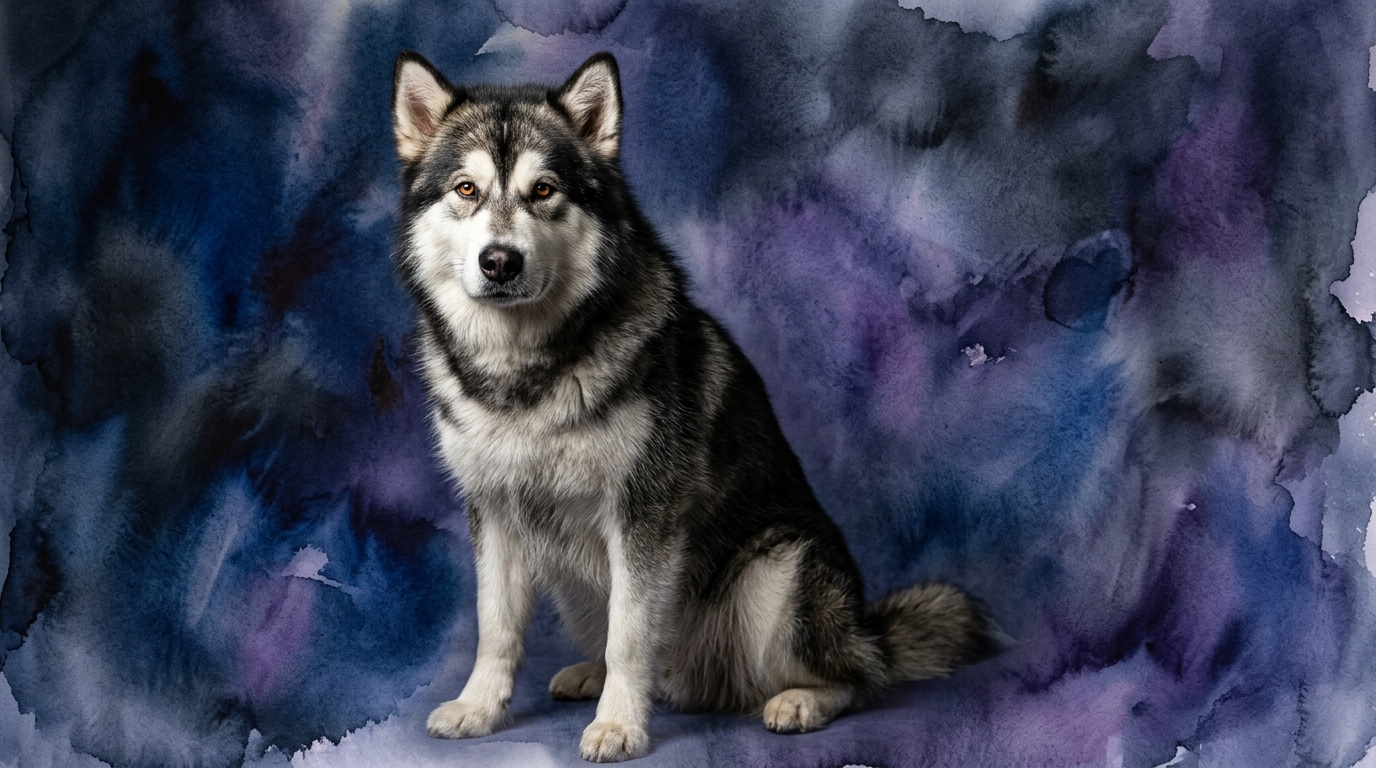
The Alaskan Malamute, a substantial working breed, exhibits a robust cognitive profile tailored for demanding tasks. Their problem-solving capacity is notable (4/5), reflecting an ability to navigate complex situations and strategize, crucial for tasks like finding a path through snow or working cooperatively. Training speed, however, is deliberate (2/5); they often require consistent motivation and clear purpose. Social intelligence is solid (3/5), allowing them to form strong bonds and understand pack dynamics, but with an independent streak. Their instinctive drive is exceptionally strong (5/5), manifesting as a deep-seated desire to work, pull, or explore. Finally, their memory is impressive (4/5), enabling them to retain complex sequences and learned behaviors over time.
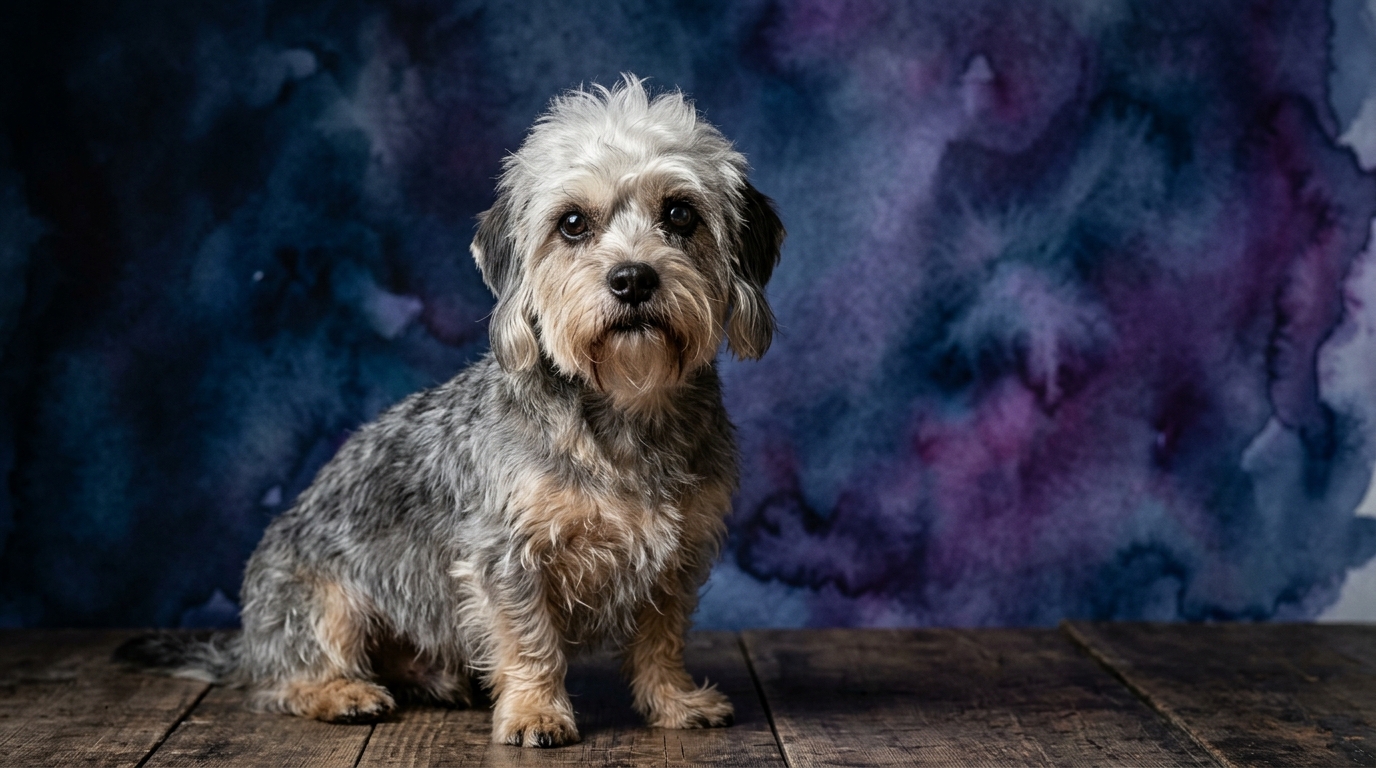
The Dandie Dinmont Terrier presents a balanced, self-reliant cognitive blueprint, honed for independent vermin control. Their problem-solving skills are practical and persistent (3/5), allowing them to figure out how to get to a perceived quarry or navigate obstacles with tenacity. Training speed is moderate (3/5); they are capable of learning new commands at a reasonable pace, though their independent terrier spirit can sometimes make them appear selective. Social intelligence is also moderate (3/5), allowing them to interact well with their family but potentially reserved with strangers. Their instinctive drive is present but less overwhelming (3/5), typically focused on scent work or chasing small prey. Memory is adequate (3/5), helping them remember routines and basic commands.
Where the Alaskan Malamute Wins Cognitively
The Alaskan Malamute undeniably stands out in several cognitive domains, reflecting its heritage as a vital working companion in harsh environments. Their superior problem-solving acumen (4/5) means they possess an innate ability to analyze situations and devise effective strategies, whether it’s figuring out how to open a gate or navigating a challenging trail. This capacity for strategic thought was critical for their historical roles, where survival often depended on sound decisions. Coupled with an exceptional instinctive drive (5/5), Malamutes exhibit an unparalleled motivation to engage in purposeful activity, be it pulling, exploring vast territories, or engaging in mentally stimulating games. This deep-seated drive fuels their cognitive engagement, pushing them to utilize their impressive memory (4/5) to recall routes, commands, and past experiences to achieve their goals. For tasks requiring sustained effort, complex navigation, and a strong will, the Malamute's cognitive toolkit is specifically designed to excel.
Where the Dandie Dinmont Terrier Wins Cognitively
While the Dandie Dinmont Terrier may not possess the grand scale of the Malamute's cognitive strengths, it certainly shines in areas that speak to its tenacious and self-sufficient nature. Its training speed (3/5) is a notable advantage over the Malamute's 2/5, indicating a relatively quicker uptake of new commands and a greater willingness to engage in structured learning sessions, provided the motivation is right. Furthermore, the Dandie's problem-solving, though rated 3/5, is characterized by a persistent and independent approach, highly effective for tasks requiring single-minded focus and determination, such as rooting out small prey. They excel at figuring things out on their own terms, often displaying a cleverness born of self-reliance rather than cooperative strategy. Their social intelligence (3/5) allows them to form strong, affectionate bonds within their immediate family, offering a warm and engaged companionship.
Which is Easier to Train and Why
When it comes to ease of training, the Dandie Dinmont Terrier generally presents a more straightforward path than the Alaskan Malamute. The Dandie's training speed (3/5) suggests they absorb new information and commands at a reasonable pace. While they possess typical terrier independence, their motivation can often be harnessed with positive reinforcement and engaging methods, making them receptive learners for basic obedience and even some trick training. Their problem-solving is geared towards individual effort, which, while sometimes leading to stubbornness, also means they can be persistent in figuring out what you want if the reward is appealing.
In contrast, the Alaskan Malamute's training speed is rated lower (2/5). This isn't due to a lack of capacity, but rather their profound independence and discerning nature. Malamutes often approach training with a "what's in it for me?" attitude, and their powerful instinctive drive can easily override a handler's requests. They require immense consistency, patience, and a deep understanding of their motivations. While they possess excellent memory, recalling complex sequences, they may choose not to perform if they perceive the task as redundant or unrewarding. Training a Malamute is a marathon of building trust and relevance, whereas a Dandie Dinmont offers a more immediate feedback loop.
Which Suits Active Owners vs. Relaxed Owners
Deciding between these two breeds largely depends on the owner's lifestyle. The Alaskan Malamute, with its exceptional instinctive drive (5/5) and need for extensive physical and mental engagement, is unequivocally suited for active owners. These are individuals who enjoy long, vigorous daily walks, hiking, snow sports, or structured dog sports. Their cognitive profile demands more than just physical exercise; they thrive on problem-solving challenges, scent work, and opportunities to utilize their strong memory and strategic thinking. A relaxed owner who cannot provide hours of dedicated activity and mental stimulation would likely find a Malamute restless, destructive, or vocal due to unmet needs.
The Dandie Dinmont Terrier, while still requiring regular activity, aligns better with owners who are active but perhaps not to an extreme degree. Their instinctive drive (3/5) means they enjoy daily walks, playtime, and opportunities for scent exploration, but they don't demand the same high-intensity, prolonged output as a Malamute. They are content with a good romp followed by snuggling on the couch, making them adaptable to owners who enjoy a mix of activity and relaxation. Their moderate social intelligence and problem-solving skills mean they appreciate engaging activities, but they are generally less prone to destructive behaviors if their mental stimulation is met through indoor games or moderate training sessions.
The Verdict
For owners seeking a robust, independent companion capable of impressive problem-solving and sustained effort in demanding outdoor activities, the Alaskan Malamute is an excellent choice. Choose a Malamute if you are an experienced, active individual or family prepared for a significant commitment to training, exercise, and mental enrichment, appreciating a partner with profound working instincts and a discerning mind.
Conversely, the Dandie Dinmont Terrier is ideal for those who desire an affectionate, tenacious companion with a quicker training uptake and a more adaptable activity level. Select a Dandie if you value a plucky, self-reliant dog that thrives on consistent, positive training and offers devoted companionship without requiring extreme physical demands.
🧠 Find Your Pet's IQ Score
Our Pet IQ Lab assessment covers 25+ tests across 5 cognitive dimensions — personalized to your breed.
Take the Full IQ Test →Frequently Asked Questions
Are Alaskan Malamutes difficult to live with due to their independence?
Alaskan Malamutes possess a strong independent streak and a powerful drive, which can present challenges if not properly managed. They require consistent training, early socialization, and significant physical and mental exercise to be well-adjusted, and without these, they can be quite demanding.
Do Dandie Dinmont Terriers get along with other pets?
Dandie Dinmont Terriers can coexist with other pets, especially if introduced and socialized from a young age. However, due to their terrier hunting instincts, small furry pets like hamsters or gerbils might trigger their prey drive, so caution and supervision are always advised.
What kind of mental stimulation do these breeds need?
Alaskan Malamutes thrive on complex problem-solving games, scent work, and opportunities to make choices during walks or training sessions, leveraging their strong memory and drive. Dandie Dinmont Terriers benefit from puzzle toys, short obedience sessions, and engaging scent games that tap into their natural curiosity and persistence.