Side-by-Side IQ Profile
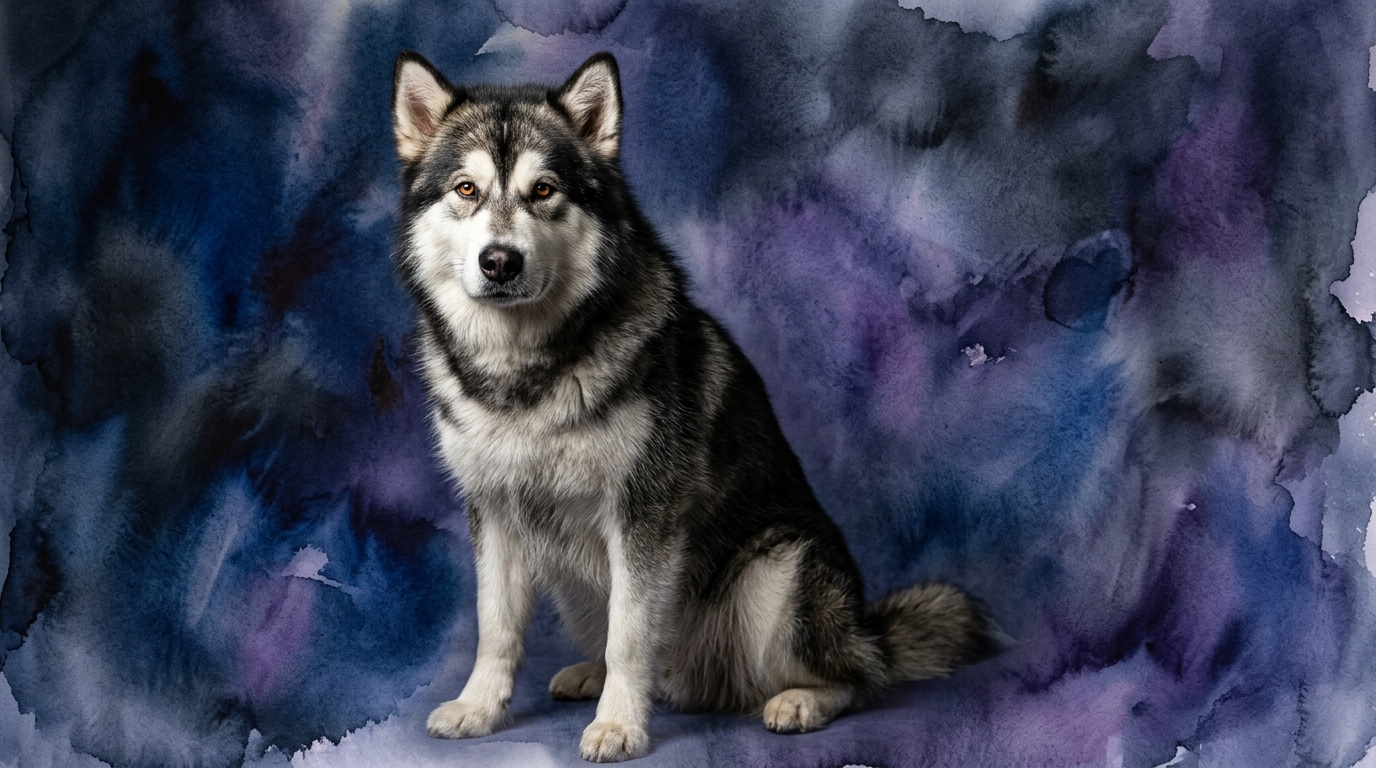
The Cosmic Pet Pet IQ Lab provides a nuanced look at canine cognition, evaluating breeds across five key dimensions. For the Alaskan Malamute, these scores reflect a heritage of independent work and survival in harsh environments. Their Problem Solving is rated 4/5, indicating a strong capacity for independent thought and creative solutions to obstacles, often without direct human instruction. Training Speed is 2/5, highlighting a strong-willed nature that, while capable of understanding, prioritizes personal motivation over quick compliance. Social Intelligence stands at 3/5, showing an ability to form deep bonds and understand pack dynamics, though not always seeking constant human direction. Their Instinctive Drive is an exceptional 5/5, rooted in a powerful desire to work, explore, and exert physical energy, often with a significant prey drive. Memory is 4/5, meaning they reliably retain learned information, routes, and experiences, which aids in complex task execution.
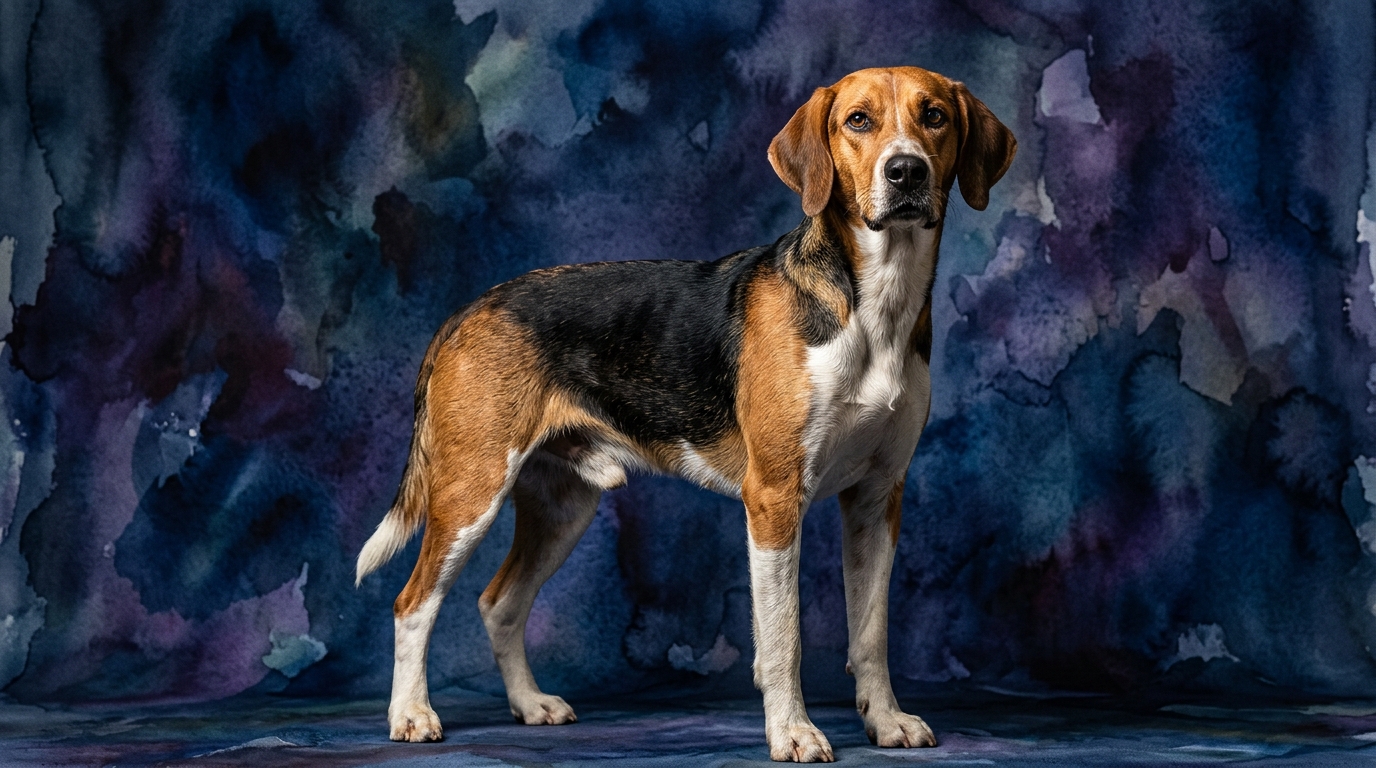
In contrast, the English Foxhound's profile is tailored to its role as a scent-driven hunter working in a pack. Their Problem Solving is 3/5, demonstrating practical abilities focused on interpreting scent trails and navigating terrain, rather than abstract reasoning. Training Speed is 3/5; they can learn commands at a moderate pace, especially when training aligns with their innate tracking drive, but can be easily distracted by compelling scents. Social Intelligence is 3/5, reflecting their aptitude for pack cooperation and amiable interactions within a group, though their focus can become singular when on a trail. Instinctive Drive is 3/5, primarily centered around scenting and chasing, rather than a broad desire for varied 'work' like the Malamute. Memory is 3/5, enabling them to remember routines and familiar environments, particularly specific scents or trails, though general obedience commands may require consistent reinforcement.
Where Alaskan Malamute Wins Cognitively
The Alaskan Malamute shines particularly in their capacity for independent problem-solving and robust memory. Their 4/5 rating in problem-solving reflects a heritage of making critical decisions in challenging Arctic environments, such as navigating treacherous terrain or locating resources without direct human command. This isn't merely following instructions but actively assessing situations and devising solutions. Furthermore, their 4/5 memory ensures that these learned strategies and experiences are retained, allowing them to adapt and perform complex tasks over time. This cognitive strength allows them to learn complex routes, remember intricate sequences, and even outwit perceived obstacles, often to their own advantage.
Where English Foxhound Wins Cognitively
The English Foxhound's cognitive strengths are deeply intertwined with their specialized hunting purpose. While not scoring as high in generalized problem-solving as the Malamute, their intelligence is acutely focused on their instinctive drive (3/5) and a practical, scent-driven problem-solving (3/5). They excel at interpreting and following complex scent trails, demonstrating remarkable persistence and focus in this domain. Their ability to decipher nuanced olfactory information, coupled with a moderate training speed (3/5) for tasks relevant to their hunting role, means they can be highly effective in their chosen field. This specialized intelligence allows them to navigate vast landscapes, work cooperatively within a pack, and maintain an unwavering focus on a specific objective once a scent is engaged.
Which is Easier to Train and Why
Comparing training ease, the English Foxhound generally presents a more straightforward path for the average owner, primarily due to its 3/5 training speed and a more manageable instinctive drive (3/5) compared to the Malamute. Foxhounds are accustomed to working in a pack structure and, while their scent drive can be a distraction, they respond reasonably well to consistent, reward-based training. Their natural desire to follow a trail means their focus can be channeled, though it requires specific techniques to maintain attention amidst environmental stimuli.
In contrast, the Alaskan Malamute's 2/5 training speed and exceptional 5/5 instinctive drive make them considerably more challenging. Their independent problem-solving (4/5) often translates into a 'what's in it for me?' attitude. They are not inherently driven to please but to achieve their own goals, which historically meant survival in harsh conditions. Training a Malamute demands immense patience, creativity, and a deep understanding of their motivations, often requiring extensive positive reinforcement and highly engaging activities to maintain their interest and cooperation. Their strong desire to pull or roam, for instance, requires early and consistent leash training to manage effectively, whereas a Foxhound's primary distraction might be a compelling scent.
Which Suits Active Owners vs. Relaxed Owners
For owners seeking a highly active companion, both breeds require significant engagement, but their needs diverge. The Alaskan Malamute, with its 5/5 instinctive drive, is ideal for individuals who thrive on intense outdoor activities, such as skijoring, canicross, or long-distance hiking. Their robust physical and mental energy demands consistent outlets, and an owner who can provide structured 'work' will find a deeply satisfied companion. These dogs need more than just a walk; they need a purpose, reflecting their heritage as endurance sled dogs.
The English Foxhound also suits active owners, particularly those interested in activities like scent work, long-distance jogging, or field trials. Their endurance and focus on scent make them excellent partners for exploring nature on foot. However, their energy, while substantial, is often more focused on specific sensory tasks rather than the sheer brute force and endurance of the Malamute. They are less suited for 'relaxed' owners; both breeds will develop destructive behaviors or anxiety if their intrinsic drives are not adequately met, but the Malamute's sheer physical power and independent streak can make managing an under-exercised individual particularly demanding.
The Verdict
When considering an Alaskan Malamute, choose this breed if you are an experienced dog owner with an active lifestyle, prepared for a strong-willed, independent companion who thrives on challenging physical and mental engagement, such as sledding or advanced training. Their deep problem-solving abilities and robust memory will reward an owner who enjoys unlocking complex cognitive potential.
Opt for an English Foxhound if you appreciate a dog with a keen sense of smell, are prepared to engage in consistent scent-based activities, and desire a generally amiable companion that excels in endurance activities and pack dynamics. This breed is better suited for owners who can provide plenty of structured outdoor exercise and manage a dog whose primary motivation is often its nose.
🧠 Find Your Pet's IQ Score
Our Pet IQ Lab assessment covers 25+ tests across 5 cognitive dimensions — personalized to your breed.
Take the Full IQ Test →Frequently Asked Questions
Are Alaskan Malamutes suitable for apartment living?
Generally, no. Alaskan Malamutes have an exceptionally high instinctive drive and require significant space and consistent, strenuous exercise to thrive. While they can adapt to indoor living if their extensive energy needs are met daily, an apartment setting usually cannot provide the necessary physical and mental stimulation.
Do English Foxhounds get along with other pets?
English Foxhounds, bred to work in packs, typically get along well with other dogs, especially if socialized early. However, due to their strong prey drive, caution should be exercised around smaller non-canine pets, and introductions should always be supervised and gradual.
What kind of mental stimulation do these breeds need?
Alaskan Malamutes benefit from puzzle toys, advanced obedience training, and 'work' activities like weight pulling or canine freestyle, which engage their problem-solving and memory. English Foxhounds thrive on scent work, tracking games, and long 'sniff walks' that allow them to utilize their primary cognitive strength: their incredible sense of smell and persistence on a trail.