Side-by-Side Cognitive Profiles
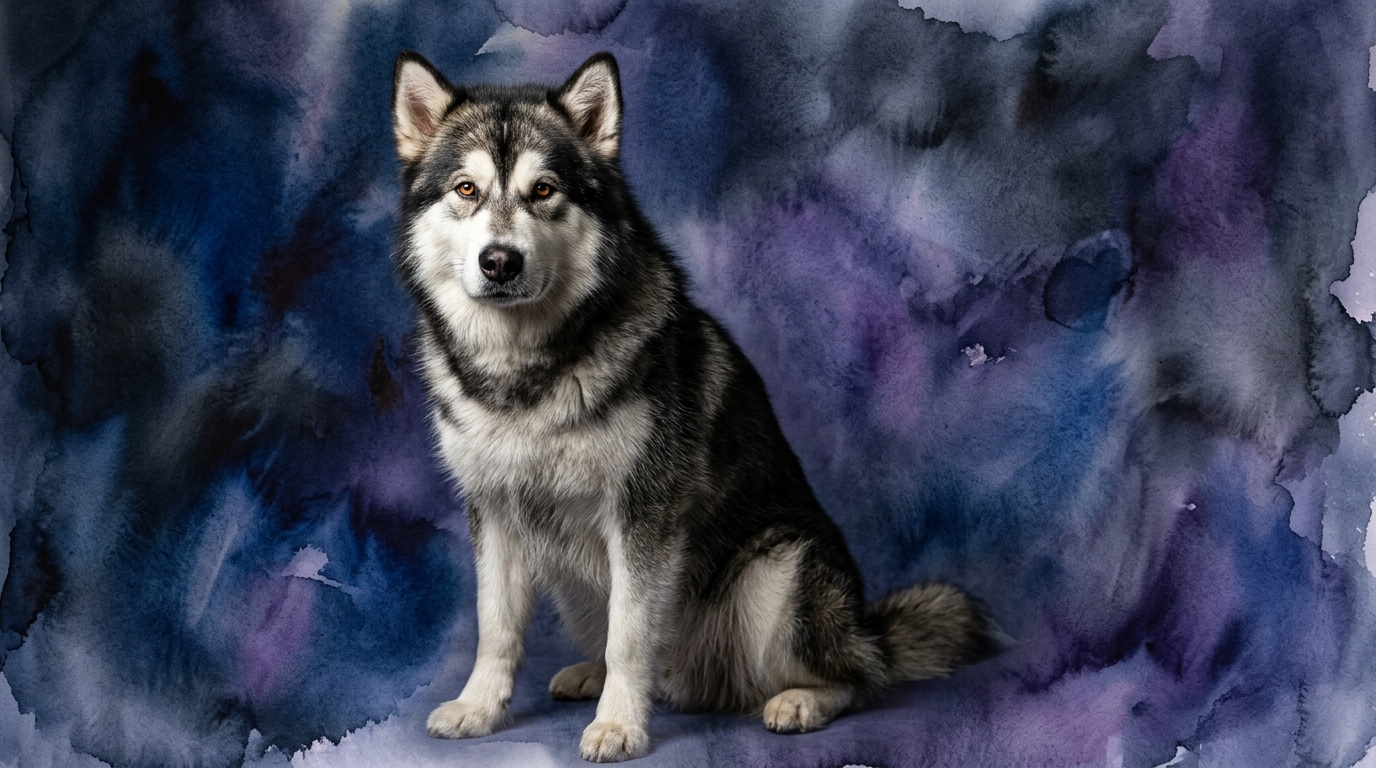
The Cosmic Pet Pet IQ Lab employs a multi-faceted approach to assess canine intelligence, moving beyond a singular 'IQ score' to evaluate specific cognitive dimensions. For the Alaskan Malamute, a breed from the Working group, its Coren rank sits at #50, indicating a moderate level of obedience intelligence when compared to many other breeds. Its Problem Solving ability is rated at 4/5, suggesting a strong capacity for independent thought and finding solutions to environmental challenges. Training Speed, however, is rated 2/5, pointing to a breed that requires significant repetition and patience to learn new commands. Social Intelligence for the Malamute stands at 3/5, indicating an adequate understanding of social cues within its established pack, but not an overwhelming drive to please or interpret subtle human emotions. Its Instinctive Drive is exceptionally high at 5/5, reflecting deeply ingrained behaviors like pulling, digging, and hunting. Memory is also robust at 4/5, meaning learned experiences and routines are well-retained.
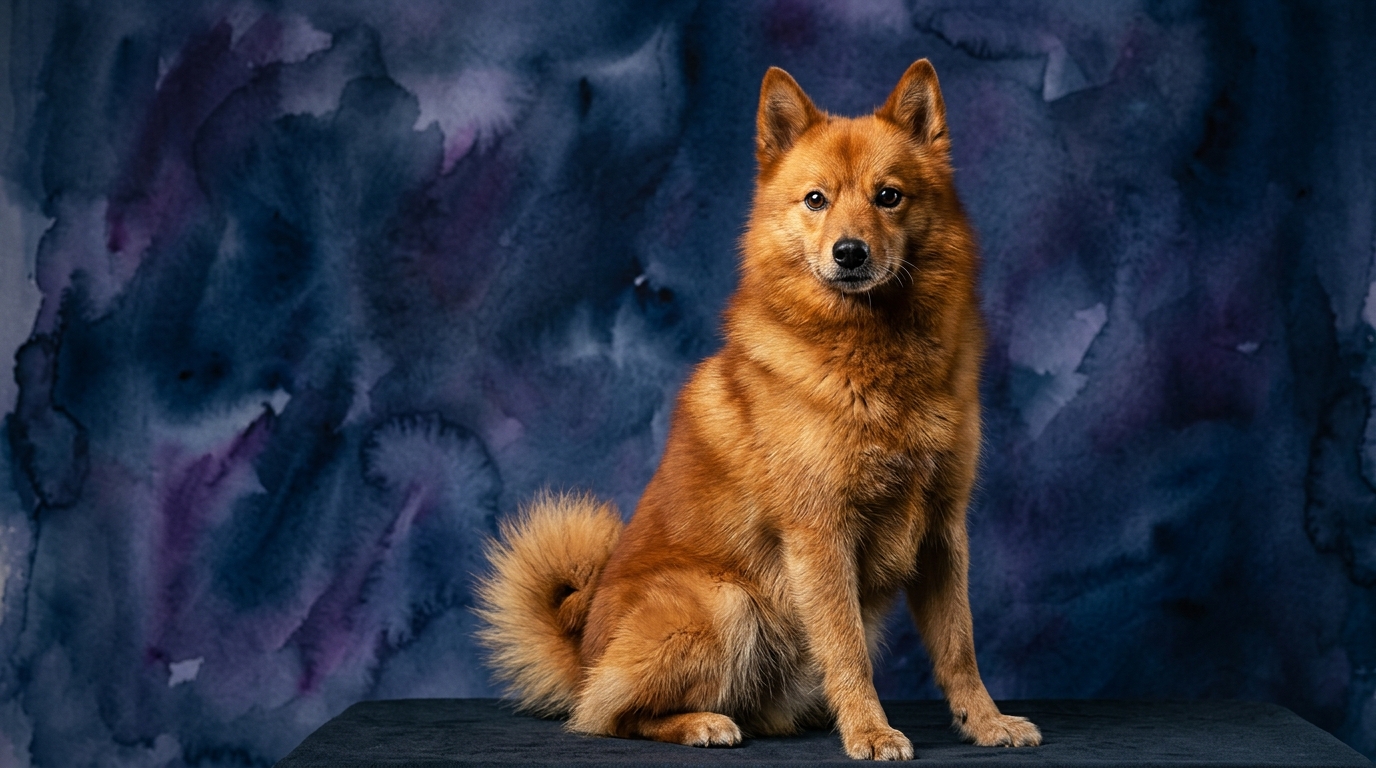
In contrast, the Finnish Spitz, a lively breed from the Non-Sporting group, does not have a Coren ranking, often due to their specialized working style and less emphasis on traditional obedience. Its Problem Solving score is 3/5, indicating a moderate ability to navigate novel situations, though perhaps with less independent innovation than the Malamute. The Finnish Spitz's Training Speed is rated 3/5, suggesting an average pace of learning new tasks, generally more responsive than the Malamute. Social Intelligence is also 3/5, similar to the Malamute, implying a good connection with its family but potentially reserved with strangers. Instinctive Drive for the Finnish Spitz is 3/5, a moderate level that primarily manifests in their characteristic vocalizations and some hunting tendencies. Memory is rated 3/5, indicating an average capacity for retaining information and experiences.
Where the Alaskan Malamute Excels Cognitively
The Alaskan Malamute's cognitive strengths are deeply rooted in its heritage as a powerful sled dog built for endurance and independent work in harsh environments. Its Problem Solving score of 4/5 means these dogs are adept at figuring out complex physical tasks, such as navigating varied terrain, extracting themselves from difficult situations, or even opening latches to achieve a goal. This isn't about solving abstract puzzles, but rather practical, real-world challenges that require spatial reasoning and persistence. Their exceptional Instinctive Drive (5/5) is a core cognitive asset, providing the relentless motivation needed for sustained physical effort. This drive isn't just physical; it's a mental fortitude that allows them to push through discomfort and maintain focus on a task, whether it's pulling a sled or scent-tracking. Furthermore, a Memory score of 4/5 allows Malamutes to effectively recall routes, routines, and past experiences, which is crucial for navigating familiar territories and remembering lessons learned, for better or worse.
Where the Finnish Spitz Excels Cognitively
While the Finnish Spitz may not possess the sheer physical problem-solving prowess of the Malamute, its cognitive profile shines in areas more aligned with its role as a 'barking bird dog' and companion. Its Training Speed of 3/5, while not exceptionally high, indicates a more amenable learner compared to the Malamute. This average learning capacity means they can pick up household manners and basic commands with reasonable consistency, often responding well to positive reinforcement methods. Their Instinctive Drive, rated 3/5, is a focused and manageable trait, primarily manifesting as a strong vocalization instinct. This isn't just noise; it's a highly developed communication system used to alert hunters to game and warn their families of perceived threats. This specialized drive, coupled with their Social Intelligence (3/5), allows them to integrate effectively into family life while providing a valuable alert system. Their moderate memory (3/5) is sufficient for retaining commands and routines, making them adaptable companions without the intensity of a working sled dog's recall for specific, demanding tasks.
Training Dynamics: Malamute vs. Finnish Spitz
When it comes to trainability, the Alaskan Malamute presents a greater challenge due to its combination of a lower Training Speed (2/5) and extremely high Instinctive Drive (5/5). Their independent nature, honed by generations of self-reliant sled work, means they often question commands and require a strong 'why' before complying. They are not dogs that exist to please, making traditional obedience methods less effective without significant motivation and consistency. Behavioral differences such as a powerful prey drive, digging compulsion, and a tendency to roam are deeply ingrained, requiring diligent management and creative training to redirect. Training a Malamute demands immense patience, positive reinforcement, and a deep understanding of their innate drives, focusing on channeling their energy rather than suppressing it.
The Finnish Spitz, with its Training Speed and Instinctive Drive both at 3/5, offers a more balanced training experience. While still possessing an independent streak, particularly when focused on their vocalizing instinct, they are generally more receptive to learning basic obedience and household rules. Their drives, though present, are less overpowering than the Malamute's. The primary behavioral challenge often revolves around their propensity for alert barking, which requires consistent training from a young age to manage. They respond well to fun, engaging training sessions and can be motivated by treats and praise, making them a more approachable breed for owners with moderate training experience compared to the Malamute's demanding cognitive landscape.
Suitability for Active vs. Relaxed Owners
The Alaskan Malamute is unequivocally suited for highly active, experienced owners who embrace outdoor adventures and possess a deep understanding of working dog psychology. Their immense physical stamina and mental drive necessitate daily engagement that goes beyond a simple walk around the block. Owners must be prepared to provide extensive exercise, such as hiking, sledding, canicross, or long runs, coupled with mental stimulation that taps into their problem-solving abilities and instinctive drives. A relaxed owner would quickly find themselves overwhelmed by a Malamute's unmet needs, leading to destructive behaviors born of boredom and excess energy. This breed thrives with a consistent routine, firm yet fair leadership, and a family that views them as a dedicated, active partner.
The Finnish Spitz, while not a couch potato, is a better match for moderately active owners. They require regular exercise to stay healthy and happy, enjoying walks, playtime, and opportunities to explore. However, their demands are not on the same scale as a Malamute's. Owners should be prepared for their characteristic vocalizations and be willing to engage in activities that provide mental stimulation, such as scent games or agility, without needing to commit to extreme endurance sports. A truly relaxed, sedentary owner might find their alert barking and energy levels a bit much, but for someone seeking a lively, engaging companion who enjoys daily activity without needing to conquer mountains, the Finnish Spitz is a fitting choice.
The Verdict
Choose the Alaskan Malamute if you are an experienced, highly active individual or family seeking a robust, independent partner for demanding outdoor adventures and are prepared for significant training commitment.
Opt for the Finnish Spitz if you are a moderately active owner looking for an engaging, vocal companion who enjoys regular activity and can manage their alert barking with consistent, positive training.
🧠 Find Your Pet's IQ Score
Our Pet IQ Lab assessment covers 25+ tests across 5 cognitive dimensions — personalized to your breed.
Take the Full IQ Test →Frequently Asked Questions
Which breed is more independent, the Alaskan Malamute or Finnish Spitz?
Both breeds exhibit independence, but the Alaskan Malamute's strong problem-solving and instinctive drives (4/5 and 5/5 respectively) make it significantly more self-reliant and less inclined to seek constant human direction. The Finnish Spitz, while also independent, is slightly more cooperative and less driven by overwhelming task-oriented instincts.
Is the Finnish Spitz a good choice for first-time dog owners?
The Finnish Spitz can be a suitable choice for dedicated first-time owners who are prepared for consistent training, especially regarding their vocal nature. Their moderate training speed and drives are more manageable than those of many working breeds, but their independence and barking require commitment.
How does the Coren ranking relate to the IQ Lab scores for these breeds?
The Coren ranking primarily measures obedience intelligence (how quickly a dog learns and obeys commands), which aligns most closely with our 'Training Speed' dimension. The Alaskan Malamute's Coren rank of #50 and Training Speed of 2/5 both indicate a slower learning curve for obedience, while the unranked Finnish Spitz's 3/5 Training Speed suggests an average, more responsive learner.