Side-by-Side IQ Profile: Alaskan Malamute vs. German Pinscher
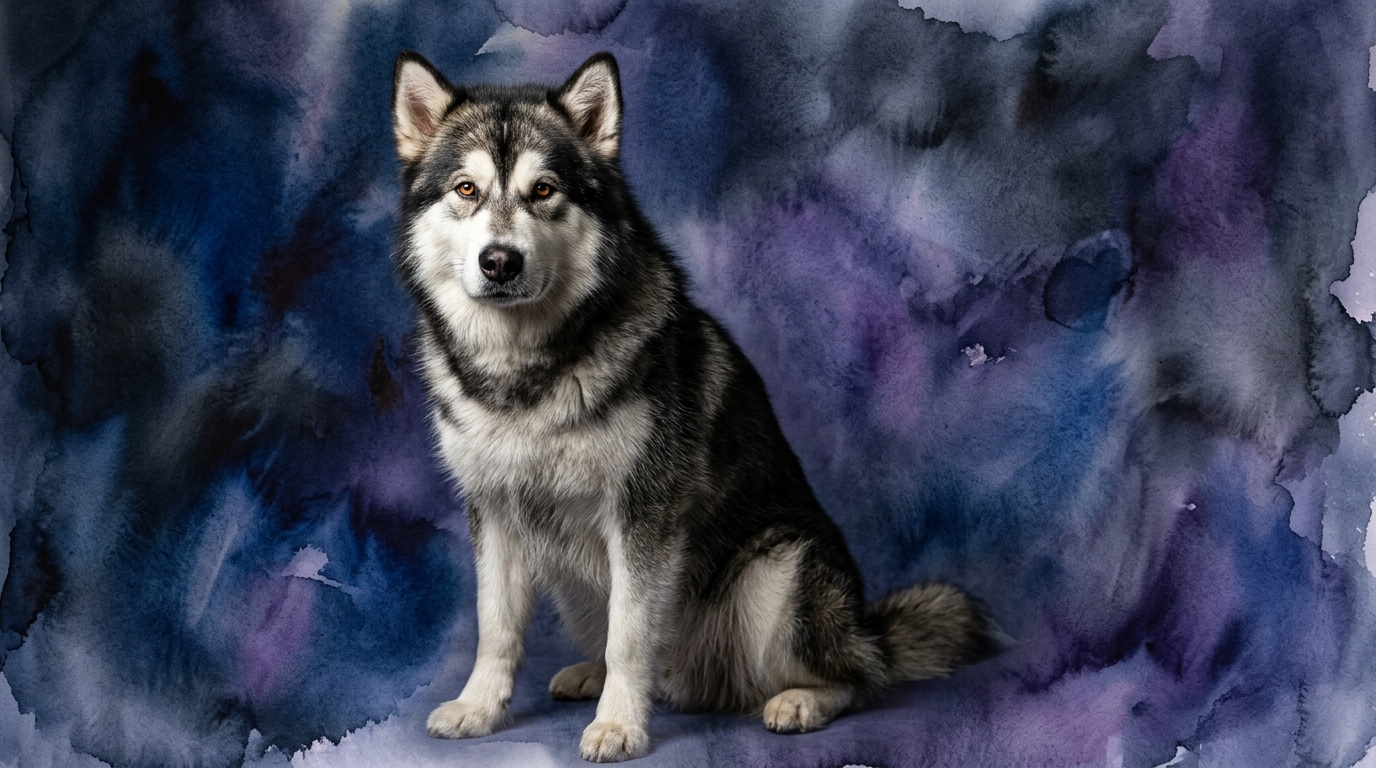
The Alaskan Malamute, ranked #50 by Coren, presents a cognitive profile shaped by its demanding heritage. Its Problem Solving ability scores a robust 4/5, indicating a strong capacity for independent thought and navigating complex physical challenges, often employing ingenuity to achieve goals like finding routes or accessing resources. Training Speed is moderate at 2/5, reflecting a need for patient, consistent methods due to their independent nature. Social Intelligence stands at 3/5, meaning they understand pack dynamics but balance affection with a strong sense of self. Their Instinctive Drive is exceptionally potent at 5/5, manifesting as an almost insatiable need for purpose-driven activity and physical exertion, deeply rooted in their heritage. Finally, their Memory is strong at 4/5, allowing them to retain learned tasks, routes, and experiences effectively.
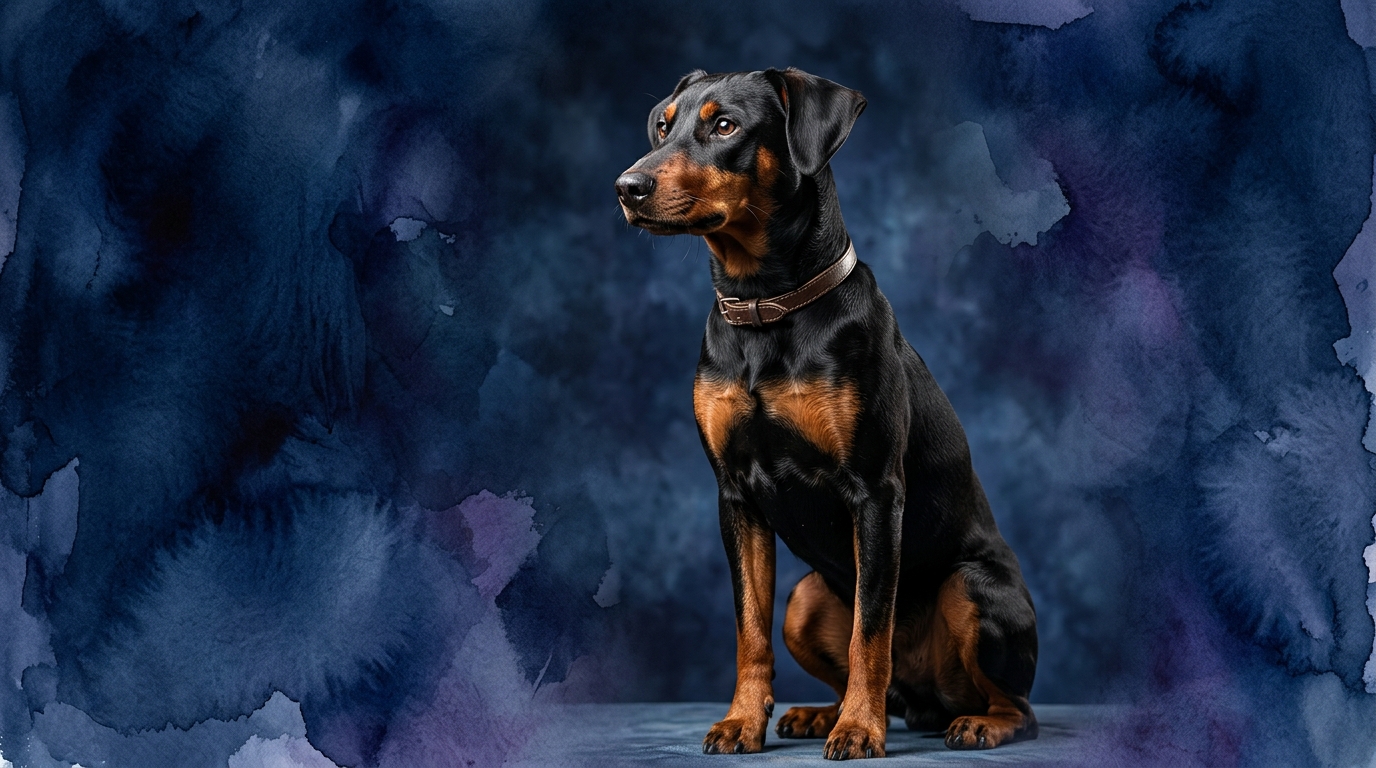
The German Pinscher, while not Coren-ranked, offers a balanced cognitive blueprint. Its Problem Solving ability is 3/5, demonstrating a solid capacity for learning routines and solving practical issues, though perhaps with less independent innovation than some highly specialized breeds. Training Speed is moderate at 3/5, indicating they generally learn new commands at a reasonable pace and respond well to positive reinforcement. Social Intelligence is 3/5, showing they are adept at reading human emotions and household dynamics, often forming strong bonds while sometimes being reserved with strangers. Instinctive Drive is 3/5, present but balanced, encompassing a natural prey drive and territoriality without the overwhelming intensity seen in breeds bred for extreme specialization. Their Memory is also 3/5, allowing them to build a repertoire of learned behaviors and navigate familiar environments confidently.
Where the Alaskan Malamute Wins Cognitively
The Alaskan Malamute distinguishes itself with a superior capacity for problem-solving, scoring a notable 4/5, compared to the German Pinscher's 3/5. This manifests in their ability to independently figure out complex physical puzzles, such as navigating challenging terrain or devising strategies to open gates, reflecting their ancestral role in self-reliant sled pulling and survival. Their robust memory (4/5) further enhances this, allowing them to recall successful past solutions and apply them to new scenarios, critical for remembering long, arduous trails and complex tasks.
Furthermore, the Malamute's instinctive drive is exceptionally potent at 5/5, a stark contrast to the Pinscher's 3/5. This isn't merely about physical energy; it's a deep-seated cognitive inclination towards purpose-driven activity, pulling, and exploration. This drive means they are consistently motivated by tasks that tap into their heritage, demonstrating an unwavering focus and endurance in activities like canine sports or extended hikes, driven by an inherent satisfaction in performing their breed's historical functions.
Where the German Pinscher Wins Cognitively
The German Pinscher shines in its training speed, matching the Malamute's score at 3/5 but with a key difference in context. While both are moderate, the Pinscher's more balanced instinctive drive (3/5) means its learning isn't often overshadowed by an overwhelming singular purpose. This allows for a more direct application of learned commands without constant negotiation against a powerful, independent will. Their cognitive profile suggests a dog that is generally more amenable to diverse training regimens, picking up a variety of tasks with consistent effort and less resistance.
While neither breed dramatically outpaces the other in social intelligence (both 3/5) or memory (Pinscher 3/5 vs Malamute 4/5), the Pinscher's slightly lower, yet well-rounded, instinctive drive makes it cognitively more adaptable to domestic life. It can integrate new information and expectations without the profound need to fulfill an intense, specialized working impulse, making its cognitive efforts more evenly distributed across learning, social interaction, and problem-solving within a typical home environment.
Which is Easier to Train and Why
Based on their Cosmic Pet Pet IQ Lab profiles, the German Pinscher is generally easier to train than the Alaskan Malamute, primarily due to differences in their training speed and instinctive drive. The German Pinscher has a training speed of 3/5 and an instinctive drive of 3/5, suggesting a dog that is moderately receptive to learning and less likely to be sidetracked by overpowering innate urges. They tend to respond well to consistent, positive reinforcement, and their balanced drive means they are often more focused on the task at hand rather than seeking out independent activities.
In contrast, the Alaskan Malamute, despite its problem-solving prowess, has a training speed of 2/5 and an exceptionally high instinctive drive of 5/5. This combination means they often require more patience, creativity, and motivation from their trainers. Their strong drive for pulling, exploring, or independent decision-making can frequently override their desire to comply with commands. While they are capable of learning complex tasks due to their memory and problem-solving skills, their independent nature and powerful internal motivations mean that training often becomes a negotiation, requiring the owner to consistently make compliance more rewarding than following their own instincts.
Which Suits Active Owners vs. Relaxed Owners
For active owners seeking a true partner in endurance and purposeful activity, the Alaskan Malamute is the clear choice. Their 5/5 instinctive drive and 4/5 problem-solving ability mean they thrive on demanding physical and mental engagement, such as long hikes, sledding, skijoring, or challenging scent work. These dogs require owners who are not only physically capable but also dedicated to providing consistent, structured outlets for their powerful drives, lest their ingenuity be applied to less desirable "problem-solving" like escaping or reorganizing furniture. A Malamute with insufficient mental and physical exercise will be a frustrated, potentially destructive companion.
Conversely, while still an active breed, the German Pinscher, with its more balanced 3/5 instinctive drive and 3/5 problem-solving, offers a better fit for owners who are active but perhaps seek a slightly less demanding or intensely specialized companion. They enjoy regular exercise, training, and engaging play, but their drives are generally more manageable, allowing for greater adaptability to varied daily routines. A relaxed owner, however, would struggle with either breed, as both require daily engagement. The Pinscher, with its moderate training speed and social intelligence, is more likely to thrive with owners who enjoy consistent training and interactive games without needing to commit to the extreme physical demands and independent spirit of a true working sled dog.
The Verdict
Opt for an Alaskan Malamute if you are an experienced, active owner dedicated to providing extensive physical exertion and mental challenges that tap into their profound working drive and problem-solving skills.
Select a German Pinscher if you desire an alert, trainable companion for an an active home, valuing their balanced drives and moderate trainability for diverse activities and integration into family life.
🧠 Find Your Pet's IQ Score
Our Pet IQ Lab assessment covers 25+ tests across 5 cognitive dimensions — personalized to your breed.
Take the Full IQ Test →Frequently Asked Questions
Does the Malamute's lower training speed mean it cannot learn complex tasks?
Not at all; the Malamute's 4/5 problem-solving and 4/5 memory indicate a capacity for complex learning, but their 2/5 training speed means they require more patient, consistent, and highly motivating methods to comply, often preferring to act on their powerful instincts.
Is the German Pinscher's 3/5 instinctive drive a disadvantage compared to the Malamute's 5/5?
Not necessarily a disadvantage; the Pinscher's balanced 3/5 instinctive drive means it is less singularly focused than the Malamute, making it more adaptable to varied activities and less prone to being overwhelmed by a single, powerful innate urge, which can be an advantage in a diverse household.
How does Coren ranking relate to the Pet IQ Lab scores?
Coren ranking primarily measures "working intelligence" or obedience training speed and retention, whereas the Pet IQ Lab provides a multi-dimensional view of cognitive abilities like problem-solving, social intelligence, and instinctive drive, offering a more nuanced understanding beyond just trainability.