Side-by-Side Cognitive Profile
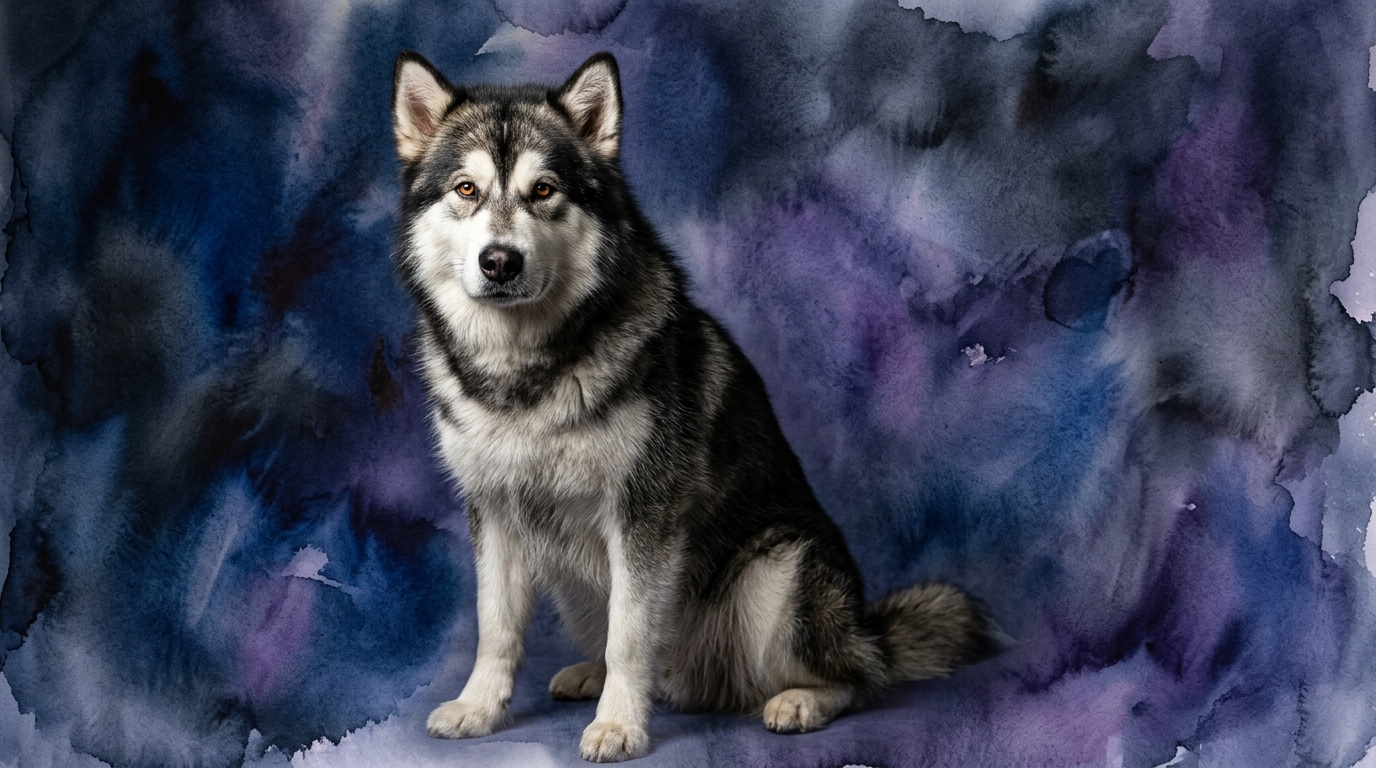
The Cosmic Pet Pet IQ Lab provides a unique lens through which to examine the mental attributes of different breeds. For the Alaskan Malamute, a Working group dog with a Coren ranking of #50, we observe a robust cognitive profile tailored for endurance and independent action. Their problem-solving ability scores 4/5, reflecting their capacity for making autonomous decisions in challenging environments. Training speed is rated 2/5, indicating a strong-willed nature that requires patience and consistent, motivating methods. Social intelligence stands at 3/5, suggesting a strong pack instinct but also a degree of independence. Their instinctive drive is a formidable 5/5, reflecting their innate desire for pulling, digging, and sustained physical effort. Memory is rated 4/5, enabling them to retain complex routes and learned experiences.
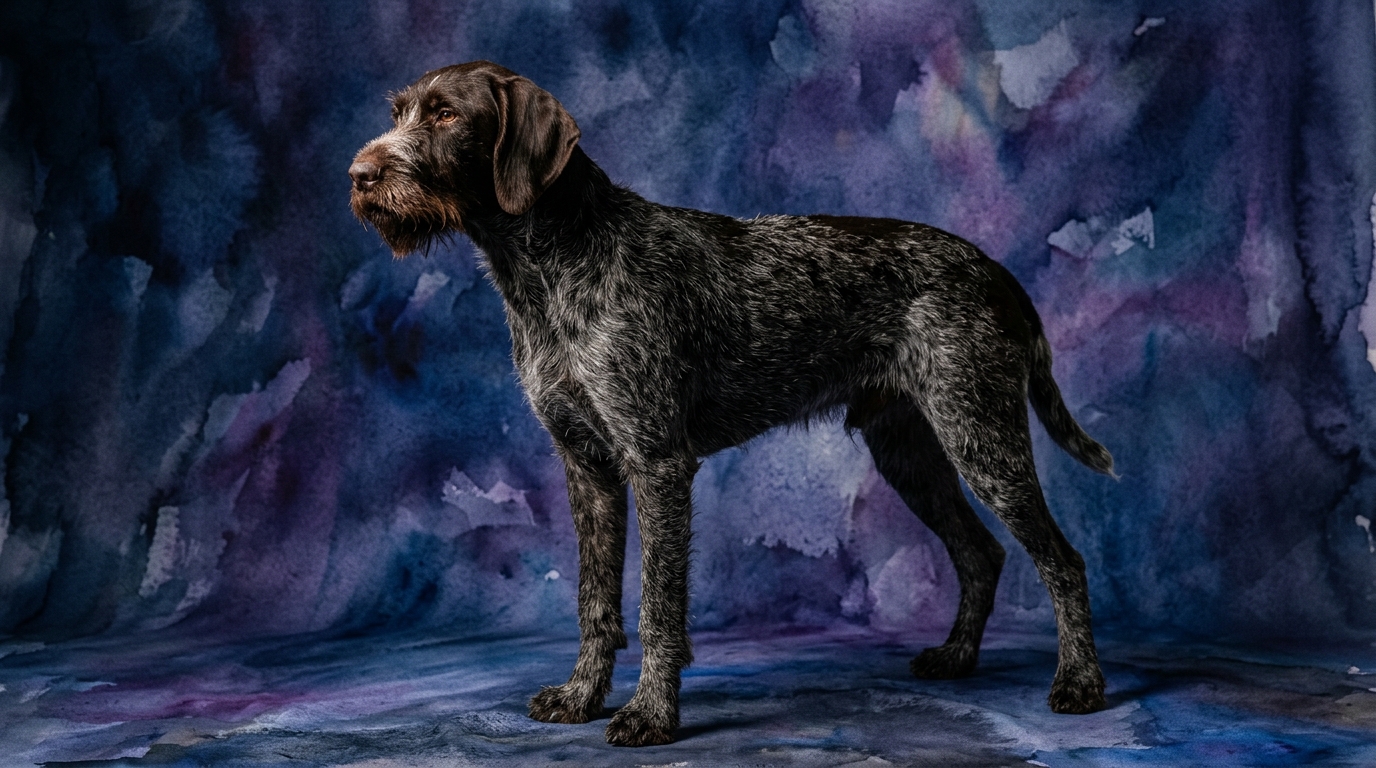
In contrast, the German Wirehaired Pointer (GWP), a Sporting group dog with a higher Coren ranking of #28, presents a cognitive makeup optimized for partnership and versatility in the field. Their problem-solving ability also scores 4/5, but this often manifests as resourcefulness in hunting scenarios, adapting to varied terrains and game. Training speed is a notable 4/5, highlighting their eagerness to please and quick grasp of new commands and complex sequences. Social intelligence, like the Malamute, is 3/5, indicating a strong bond with their family unit but often a reserved demeanor with strangers. Their instinctive drive is 3/5, focused on hunting, pointing, and retrieving, rather than endurance pulling. Memory is also 4/5, crucial for remembering scent trails, mark locations, and intricate learned behaviors during a hunt.
Where the Alaskan Malamute Excels Cognitively
The Alaskan Malamute's cognitive strengths are deeply rooted in their historical role as a heavy-duty sled dog in harsh Arctic conditions. Their problem-solving score of 4/5 is a testament to their ability to navigate complex, often dangerous terrains and make independent decisions when a human handler might not be able to intervene immediately. This isn't about solving abstract puzzles, but rather practical, survival-oriented problem-solving, such as finding the easiest path through deep snow or determining how to conserve energy during a long haul. Their 5/5 instinctive drive is unparalleled for sustained physical work, manifesting as an inherent desire to pull and contribute to a team's progress, a drive that translates into a focused determination when given a task.
Furthermore, their 4/5 memory is critical for retaining knowledge of trails, recognizing landmarks, and remembering the routines associated with their work. This robust memory, combined with their formidable instinctive drive, allows them to perform demanding, repetitive tasks with consistency and reliability. While their training speed is lower, it doesn't imply a lack of mental capacity; rather, it reflects a strong sense of self and an independent thought process that requires a handler to earn their cooperation through trust and respect, rather than simply rote repetition. They learn through experience and consequence, often remembering what works best for them in a given situation.
Where the German Wirehaired Pointer Excels Cognitively
The German Wirehaired Pointer's cognitive advantages are evident in their role as a versatile hunting companion, requiring both independence and a close working relationship with a handler. Their training speed of 4/5 is a significant asset, allowing them to quickly learn and execute a wide array of commands essential for field work, from intricate hand signals to complex retrieve sequences. This rapid acquisition of skills means they can be shaped into highly responsive partners, adapting their behavior on the fly based on their handler's cues. Their 4/5 problem-solving ability shines in dynamic hunting environments, where they must assess changing wind conditions, locate fallen game, and navigate varied cover, often employing creative strategies to achieve their objective.
Their 4/5 memory is crucial for recalling the locations of downed birds, remembering specific scent patterns, and retaining the learned sequences of a hunt. This strong memory, coupled with their willingness to learn, makes them exceptionally reliable in demanding field conditions. The GWP's instinctive drive, while rated 3/5 compared to the Malamute's 5/5, is perfectly calibrated for its purpose; it's a focused drive for hunting, pointing, and retrieving that is highly trainable and directed by the handler, allowing for precise control and collaboration in the field. They are adept at understanding and anticipating human intentions, making them effective partners.
Trainability: Malamute vs. GWP
When considering ease of training, the German Wirehaired Pointer holds a distinct advantage over the Alaskan Malamute. The GWP's training speed of 4/5 is a clear indicator of their eagerness to learn and comply, often driven by a strong desire to please their handler. They respond well to consistent positive reinforcement and typically grasp new commands and complex routines quickly. Their instinctive drive of 3/5, while robust for hunting, is also highly channelable and responsive to direction, making it easier to integrate into structured training exercises. Real behavioral differences include the GWP's natural inclination to check in with their handler and work collaboratively, which streamlines the learning process for tasks requiring precision and cooperation.
The Alaskan Malamute, with a training speed of 2/5, presents a more significant challenge in terms of traditional obedience training. This lower score doesn't reflect a lack of intelligence, but rather a strong independent streak and a tendency to evaluate whether a command serves their own perceived best interest. Their 5/5 instinctive drive, while powerful, is often self-directed towards activities like pulling or digging, and can be difficult to redirect. Behaviorally, Malamutes require significant motivation, often preferring to make their own choices rather than simply following instructions. Training them demands immense patience, creative problem-solving from the handler, and methods that tap into their natural drives, such as using pulling activities as a reward or focusing on shaping desired behaviors through environmental cues rather than strict commands. Their independent nature means they are less inclined to offer automatic compliance, requiring a deeper understanding of their motivations.
Suitability for Active vs. Relaxed Owners
Neither the Alaskan Malamute nor the German Wirehaired Pointer is suited for genuinely relaxed owners, as both breeds possess significant energy and a need for mental engagement. However, their specific requirements diverge. The Alaskan Malamute is an ideal companion for owners who embrace an intensely active, purpose-driven lifestyle, particularly those involved in demanding outdoor activities like skijoring, backpacking, or competitive weight pulling. Their 5/5 instinctive drive and immense stamina mean they thrive on sustained physical exertion and require a handler who can provide consistent, challenging outlets for their energy and working instincts. They need owners who appreciate an independent spirit and are prepared to engage with a dog that has a strong sense of its own agenda, even if that means a bit more effort in training and management. A Malamute needs a 'job' and an owner dedicated to fulfilling that need through regular, rigorous activity.
The German Wirehaired Pointer, while also requiring an active lifestyle, suits owners whose activity preferences might be more varied or focused on partnership-oriented outdoor pursuits. Their high training speed and enthusiastic nature make them excellent partners for activities such as hiking, trail running, scent work, agility, or, of course, hunting. They need owners who can provide consistent exercise and mental stimulation, but who also appreciate a dog that is highly biddable and keen to work alongside them. Owners who enjoy teaching new tricks, engaging in dog sports, or spending extended periods outdoors with a responsive companion will find the GWP a fitting match. They are less about pure, relentless endurance and more about versatile, interactive engagement.
The Verdict
Choose an Alaskan Malamute if you are an experienced, dedicated owner seeking a robust, independent partner for extreme endurance activities and appreciate a dog with a strong, self-directed will.
Choose a German Wirehaired Pointer if you are an active individual or family looking for a highly trainable, versatile companion for varied outdoor pursuits, who thrives on cooperative effort and close partnership.
🧠 Find Your Pet's IQ Score
Our Pet IQ Lab assessment covers 25+ tests across 5 cognitive dimensions — personalized to your breed.
Take the Full IQ Test →Frequently Asked Questions
Are Alaskan Malamutes prone to stubbornness?
Yes, Alaskan Malamutes are often described as stubborn due to their independent nature and strong will. Their lower training speed score reflects this, as they tend to evaluate commands and cooperate only if it aligns with their own motivations, requiring patient and creative training.
Can German Wirehaired Pointers adapt to urban living?
German Wirehaired Pointers can adapt to urban living, but it requires a significant commitment to daily, vigorous exercise and mental stimulation. They need ample opportunities to run, explore, and engage their minds to prevent boredom and destructive behaviors, making them unsuitable for truly sedentary lifestyles regardless of environment.
What are the key differences in their learning styles?
The Alaskan Malamute learns best through experience, consequence, and understanding the practical purpose of a task, often requiring motivation that appeals to their natural drives. The German Wirehaired Pointer, with its higher training speed, learns more readily through positive reinforcement, repetition, and a desire to please its handler, making them quicker to pick up new commands and complex routines.