Side-by-Side IQ Profile
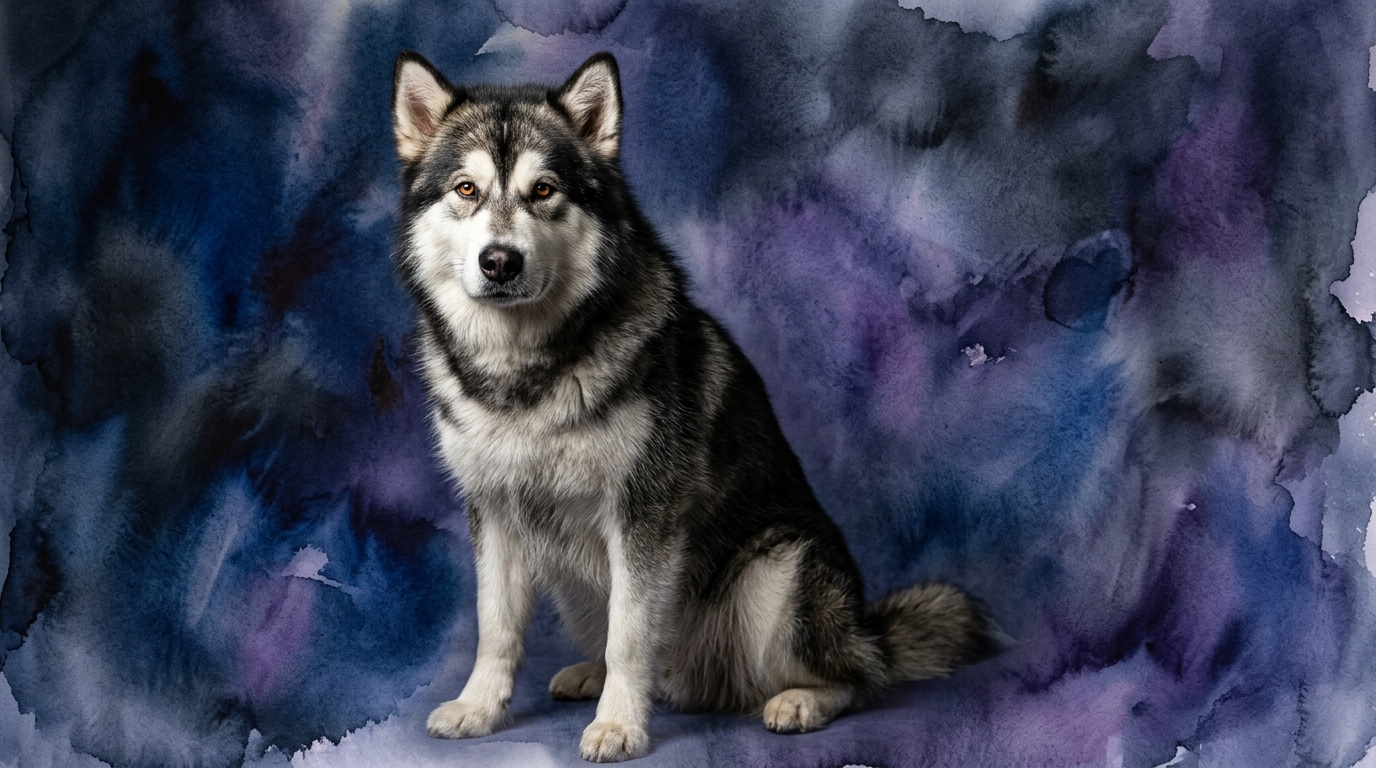
The Alaskan Malamute, originating from Arctic regions, boasts a cognitive profile shaped by centuries of demanding work. Their Problem Solving ability, rated 4/5, reflects a capacity for independent thought, often necessary for navigating complex terrain or overcoming obstacles during sledding. However, their Training Speed is a moderate 2/5, indicating a need for consistent, patient, and highly engaging training methods to solidify new commands. Social Intelligence stands at 3/5, meaning they can read human cues but might prioritize their own strong will. A defining trait is their Instinctive Drive at 5/5 – a powerful urge to pull, explore, and hunt, deeply ingrained in their genetic makeup. Their Memory is strong at 4/5, allowing them to retain learned behaviors and past experiences effectively, whether positive or challenging.
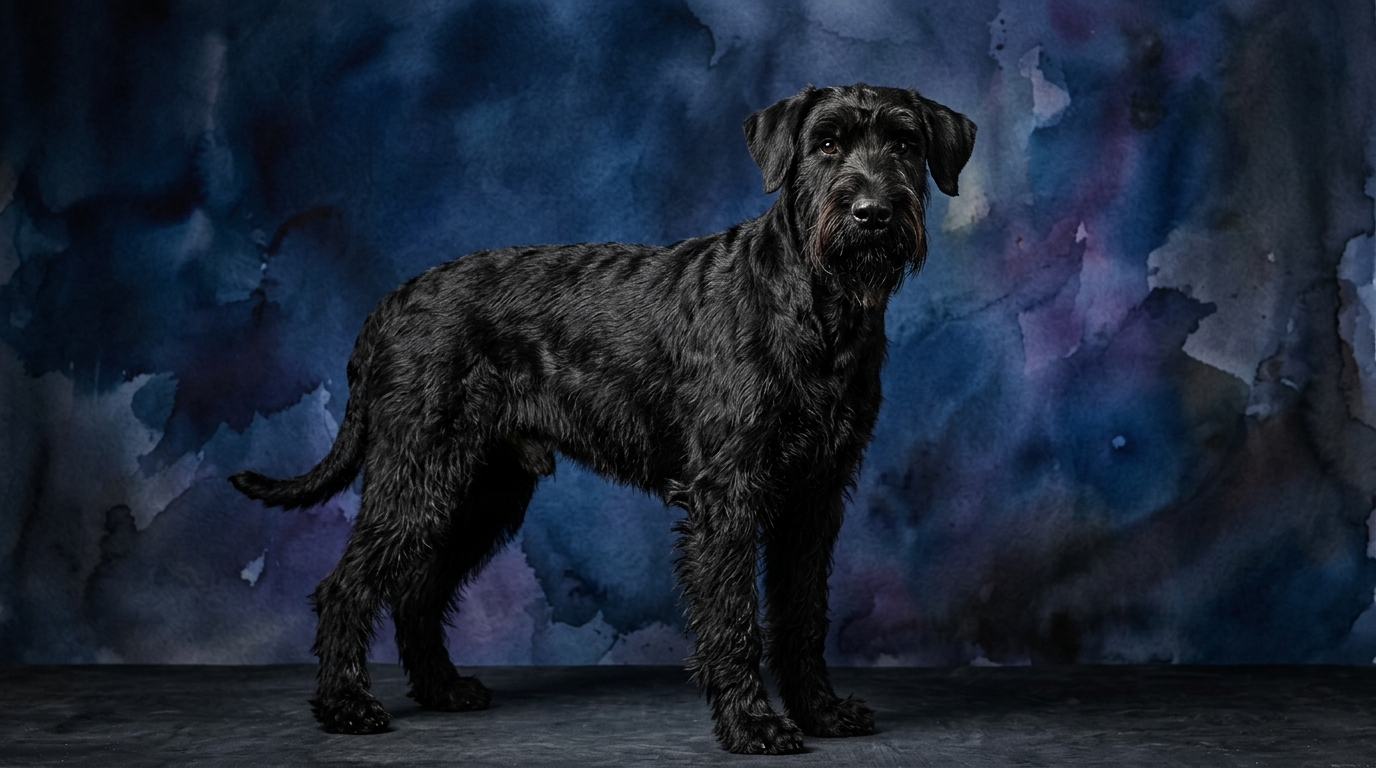
Developed in Germany for herding and guarding, the Giant Schnauzer presents a different cognitive blueprint. Their Problem Solving also scores 4/5, showcasing an aptitude for strategic thinking and adapting to various situations, often useful in their historical roles. Crucially, their Training Speed is a robust 4/5, signifying a quicker grasp of new concepts and a strong desire to cooperate, making them generally more responsive to command-based learning. Their Social Intelligence is 3/5, similar to the Malamute, indicating a moderate understanding of social dynamics and human intentions. Instinctive Drive is rated 3/5, a balanced level that includes a protective instinct and a readiness for work, but typically less overwhelming than a Malamute's. Like the Malamute, their Memory is solid at 4/5, allowing for excellent recall of learned patterns and experiences.
Where Alaskan Malamute Wins Cognitively
The Alaskan Malamute’s cognitive strengths truly shine in scenarios demanding enduring autonomy and robust physical application. Their perfect 5/5 Instinctive Drive means they possess an unparalleled, intrinsic motivation for tasks involving stamina and strength, such as hauling or extended treks. This drive isn't merely physical; it's a deep-seated cognitive inclination to fulfill their ancestral purpose, making them relentless in pursuing a goal once committed. While their problem-solving is rated identically to the Giant Schnauzer at 4/5, the Malamute often applies this skill with a unique blend of independent determination. They excel at figuring out how to achieve a desired outcome through sheer persistence, whether that's navigating a complex trail or devising a strategy to access a coveted toy. This independent problem-solving, coupled with their strong memory (4/5), means a Malamute can remember intricate routes or complex sequences of actions, making them adept at tasks requiring self-reliance rather than constant human direction. Their cognitive resilience, rooted in centuries of survival in harsh environments, allows them to maintain focus and drive through prolonged, challenging activities where other breeds might falter.
Where Giant Schnauzer Wins Cognitively
The Giant Schnauzer exhibits a cognitive advantage in areas demanding swift comprehension and a more direct partnership with their human handlers. Their 4/5 Training Speed is a significant win, indicating a quicker assimilation of new commands and a more eager disposition towards structured learning compared to the Malamute. This translates into fewer repetitions needed for skill acquisition and a generally smoother training progression. While their Problem Solving is also 4/5, the Giant Schnauzer often applies this intelligence in a more collaborative context, readily deciphering human expectations and adapting their behavior accordingly. Their 3/5 Instinctive Drive, while lower than the Malamute's, is perfectly suited for roles requiring vigilance and protective instincts without the overwhelming wanderlust or prey drive. This moderate drive, combined with strong memory (4/5) and faster training speed, allows them to be highly versatile in obedience, agility, and protection work, where precision and responsiveness are paramount. They retain complex sequences of commands and can apply their problem-solving skills to novel situations within a guided framework, often seeking human input for validation.
Which is Easier to Train and Why
When evaluating ease of training, the Giant Schnauzer holds a distinct advantage, primarily due to its superior Training Speed (4/5 compared to the Malamute's 2/5). This means a Giant Schnauzer typically requires fewer repetitions to grasp new commands and concepts. They often exhibit a stronger desire to please and a more attentive focus during training sessions, making them more receptive to traditional command-based learning. For instance, teaching a 'stay' command might take significantly less time and effort with a Giant Schnauzer, as they are quicker to understand the expectation and more inclined to comply. In contrast, the Alaskan Malamute's lower training speed is often linked to their inherent independence and strong will. While they are certainly capable of learning, they frequently require more creative, highly motivating, and patient approaches. A Malamute might understand a command but choose not to execute it if they perceive a more interesting alternative or if the reward isn't compelling enough. Their powerful 5/5 Instinctive Drive for exploration and pulling can also make focus challenging in distracting environments, whereas the Giant Schnauzer's more moderate 3/5 drive allows for better concentration on the task at hand. Therefore, for owners seeking a dog that progresses rapidly through obedience training and maintains consistent responsiveness, the Giant Schnauzer is the clearer choice.
Which Suits Active Owners vs Relaxed Owners
The distinction between an active and a more relaxed owner is critical when considering these breeds. The Alaskan Malamute, with its 5/5 Instinctive Drive and powerful physique, is undeniably suited for highly active owners. These dogs thrive on strenuous physical activity that taps into their innate desire to pull, explore, and endure. Daily long runs, sledding, skijoring, or extensive hiking are not just beneficial but essential for their cognitive and emotional well-being. An owner who can dedicate several hours a day to structured exercise and mental stimulation that challenges their problem-solving (4/5) and independent nature will find a Malamute a fulfilling companion. Their strong memory (4/5) means they will remember routes and routines, making them excellent partners for consistent adventurers. Conversely, a relaxed owner, or one unable to meet their significant exercise demands, would likely find a Malamute challenging, leading to destructive behaviors or an escape artist due to unmet instinctive needs. The Giant Schnauzer, while still a working breed requiring activity, is a better fit for active owners who appreciate a more structured and cooperative partnership. Their 3/5 Instinctive Drive is more manageable, translating to a need for vigorous daily walks, agility, or obedience training sessions that engage their problem-solving (4/5) and faster training speed (4/5). They enjoy having a job to do and excel in activities that involve human direction. While they can adapt to slightly less intense activity than a Malamute, they are not suited for truly relaxed, sedentary lifestyles. Neither breed is an ideal match for a truly 'relaxed' owner who prefers minimal daily engagement, as both are working dogs that require consistent mental and physical stimulation.
The Verdict
Opt for the Alaskan Malamute if you are a highly active, experienced owner who thrives on independent problem-solvers and can fulfill an unparalleled instinctive drive for endurance and exploration. They suit those who appreciate a strong-willed companion for intense outdoor adventures.
Select the Giant Schnauzer if you desire a highly trainable, responsive partner for structured activities like obedience, agility, or protection work, and you can provide consistent mental and physical engagement. They are ideal for active owners seeking a cooperative and vigilant companion.
🧠 Find Your Pet's IQ Score
Our Pet IQ Lab assessment covers 25+ tests across 5 cognitive dimensions — personalized to your breed.
Take the Full IQ Test →Frequently Asked Questions
Are Alaskan Malamutes difficult to train because of their lower training speed?
While their training speed is lower (2/5), 'difficult' isn't the right word; 'requires patience and consistency' is more accurate. Malamutes are intelligent (Problem Solving 4/5) but have a strong independent streak and a powerful instinctive drive, meaning training needs to be highly engaging, positive, and varied to keep their attention and overcome their inclination to follow their own agenda.
Which breed is better for a first-time dog owner?
Generally, the Giant Schnauzer (Coren rank #28, Training Speed 4/5) would be a more manageable choice for a first-time dog owner willing to commit to consistent training and socialization. The Alaskan Malamute's strong independent nature and very high instinctive drive (5/5) can be overwhelming for inexperienced owners, often leading to behavioral challenges if not properly managed.
Do both breeds require a lot of mental stimulation?
Absolutely, both breeds require significant mental stimulation, though the type might differ. Both have a 4/5 Problem Solving score and 4/5 Memory, meaning they learn and retain information well. Malamutes benefit from puzzle toys and tasks that allow independent thought, while Giant Schnauzers thrive on learning new commands, engaging in dog sports, and having a 'job' that involves human interaction and direction.